
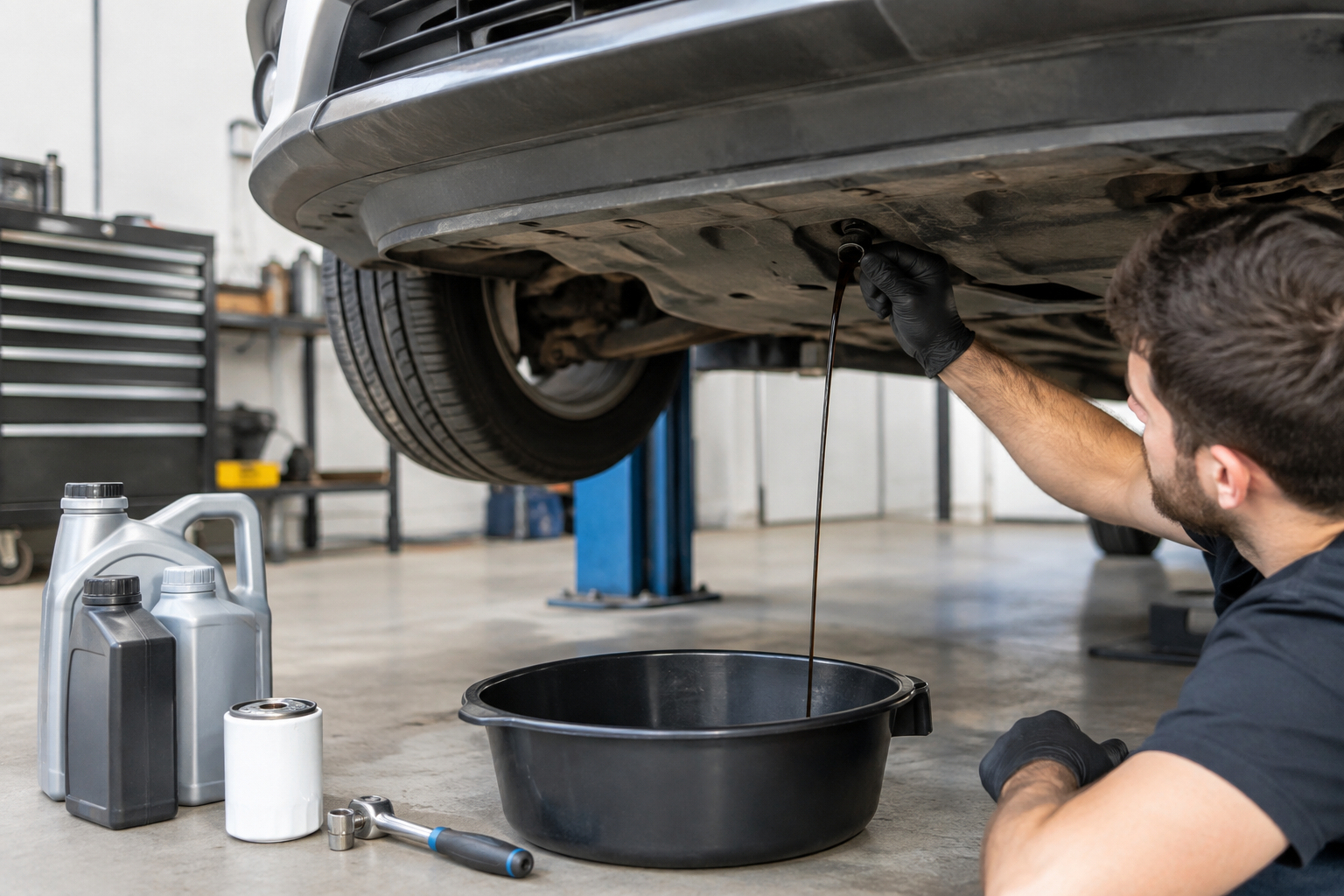
Changing your own oil isn’t hard once you pick the right car to start on. The problem is most beginners grab a random how-to video, crawl under their vehicle, and find a plastic belly pan blocking everything, a filter buried behind the exhaust manifold, or a drain plug that needs a specialty socket nobody owns. Pick the wrong car and your first oil change turns into a two-hour fight with zip ties and skinned knuckles.
The vehicles below are the ones mechanics and DIY forums consistently point to as the easiest to learn on. Good ground clearance, no undershield to remove, a filter you can reach without contortions, and a drain plug that takes a common socket size. If you’re buying your first car with DIY maintenance in mind, or you just want your existing car to be less of a pain on oil change day, this list is a good starting point.
1. Toyota Corolla (2020 to present, 2.0L engine)
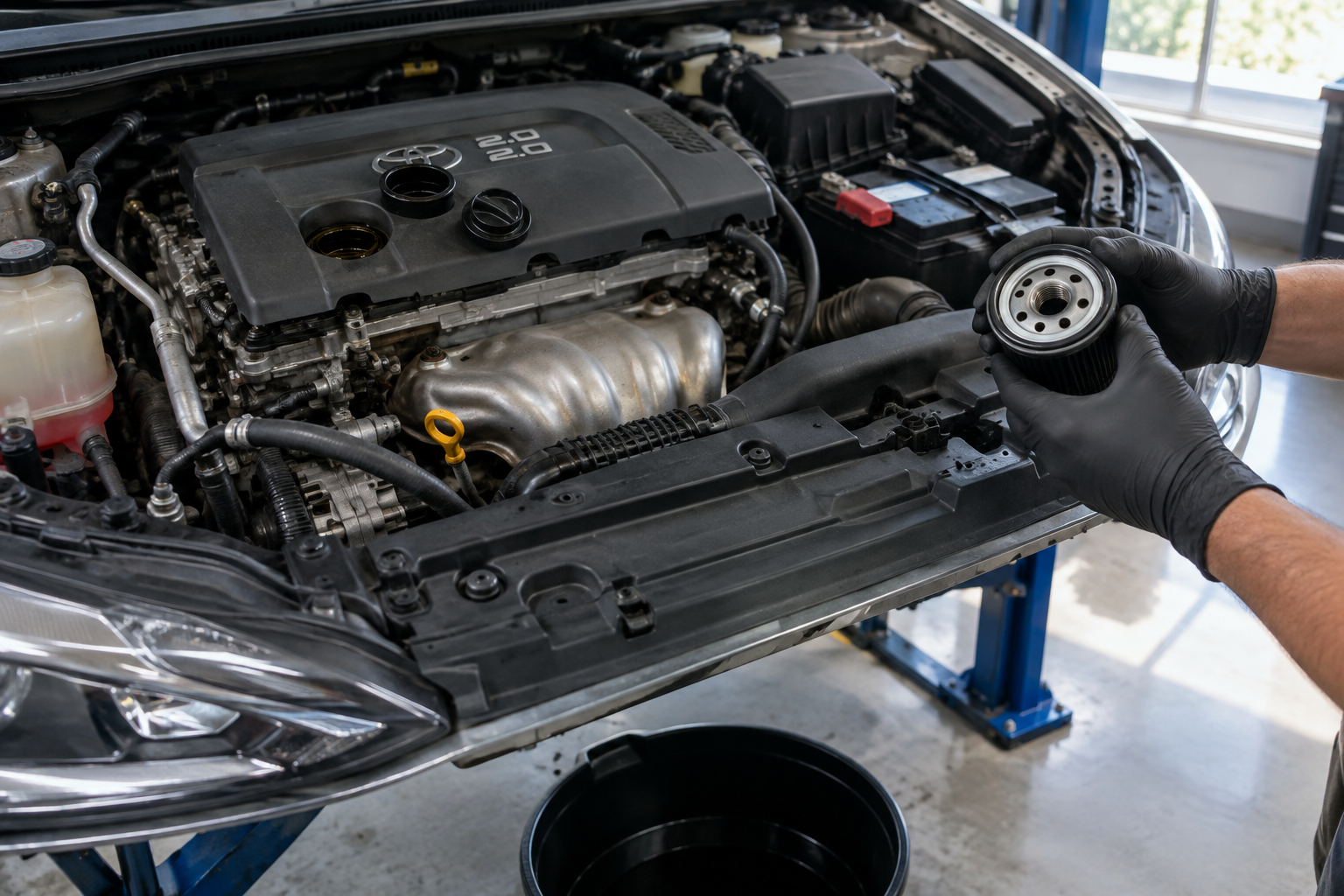
The Corolla is about as forgiving as it gets. The oil filter is a top-mount cartridge type sitting right on top of the engine, so you never have to reach underneath for it. The drain plug uses a 14mm socket, and there’s no undershield covering the pan on most trims.
It takes 0W-16 synthetic oil, with a capacity of roughly 4.4 quarts. Just double check your specific engine code before buying oil, since Toyota has used a couple of viscosity specs across trims and model years.
2. Honda Civic (2016 to present, 2.0L)
Civics have kept the same basic layout for years, which makes them a great learner car if you’re buying used. The spin-on filter sits low on the front of the engine but is still reachable from above with your arm, and the 17mm drain plug is one of the most common sizes out there.
Capacity runs about 4.4 quarts of 0W-20 synthetic. There’s no belly pan blocking access on base trims, though some Si and Type R models add extra underbody paneling that makes the job slightly more involved.
3. Mazda3 and CX-5 (2.5L Skyactiv-G)
Mazda’s 2.5L four-cylinder is shared across the Mazda3 and CX-5, and both are easy first oil changes. The filter is a cartridge style mounted on top of the engine near the front, so you’re not fishing around blind. The drain plug takes a 14mm socket.
Oil type is 0W-20 synthetic, capacity around 4.9 quarts. The CX-5 sits higher off the ground than the sedan, which makes sliding a drain pan underneath even easier without needing ramps.
4. Subaru Outback (2.5L, 2015 to 2019)
The Outback’s flat-four engine mounts low, but the oil filter faces forward and down, making it one of the more approachable Subaru layouts to work on. The drain plug is 14mm, and ground clearance on the Outback is generous enough that most people can get under it on flat pavement without ramps.
It uses 0W-20 synthetic, roughly 4.4 quarts. If you’re shopping for a used Outback specifically for DIY ownership, it’s worth reading up on which Subaru Outback years to avoid before you buy, since some earlier model years have known head gasket issues that go well beyond routine maintenance.
5. Ford F-150 (5.0L V8, 2015 to present)
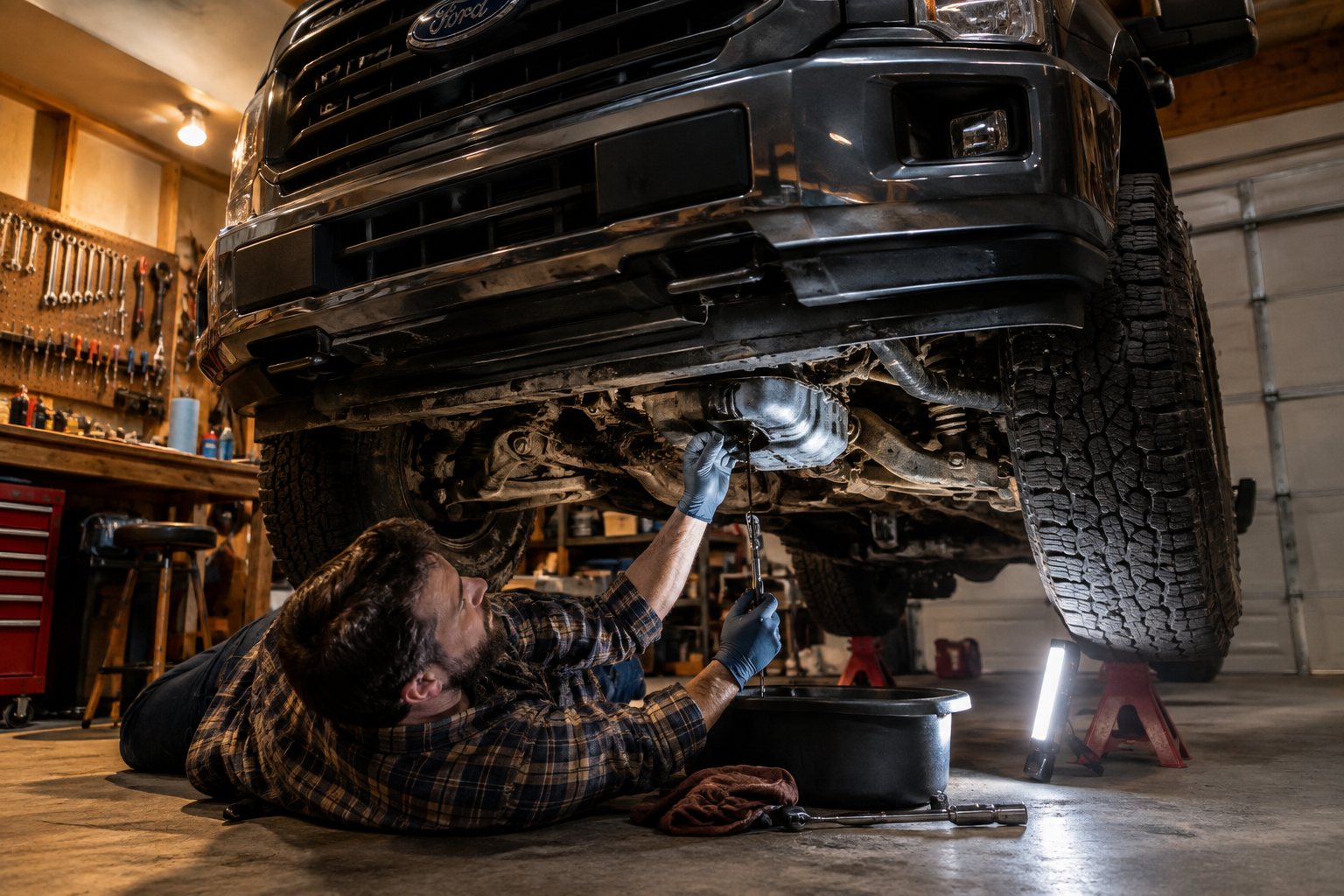
Trucks aren’t always beginner-friendly, but the F-150 with the 5.0L V8 is an exception. Ground clearance is high enough that you can often skip ramps entirely, there’s no factory undershield blocking the pan on most trims, and the filter is accessible from the side without removing anything.
The 5.0L takes 5W-20 synthetic and holds about 8 quarts, plus it uses a standard 15mm drain plug. If you tow or haul with your F-150 regularly, it’s also worth knowing how tow/haul mode affects wear on your drivetrain, since trucks used for towing often need more frequent oil changes than the standard interval suggests.
6. Toyota Tacoma (3.5L V6, 2016 to present)
The Tacoma’s V6 has a top-mounted oil filter housing that’s easy to spot and even easier to access. Combined with the Tacoma’s tall stance, you can get a drain pan underneath without a jack in most driveways.
It runs 0W-20 synthetic, capacity around 6 quarts, and uses a 14mm drain plug. There is a small plastic splash shield near the front, but it doesn’t need to come off to reach the filter or plug.
7. Jeep Wrangler (3.6L Pentastar V6)
Wranglers are built for high ground clearance off-road, and that works in your favor for oil changes too. There’s no low-hanging undershield to remove, and the filter sits on top of the engine facing straight up.
The Pentastar V6 takes 0W-20 synthetic, about 6 quarts, with a 16mm drain plug. This is one of the few trucks on this list where you genuinely never need ramps or jack stands to get the job done.
8. Honda CR-V (1.5L Turbo, 2020 and newer)
The CR-V’s turbo four uses a spin-on filter mounted on the side of the block, easily reached from above with a filter wrench. The drain plug is a common 17mm size, and there’s no undershield on most trims.
It takes 0W-20 synthetic, capacity roughly 3.9 quarts. Worth noting that early 1.5L turbo CR-Vs (2017 to 2019) had a well-documented oil dilution issue in cold climates, so if you’re buying used, stick to 2020 or newer for the cleanest experience.
9. Chevy Colorado (2.5L four-cylinder)
The Colorado’s smaller engine option is easier to work on than the V6, with a top-facing oil filter and enough room around the engine bay to work without bumping your knuckles on hoses. Ground clearance is solid enough for most driveways without ramps.
It uses 5W-30 synthetic blend, around 5.5 quarts, and a 15mm drain plug that’s easy to find sockets for at any hardware store.
Recommended Tools and Supplies

Even on an easy car, having the right gear makes the job faster and cleaner. Here’s what to keep in your garage.

Rhino Ramps
Solid low-profile ramps for the vehicles on this list that need a little extra clearance.
Even though most vehicles on this list don’t strictly require ramps, having a set on hand gives you more working room and makes it easier to see the drain plug and filter clearly instead of working by feel.
A good oil drain pan with a built-in spout saves you from transferring used oil into another container later, and most fold flat for storage between changes.
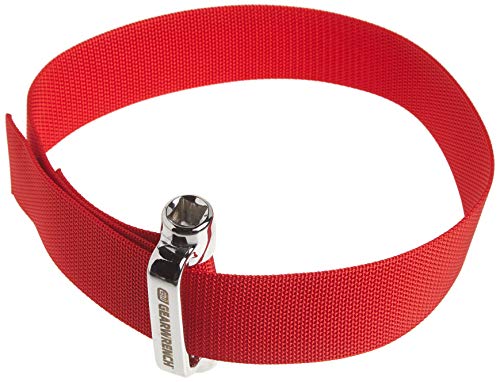
GearWrench Oil Filter Wrench Set
A versatile set that covers cartridge caps and spin-on filters, useful across multiple vehicles on this list.
You’ll also want a basic socket set that includes 14mm, 15mm, and 17mm sockets since those cover nearly every drain plug mentioned above. A torque wrench isn’t strictly required for these easy vehicles, but it prevents overtightening the drain plug, which is one of the most common beginner mistakes.
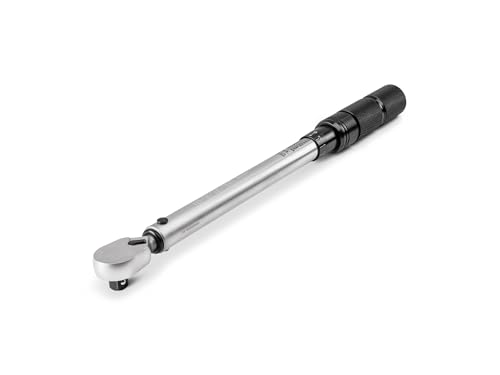
TEKTON Torque Wrench
An affordable way to make sure you don’t strip the drain plug threads on your first few oil changes.
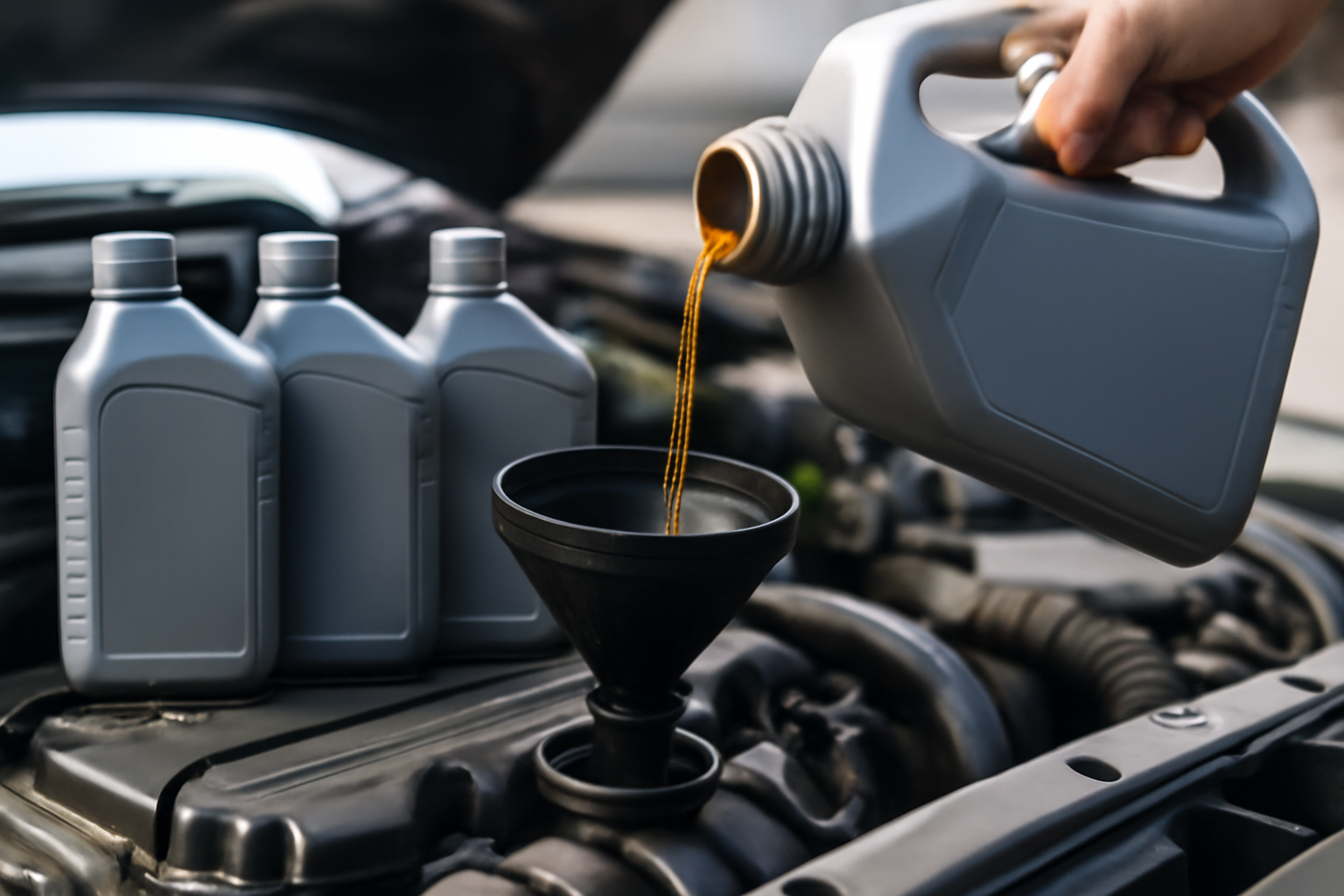
Round out your kit with a long-neck funnel to avoid spills when pouring fresh oil, and a box of nitrile gloves to keep your hands clean.
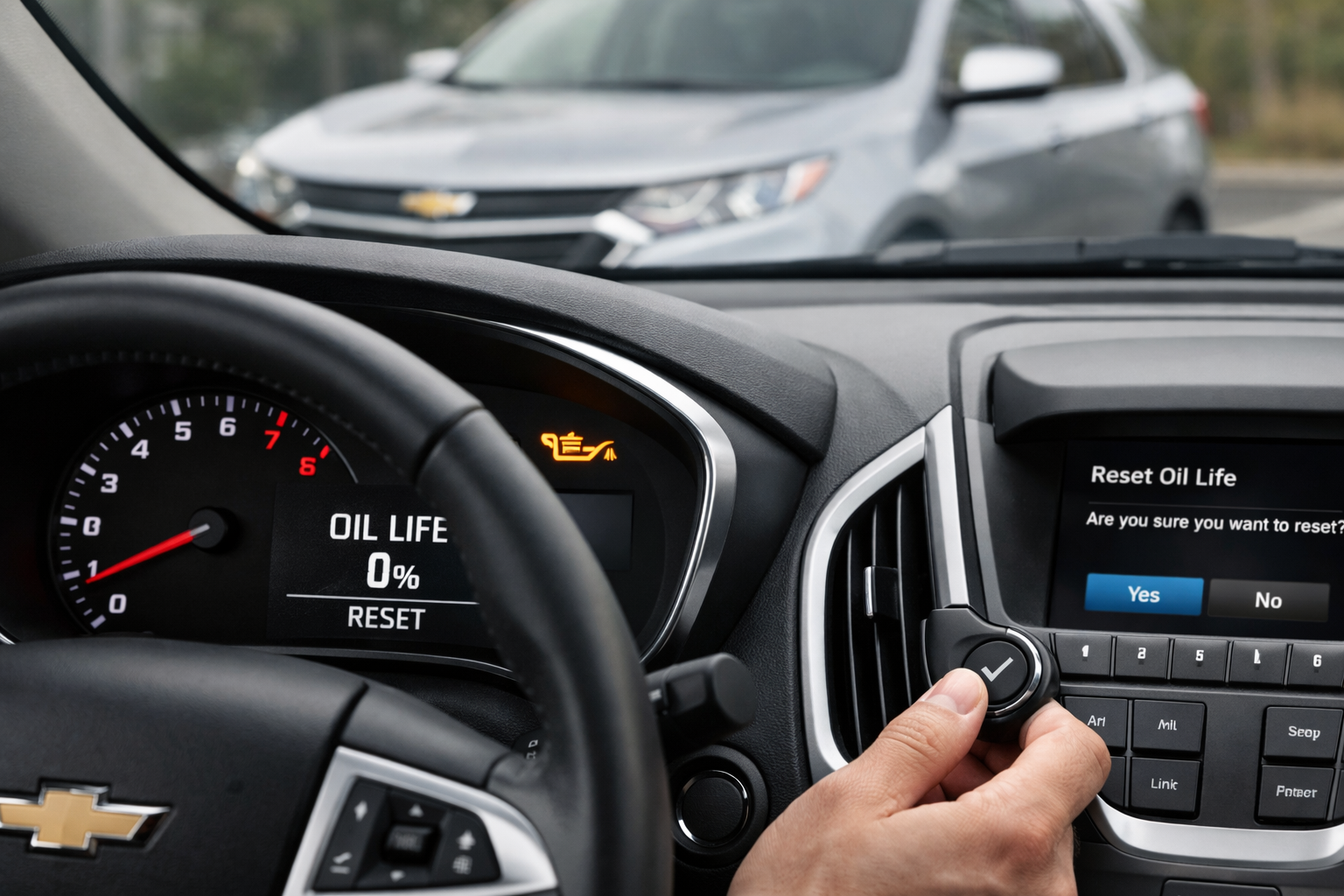
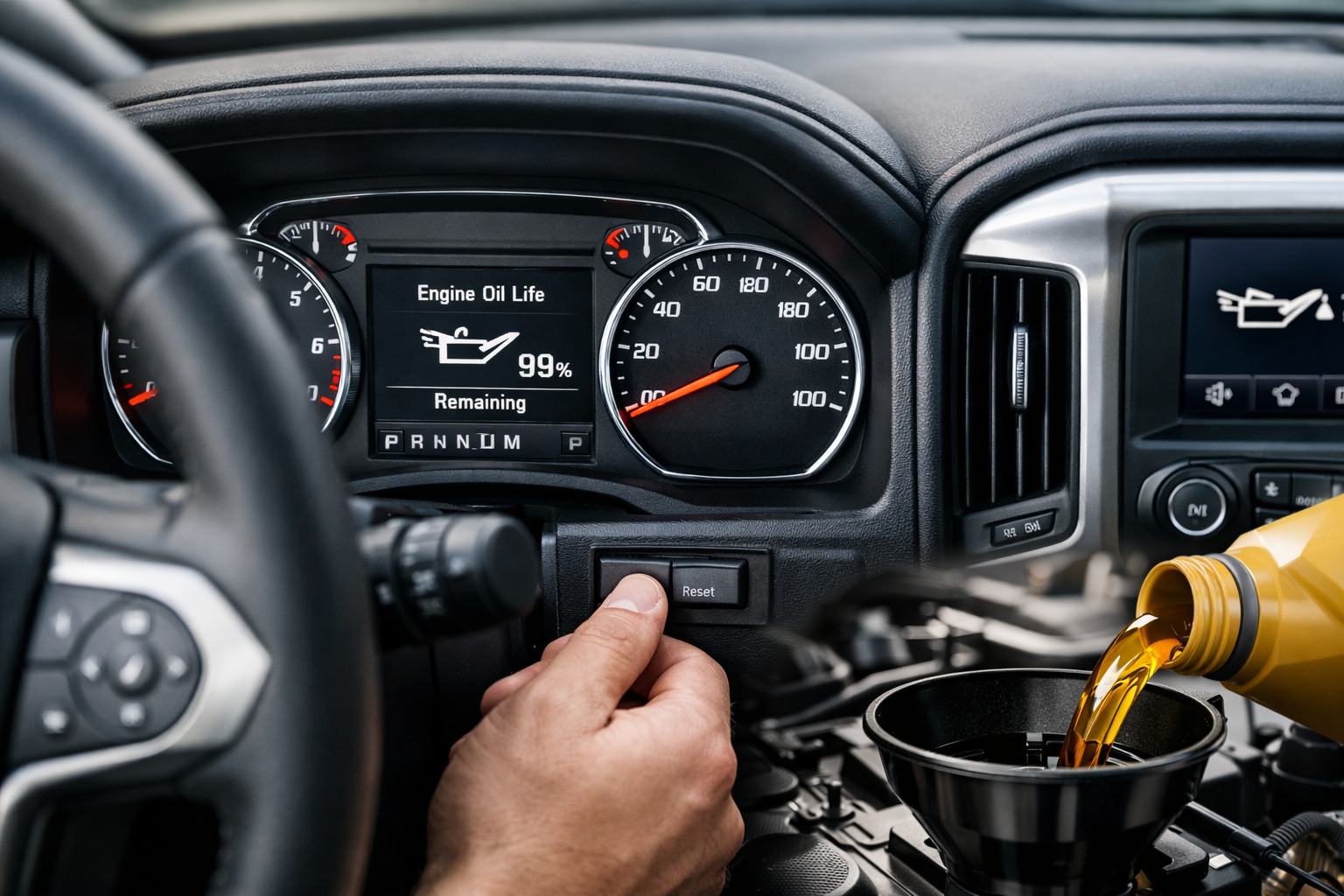
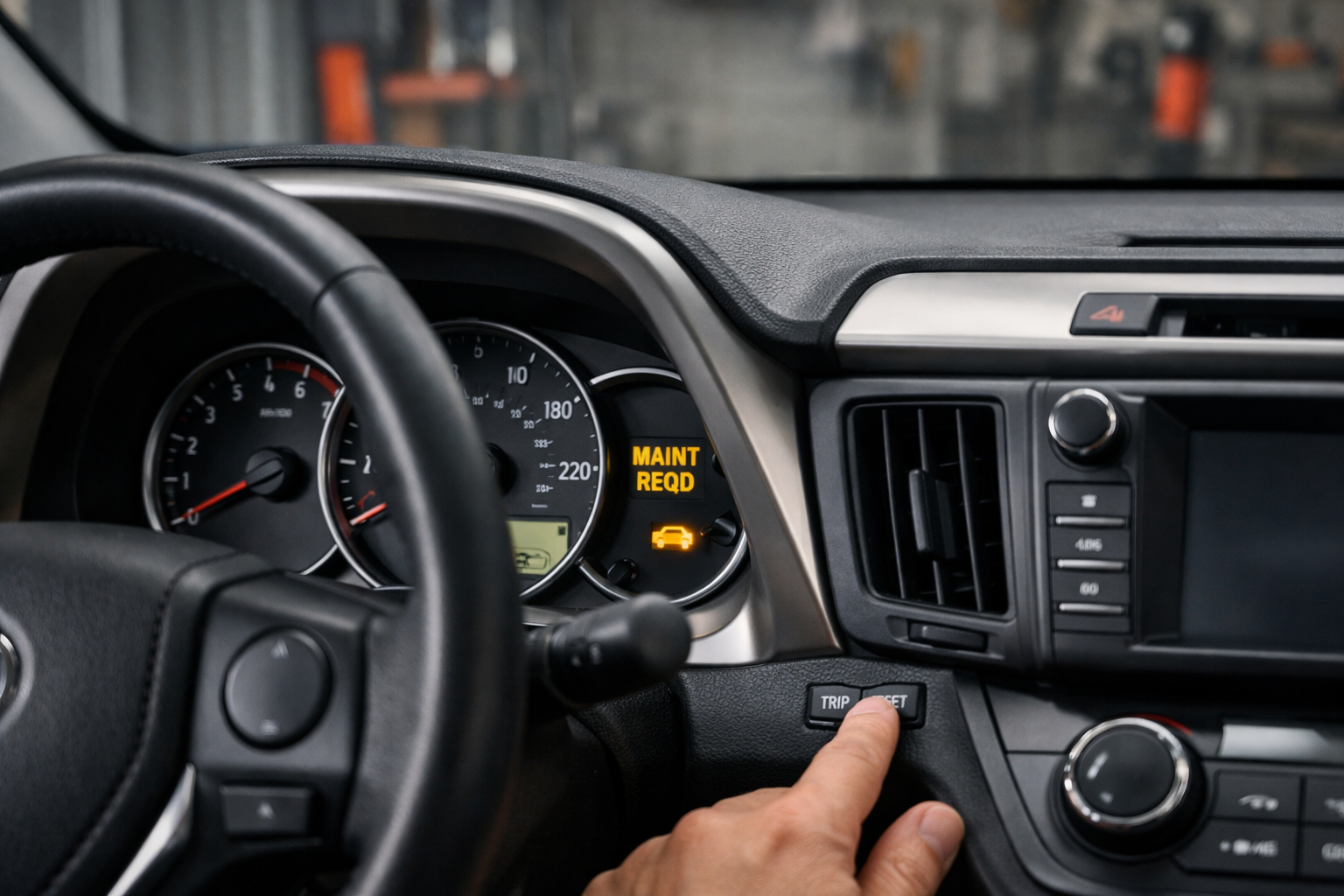
Once the new oil and filter are in, don’t forget to reset your maintenance reminder so your dash isn’t nagging you about an oil change you already did. You can use our oil life reset tool to find the exact reset steps for your specific make and model.
Frequently Asked Questions
Do I need ramps if my car has good ground clearance?
Not necessarily. Vehicles like the Jeep Wrangler, Toyota Tacoma, and Ford F-150 sit high enough that most adults can slide a drain pan underneath without lifting the vehicle at all. Ramps just give you more room to move around comfortably.
How do I know if my car has an undershield I need to remove?
Look under the front of the engine bay before you start. If you see a solid plastic panel covering the oil pan and filter area, you’ll need to remove the fasteners holding it in place first. All the vehicles on this list either lack this panel entirely or only have a small shield that doesn’t block the filter or plug.
What happens if I overtighten the drain plug?
Overtightening can strip the threads in the oil pan, which turns a simple oil change into an expensive repair. This is exactly why a torque wrench is worth having, even on beginner-friendly cars. Most drain plugs only need around 25 to 35 foot-pounds of torque, so hand-tight plus a quarter turn with a wrench is usually enough.
This article contains affiliate links. We may earn a small commission at no extra cost to you.
Leave a Reply