
A worn wheel bearing creates a distinctive humming or growling noise that gets worse as you drive faster. Learning to identify this problem yourself can save you diagnostic fees and help you catch the issue before it becomes dangerous.
Understanding Wheel Bearing Problems
Wheel bearings allow your wheels to spin freely while supporting your vehicle’s weight. When they start to fail, you’ll notice specific symptoms that are pretty easy to identify once you know what to listen for.
The most common sign is a humming, grinding, or rumbling noise that changes with your vehicle’s speed. This sound typically gets louder as you accelerate and may seem to come from one side of the car more than the other.
Bad wheel bearings can also cause vibration in your steering wheel, uneven tire wear, and in severe cases, wheel wobble that you can feel through the entire vehicle. Catching these symptoms early prevents more expensive repairs down the road.
Listen for the Tell-Tale Sounds
Start your diagnosis by paying attention to when and where you hear unusual noises. Drive at various speeds on a smooth, quiet road where you can clearly hear your vehicle.
A failing wheel bearing typically produces a constant humming or growling sound that increases with speed. Unlike tire noise, which can vary with road surface, bearing noise stays consistent regardless of whether you’re on asphalt or concrete.
The noise often changes when you turn the steering wheel. If the sound gets louder when turning right, your left wheel bearing is likely the problem. When the noise increases during left turns, check the right side bearing.
Try this simple test: find a safe area where you can make gentle S-curves at moderate speed. Listen carefully as you turn the wheel left and right. The bearing noise will typically get louder when you load the opposite wheel.
The Steering Test Method
Another driving test involves highway speeds, but only attempt this if you feel safe doing so. Drive straight at a steady speed where you hear the noise clearly.
Gently swerve left and right within your lane, similar to changing lanes slowly. Don’t make sharp movements, just gentle steering inputs to shift weight from side to side.
When you steer right, more weight transfers to the left wheels. If the noise gets louder during right turns, focus on the left side bearings. The opposite applies for left turns and right side bearings.
This happens because bad bearings make more noise when they’re under load. Turning reduces load on the inside wheels while increasing it on the outside wheels.
Jack Up the Vehicle Safely
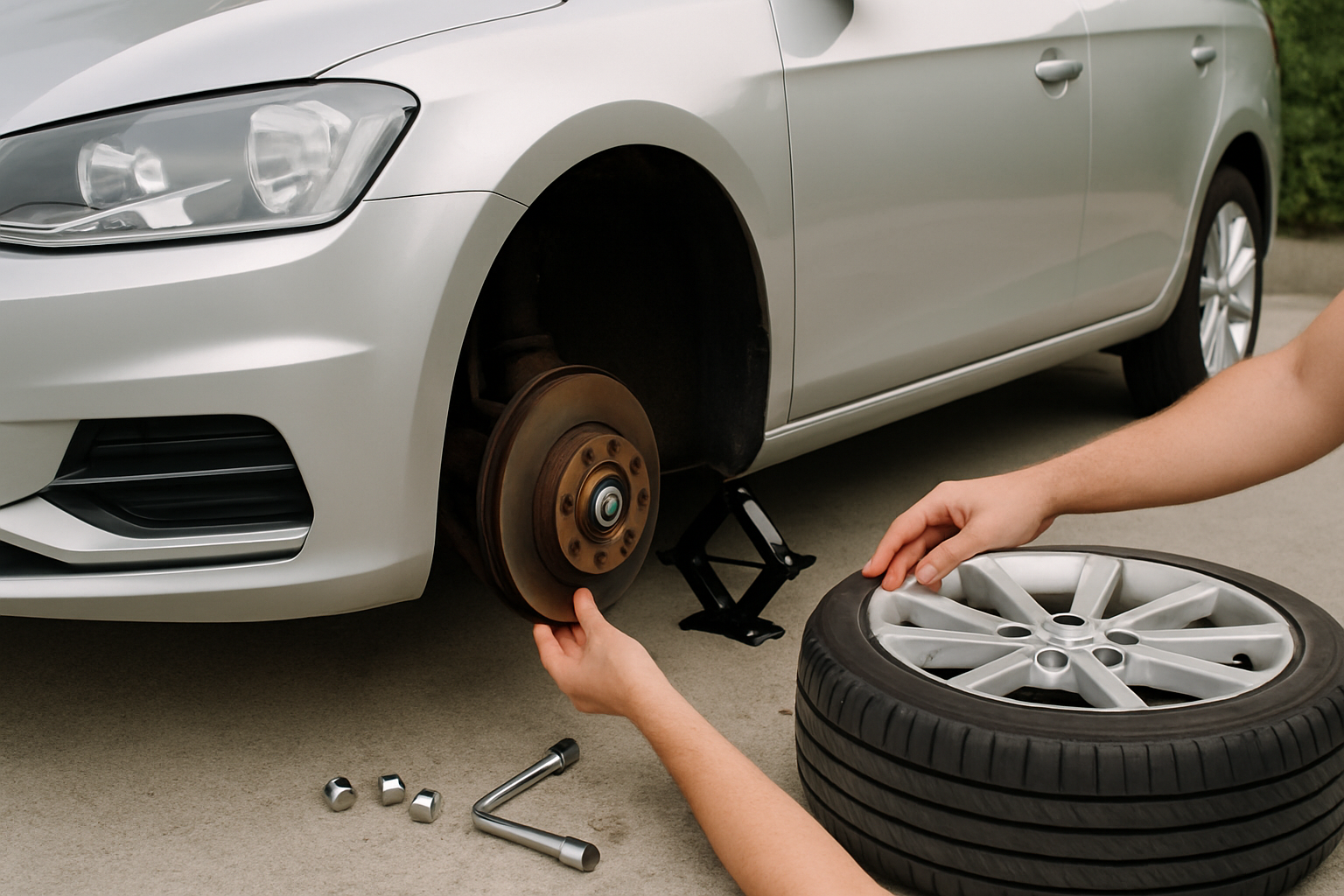
For a more definitive test, you’ll need to get the wheels off the ground. Park on level ground and engage the parking brake before starting.
Loosen the lug nuts slightly while the wheel is still on the ground, but don’t remove them completely yet. This prevents the wheel from spinning freely when you try to loosen the nuts.
Jack up one corner of the vehicle at a time, using proper jack points specified in your owner’s manual. Never rely solely on a floor jack for support. Always use jack stands for safety.
Once the wheel is securely off the ground, you can remove the lug nuts completely. However, many tests can be performed with the wheel still attached.
The Wiggle Test
With the wheel raised off the ground, grab the tire at the 12 o’clock and 6 o’clock positions. Try to wiggle the wheel back and forth, pushing the top away from you while pulling the bottom toward you, then reversing the motion.
A properly functioning wheel bearing should have minimal play. Any noticeable movement or clunking sounds indicate bearing wear or damage.
Repeat this test by grabbing the tire at the 3 o’clock and 9 o’clock positions. Movement in this direction could indicate ball joint problems rather than wheel bearing issues, but excessive play in any direction warrants further investigation.
Some vehicles have acceptable tolerances for slight movement, but you should feel resistance and hear no grinding or clicking sounds during this test.
The Spin Test
While the wheel is still elevated, spin it by hand as vigorously as possible. A good wheel bearing will allow the wheel to spin freely and coast for several rotations before stopping.
Listen carefully while spinning the wheel. Grinding, rumbling, or squeaking sounds indicate bearing problems. The wheel should rotate smoothly without catching or binding.
Feel for vibration through the wheel as it spins. Rough or uneven rotation suggests internal bearing damage. Compare the sound and feel between different wheels to identify which bearing needs attention.
A severely damaged bearing might prevent the wheel from spinning freely at all. You’ll feel significant resistance or hear obvious grinding noises that make the problem clear.
Testing Different Wheels
Perform the same wiggle and spin tests on each wheel of your vehicle. This comparison helps you identify which bearing is problematic and whether multiple bearings need attention.
Front wheel bearings often fail before rear ones due to additional stress from steering and braking forces. However, don’t assume the fronts are always the problem without testing all four corners.
Take notes on which wheels show play, make noise, or feel rough when spinning. This information helps you order the correct parts and prioritize repairs based on severity.
Remember that wheel bearing problems can develop gradually. A bearing that seems okay today might show symptoms next month, so periodic checks are valuable for preventive maintenance.
Additional Diagnostic Clues
Check your tires for unusual wear patterns that might indicate bearing problems. Failing bearings can cause irregular tire wear, particularly feathering or cupping patterns on the affected wheel.
Pay attention to how your vehicle handles during braking. Bad wheel bearings can cause the car to pull to one side or create pedal vibration, especially when stopping from higher speeds.
Look for any visible signs of damage around the wheel hub area. Leaked grease, rust stains, or obvious wear marks can indicate bearing problems even before you hear noises.
ABS warning lights sometimes illuminate when wheel bearings fail, particularly on vehicles where the ABS sensor is integrated into the bearing assembly. This adds another diagnostic clue to consider.
When to Take Action
Don’t ignore wheel bearing problems once you’ve identified them. While a slightly noisy bearing might last thousands of miles, the rate of deterioration is unpredictable.
Severe bearing failure can cause wheel lockup or separation, creating dangerous driving conditions. Schedule repairs promptly when your tests confirm bearing problems.
Replace wheel bearings in pairs on the same axle when possible. If one side has failed, the other side has experienced similar wear and will likely need attention soon.
Consider your comfort level with automotive repairs before attempting replacement yourself. Wheel bearing jobs vary significantly in complexity depending on your vehicle’s design.
Tools You’ll Need
For basic diagnosis, you only need a floor jack, jack stands, and your ears. More advanced testing might require a stethoscope or mechanic’s listening device to pinpoint noise sources.
A dial indicator can measure exact bearing play if you want precise measurements, but the wiggle test is sufficient for most diagnostic purposes.
Some technicians use infrared thermometers to check for temperature differences between wheels after driving. Hot bearings often indicate increased friction from internal damage.
Keep a notebook handy to record your findings from each wheel. This documentation helps track problem progression and assists professional mechanics if you decide to seek help.
Safety Considerations
Never perform these tests on busy roads or in unsafe locations. Find a quiet parking lot or residential street where you can focus on listening without distractions.
Always use proper jack stands when lifting your vehicle. Floor jacks can fail, and working under a car supported only by a jack is extremely dangerous.
If your tests reveal severe bearing damage, limit driving until repairs are completed. Catastrophic bearing failure can cause accidents or leave you stranded.
Wear safety glasses when working around wheels and suspension components. Road debris and rust can create hazards during inspection.
Frequently Asked Questions
How long can I drive with a bad wheel bearing?
This depends on the severity of the damage. A slightly noisy bearing might last months, while a severely worn bearing could fail within days. Don’t risk it, schedule repairs as soon as you confirm the problem through testing.
Can I replace just one wheel bearing?
You can replace individual bearings, but many mechanics recommend replacing both bearings on the same axle simultaneously. This prevents future labor costs when the other side inevitably fails.
Will a bad wheel bearing cause vibration?
Yes, failing wheel bearings often cause vibration that you’ll feel through the steering wheel, seat, or floorboard. The vibration typically increases with vehicle speed and may be more noticeable during turns.
How much should wheel bearing replacement cost?
Costs vary significantly based on your vehicle and labor rates in your area. Front bearings typically cost more to replace than rear ones due to additional complexity. Get quotes from multiple shops for comparison.
This article contains affiliate links. If you purchase through these links, we may earn a small commission at no extra cost to you.
Leave a Reply