
Choosing between a dealership and an independent mechanic for your vehicle service isn’t always clear-cut. Each option offers distinct advantages depending on what type of work your car needs and where you are in its lifecycle.
Making the wrong choice can cost you hundreds of dollars or leave you with subpar service. Understanding when to use each option will save you money and ensure your vehicle gets the right care.
Understanding Your Service Options
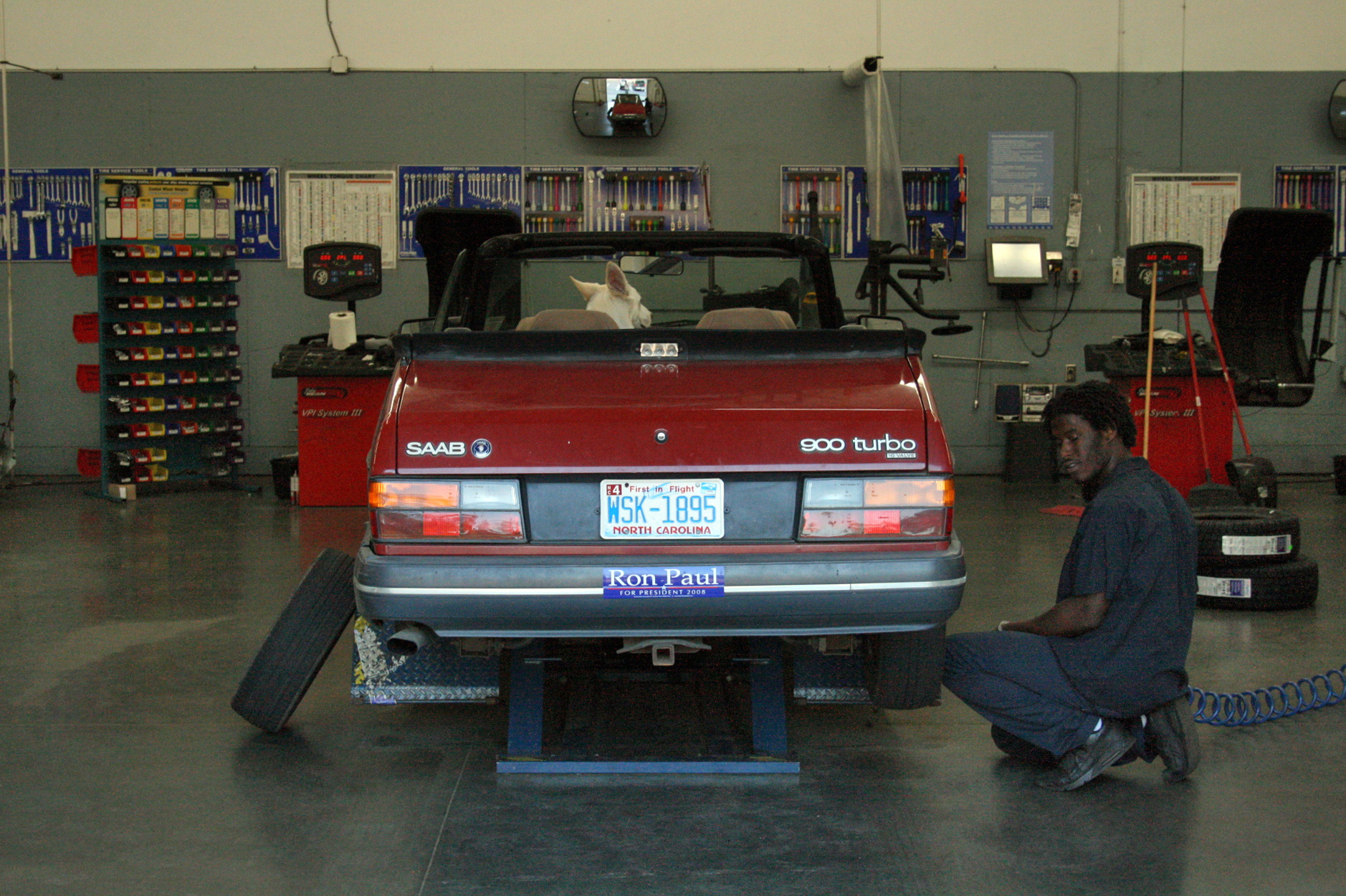
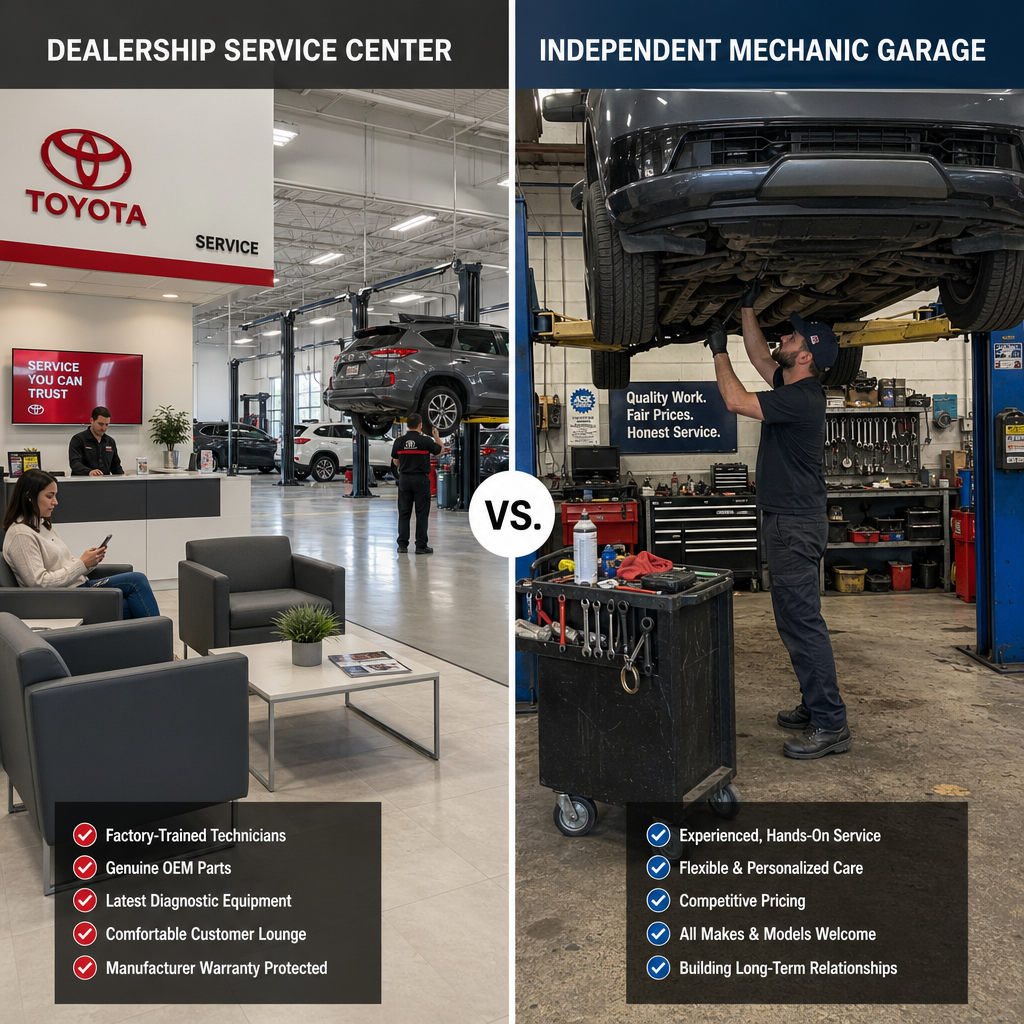
Dealership service departments and independent mechanics serve different roles in the automotive service ecosystem. Dealerships specialize in specific brands and have direct access to manufacturer resources, while independent shops often provide more personalized service and competitive pricing for routine work.
Your vehicle’s age, warranty status, and the type of service needed should drive your decision. A systematic approach to choosing between these options will help you get the best value and quality for each service visit.
When to Choose the Dealership
Warranty Work Requirements
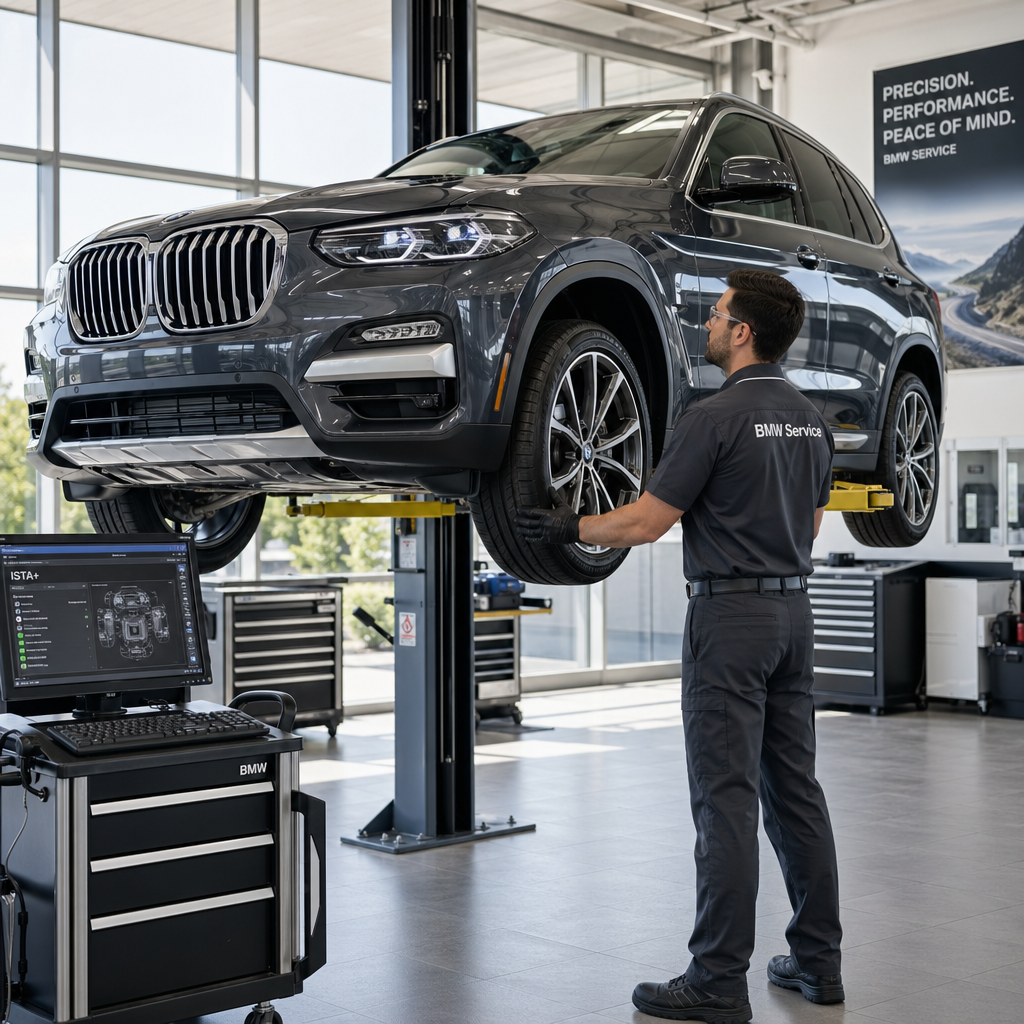
If your vehicle is under warranty, dealership service becomes mandatory for covered repairs. Manufacturers require warranty work to be performed by authorized dealers using genuine parts and approved procedures. Taking warranty-covered repairs elsewhere will void your coverage and leave you responsible for future related issues.
Extended warranties and certified pre-owned programs typically carry the same dealership requirements. Even if an independent shop offers to do the work cheaper, you’ll lose valuable warranty protection that could save thousands later.
Technical Service Bulletins and Recalls
Only authorized dealers can perform recall work and implement Technical Service Bulletins (TSBs). These manufacturer-issued updates address known issues and often include free repairs or software updates that improve your vehicle’s performance and reliability.
Independent mechanics cannot access recall information directly or obtain the specialized tools and procedures required for TSB implementation. Missing these updates can leave your vehicle with unresolved problems that affect safety, reliability, or resale value.
Complex Electronic Diagnostics
Modern vehicles rely heavily on interconnected computer systems that require manufacturer-specific diagnostic equipment. Dealerships have access to the most current software and can communicate directly with engineering teams when unusual problems arise.
Intermittent electrical issues, software glitches, and problems involving multiple systems often require this specialized expertise. Independent shops may spend hours chasing symptoms without the proper diagnostic tools, ultimately costing you more in labor charges.
Brand-Specific Training and Expertise
Dealership technicians receive ongoing training on specific vehicle lines and have experience with common problems affecting particular models and model years. This specialized knowledge can be invaluable when diagnosing unusual issues or performing complex repairs.
For luxury or exotic vehicles, dealership expertise becomes even more critical. These vehicles often require specialized procedures and tools that independent shops may not possess.
When to Choose an Independent Mechanic
Routine Maintenance Services
Independent mechanics typically charge 30-50% less than dealerships for routine maintenance like oil changes, brake service, tire rotations, and fluid replacements. These straightforward services don’t require specialized manufacturer knowledge or tools.
A quality independent shop can perform scheduled maintenance using manufacturer-specified parts and procedures while maintaining your warranty coverage. You’ll save significantly over the life of your vehicle without compromising service quality.
Out-of-Warranty Repairs
Once your warranty expires, independent mechanics offer substantial cost savings on most repairs. They typically charge lower labor rates and can use high-quality aftermarket parts that perform as well as original equipment at a fraction of the cost.
Independent shops often have more flexible scheduling and can complete work faster than busy dealership service departments. You’ll also receive more personalized attention and direct communication with the technician performing the work.
Older Vehicle Service
Dealerships may be reluctant to service older vehicles or may not stock parts for discontinued models. Independent mechanics often specialize in keeping older vehicles running and have established relationships with aftermarket suppliers for hard-to-find parts.
The cost-effectiveness of independent service becomes even more important with aging vehicles where repair costs need to be weighed against the vehicle’s remaining value.
Preventive Maintenance and Upgrades
Independent shops excel at preventive maintenance services like timing belt replacement, cooling system service, and transmission maintenance. They can often recommend cost-effective upgrades or improvements that dealerships might not suggest.
Many independent mechanics take pride in building long-term relationships with customers and will provide honest advice about which repairs are necessary and which can wait.
Cost Comparison Analysis
Labor Rate Differences
Dealership labor rates typically range from check current prices per hour, while independent mechanics generally charge check current prices per hour. This difference compounds quickly on major repairs, potentially saving you hundreds of dollars per service visit.
However, dealership efficiency can sometimes offset higher labor rates. Their specialized tools and experience with specific problems may result in faster diagnosis and repair times.
Parts Pricing Variations
Dealerships primarily use Original Equipment Manufacturer (OEM) parts, which carry premium pricing but offer perfect fit and finish. Independent shops can choose from OEM, Original Equipment Supplier (OES), or high-quality aftermarket alternatives.
Quality aftermarket parts often cost 40-60% less than OEM equivalents while providing comparable performance and durability. Your independent mechanic can explain the differences and help you choose the best option for your budget and needs.
Quality and Reliability Considerations
Technician Qualifications
Both dealership and independent technicians can hold ASE (Automotive Service Excellence) certifications and manufacturer-specific training credentials. The key is finding technicians who stay current with continuing education and invest in proper diagnostic equipment.
Research your local independent shops by reading reviews, checking Better Business Bureau ratings, and asking for recommendations from friends and family. A quality independent mechanic often provides superior customer service and attention to detail.
Warranty on Work Performed
Reputable independent mechanics typically offer warranties on their work comparable to dealerships, often ranging from 12 months to 36 months depending on the type of repair. Some even provide roadside assistance or loaner cars during major repairs.
Always ask about warranty coverage before authorizing work and get all agreements in writing. Quality shops stand behind their work and will address any issues that arise from their repairs.
Special Circumstances to Consider
Fleet and Commercial Vehicles
Commercial vehicle service often benefits from independent mechanics who specialize in fleet maintenance and can provide faster turnaround times. Many independent shops offer pickup and delivery services that minimize business disruption.
Fleet managers often negotiate better rates with independent shops and appreciate the flexibility to schedule maintenance around business needs rather than dealership availability.
Performance Modifications
Dealerships typically won’t perform performance modifications or install aftermarket accessories that could affect warranty coverage. Independent shops specializing in performance work can provide expert installation and tuning services.
Modified vehicles may also receive better service from independent mechanics who understand aftermarket components and their integration with factory systems.
Emergency and After-Hours Service
Many independent mechanics offer more flexible scheduling and emergency services compared to dealerships with fixed business hours. Building relationships with local independent shops can provide valuable assistance during breakdowns or urgent repairs.
Making the Right Choice for Your Situation
Creating a Service Strategy
Develop a comprehensive service strategy that uses both options appropriately. Plan to use the dealership for warranty work, recalls, and complex diagnostics while relying on trusted independent mechanics for routine maintenance and out-of-warranty repairs.
Keep detailed maintenance records regardless of where you have work performed. This documentation protects your warranty coverage and helps maintain your vehicle’s resale value.
Building Relationships
Establishing relationships with both a trusted independent mechanic and a reliable dealership service advisor gives you options for different situations. Both relationships require time to develop but provide significant value over your vehicle’s ownership period.
Communicate your expectations clearly and don’t hesitate to seek second opinions on major repairs. Quality service providers welcome informed customers and will explain their recommendations thoroughly.
Red Flags to Avoid
Avoid any service provider who pressures you into immediate repairs without proper diagnosis or explanation. Quality mechanics, whether at dealerships or independent shops, will take time to explain problems and provide written estimates.
Be wary of extremely low prices that seem too good to be true. Quality service requires investment in proper tools, training, and parts. Unrealistically low prices often indicate corners being cut that could compromise your vehicle’s safety or reliability.
Frequently Asked Questions
Will using an independent mechanic void my warranty?
Using an independent mechanic for routine maintenance will not void your warranty as long as they use manufacturer-specified parts and procedures. However, warranty-covered repairs must be performed at authorized dealerships to maintain coverage.
How do I find a trustworthy independent mechanic?
Look for shops with ASE-certified technicians, positive online reviews, and recommendations from friends or family. Visit the facility to assess cleanliness, organization, and professionalism. Quality shops welcome questions about their qualifications and procedures.
Should I always get a second opinion on major repairs?
Second opinions are valuable for expensive repairs, especially if the diagnosis seems questionable or the problem description is vague. Both dealerships and independent mechanics should support your desire to verify major repair recommendations.
Can independent mechanics perform software updates?
Most software updates and reflashing procedures require manufacturer-specific equipment only available at dealerships. However, some independent shops invest in advanced diagnostic tools that can perform certain updates, particularly for older vehicles.


Leave a Reply