
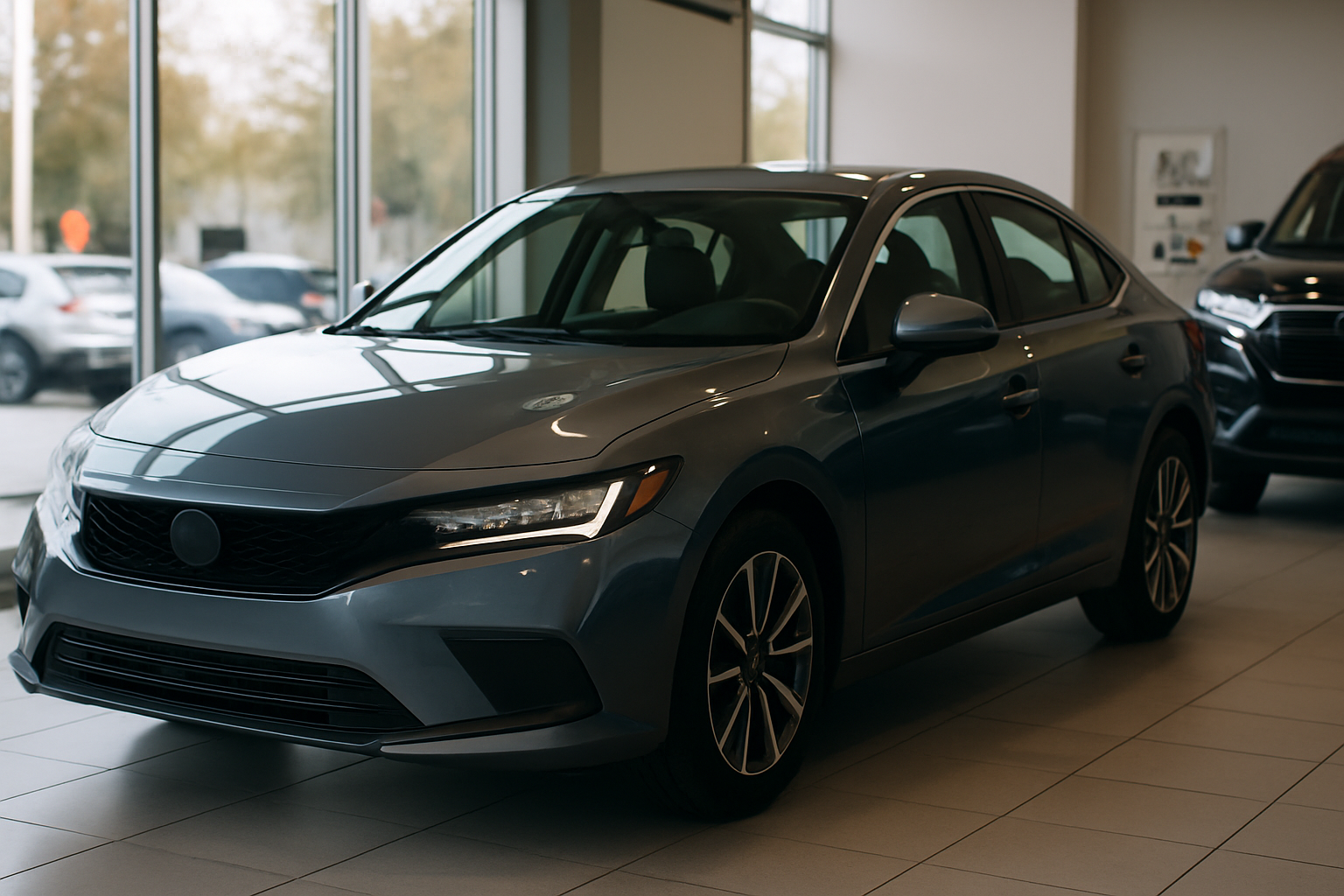
Car dealerships make significant profits from add-on services that sound impressive but deliver minimal value. These extras can add thousands to your final price, yet most provide benefits you can achieve yourself for a fraction of the cost or offer protection that’s largely unnecessary.
Why Dealers Push These Add-Ons
Dealerships earn razor-thin margins on new car sales. The real money comes from financing, trade-ins, and service add-ons. These extras often carry profit margins of 80% or higher, making them extremely attractive to sales staff who earn commissions on each sale.
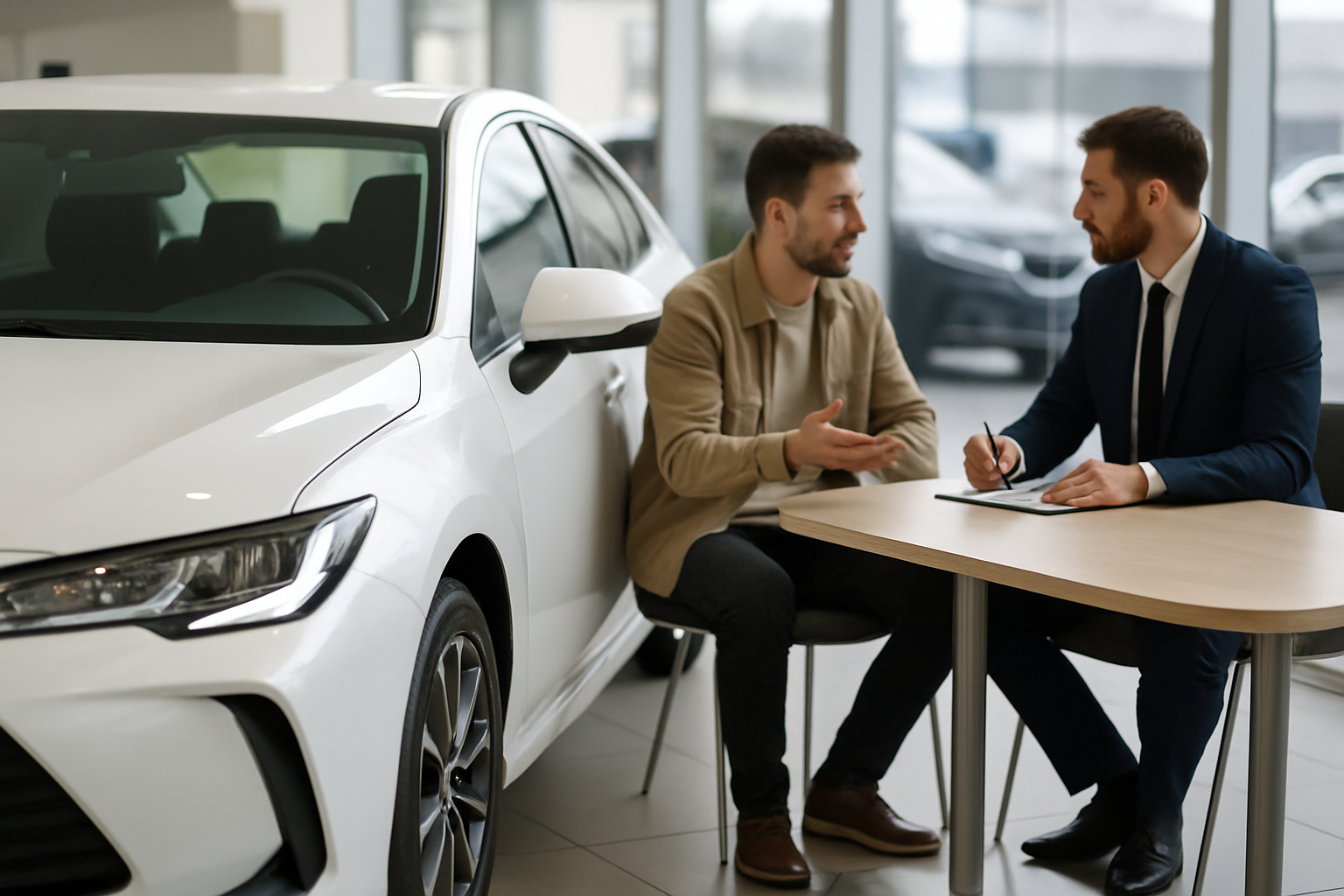
The finance office presentation typically happens when you’re already mentally committed to the purchase. You’ve spent hours negotiating the car price, and suddenly you’re presented with several “protection packages” that seem reasonably priced compared to your overall investment.
Fabric Protection: Overpriced Scotchgard
Dealers charge between $200 and $800 for fabric protection services that essentially apply a stain-resistant coating to your upholstery. This treatment is nearly identical to consumer products like Scotchgard Fabric Protector, which costs under $15 per can at any auto parts store.
The dealer application process involves spraying or wiping a protective solution onto seats, carpets, and other fabric surfaces. You can achieve the same results by thoroughly cleaning your interior and applying a quality fabric protector yourself.
Modern vehicles already come with factory-treated fabrics that resist stains reasonably well. Unless you regularly transport muddy dogs or small children who spill frequently, the additional protection provides minimal benefit.
Your money is better spent on quality floor mats and seat covers if you’re concerned about wear and staining. These physical barriers offer superior protection and cost significantly less than dealer fabric treatments.
Paint Sealant: Expensive Wax Alternative
Paint sealant services typically cost $500 to $1,500 and promise years of protection against UV rays, bird droppings, and environmental contaminants. While paint protection has merit, dealer applications rarely justify their premium pricing.
Most dealer sealants are synthetic polymer coatings similar to products available at automotive retailers. A quality ceramic coating kit from Chemical Guys or Meguiar’s costs under $100 and provides comparable protection when properly applied.
The key issue with dealer paint protection isn’t the product quality but the application timing. Dealers often apply sealants immediately after delivery, without proper paint preparation. Effective paint protection requires thorough washing, clay bar treatment, and sometimes polishing to remove contaminants.
Professional detailers charge $300 to $800 for ceramic coating applications that include proper surface preparation. This investment provides better protection than most dealer sealants while costing significantly less.
VIN Etching: Security Theater
VIN etching involves acid-etching your vehicle identification number onto windows and sometimes body panels. Dealers charge $200 to $500 for this service, claiming it deters theft and helps with recovery.
Modern vehicle theft primarily targets high-demand parts like catalytic converters or involves sophisticated key cloning techniques. Professional car thieves aren’t deterred by etched windows, and insurance companies rarely offer meaningful discounts for VIN etching.
The etching process itself takes less than 30 minutes and uses inexpensive acid compounds. Several companies sell DIY VIN etching kits for under $25, making the dealer markup particularly egregious.
Your insurance policy already covers theft, and comprehensive coverage typically includes replacement vehicle costs regardless of VIN etching. The money spent on this add-on would be better applied toward lowering your deductible or increasing coverage limits.
Nitrogen-Filled Tires: Marginal Benefits
Dealers charge $100 to $300 to fill your tires with nitrogen instead of regular air. They tout benefits like better pressure retention, improved fuel economy, and reduced wheel corrosion.
Regular air contains approximately 78% nitrogen already. The remaining 22% consists mainly of oxygen and trace gases. While nitrogen molecules are slightly larger and escape through tire rubber more slowly, the practical difference is minimal for typical driving.
Racing teams and aircraft use nitrogen because they operate in extreme conditions where small pressure variations matter significantly. Your daily commute doesn’t create these demanding circumstances.
Proper tire maintenance involves checking pressures monthly regardless of inflation gas. A quality tire pressure gauge costs under $20 and provides more value than nitrogen fills. Most tire shops and gas stations offer free air, making pressure maintenance essentially cost-free.
If you’re concerned about fuel economy and tire wear, focus on maintaining proper pressure and alignment. These factors have much greater impact than inflation gas composition.
Pinstriping: Outdated Aesthetic
Decorative pinstriping costs $200 to $800 depending on complexity and coverage area. This aesthetic modification involves applying thin colored lines along body panels, doors, and trim pieces.
Pinstriping peaked in popularity during the 1980s and 1990s but looks dated on modern vehicle designs. Current automotive styling emphasizes clean lines and minimal decoration, making pinstripes appear out of place.
The application process uses vinyl strips or painted lines that can fade, peel, or crack over time. Removal often requires careful heating and scraping that may damage underlying paint if done incorrectly.
Custom pinstriping from specialized shops costs significantly less than dealer installations and offers better design flexibility. However, most buyers find their vehicles look better without additional decoration.
Better Alternatives for Your Money
Instead of purchasing dealer add-ons, consider these alternatives that provide genuine value:
Extended warranties from reputable third-party providers often cost less than dealer packages while offering comparable coverage. Research companies like Endurance or CarShield for competitive options.
Quality accessories like all-weather floor mats, cargo organizers, and phone mounts enhance daily usability. Brands like WeatherTech and Husky Liners offer superior fit and durability compared to generic dealer accessories.
Professional detailing provides better paint protection and interior treatment than dealer packages. Establish a relationship with a local detailer for ongoing maintenance services.
Comprehensive insurance coverage protects against theft, damage, and accidents more effectively than VIN etching or other security add-ons. Review your policy annually to ensure adequate protection.
Negotiation Strategies
When dealers present add-on packages, request itemized pricing for each service. This transparency reveals the true cost of individual items and helps you make informed decisions.
Decline package deals that bundle multiple services together. These packages often include items you don’t want or need, subsidized by inflated pricing on useful services.
Remember that add-ons are highly negotiable, unlike vehicle pricing which has smaller margins. If you want specific services, offer to pay 30-40% of the quoted price and be prepared to walk away.
The finance manager may claim certain add-ons are required for financing approval. This is false, and you should request documentation of any such requirements from the lender directly.
FAQ Section
Can I cancel dealer add-ons after purchase?
Some add-ons can be cancelled within specific timeframes, typically 30-60 days. Extended warranties and service contracts are usually cancellable, while physical modifications like pinstriping or paint treatments cannot be undone easily. Check your purchase agreement for cancellation terms and contact the dealer promptly if you want to reverse any add-ons.
Do dealer add-ons affect my factory warranty?
Properly applied dealer add-ons shouldn’t void your factory warranty, but poorly executed modifications might cause issues. VIN etching and pinstriping involve permanent alterations that could affect warranty claims if they cause damage. Paint sealants and fabric protection are generally safe but should be documented in your service records.
Will skipping add-ons hurt my trade-in value?
Most dealer add-ons provide zero trade-in value because they’re considered standard maintenance or personal preferences. VIN etching and fabric protection don’t increase resale appeal, while pinstriping might actually reduce value if it looks dated. Focus on maintaining your vehicle’s mechanical condition and appearance rather than purchasing add-ons for resale purposes.
Are there any dealer add-ons worth buying?
Extended warranties can provide value if purchased at reasonable prices and from reputable providers. Gap insurance is worthwhile if you’re financing a large portion of the purchase price. Window tinting might be cost-competitive with aftermarket shops depending on film quality and warranty terms. Evaluate each add-on based on your specific needs and local market pricing.
This article contains affiliate links. If you purchase through these links, we may earn a small commission at no extra cost to you.
Leave a Reply