
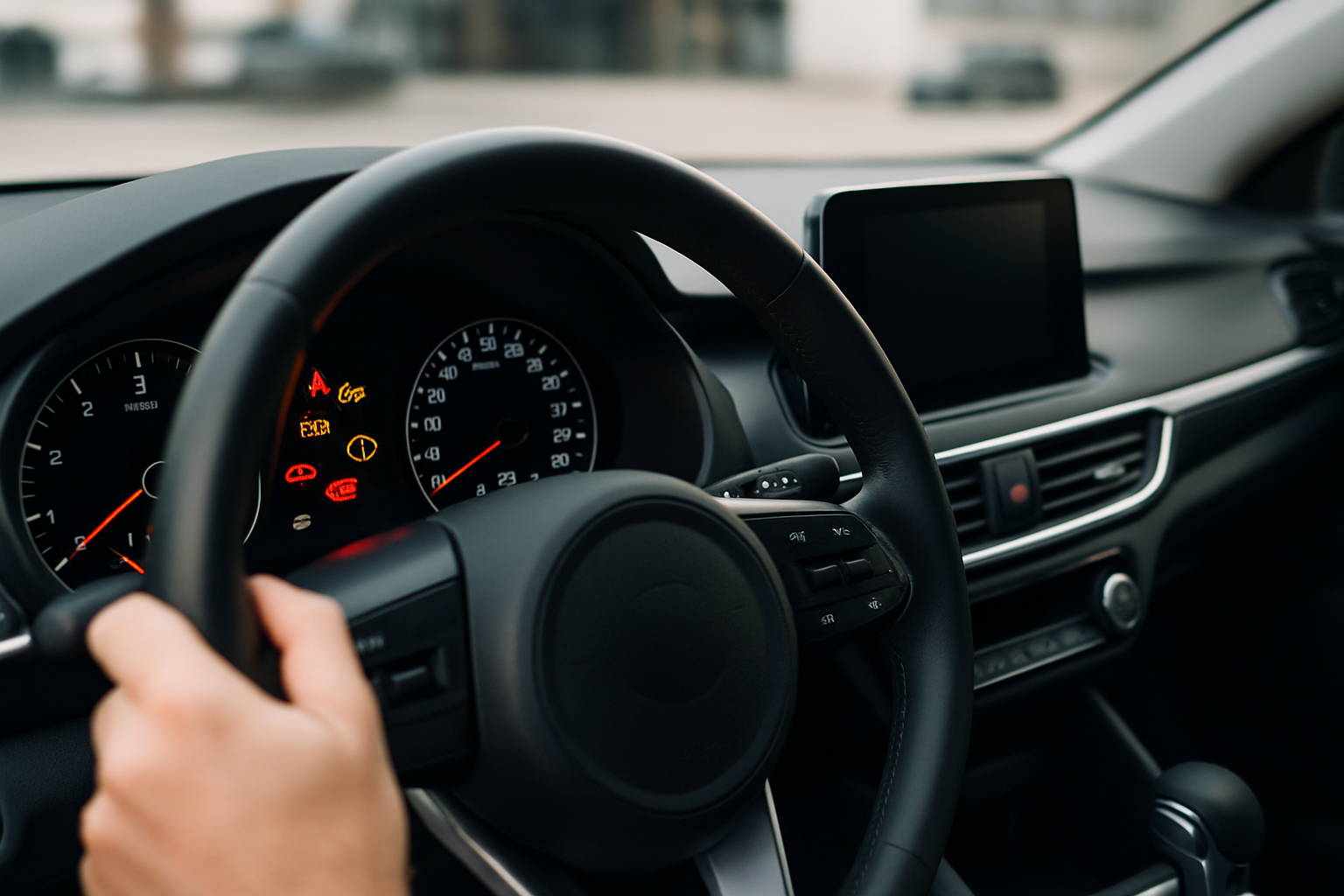
Your dashboard is constantly communicating with you, but most drivers don’t speak the language of warning lights. When one of those mysterious symbols suddenly appears, you’re left wondering whether to pull over immediately or just make a mental note to check it out later. Understanding these visual cues can save you from costly repairs, prevent dangerous breakdowns, and give you confidence behind the wheel.
The Color-Coded System Every Driver Should Know
Car manufacturers use a universal color system that works like a traffic light. Red warning lights mean stop driving immediately and address the problem before continuing. Yellow or amber lights indicate you should schedule service soon, but you can typically continue driving with caution. Green and blue lights are purely informational, letting you know a system is active.
This color coding isn’t arbitrary. Red lights signal issues that could cause immediate engine damage, compromise your safety, or leave you stranded. Yellow lights warn about problems that will worsen over time if ignored. Learning this basic system helps you make smart decisions when warning lights appear.
Critical Red Warning Lights: Stop Driving Now
Oil Pressure Warning Light
The oil pressure light looks like an old-fashioned oil can or teapot and glows red when your engine isn’t getting adequate lubrication. This is one of the most serious warnings your car can give you. Without proper oil pressure, metal engine components grind against each other, causing thousands of dollars in damage within minutes.
If this light comes on while driving, pull over safely as quickly as possible and shut off the engine. Check your oil level with the dipstick. If it’s low, you might have a leak or haven’t changed your oil recently enough. If the oil level appears normal, you likely have a failing oil pump or pressure sensor.
Don’t attempt to drive to a repair shop with this light on. Call for a tow truck instead. The cost of towing is minimal compared to rebuilding or replacing an engine.
Engine Temperature Warning Light
The temperature warning light typically shows a thermometer in coolant or the word “TEMP” and illuminates when your engine is overheating. Modern engines operate within precise temperature ranges, and excessive heat warps metal components, blows head gaskets, and can destroy the entire engine block.
When you see this light, stop driving immediately and turn off the engine. Let the car sit for at least 30 minutes before opening the hood. Check the coolant reservoir when the engine is completely cool. Never remove the radiator cap on a hot engine, as pressurized coolant can cause severe burns.
Common causes include coolant leaks, a failing water pump, broken cooling fans, or a stuck thermostat. Like oil pressure issues, overheating requires immediate attention and professional diagnosis.
Battery/Charging System Warning Light
The battery warning light shows a battery symbol or the letters “ALT” or “GEN.” Despite its name, this light usually indicates charging system problems rather than a dead battery. Your alternator isn’t generating enough electricity to power the car’s systems and recharge the battery.
You can often drive a short distance with this light on, but your car is running entirely on battery power. Modern vehicles consume significant electricity for fuel injection, ignition, and electronic systems. Depending on your battery’s condition, you might have 15 minutes to several hours before the car stops running.
Get to a repair shop immediately if this light appears. If you’re far from help, turn off non-essential electrical items like air conditioning, radio, and heated seats to conserve battery power.
Important Yellow/Amber Warning Lights: Service Soon
ABS Warning Light
The ABS light shows the letters “ABS” and indicates problems with your anti-lock braking system. When this light is on, your regular brakes still work normally, but you won’t have ABS assistance during emergency stops. This means your wheels might lock up and skid on slippery surfaces.
You can continue driving with the ABS light on, but schedule service within a few days. The problem could be a faulty wheel speed sensor, damaged wiring, or issues with the ABS control module. These repairs range from relatively inexpensive sensor replacements to costly module rebuilds.
Drive more cautiously than usual, especially in wet or icy conditions. Leave extra following distance and brake gently to avoid wheel lockup.
Airbag Warning Light
The airbag warning light displays a seated figure with a deployed airbag or simply says “SRS” (Supplemental Restraint System). This light indicates your airbags might not deploy properly in a crash, significantly increasing injury risk for all occupants.
While you can drive with this light on, it represents a serious safety concern. Schedule repairs as soon as possible. Common causes include faulty seat sensors, damaged wiring under the seats, or problems with the airbag control module.
Avoid aggressive driving and be extra cautious at intersections when this light is active. Your airbags are a critical safety system, and repairs shouldn’t be delayed indefinitely.
Tire Pressure Monitoring System (TPMS) Light
The TPMS light looks like a tire cross-section with an exclamation point inside. This system monitors air pressure in all four tires and warns you when pressure drops significantly below recommended levels.
You can continue driving when this light appears, but check your tire pressures as soon as possible. Underinflated tires reduce fuel economy, wear unevenly, and increase blowout risk. The light might come on during temperature changes, as tire pressure drops about 1 PSI for every 10-degree temperature decrease.
Use a tire pressure gauge to check all four tires plus your spare. Inflate them to the pressure specified on the door jamb sticker, not the maximum pressure printed on the tire sidewall. If pressures are correct but the light remains on, you might have a faulty sensor or slow leak.
Information Lights: Green and Blue Indicators
Green lights indicate normal system operation. You’ll see green lights for turn signals, headlights, and cruise control when these systems are active. These lights confirm everything is working correctly.
Blue lights typically show when high-beam headlights are on. This bright blue light reminds you to dim your headlights for oncoming traffic. Some newer vehicles use blue lights for other premium features like automatic high beams.
What to Do When Multiple Warning Lights Appear
Sometimes several warning lights illuminate simultaneously, which can be overwhelming. Multiple lights often indicate related problems. For example, if your alternator fails, you might see the battery light, power steering light, and ABS light all come on together.
Focus on red lights first and address them immediately. If you see both red and yellow lights, treat the situation as an emergency and stop driving. Multiple warning lights usually signal serious problems that require professional diagnosis.
Write down which lights are on or take a photo with your phone. This information helps mechanics diagnose problems more efficiently and can save you money on diagnostic fees.
Common Warning Light Myths and Misconceptions
Many drivers believe disconnecting the battery will reset warning lights permanently. While this might turn off some lights temporarily, it doesn’t fix underlying problems. Most warning lights return quickly when the car’s computer detects the same issue.
Another common myth is that yellow warning lights aren’t important. While they’re not as urgent as red lights, ignoring yellow warnings often leads to more expensive repairs. A yellow engine light today might become a red temperature warning tomorrow if you ignore a cooling system problem.
Some people think older cars are more reliable because they have fewer warning lights. Modern warning systems actually prevent many problems that would have caused sudden breakdowns in older vehicles. These lights are your early warning system, not a sign of poor reliability.
When Warning Lights Indicate False Alarms
Occasionally, warning lights appear due to electrical glitches or sensor malfunctions rather than actual mechanical problems. However, you should never assume a warning light is false without proper diagnosis.
If a warning light comes on immediately after someone else worked on your car, call them first. They might have forgotten to reconnect a sensor or clear computer codes after repairs.
Extreme weather can sometimes trigger false warnings. Very cold temperatures might activate the TPMS light even when tire pressures are acceptable. Hot weather can occasionally cause temporary sensor readings that trigger warning lights.
Building Your Dashboard Awareness
Make checking your dashboard part of your regular driving routine. Glance at warning lights when you start the car and periodically while driving. Most warning lights illuminate briefly when you start the engine to confirm they’re working properly.
Keep your owner’s manual in the glove compartment or download the digital version to your phone. Every car uses slightly different symbols, and your manual shows exactly what each light means for your specific vehicle.
Consider keeping basic emergency supplies in your car: a flashlight, basic tools, jumper cables, and coolant. While you shouldn’t attempt major repairs yourself, having these items can help in minor situations or while waiting for professional help.
Frequently Asked Questions
Can I drive with the check engine light on?
If the check engine light is steady yellow, you can usually continue driving but should schedule service within a week. If the light is flashing red, stop driving immediately as this indicates severe misfiring that can damage your catalytic converter.
Why do some warning lights come on in cold weather?
Cold temperatures affect various car systems. TPMS lights often appear when temperatures drop because tire pressure decreases. Battery and charging system lights might appear if your battery is weak, as cold weather reduces battery capacity.
How much do warning light repairs typically cost?
Repair costs vary enormously depending on the underlying problem. Simple fixes like adding oil or inflating tires cost almost nothing. Major repairs like engine rebuilds, transmission problems, or airbag system issues can cost thousands of dollars.
Should I continue driving to my regular mechanic if a warning light appears?
Only if the light is yellow and you’re already close to your destination. Red warning lights require immediate attention regardless of location. Find the nearest safe place to stop and call for help rather than risking severe damage by continuing to drive.
This article contains affiliate links. If you purchase through these links, we may earn a small commission at no extra cost to you.
Leave a Reply