
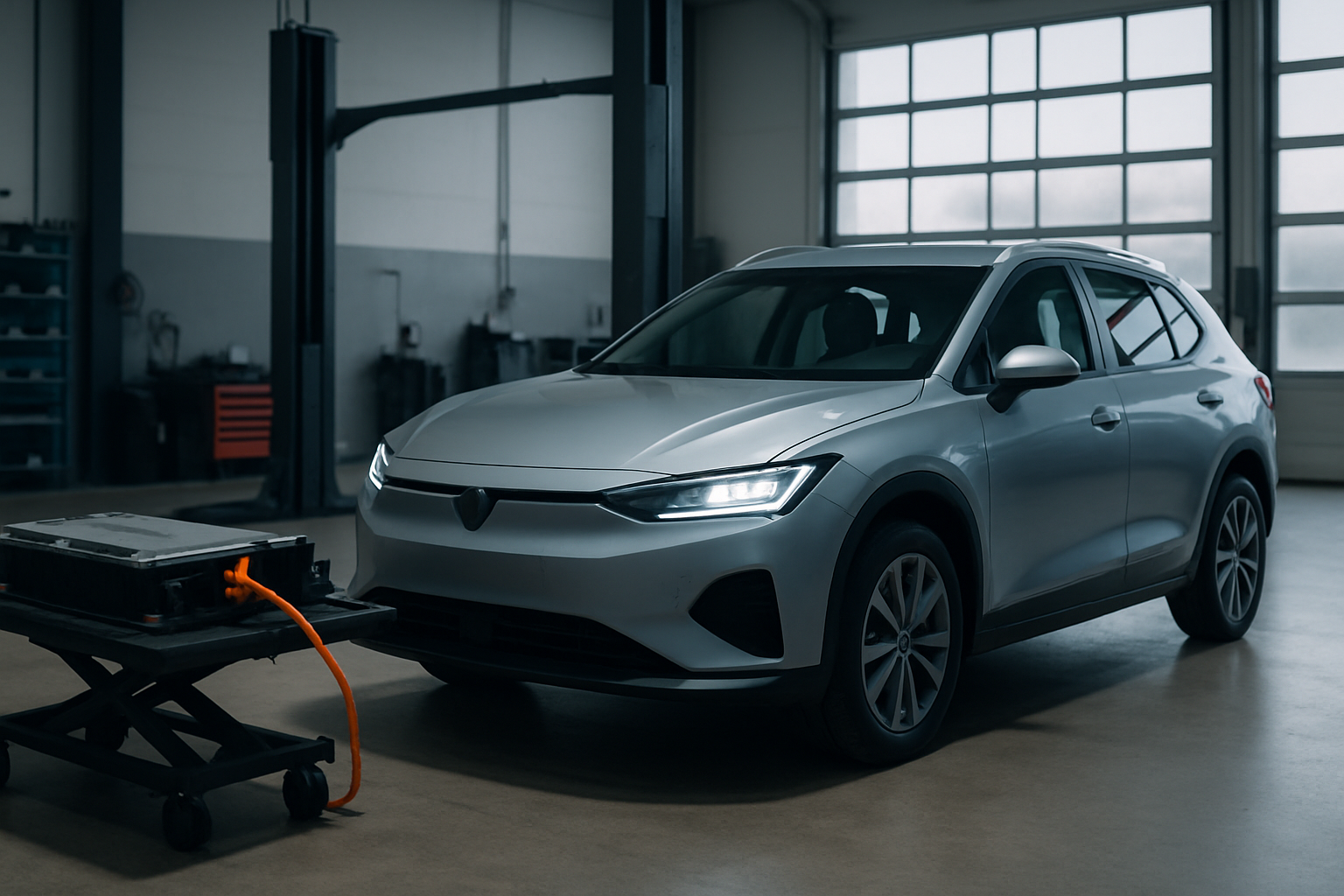
Electric vehicle owners increasingly worry about battery replacement costs as their cars age. With EVs becoming mainstream, understanding these expenses helps you make informed decisions about keeping your current vehicle versus buying new.
Battery replacement represents the largest potential maintenance cost for any electric vehicle, often rivaling the price of a used car.
Current EV Battery Replacement Costs by Brand
Tesla owners face the steepest replacement costs, with battery packs running between $12,000 and $20,000 depending on your model. A Model S or Model X battery sits at the higher end of this range, while Model 3 and Model Y replacements typically cost $12,000 to $15,000.
Nissan Leaf batteries cost considerably less, ranging from $8,000 to $14,000 for a complete replacement. The older 24kWh and 30kWh packs cost less than the newer 40kWh and 62kWh versions, but you’ll get significantly more range with the larger batteries.
Chevrolet Bolt owners can expect to pay between $8,000 and $16,000 for a new battery pack. GM has been competitive with their replacement pricing, especially considering the Bolt’s impressive 259-mile EPA range.
How Warranty Coverage Protects You
Every electric vehicle sold in the United States comes with an 8-year, 100,000-mile battery warranty. This federal requirement covers significant capacity loss or complete battery failure during the warranty period.
Most manufacturers define battery failure as losing more than 30% of original capacity within the warranty timeframe. Tesla and several other brands offer even better coverage, replacing batteries that drop below 70% capacity.
Keep detailed charging records and have your battery tested annually after year five. Documentation helps if you need to file a warranty claim for gradual capacity loss.
Why Battery Costs Vary So Much
Battery size directly impacts replacement cost. A Tesla Model S Long Range uses a 100kWh battery pack, while a standard Nissan Leaf uses just 40kWh. You’re essentially buying 2.5 times more battery capacity with the Tesla.
Battery chemistry also affects pricing. Tesla uses more expensive lithium-ion cells with nickel, cobalt, and aluminum. Cheaper EVs often use lithium iron phosphate batteries that cost less but offer lower energy density.
Labor costs add $1,000 to $3,000 to most battery replacements. The job requires specialized equipment and certified technicians, which limits where you can have the work done.
Third-Party and Refurbished Options Emerging
Independent shops now offer refurbished EV batteries for 40-60% less than dealer prices. Companies like Green Bean Battery and Bumblebee Batteries refurbish Tesla and Nissan batteries using good cells from damaged packs.
These refurbished batteries typically come with 2-3 year warranties instead of the 8-year coverage you’d get with a new pack. For older vehicles outside their original warranty period, refurbished batteries make financial sense.
Cell-level replacement services can fix batteries with isolated failures. Instead of replacing the entire pack, technicians replace only the damaged modules, cutting costs by 50-70%.
What to Expect from Refurbished Batteries
Refurbished batteries typically restore 85-95% of original capacity. While not quite like new, this capacity level provides adequate range for most daily driving needs.
Installation takes the same amount of time as a new battery replacement. Most shops complete the work in 4-6 hours, though some vehicles require overnight service.
Quality varies between providers, so research customer reviews and warranty terms carefully. Reputable companies test each refurbished pack extensively before installation.
DIY Battery Replacement: Possible but Risky
EV batteries operate at 300-400 volts and can cause serious injury or death if handled improperly. Most insurance companies won’t cover damage from DIY high-voltage electrical work.
You’ll need specialized safety equipment including insulated gloves rated for high voltage, safety glasses, and proper lifting equipment. Battery packs weigh 800-1,200 pounds and require professional lifting tools.
Some Tesla owners have successfully replaced their own batteries using salvage packs from insurance auctions. This approach can save $5,000-8,000 but voids any remaining warranty coverage.
Battery Replacement vs. Vehicle Value
Consider your vehicle’s current market value before committing to battery replacement. A 2016 Nissan Leaf worth $8,000 doesn’t justify a $12,000 battery replacement.
Tesla vehicles hold their value better, making battery replacement more economically viable. A 2018 Model S worth $35,000 can justify a $15,000 battery replacement, especially with 8-year warranty coverage.
Factor in other potential repairs your aging EV might need. Door handles, air conditioning, and other components may require expensive fixes within the next few years.
How to Extend Your Current Battery Life
Avoid charging to 100% daily unless you need maximum range. Most manufacturers recommend staying between 20-80% charge for daily use, only charging to 100% for long trips.
Minimize DC fast charging when possible. While convenient, frequent fast charging generates heat that degrades battery chemistry faster than slower AC charging.
Park in shade or garages during extreme weather. Batteries last longer when kept at moderate temperatures, whether hot summer days or freezing winter nights.
Monitoring Battery Health
Most EVs display current battery capacity in their infotainment systems. Check this reading monthly and document any significant drops in available capacity.
Third-party apps like TeslaFi or LeafSpy provide more detailed battery analytics. These tools track individual cell voltages and can identify problems before total failure occurs.
Annual battery health checks at your dealer cost $100-200 but provide professional assessment of remaining capacity and projected lifespan.
Insurance Considerations for Battery Replacement
Comprehensive insurance covers battery replacement if damaged in accidents, floods, or other covered events. However, gradual capacity loss from normal aging isn’t covered by any insurance policy.
Some insurers offer EV-specific coverage that includes battery protection. These policies cost 10-15% more than standard coverage but may include benefits like loaner EVs during repairs.
Document your battery’s condition with photos and capacity readings. This evidence helps with insurance claims if your battery is damaged in a covered incident.
Future Cost Trends
Battery prices continue dropping as manufacturing scales up globally. Industry experts predict 20-30% lower replacement costs by 2028-2030 as new factories come online.
More independent repair shops will offer EV battery services as vehicles age out of warranty. Competition should drive prices down while improving service availability.
Solid-state batteries entering production around 2027-2028 may offer retrofit opportunities for older EVs. These new batteries promise longer life and faster charging in the same physical space.
Making the Financial Decision
Calculate total ownership costs including battery replacement when buying used EVs. A cheaper used EV may become expensive quickly if the battery needs replacement soon.
Consider leasing if you’re concerned about long-term battery costs. Lease payments often cost less than setting aside money for eventual battery replacement.
Buying a newer EV with remaining warranty coverage eliminates battery replacement risk for several years. The higher purchase price may be offset by warranty protection.
Frequently Asked Questions
Can I upgrade to a larger battery when replacing my EV battery?
Most manufacturers don’t offer battery upgrades during replacement services. The charging system, cooling, and software are calibrated for specific battery capacities. Some third-party companies offer upgrade services for older Tesla vehicles, but these modifications may void warranties and affect safety certifications.
How long do EV batteries actually last before needing replacement?
Most EV batteries retain 80% or more of their original capacity after 8-10 years of typical use. Complete battery failure requiring immediate replacement is rare within the first decade. Many Tesla Model S vehicles from 2012-2013 still operate on their original batteries with 70-80% capacity remaining.
Does cold weather permanently damage EV batteries?
Cold temperatures reduce available range but don’t cause permanent damage to healthy batteries. However, repeatedly charging a cold battery without preconditioning can accelerate capacity loss over time. Most modern EVs automatically warm the battery before charging to prevent damage.
Are there financing options for EV battery replacement?
Many dealerships offer financing for major repairs including battery replacement. Tesla provides financing options through their service centers, and some credit unions offer specialized EV repair loans. Extended warranty companies also cover battery replacement, though these policies can be expensive for older vehicles.
This article contains affiliate links. If you purchase through these links, we may earn a small commission at no extra cost to you.
Leave a Reply