
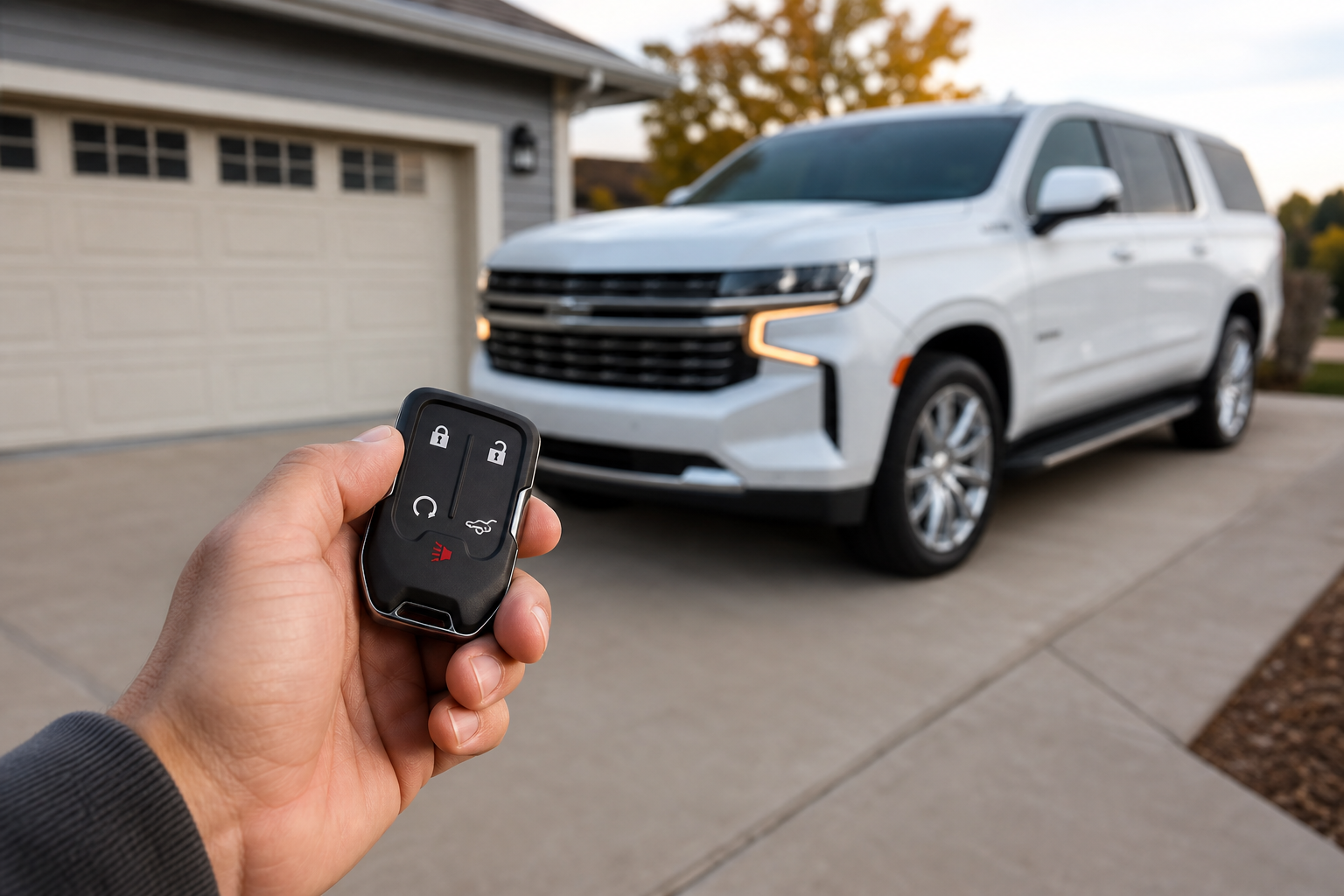
Your Chevy Tahoe sitting in the driveway, refusing to fire up when you hit that remote start button, is one of the more annoying problems a full-size SUV owner can run into. You press the button, maybe you hear a chirp, maybe you don’t, and nothing happens. Before you assume something’s seriously wrong under the hood, know that most remote start failures on the Tahoe come down to a handful of predictable causes that you can check in under ten minutes.
This guide walks through the fastest checks first, then moves into the more involved troubleshooting for both factory-installed remote start systems and aftermarket units. By the end, you’ll know exactly where your Tahoe’s problem is coming from and whether it’s something you can fix yourself or something that needs a shop visit.
Start With the Fast Checks
Before you start pulling fuses or scanning for codes, run through this quick list. Chevy’s remote start system, like most GM setups, has strict requirements that have to be met every single time before it will engage.
- Doors must be closed and locked. The Tahoe won’t remote start if any door, including the liftgate, is left ajar or unlocked.
- Hood must be fully closed. A hood sensor that isn’t reading closed will block the system every time.
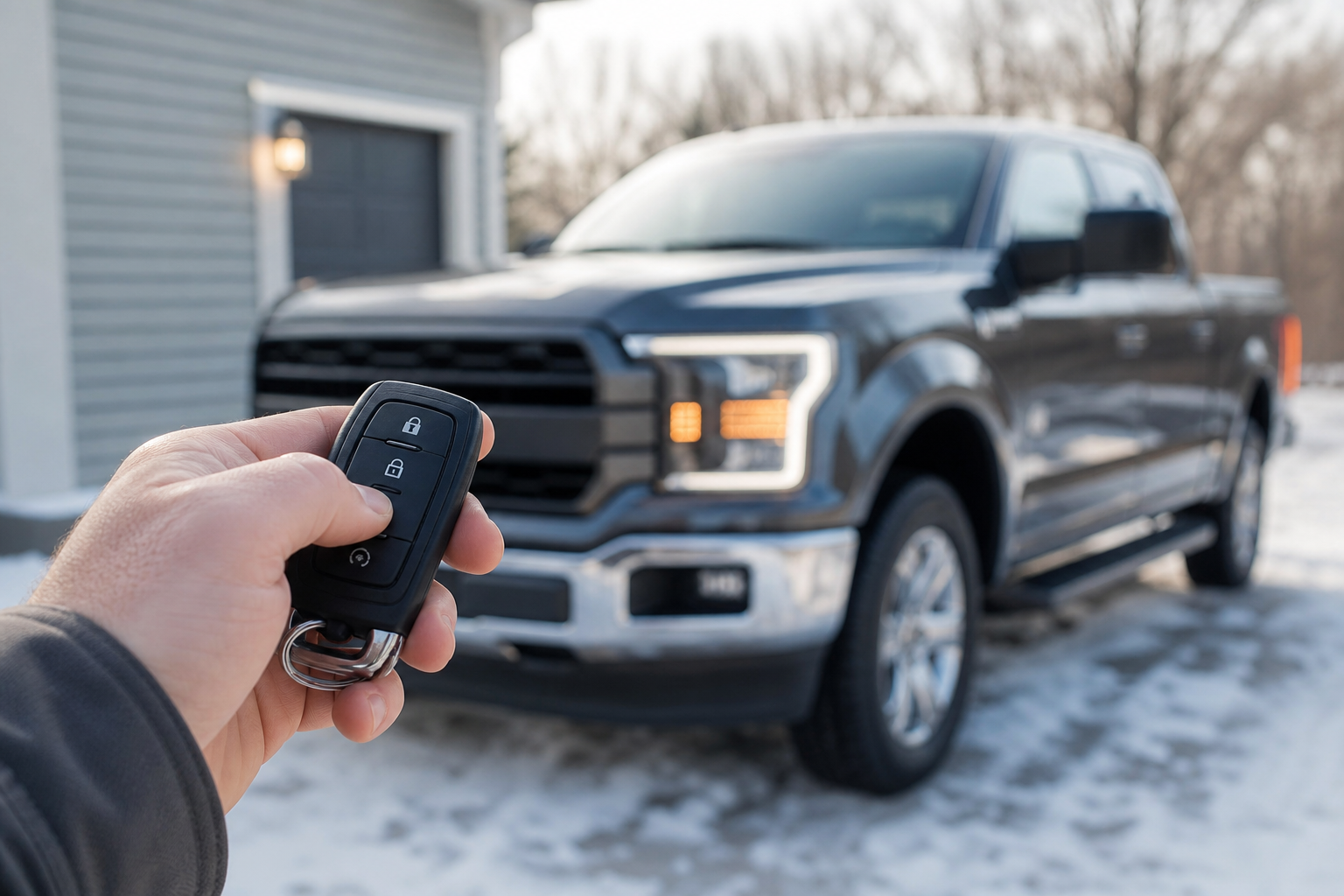
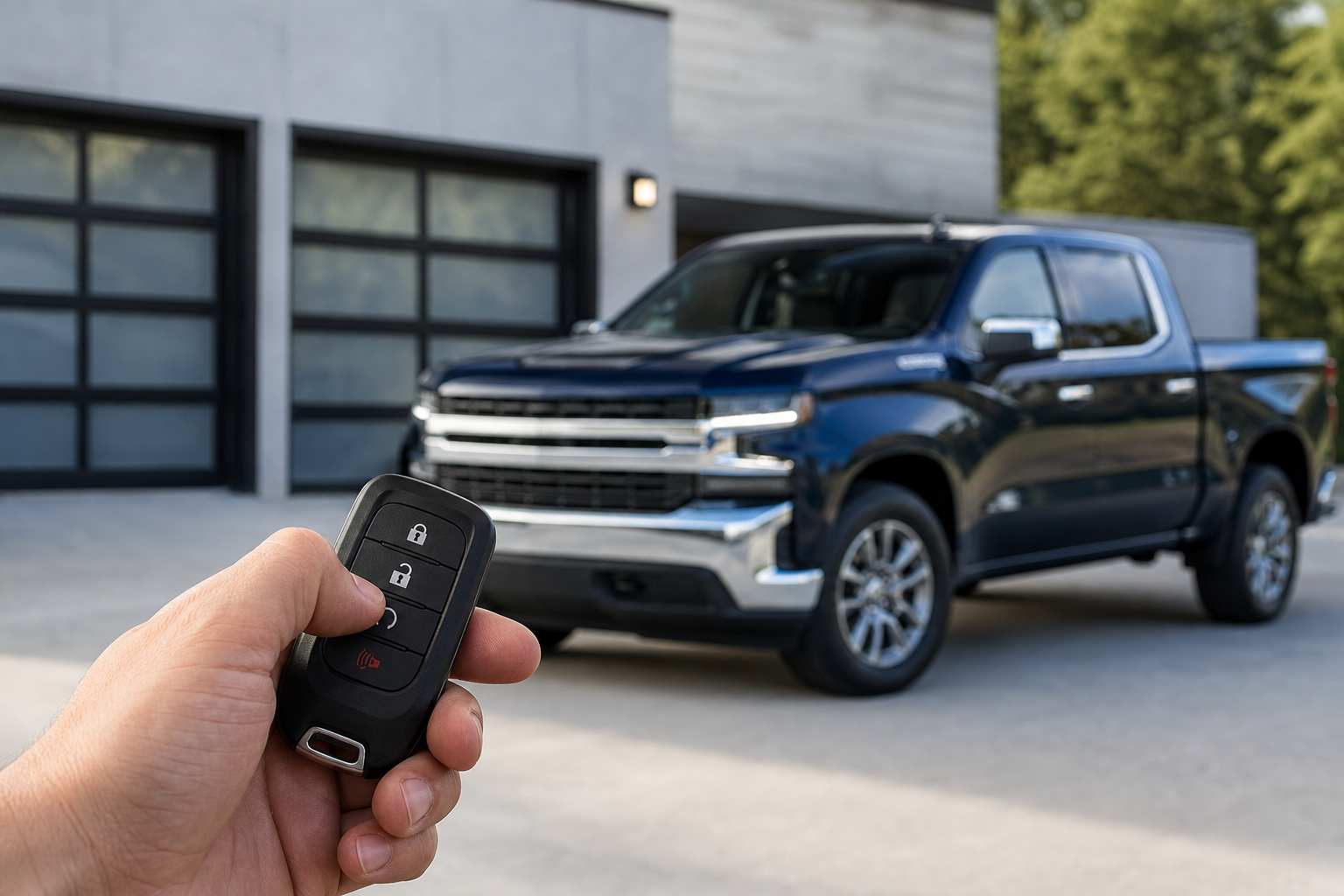
- Key fob sequence matters. On most Tahoe model years, you press the lock button, then press and hold the remote start button (the circular arrow icon) for about two seconds until the parking lights flash twice.
- Transmission must be in Park. This one’s obvious, but it’s worth confirming if someone else drove the vehicle last.
- Fuel level needs to be above roughly a quarter tank. GM builds this in to prevent the vehicle from running itself dry while unattended.
- No active warning lights. A check engine light, low oil pressure warning, or other active fault can suppress remote start entirely.
If you’ve confirmed all of these and it still won’t start, move on to the more specific causes below.
Check the Key Fob Battery First
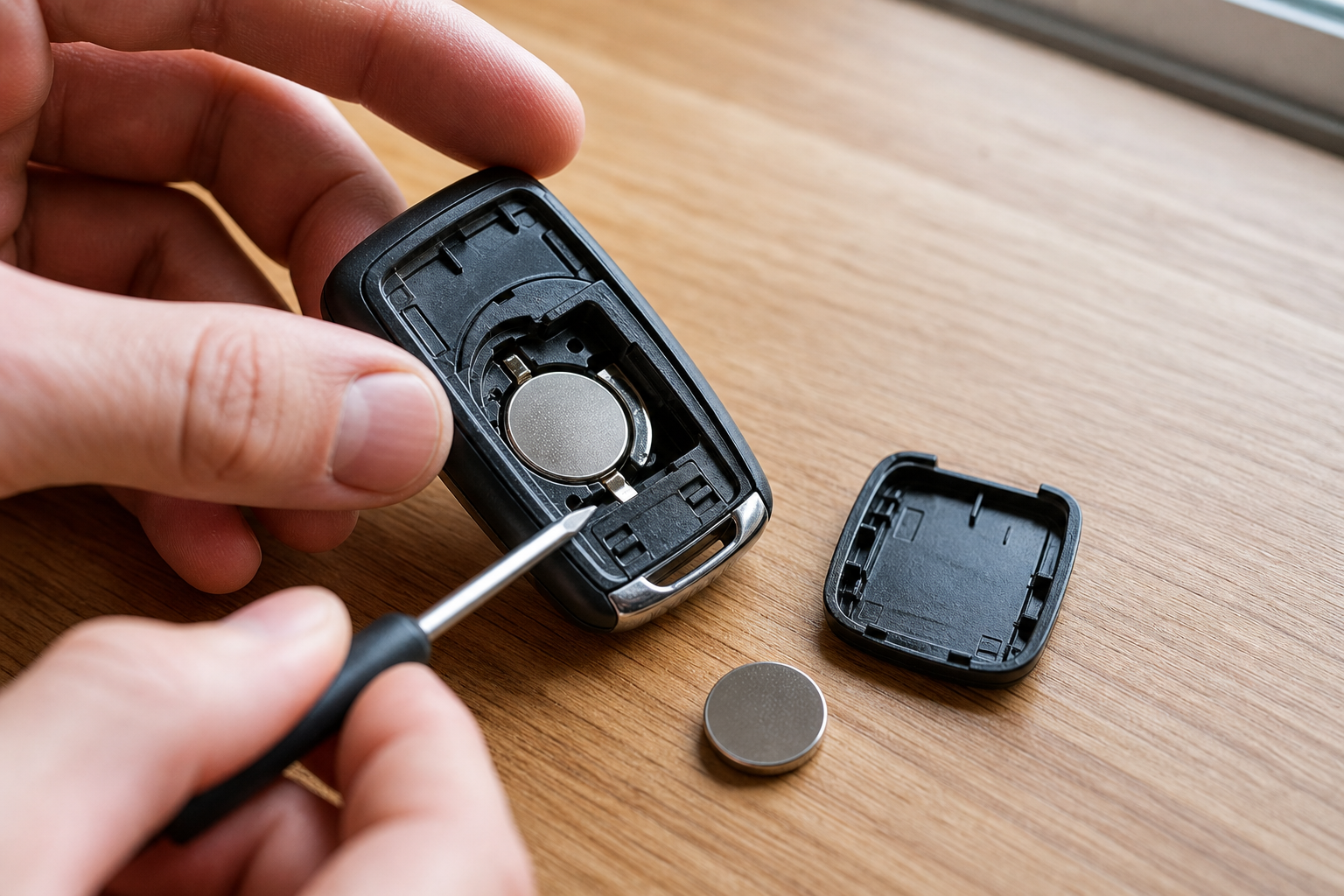
A weak key fob battery is by far the most common reason remote start stops working on a Tahoe. The fob might still unlock your doors from close range because that signal doesn’t need as much power, but remote start requires a stronger, sustained signal that a dying battery can’t reliably produce.
Most Tahoe fobs use a CR2032 coin cell battery. Pop the fob open (there’s usually a small release button or slot on the back), swap the battery, and try again. If you’re not sure how old the current battery is, just replace it. It only takes a minute.
Chevy Tahoe Key Fob Battery
A fresh CR2032 battery is a cheap fix that solves a surprising number of remote start complaints.
While you’ve got the fob open, check the battery contacts for corrosion or a battery that’s sitting loose. A fob that rattles or has a battery that doesn’t sit flush can cause intermittent remote start failures that come and go, which is often more frustrating to diagnose than a fob that never works at all.
Battery Voltage in the Vehicle Itself
Remote start systems are sensitive to voltage. If your Tahoe’s main battery is weak, aging, or has a bad connection, the vehicle’s computer may refuse to engage the starter remotely even though it would still crank if you turned the key manually. This is a built-in safeguard, not a glitch.
A battery that’s three to five years old and hasn’t been tested lately is a common culprit here, especially heading into cold weather when demand on the battery is highest. If you’ve noticed slower cranking, dimming interior lights, or accessories acting up, get the battery load-tested before you assume the remote start module itself is broken.
We’ve covered a related issue in more detail in Car Battery Dies Overnight But Alternator Is Good, which is worth a read if your Tahoe has been showing any signs of a parasitic drain alongside the remote start problems.
Portable Car Battery Jump Starter
A compact jump starter doubles as a quick way to test if low voltage is behind your remote start failure.
Warning Lights and Diagnostic Trouble Codes
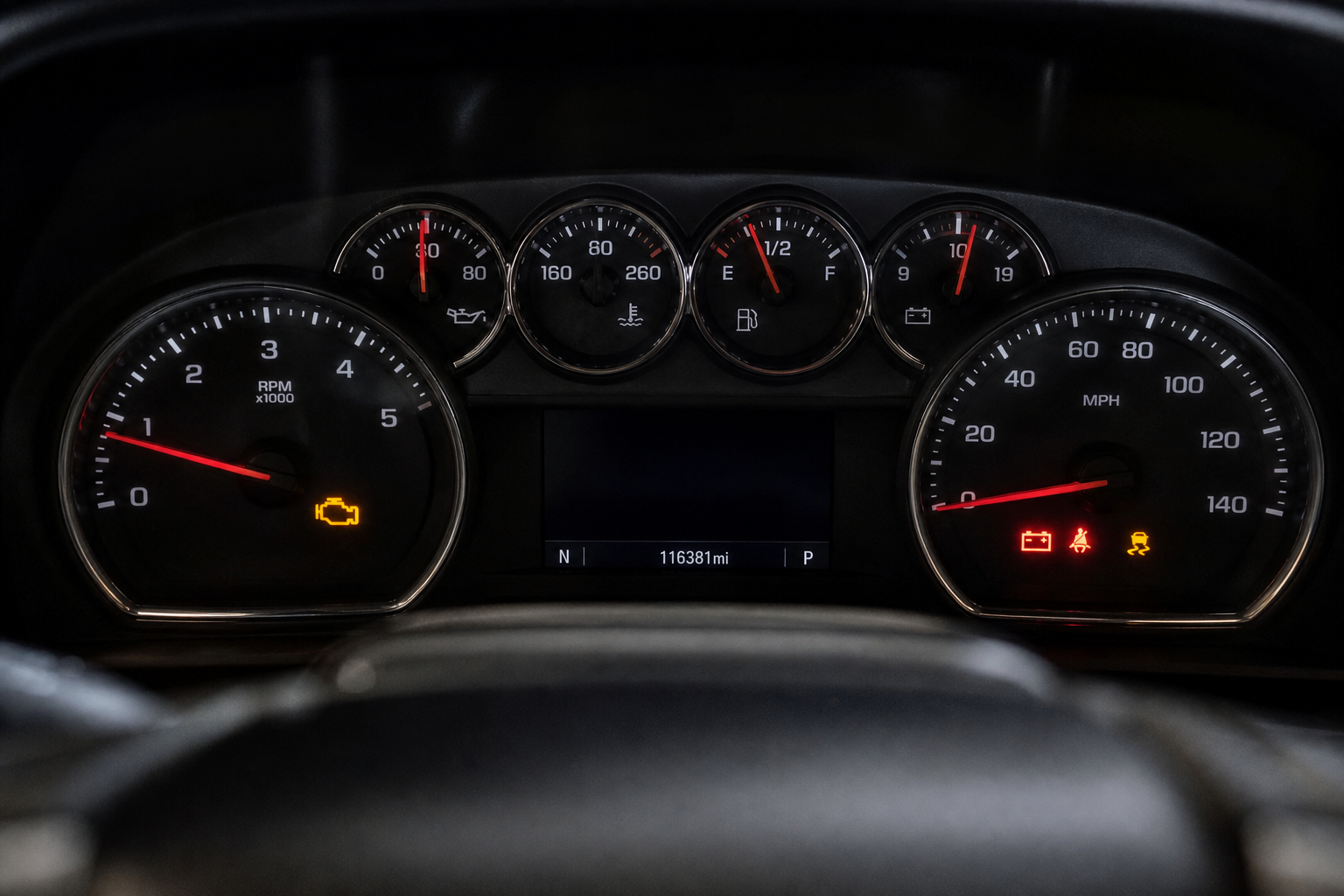
Any active malfunction indicator lamp, whether it’s the check engine light, a TPMS warning, or a low tire pressure alert, can prevent remote start from functioning. GM’s logic treats these as signs the vehicle isn’t in a safe state to start itself unattended.
If your dash has a light on that you’ve been ignoring, that’s likely your answer. A cheap OBD2 scanner will tell you exactly what code is triggering the light so you can decide whether it’s something minor or something that needs immediate attention.
Bluetooth OBD2 Scanner
Pairs with your phone and reads codes instantly, useful for confirming whether a warning light is blocking remote start.
If you’re dealing with a diesel Tahoe or a similar GM diesel platform and you’re seeing a fluid quality warning alongside your remote start issue, it’s worth reading through How to Fix Poor Exhaust Fluid Quality Warning on Chevy Colorado Diesel, since the same emissions-related lockouts can apply across GM’s diesel lineup.
Tire Pressure and TPMS Interference
A low tire pressure warning is one of the more overlooked reasons remote start won’t engage. GM vehicles, including the Tahoe, will sometimes hold off on remote start until the TPMS light clears, especially if pressure has dropped enough to trigger an active alert rather than just a low reading.
Check your tire pressures against the door jamb sticker and top them off if needed. If you’re topping off tires regularly, some GM models will actually honk to confirm when a tire reaches the correct fill level, a feature covered in How to Use the TPMS Tire Fill Alert That Honks When Tires Are Full on GM Vehicles.
Factory Remote Start vs. Aftermarket Systems
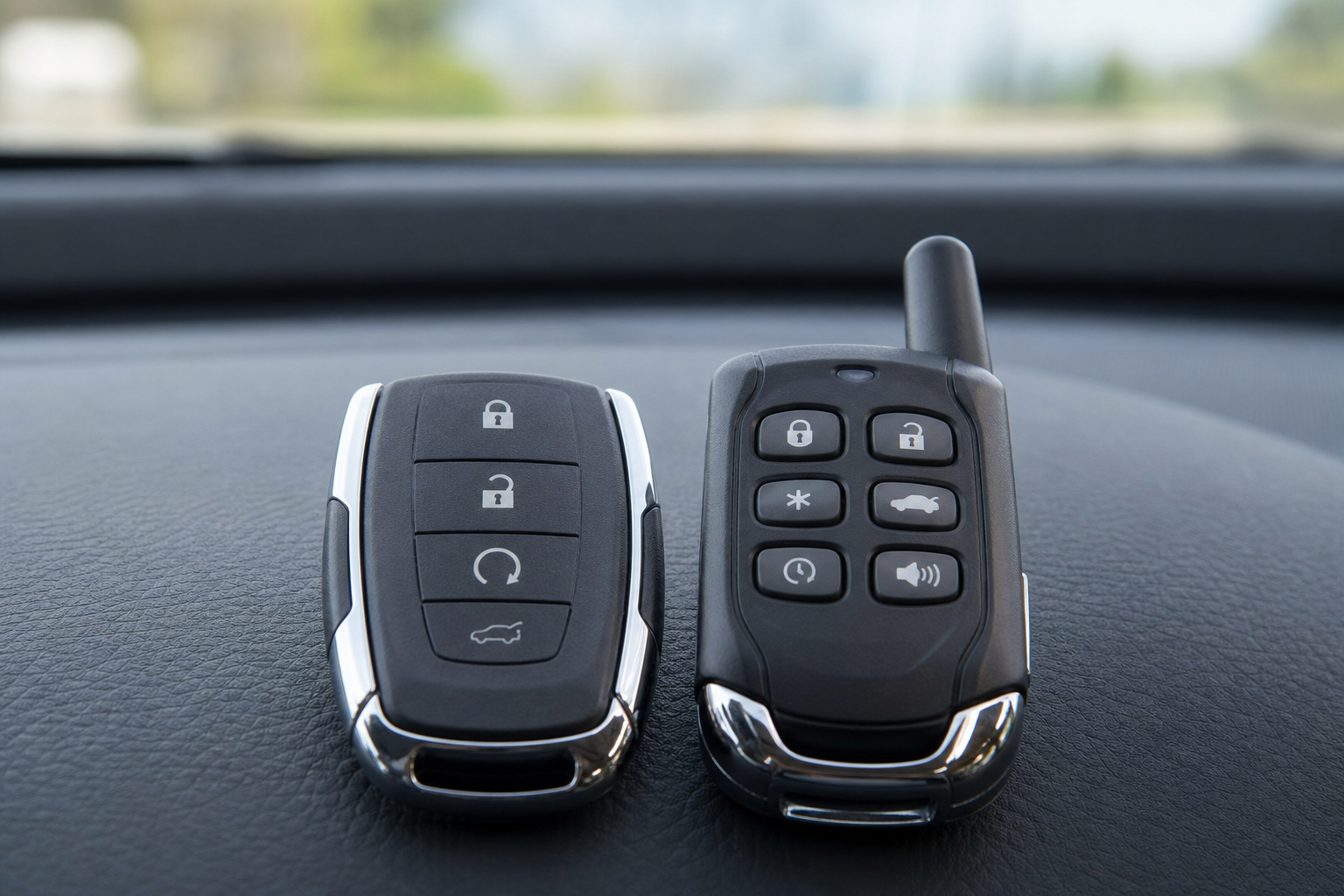
This is where a lot of confusion happens, because the troubleshooting steps are different depending on which type of system you have.
Factory GM Remote Start
If your Tahoe came with remote start built in from the factory (standard on most trims since around 2015), the system is fully integrated with the vehicle’s body control module. That means all the safeguards above (doors, hood, fuel, warning lights) apply automatically and can’t be bypassed. The upside is reliability. The downside is that any one of those conditions being off will stop it cold, with no way around it.
Aftermarket Remote Start Kits
If you or a previous owner installed an aftermarket remote start system, troubleshooting looks different. These systems tap into the vehicle’s wiring separately from the factory computer, which means problems are often traced to a loose wiring connection, a blown fuse specific to the aftermarket module, or a programming issue after a battery disconnect.
Aftermarket units also sometimes lose their programming entirely after the vehicle’s battery is disconnected for service, which means the fob has to be reprogrammed to the module before it’ll work again. If your remote start suddenly stopped working right after a battery replacement or other electrical work, this is the first thing to suspect.
Model Year Differences Worth Knowing
Not every Tahoe behaves identically. The 2015-2020 GMT K2 Tahoe uses a different remote start logic than the 2021-and-newer T1 platform, which introduced tighter integration with the myChevrolet app and, on some trims, a subscription requirement for remote features accessed through the app.
If you’re using the myChevrolet app to remote start rather than the physical key fob, check that your Connected Services or Remote Access plan hasn’t lapsed. GM bundles a trial period with new vehicles, and once that expires, app-based remote start stops working even though the button on the fob still functions normally. This trips up a lot of owners who assume the whole system failed when really it’s just a subscription that quietly expired.
Cold climate owners should also know that extreme cold can cause the fob’s battery to underperform even when it tested fine at room temperature. If your remote start issues seem to worsen specifically in freezing weather, try the fob from closer range or replace the battery before assuming it’s a deeper electrical problem.
When to See a Dealer or Installer
If you’ve worked through every check here and your factory remote start still won’t engage, it’s likely a fault in the body control module or a wiring issue that needs a scan tool beyond a basic consumer OBD2 reader. A dealership has access to GM’s full diagnostic software and can pull manufacturer-specific codes that a generic scanner won’t catch.
For aftermarket systems, go back to whoever installed it if possible. These systems vary enough between brands that a dealer often won’t touch them, and a specialist who knows the specific wiring harness will save you time and diagnostic fees.
Frequently Asked Questions
Why does my Tahoe’s remote start work sometimes but not other times?
Intermittent failures almost always point to a weak key fob battery, a marginal vehicle battery, or a door/hood sensor that isn’t reading consistently. Start by replacing the fob battery since it’s the cheapest and fastest fix to rule out.
Can I remote start my Tahoe with a dead key fob battery using the myChevrolet app?
Yes, as long as your Connected Services subscription is active and your phone has a data connection. The app communicates through cellular and OnStar hardware rather than the fob’s short-range signal, so a dead fob battery won’t affect app-based starts.
Does remote start drain my Tahoe’s battery faster?
Not significantly under normal use. A single remote start session uses roughly the same power as a manual start. If you’re noticing faster battery drain, it’s more likely an unrelated parasitic draw, and it’s worth reviewing the checks in our guide on batteries dying overnight even when the alternator tests fine.
Why does my Tahoe say “remote start disabled” on the display?
This message usually means one of the required conditions isn’t met, most often a door or the hood not being fully closed, low fuel, or an active warning light. Check those first before assuming a mechanical fault.
Remote start problems on a Tahoe are rarely mysterious once you know what the system is checking for behind the scenes. Work through the fob battery, the vehicle’s own battery voltage, any active warning lights, and your subscription status if you’re using the app, and you’ll likely find the answer without ever needing a shop visit. If your Tahoe has other lingering electrical quirks, it’s also worth reading through our guide on Burning Smell From Car: Diagnose the Odor and Fix It to rule out anything more serious while you’re under the hood.
Leave a Reply