
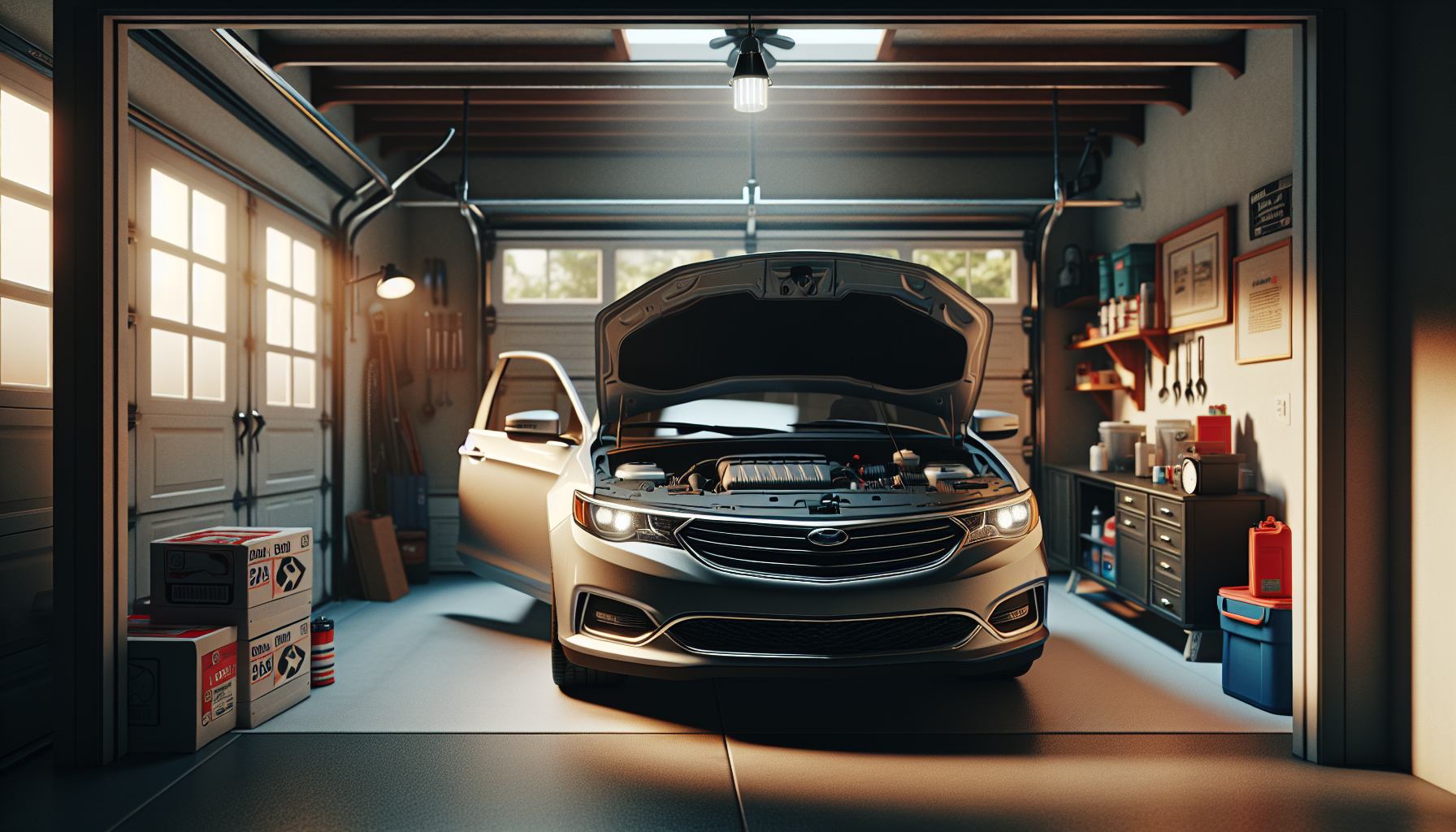
You’re driving along and suddenly the dashboard lights up like a Christmas tree. The “Service StabiliTrak” message appears, maybe with the traction control light right next to it. Sometimes the engine power even cuts back, leaving you limping along at reduced speed.
This is one of the most common issues Chevy Malibu owners face, especially on 2008-2016 models. The problem can range from a simple sensor glitch to a more serious electrical issue. I’ve seen these warnings pop up for everything from a loose gas cap to a failing wheel speed sensor.
Let me walk you through what causes this, how to figure out what’s wrong with your specific car, and what you can do about it without emptying your wallet at the dealership.
Common Causes
StabiliTrak is GM’s version of electronic stability control. It uses wheel speed sensors, steering angle sensors, and other inputs to help keep your car stable. When something in that system goes wrong, the computer throws up warning lights and often disables the system entirely.
Wheel Speed Sensors
These are the most common culprits. Each wheel has a sensor that tells the computer how fast it’s spinning. They’re exposed to road grime, salt, and water, so they fail more often than you’d think. A dirty or corroded sensor connection can trigger the warning even when the sensor itself is fine.
Steering Position Sensor
This sensor tells the car which way you’re steering and how far. It sits in the steering column and can drift out of calibration. Sometimes you need to recalibrate it after a battery disconnect or wheel alignment.
Bad Battery or Alternator
Low voltage makes these systems freak out. If your battery is weak or the alternator isn’t charging properly, you’ll get all sorts of warning lights. The StabiliTrak system is sensitive to voltage drops.
ABS Module Issues
The anti-lock brake system shares components with StabiliTrak. A failing ABS module or pump can trigger both warnings. This is more serious and usually requires professional diagnosis.
Loose or Corroded Connections
The 2013-2016 Malibus have a known issue with the negative battery cable connection. Corrosion builds up on the battery tray, causing intermittent electrical problems. It’s an easy fix that solves the problem more often than most people realize.
Faulty Ignition Switch
The infamous GM ignition switch recall affected many Malibus. A worn switch can cause voltage drops that trigger warning lights. If your car is part of the recall and hasn’t been fixed, start there.
How to Diagnose the Problem
Before you throw parts at the problem, you need to know what’s actually wrong. Here’s how to narrow it down.
Check the Basics First
Start with your gas cap. Sounds weird, but a loose gas cap can trigger the check engine light, which can cascade into other warning lights. Tighten it until it clicks three times, then drive for a bit to see if the warnings clear.
Check your battery terminals. They should be clean and tight. Corrosion here causes all kinds of electrical gremlins. Clean them with a wire brush and baking soda solution if needed.
Get the Codes Read
You need to pull the diagnostic trouble codes. Any auto parts store will do this for free. Common codes you’ll see with StabiliTrak issues include C0035 through C0050 (wheel speed sensor codes), C0710 (steering position sensor), and various U-codes (communication errors).
Write down all the codes. Don’t just fix the first one you see. Multiple codes can point to a single root cause.
This video shows a common fix for the 2013-2016 Malibu that solves the problem in many cases:
Test While Driving
Pay attention to when the warning appears. Does it happen right after starting? During turns? Over bumps? Right after washing the car? These patterns tell you a lot.
If it happens during turns, suspect a wheel speed sensor. If it’s random or happens after the car sits, think electrical connections or battery issues.
Check the Battery Tray
For 2013-2016 Malibus especially, pop the hood and look at the negative battery cable where it connects to the body. The connection point sits on a metal tray that corrodes. You’ll often see green or white crusty buildup. This is worth checking before you do anything else.
How to Fix It
Once you know what’s wrong, here are the fixes ranked from easiest to most involved.
Clean Battery Connections and Ground Points
Remove both battery cables. Clean the terminals and cable ends with a wire brush. For the negative cable ground point on the body, remove the bolt, clean both surfaces with sandpaper until you see bare metal, then reconnect. Use dielectric grease on the connections to prevent future corrosion.
This fixes the problem about 30-40% of the time, especially if you caught it early.
Replace Wheel Speed Sensors
If you have a code pointing to a specific wheel, the sensor is usually the fix. They’re not expensive (around $30-50 each) and fairly easy to replace on most wheels. You’ll need to raise the car, remove the wheel, and unbolt the old sensor.
Clean the mounting hole thoroughly before installing the new sensor. Road grime can prevent proper seating. Make sure you hear the connector click when you plug it back in.
Recalibrate the Steering Position Sensor
If the codes point to the steering angle sensor, you might just need recalibration. Some code readers can do this, or you can try the manual method: Turn the steering wheel all the way left, then all the way right, then center it. Turn the car off, wait 30 seconds, then restart.
If that doesn’t work, the sensor itself might be bad. Replacement requires removing the steering wheel, which means dealing with the airbag. I’d leave this to a pro unless you’re comfortable with that.
Battery Replacement
If your battery is more than 4-5 years old and you’re getting these warnings, replace it. Have the alternator tested at the same time. A failing alternator will just kill the new battery.
After installing a new battery, you might need to drive the car for 20-30 miles for the systems to recalibrate themselves. The warnings might come back a few times before clearing for good.
Reset the System
After making any repairs, you need to clear the codes. Disconnecting the battery for 15 minutes will do it, or use a code reader to clear them properly. Then take the car for a test drive that includes turns, acceleration, and braking so the system can relearn everything.
When to See a Mechanic
Some StabiliTrak issues need professional help. If you’ve tried the basic fixes and still have problems, or if you’re seeing certain symptoms, it’s time to let a shop handle it.
Take it in if you have U-codes indicating module communication failures. These usually mean a problem with the ABS module or other control modules that need expensive scan tools to diagnose properly.
If the ABS pump is running constantly or you hear grinding from under the hood, the ABS module itself has likely failed. This isn’t a DIY fix for most people.
Multiple wheel speed sensor codes at once usually don’t mean all four sensors died. It’s more likely a wiring harness issue or a problem with the ABS module. A shop can scope the circuits to find the real problem.
If you’ve replaced parts based on codes and the problem persists, you might have a wiring issue that needs professional diagnosis. Chasing electrical gremlins without the right tools just wastes money on parts you don’t need.
Estimated Repair Costs
Here’s what you can expect to pay, depending on what’s actually wrong.
| Repair | DIY Cost | Shop Cost |
|---|---|---|
| Clean battery connections | $5-10 | $50-100 |
| Wheel speed sensor replacement | $30-60 | $150-300 |
| Battery replacement | $120-200 | $150-250 |
| Steering position sensor | $80-150 | $250-400 |
| ABS module replacement | $400-600 | $800-1500 |
| Diagnostic scan only | Free at parts stores | $100-150 |
The good news is that most Malibu StabiliTrak issues fall into the cheaper categories. The battery ground connection fix costs almost nothing and solves a surprising number of cases.
Prevention Tips
You can’t prevent every electrical gremlin, but you can reduce the odds of StabiliTrak warnings.
Keep your battery terminals clean. Check them every oil change. A little preventive cleaning beats chasing warning lights later.
If you live in the salt belt, spray the wheel speed sensor areas with penetrating oil before winter. This keeps salt from corroding the connections. Some people use dielectric grease on the connectors themselves.
Don’t ignore a weak battery. If your car is cranking slowly, replace the battery before it causes other problems. These electrical systems hate low voltage.
After any suspension work or wheel alignment, make sure the shop recalibrates the steering position sensor if needed. Not all shops do this automatically.
Avoid pressure washing the wheel wells directly at the sensors. Water intrusion can damage them or the connectors. If you do detail the wheel wells, let everything dry completely before driving.
Final Thoughts
The StabiliTrak warning on your Malibu is annoying, but it’s usually not catastrophic. Start with the simple stuff like battery connections before you panic. I’ve seen more of these fixed with a $5 bottle of cleaner than with $500 in new parts.
Get the codes read so you know what direction to go. Don’t guess. And if you’re not comfortable with electrical diagnosis, there’s no shame in taking it to a shop. Just make sure they pull codes and show you what they found before approving any repairs.
Most Malibu owners I’ve talked to end up fixing this themselves for under $100. The ones who go straight to the dealer end up paying a lot more for the same repair. Do the diagnosis work yourself, fix what you can, and only farm out the complicated stuff.

Leave a Reply