
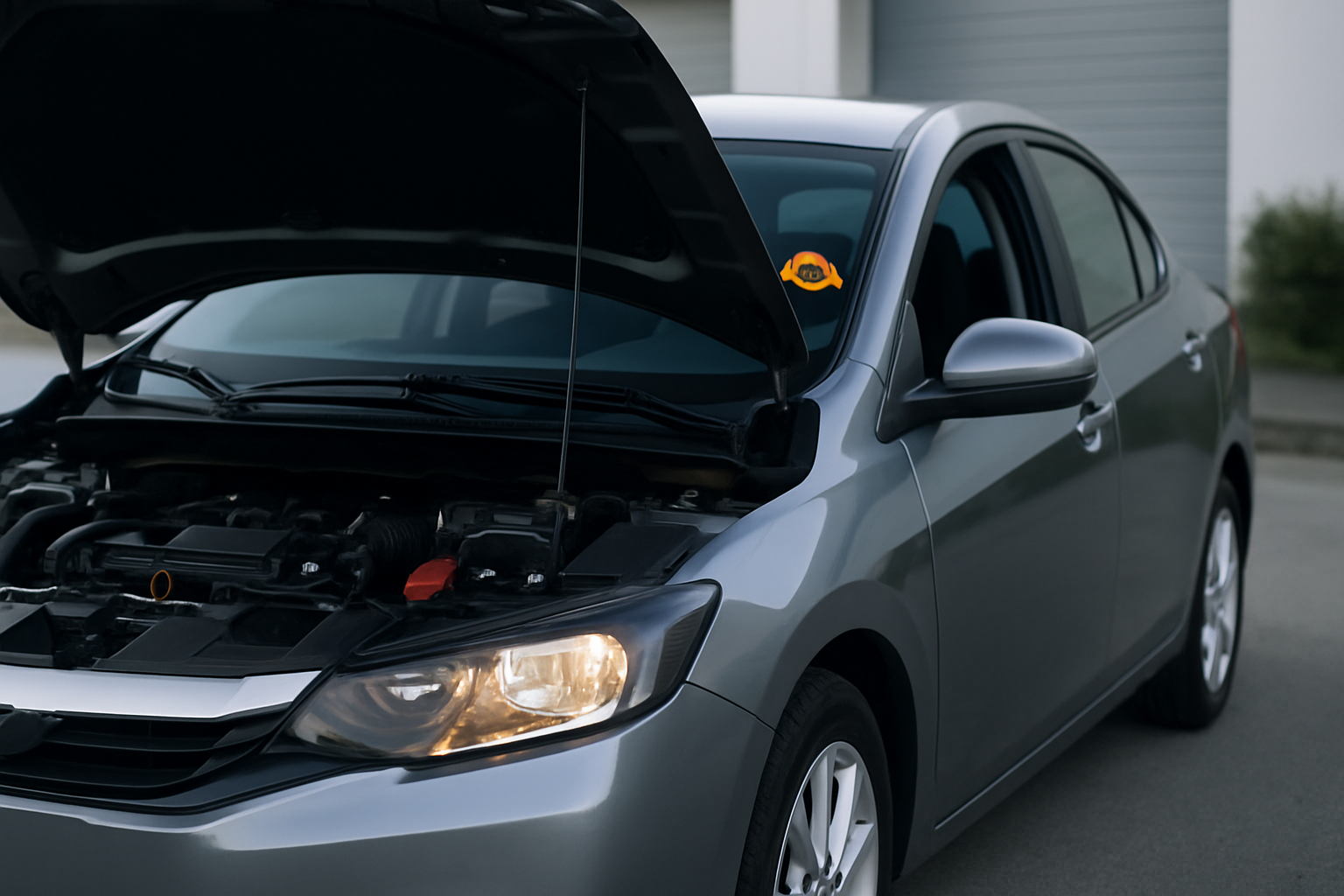
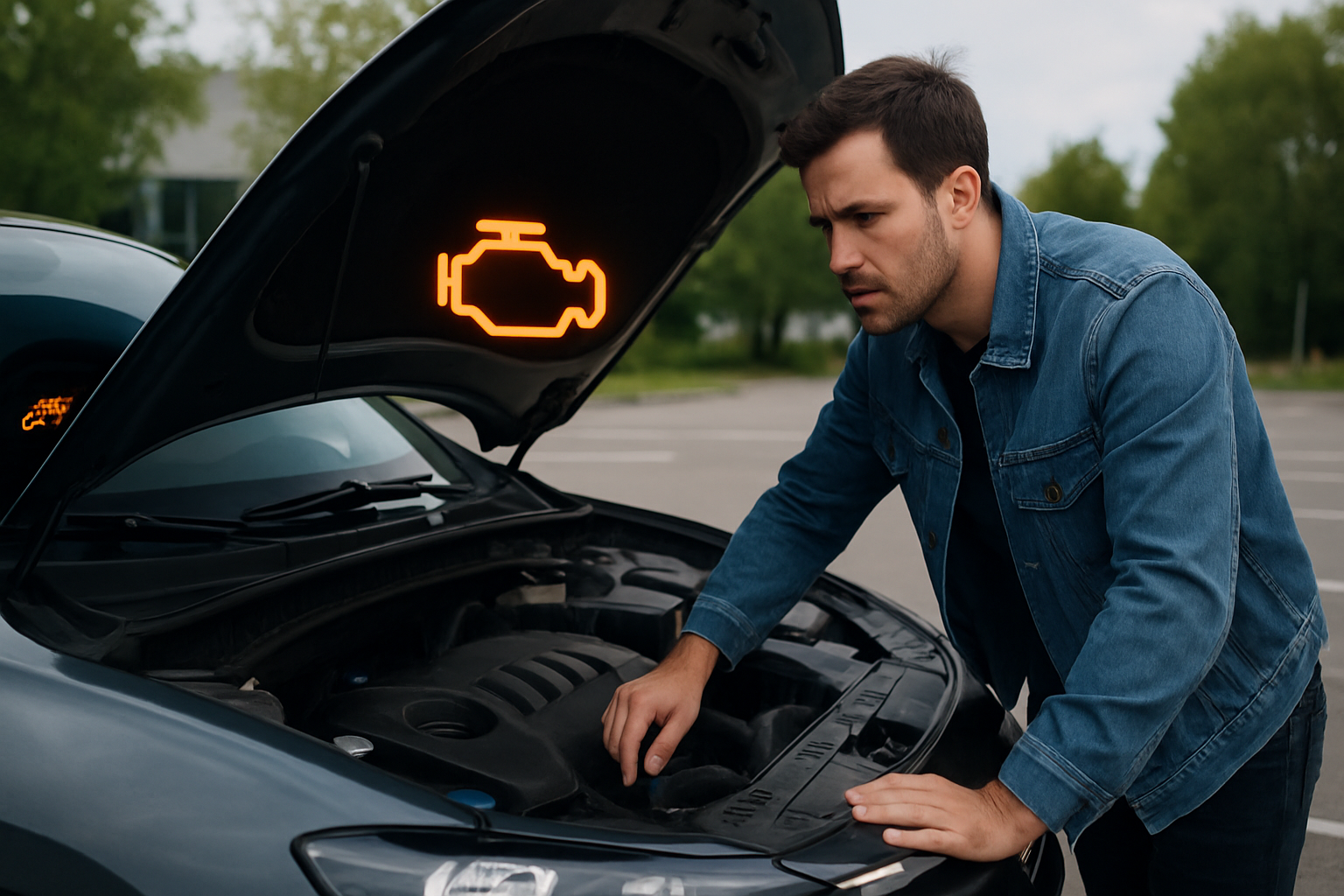
When your check engine light starts flashing, you’re facing a serious emergency that requires immediate action. This isn’t the same as a steady check engine light that you might ignore for a few days. A flashing light means your engine is actively misfiring right now, and continuing to drive could cause thousands of dollars in damage within minutes.
The difference between a flashing and steady check engine light could literally save you from a massive repair bill. Understanding what’s happening under your hood and knowing exactly what to do can prevent a minor issue from becoming a catastrophic failure.
What a Flashing Check Engine Light Actually Means
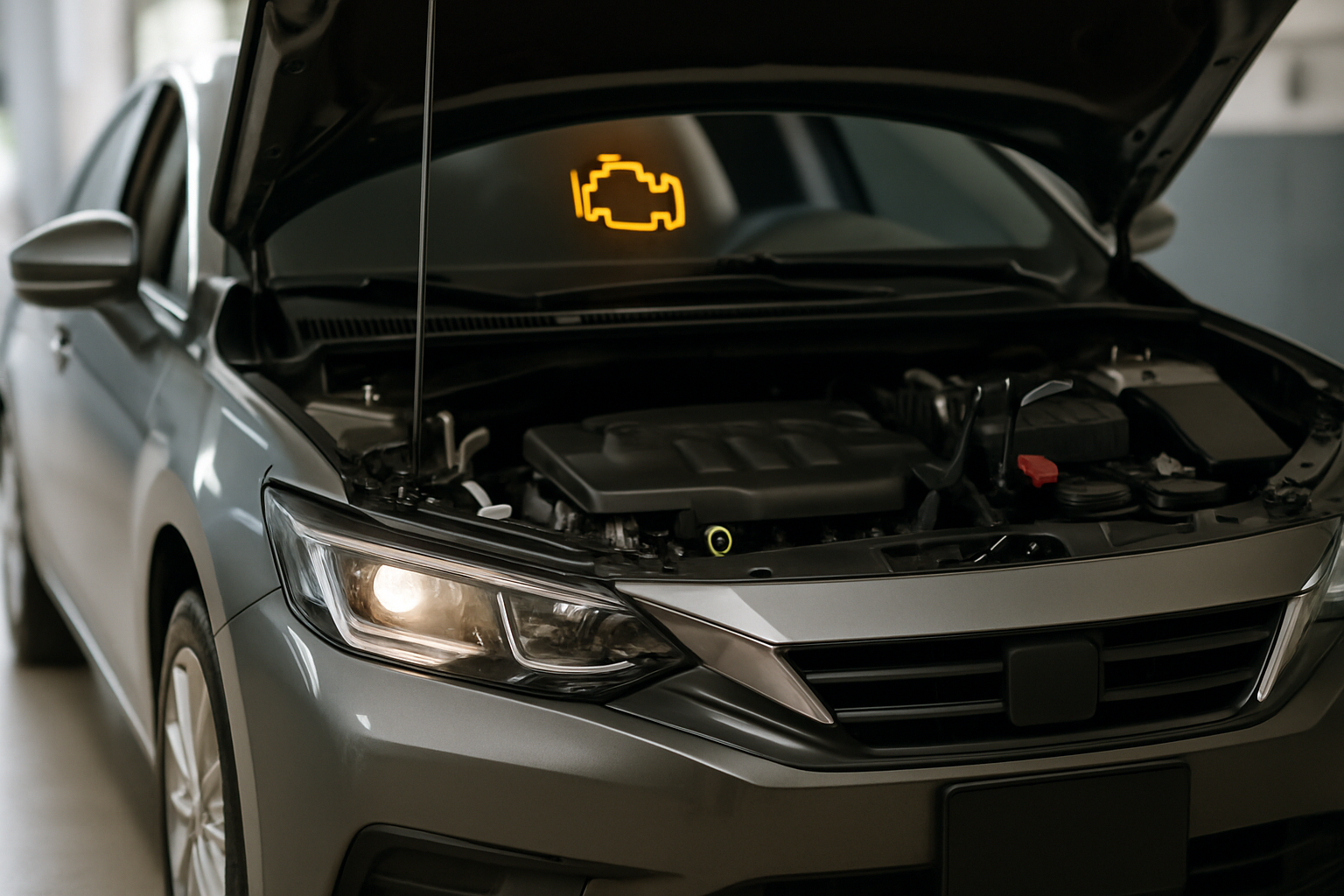
A flashing check engine light indicates an active engine misfire that’s happening in real time. Unlike a steady light that signals a stored trouble code, the flashing pattern warns you that unburned fuel is entering your exhaust system at dangerous levels.
When your engine misfires, raw gasoline passes through the combustion chamber without burning properly. This unburned fuel travels directly into your catalytic converter, where it can ignite and create temperatures exceeding 2,000 degrees Fahrenheit. Your catalytic converter wasn’t designed to handle this extreme heat, and it will begin melting internally within minutes.
The damage happens incredibly fast. What might start as a simple $150 ignition coil replacement can quickly escalate to a $2,000+ catalytic converter replacement if you keep driving. Modern vehicles have multiple catalytic converters, and severe misfires can destroy all of them simultaneously.
Why This Differs from a Steady Check Engine Light
A steady check engine light indicates your vehicle’s computer has detected an issue and stored a diagnostic trouble code. While you shouldn’t ignore it indefinitely, a steady light typically means the problem isn’t causing immediate damage. You can usually drive carefully to a repair shop within a reasonable timeframe.
The flashing pattern serves as your car’s equivalent of screaming “STOP NOW!” Your vehicle’s computer is warning you that continuing to operate the engine will cause exponentially more expensive damage with every mile you drive.
Most automotive technicians can tell horror stories of customers who drove for days with a flashing check engine light, turning a $200 repair into a $5,000+ nightmare involving multiple catalytic converters, oxygen sensors, and sometimes even engine replacement.
What to Do Immediately When You See the Flashing Light
Pull over safely as soon as possible. Don’t try to make it home, to work, or even to the nearest gas station if it’s more than a few blocks away. Turn on your hazard lights and find the safest place to stop completely.
Turn off your engine immediately once you’re safely parked. Every second the engine runs while misfiring pushes more unburned fuel into your exhaust system. Even idling can cause catalytic converter damage when the misfire is severe enough to trigger the flashing light.
Call for a tow truck rather than attempting to drive to a repair shop. Most insurance policies and AAA memberships include towing coverage, and the cost of a tow is minimal compared to the potential damage from continued driving.
If you’re in a dangerous location and absolutely must move the vehicle, keep your speed under 25 mph and drive the shortest distance possible. Avoid any acceleration that isn’t absolutely necessary, and turn off the air conditioning to reduce engine load.
Common Causes Behind Flashing Check Engine Lights
Ignition system failures cause the majority of severe misfires. Faulty spark plugs, ignition coils, or spark plug wires prevent proper combustion in one or more cylinders. These components wear out over time, but they usually fail gradually before reaching the flashing light stage.
Fuel delivery problems can also trigger severe misfires. Clogged fuel injectors, a failing fuel pump, or contaminated gasoline can prevent proper fuel mixture in the combustion chambers. Water in your gas tank, often from condensation or contaminated fuel, commonly causes this type of misfire.
Mechanical engine problems represent the most serious causes. Broken valve springs, damaged pistons, or timing chain issues can cause multiple cylinder misfires that trigger the flashing light. These problems typically require major engine repairs or replacement.
Vacuum leaks sometimes cause misfires severe enough to flash the check engine light, though this is less common. Large leaks in the intake manifold or major vacuum lines can create lean conditions that prevent proper combustion.
What Happens During Professional Diagnosis
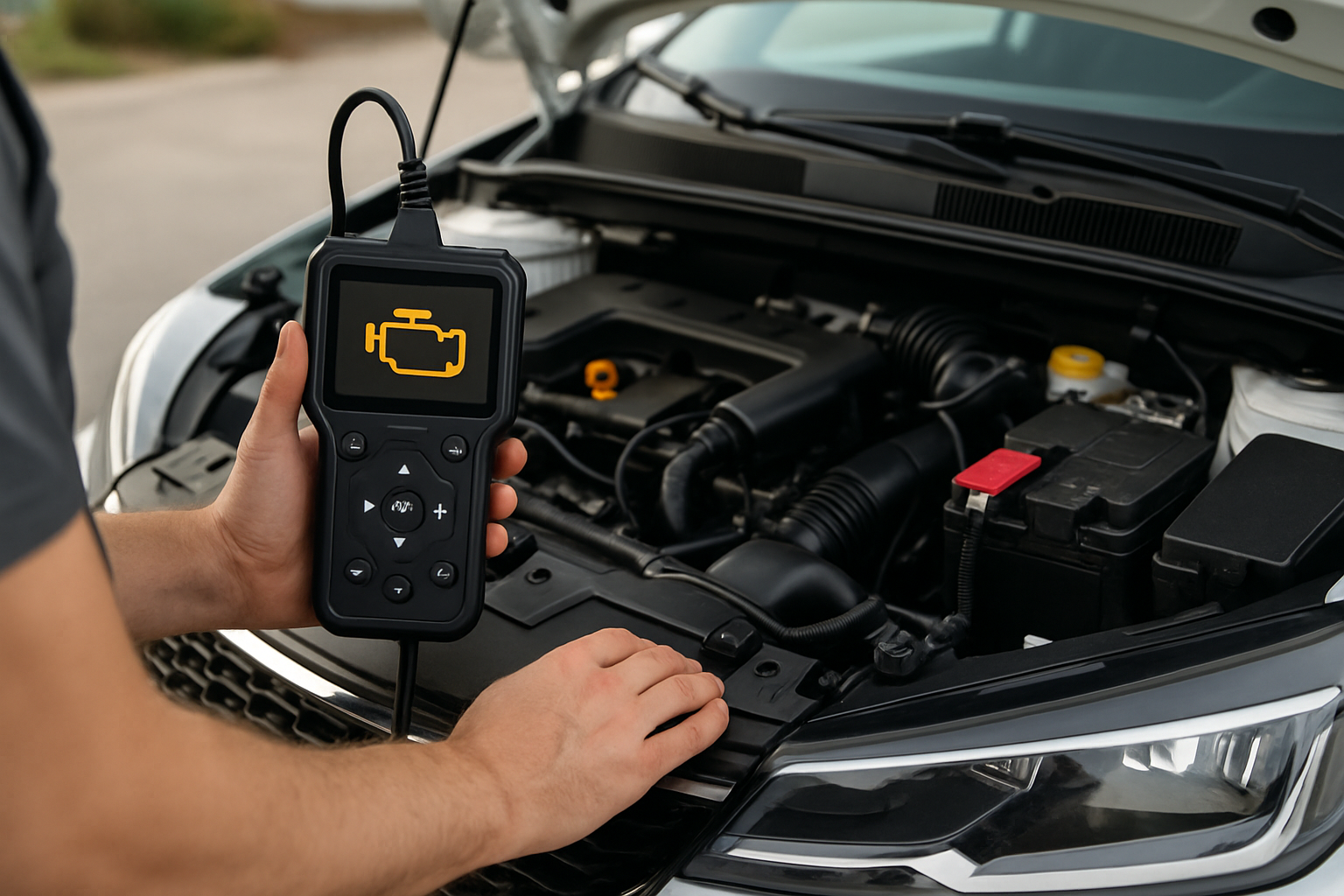
A qualified technician will first connect a diagnostic scanner to read the stored trouble codes. Misfire codes typically appear as P0300 for random misfires or P0301-P0312 for specific cylinder misfires. These codes provide the starting point for diagnosis but don’t identify the root cause.
The technician will then perform specific tests based on the codes retrieved. For ignition-related misfires, they’ll test spark plug condition, ignition coil output, and wiring integrity. Fuel-related issues require testing fuel pressure, injector operation, and fuel quality.
Advanced diagnostic equipment can monitor misfire activity in real time, helping identify intermittent problems that might not be obvious during static testing. Many shops use oscilloscopes and pressure transducers to pinpoint complex issues.
Compression testing may be necessary if initial tests don’t reveal the problem. Low compression in one or more cylinders indicates internal engine damage that requires major repairs.
Repair Costs and What to Expect
If you stop immediately when the light starts flashing, repairs are often relatively affordable. Simple fixes like spark plugs or ignition coils typically cost between $150-$500 depending on your vehicle and how many cylinders are affected.
Fuel system repairs vary widely based on the specific problem. Fuel injector cleaning might cost $100-$200, while fuel pump replacement can range from $400-$800. Contaminated fuel usually requires tank draining and cleaning, costing $200-$400.
Catalytic converter replacement becomes necessary if you drove too long with the flashing light. Single converter replacement costs $800-$2,000, while vehicles with multiple converters can require $3,000-$5,000 in repairs. Luxury and hybrid vehicles often have even higher catalytic converter costs.
Major engine repairs for mechanical problems can cost anywhere from $2,000-$8,000 or more. Sometimes engine replacement becomes more cost-effective than repairing severe internal damage.
Prevention and Maintenance Tips
Regular maintenance prevents most issues that cause severe misfires. Replace spark plugs according to your owner’s manual schedule, typically every 30,000-100,000 miles depending on plug type. Don’t wait for obvious symptoms to appear.
Use quality gasoline from reputable stations to prevent fuel contamination issues. Top-tier gasoline contains detergents that help keep fuel injectors clean. Avoid stations with unusually low prices, as they sometimes sell lower-quality fuel.
Address steady check engine lights promptly before they escalate into flashing emergencies. Many severe misfires start as minor issues that worsen over time. Early diagnosis and repair prevent catastrophic failures.
Pay attention to early warning signs like rough idling, hesitation during acceleration, or unusual exhaust smoke. These symptoms often appear before the check engine light activates, giving you time for preventive repairs.
Frequently Asked Questions
Can I drive with a flashing check engine light if the car seems to run okay?
Absolutely not. Even if your vehicle seems to drive normally, the flashing light indicates severe misfires that are damaging your catalytic converter. The damage occurs whether you feel it or not, and continuing to drive will result in expensive repairs that could have been avoided.
How long can I drive before the catalytic converter is damaged?
Catalytic converter damage can begin within minutes of severe misfiring. There’s no safe distance to drive when your check engine light is flashing. The safest approach is to stop immediately and have your vehicle towed to a repair facility.
Will my car pass emissions testing after catalytic converter damage?
Damaged catalytic converters will cause your vehicle to fail emissions testing in states that require it. You’ll need to replace the damaged converters and potentially other exhaust components before your car will pass inspection.
Does my warranty cover catalytic converter damage from misfires?
Warranty coverage depends on what caused the original misfire and whether you continued driving after the flashing light appeared. If you ignored the warning and kept driving, warranty coverage might be denied since you contributed to the damage through negligence.
This article contains affiliate links. If you purchase through these links, we may earn a small commission at no extra cost to you.
Leave a Reply