
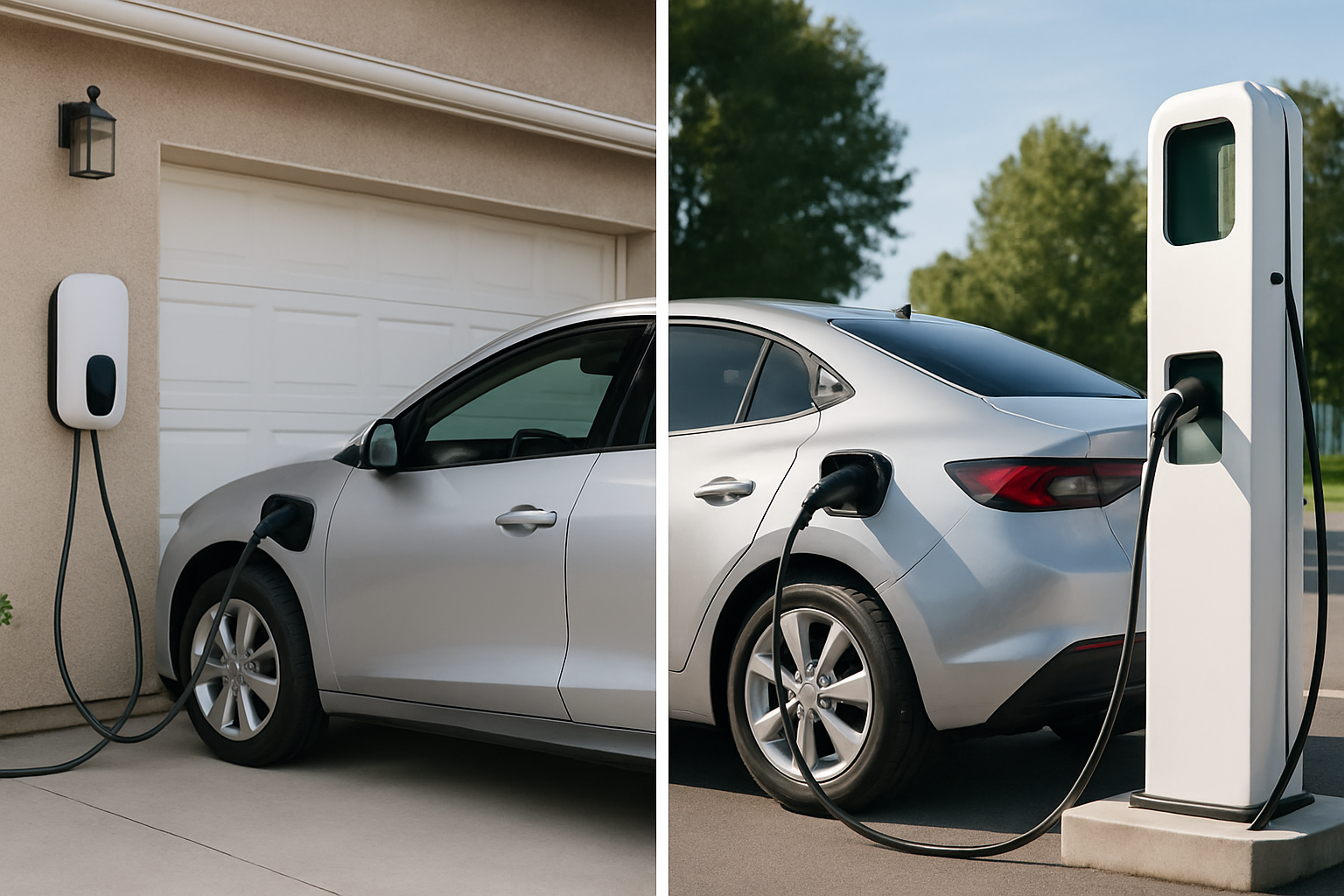
When you’re shopping for an electric vehicle, one of your biggest questions is probably about charging costs. How much will it actually cost to keep your EV running, and should you charge at home or rely on public charging stations? The answer depends on your driving habits, electricity rates, and which charging networks you use.
Let’s break down the real numbers so you can plan your EV ownership costs accurately. I’ll show you actual cost comparisons using current rates from major charging networks and typical home electricity costs.
Understanding EV Charging Levels and Speeds
Before diving into costs, you need to understand the three types of EV charging. Each type has different speeds, equipment costs, and pricing structures.
Level 1 Charging (120V)
Level 1 charging uses a standard household outlet and the portable charging cable that comes with most EVs. You’ll get about 3-5 miles of range per hour of charging. This works for plug-in hybrids or if you drive less than 40 miles per day, but it’s painfully slow for most EV owners.
The upside is zero equipment cost since you use existing outlets. The downside is that charging a depleted 60 kWh battery takes about 20 hours.
Level 2 Charging (240V)
Level 2 charging requires a 240V outlet, similar to what your electric dryer uses. You can buy a portable Level 2 charger or install a dedicated wall unit. Charging speeds range from 15-60 miles of range per hour, depending on your charger’s power rating and your car’s onboard charger capacity.
Most EV owners who charge at home use Level 2. You can fully charge an empty battery overnight, and installation costs typically run check current prices depending on your electrical panel’s location and capacity.
DC Fast Charging
DC fast charging bypasses your car’s onboard charger and feeds power directly to the battery. These chargers can add 100-300 miles of range in 30 minutes, but they’re expensive to use and not practical for daily home charging due to equipment costs exceeding check current prices.
You’ll find DC fast chargers at Electrify America, Tesla Superchargers, EVgo, and other public networks. They’re perfect for road trips but cost significantly more per kWh than home charging.
Home Charging Costs: The Real Numbers
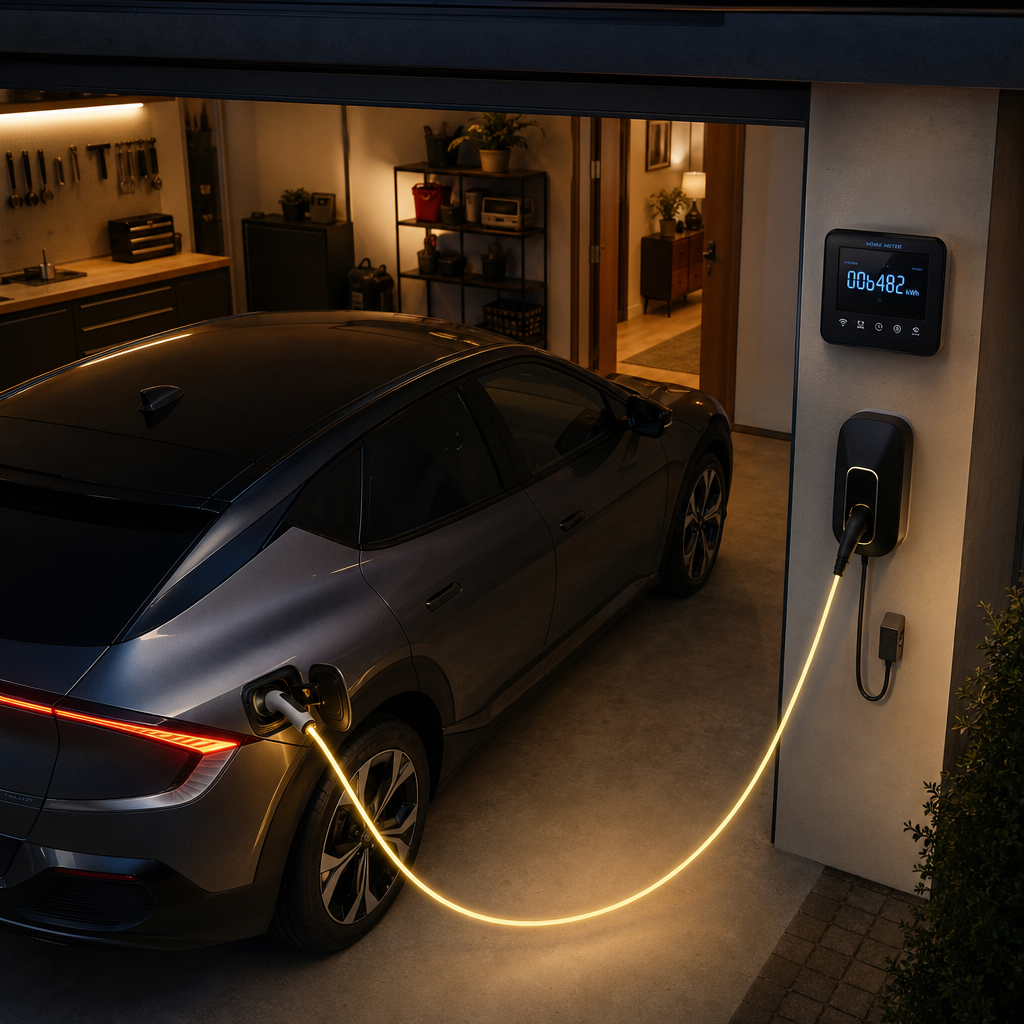
Home charging costs depend on your local electricity rates and when you charge. Most utilities offer time-of-use rates that make overnight charging much cheaper.
National Average Electricity Costs
The national average residential electricity rate is about check current prices per kWh, but this varies dramatically by region. California residents might pay check current prices per kWh during peak hours, while Louisiana residents pay around check current prices per kWh all day.
Many utilities offer special EV rates with super-off-peak pricing as low as check current prices per kWh between 11 PM and 6 AM. If you can charge during these windows, your costs drop significantly.
Time-of-Use Rate Benefits
Let’s look at Pacific Gas & Electric’s EV2-A rate schedule as an example. During super-off-peak hours (11 PM to 7 AM), you pay about check current prices per kWh. During peak hours (4-9 PM), you pay check current prices per kWh.
Smart EV owners set their cars to charge automatically during the cheapest hours. Most modern EVs have scheduling features built into their apps, and many Level 2 home chargers include smart features to optimize charging times.
Public Charging Network Costs
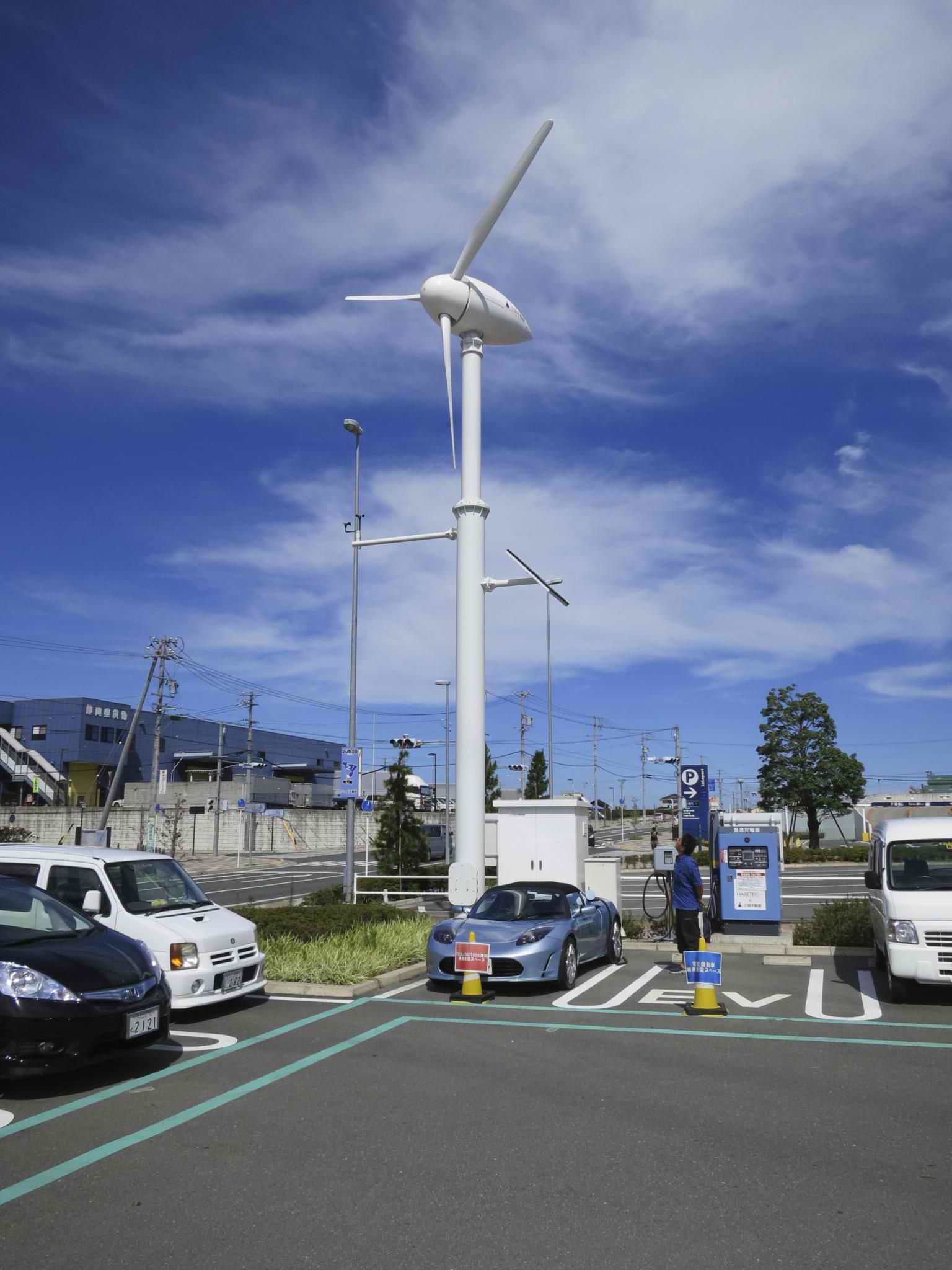
Public charging costs vary significantly between networks, locations, and membership levels. Here’s what you’ll actually pay at major networks as of 2024.
Tesla Supercharger Network
Tesla Supercharger rates range from check current prices per kWh depending on location and time of day. Urban locations in California often hit the higher end, while rural Midwest locations stay closer to check current prices per kWh.
Non-Tesla vehicles can use Superchargers in many locations through Tesla’s app, but you’ll pay about check current prices per kWh more than Tesla owners. Tesla owners with older unlimited Supercharging get free charging, but this perk doesn’t transfer to new owners if you buy used.
Electrify America Pricing
Electrify America charges check current prices per kWh for guest users, with lower rates for Pass+ members who pay check current prices monthly. Pass+ members typically pay check current prices per kWh, making membership worthwhile if you use their network regularly.
Electrify America also charges idle fees if you stay connected after charging completes. You’ll pay check current prices per minute after a 10-minute grace period, so don’t leave your car plugged in while shopping.
EVgo and ChargePoint
EVgo rates vary by location but typically range from check current prices per kWh. Their membership plans can reduce costs by check current prices per kWh if you charge frequently.
ChargePoint doesn’t own charging stations but provides the network platform for various operators. Rates depend on the site owner and range from check current prices per kWh. Some employers and shopping centers offer free ChargePoint charging as an employee or customer benefit.
Real Monthly Cost Examples
Let’s calculate actual monthly charging costs for different driving scenarios. I’ll use a Tesla Model Y Long Range with a 75 kWh battery and 326-mile EPA range as our example vehicle.
Scenario 1: Suburban Commuter (1,000 miles/month)
You drive 1,000 miles monthly, mostly commuting and local errands. You charge at home 90% of the time and use public charging occasionally for longer trips.
Home charging cost: 230 kWh × check current prices = check current prices per month
Public charging cost: 25 kWh × check current prices = check current prices per month
Total monthly cost: check current prices
Compare this to a gas car getting 25 mpg with check current prices gas: 1,000 miles ÷ 25 mpg × check current prices = check current prices monthly. You save about check current prices per month, or check current prices annually.
Scenario 2: Apartment Dweller (1,200 miles/month)
You live in an apartment without home charging and rely entirely on public charging. You use a mix of Electrify America, Superchargers, and workplace charging.
Workplace charging (free): 120 kWh × check current prices = check current prices
Electrify America: 180 kWh × check current prices = check current prices
Tesla Supercharger: 60 kWh × check current prices = check current prices
Total monthly cost: check current prices
Even without home charging, you spend less than the equivalent gas car would cost (check current prices monthly), saving about check current prices per month.
Scenario 3: Road Warrior (2,000 miles/month)
You drive extensively for work, splitting between home charging and frequent public charging stops. Your car needs about 610 kWh monthly.
Home charging (60%): 366 kWh × check current prices = check current prices
Public DC fast charging (40%): 244 kWh × check current prices = check current prices
Total monthly cost: check current prices
A comparable gas car would cost about check current prices monthly in fuel, so you still save check current prices per month despite heavy public charging use.
Hidden Costs and Savings
When calculating charging costs, factor in these additional considerations that affect your total cost of EV ownership.
Home Charging Equipment Costs
Installing a Level 2 home charger typically costs check current prices including equipment and electrical work. However, federal tax credits can offset up to 30% of installation costs (up to check current prices) through 2032.
Many utilities offer rebates for home charger installations. Some provide the charger free or rebate check current prices of installation costs. Check your utility’s website for EV incentive programs.
Demand Charges and Electrical Upgrades
If your home electrical panel is near capacity, you might need a panel upgrade costing check current prices. Some homes require new electrical service from the utility, adding another check current prices.
A few utilities impose demand charges on residential customers with high instantaneous power usage. These charges are rare for residential service but worth investigating if you’re considering multiple EVs or high-power charging equipment.
Charging Network Memberships
Most charging networks offer subscription plans that reduce per-kWh costs. Electrify America’s Pass+ costs check current prices monthly but saves check current prices per kWh. If you use 50 kWh monthly from their network, you break even.
Some automakers include charging credits with new EV purchases. Hyundai provides check current prices in Electrify America credits, while BMW includes two years of free DC fast charging with some models.
Smart Charging Strategies to Minimize Costs
You can significantly reduce charging costs with smart planning and the right equipment.
Load Management and Smart Chargers
Smart home chargers can communicate with your utility to charge when rates are lowest. Some utilities offer programs where they control your charger during peak demand periods in exchange for lower rates.
If you have solar panels, smart chargers can prioritize charging when your panels produce excess power, further reducing grid electricity consumption.
Public Charging Optimization
Plan public charging stops around your schedule to avoid idle fees. Most networks charge penalties if you leave your car connected after charging completes.
Use charging apps like PlugShare, ChargeHub, or A Better Route Planner to compare real-time pricing and find the cheapest stations along your route. Prices can vary by check current prices per kWh between stations in the same area.
Factors That Affect Your Actual Costs
Several variables can increase or decrease your real-world charging costs beyond the base electricity rates.
Charging Efficiency Losses
Not all electricity makes it into your battery. Level 1 and Level 2 charging are about 85-92% efficient, while DC fast charging efficiency ranges from 80-90% depending on battery temperature and charge level.
Cold weather reduces charging efficiency and battery capacity. Expect 10-30% higher energy consumption during winter months, especially if you pre-condition the cabin while plugged in.
Battery Degradation Over Time
EV batteries gradually lose capacity, typically declining 1-3% annually. After five years, you might need 5-10% more charging sessions to travel the same distances, slightly increasing your monthly costs.
However, charging infrastructure continues expanding and costs generally trend downward as more competitors enter the market.
Making the Financial Decision
For most EV owners, home charging provides the best value when possible. Even with equipment installation costs, you’ll typically recover the investment within 1-2 years through lower fuel costs.
If you can’t install home charging, EVs can still save money compared to gas vehicles, especially if you have access to free workplace charging or live in an area with competitive public charging rates.
Consider your specific driving patterns, local electricity rates, and available charging infrastructure when calculating costs

Leave a Reply