
Category: Buying Guide
Honda 1.5L Turbo Engine Problems: Oil Dilution, Fuel Smell, and Fixes
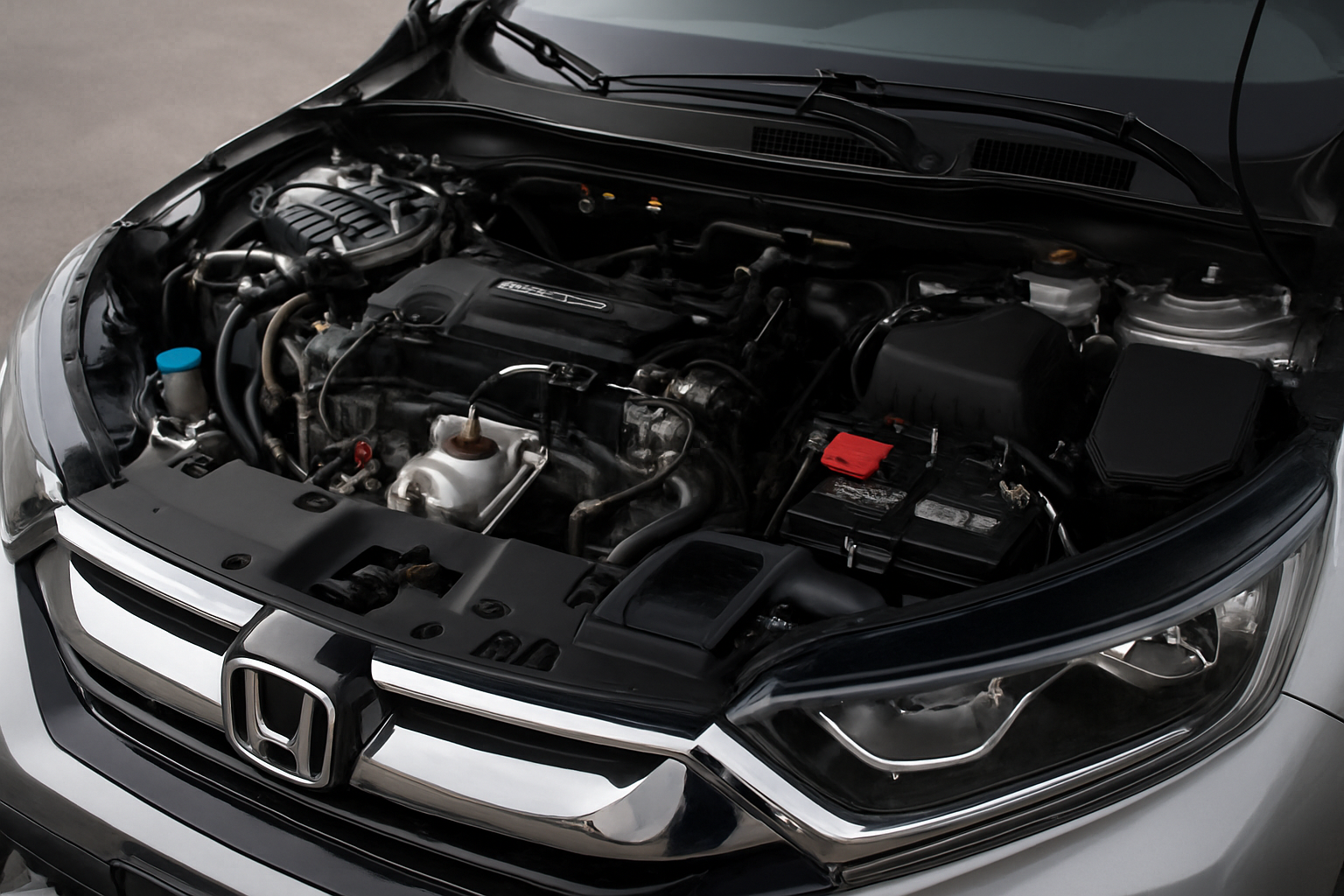
The Honda 1.5L turbo engine has been a cornerstone of Honda’s lineup since 2016, powering popular models like the Civic, CR-V, and Accord. While this L15B7 engine delivers impressive fuel economy and performance, it’s developed a reputation for some concerning issues that every owner should understand. Understanding the L15B7 Engine and Its Issues Honda’s 1.5L… read more
Written by
Cars That Cost the Most to Maintain (Avoid These)
Some cars turn “routine maintenance” into a four-figure event before you’ve even left the service department parking lot. If you’re shopping used luxury or performance vehicles, the sticker price is only half the story. The other half shows up two years later as a competitively priced air suspension bill or a competitively priced valve cover… read more
Written by
Trucks That Hold Their Value the Best (and Why)
Trucks depreciate slower than almost any other vehicle category, but that doesn’t mean they’re all created equal. Some pickups hang onto 70% of their value after five years while others bleed money faster than a minivan. If you’re buying a truck as an investment as much as a tool, the specific model, trim, and configuration… read more
Written by

Best Used SUVs Under $15K That Won’t Nickel and Dime You
Buying a used SUV under competitively priced doesn’t have to mean gambling on a transmission grenade or a check engine light that never turns off. The trick is knowing which models and model years actually earned their reputation for being cheap to own, and which ones just look like a deal until the repair bills… read more
Written by

10 Vehicles with the Lowest Maintenance Costs Over 5 Years
If you’ve ever opened a bill after a routine oil change and wondered how a five-minute filter swap turned into a few hundred dollars, you’re not alone. Maintenance costs vary wildly between brands, and the difference over five years or 60,000 miles can easily total thousands of dollars. Some of that comes down to parts… read more
Written by