

Your catalytic converter is one of the most crucial components in your vehicle’s exhaust system, responsible for reducing harmful emissions before they exit your tailpipe. When it fails, you’ll notice performance issues, emissions problems, and potentially expensive repair bills. Understanding what causes catalytic converter failure and recognizing the warning signs early can save you hundreds or even thousands of dollars in repairs.
What Is a Catalytic Converter and How Does It Work?
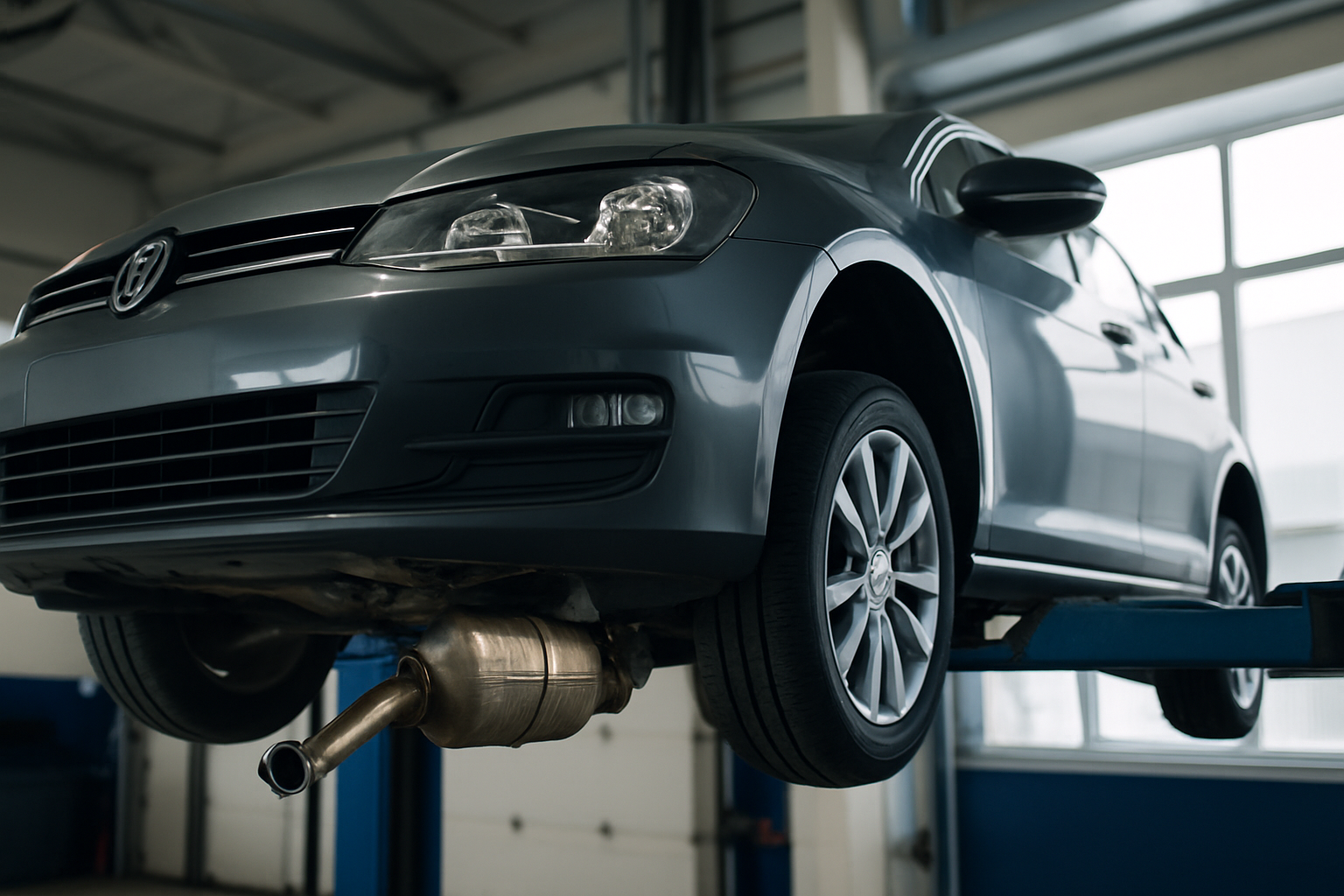
Your catalytic converter is essentially a chemical reactor that sits in your exhaust system between your engine and muffler. Inside this metal housing, precious metals like platinum, palladium, and rhodium act as catalysts to convert toxic gases into less harmful substances.
The converter transforms carbon monoxide into carbon dioxide, nitrogen oxides into nitrogen and oxygen, and unburned hydrocarbons into carbon dioxide and water vapor. This process requires the converter to operate at extremely high temperatures, typically between 1,200 and 1,600 degrees Fahrenheit.
Most modern vehicles have at least one catalytic converter, though many have two or more. The primary converter is usually located closest to the engine, where it can heat up quickly and start working efficiently.
What Causes Catalytic Converter Failure?
Rich Running Engine Conditions
When your engine runs rich, it’s burning too much fuel relative to the amount of air entering the combustion chamber. This creates excess unburned fuel that flows into the exhaust system and forces your catalytic converter to work overtime.
The converter can become overwhelmed by the excessive hydrocarbons, causing the internal catalyst material to overheat and eventually break down. Common causes of rich running conditions include faulty oxygen sensors, a malfunctioning mass airflow sensor, or problems with your fuel injection system.
Oil Burning Issues
If your engine burns oil due to worn piston rings, valve seals, or other internal problems, that oil ends up coating the catalyst material inside your converter. Oil contains additives and compounds that aren’t meant to pass through the catalytic converter.
Over time, these oil deposits build up on the catalyst surface, reducing its effectiveness and eventually causing complete failure. You’ll typically notice blue smoke from your exhaust when oil burning is severe enough to damage your converter.
Engine Misfires
Misfires are particularly damaging to catalytic converters because they send raw, unburned fuel directly into the exhaust system. When this fuel reaches the hot converter, it ignites and creates temperatures far higher than the converter was designed to handle.
Even intermittent misfires can cause significant damage over time. Common misfire causes include worn spark plugs, faulty ignition coils, clogged fuel injectors, or compression problems.
Contaminated Fuel
Using the wrong type of fuel or contaminated gasoline can poison your catalytic converter. Lead, silicon, and sulfur compounds are particularly harmful to the catalyst materials.
While leaded gasoline is no longer available at pumps, some fuel additives or contaminated fuel supplies can still introduce harmful substances. Always use the octane rating specified for your vehicle and purchase fuel from reputable stations.
Physical Damage
Road debris, speed bumps taken too fast, or off-road driving can physically damage your catalytic converter. The ceramic honeycomb structure inside is relatively fragile and can crack or break apart from impact.
Age also plays a factor, as the thermal cycling from repeated heating and cooling can eventually cause the internal structure to deteriorate and break apart.
Warning Signs of Catalytic Converter Failure
The Rotten Egg Smell
One of the most distinctive signs of converter problems is a strong sulfur or rotten egg smell from your exhaust. This occurs when the converter can’t properly process sulfur compounds in gasoline.
A healthy converter transforms these sulfur compounds into odorless substances. When it’s failing, the sulfur passes through unchanged, creating that unmistakable smell. You’ll typically notice this smell most when accelerating or during warm-up.
Check Engine Light and P0420 Code
The P0420 diagnostic trouble code specifically indicates “Catalyst System Efficiency Below Threshold.” Your vehicle’s oxygen sensors monitor the converter’s performance by comparing readings before and after the converter.
When the downstream oxygen sensor shows that the converter isn’t reducing emissions effectively, your PCM triggers the P0420 code and illuminates the check engine light. Related codes like P0430 (for bank 2) or P0421/P0431 may also appear.
Rattling Noises
A rattling sound from underneath your vehicle, especially during startup or acceleration, often indicates that the internal honeycomb structure has broken apart. These ceramic pieces shake around inside the converter housing, creating the rattling noise.
The sound is typically most noticeable when the engine is cold and may diminish as the exhaust system heats up and expands. However, loose catalyst material can eventually block exhaust flow completely.
Poor Acceleration and Reduced Performance
A failing converter restricts exhaust flow, which directly impacts engine performance. You’ll notice sluggish acceleration, especially when trying to merge onto highways or climb hills.
The engine may feel like it’s working harder than normal to maintain speed, and you might experience a significant drop in fuel economy. In severe cases, the vehicle may go into “limp mode” with drastically reduced power.
Failed Emissions Testing
If your area requires emissions testing, a failing catalytic converter will cause your vehicle to fail. The converter is responsible for reducing NOx, CO, and hydrocarbon emissions to legal limits.
Even if your vehicle passes the visual inspection portion, it will fail the tailpipe emissions test when the converter isn’t working properly. Some testing facilities also check for diagnostic trouble codes, which would reveal P0420 or related codes.
Dark Exhaust Smoke
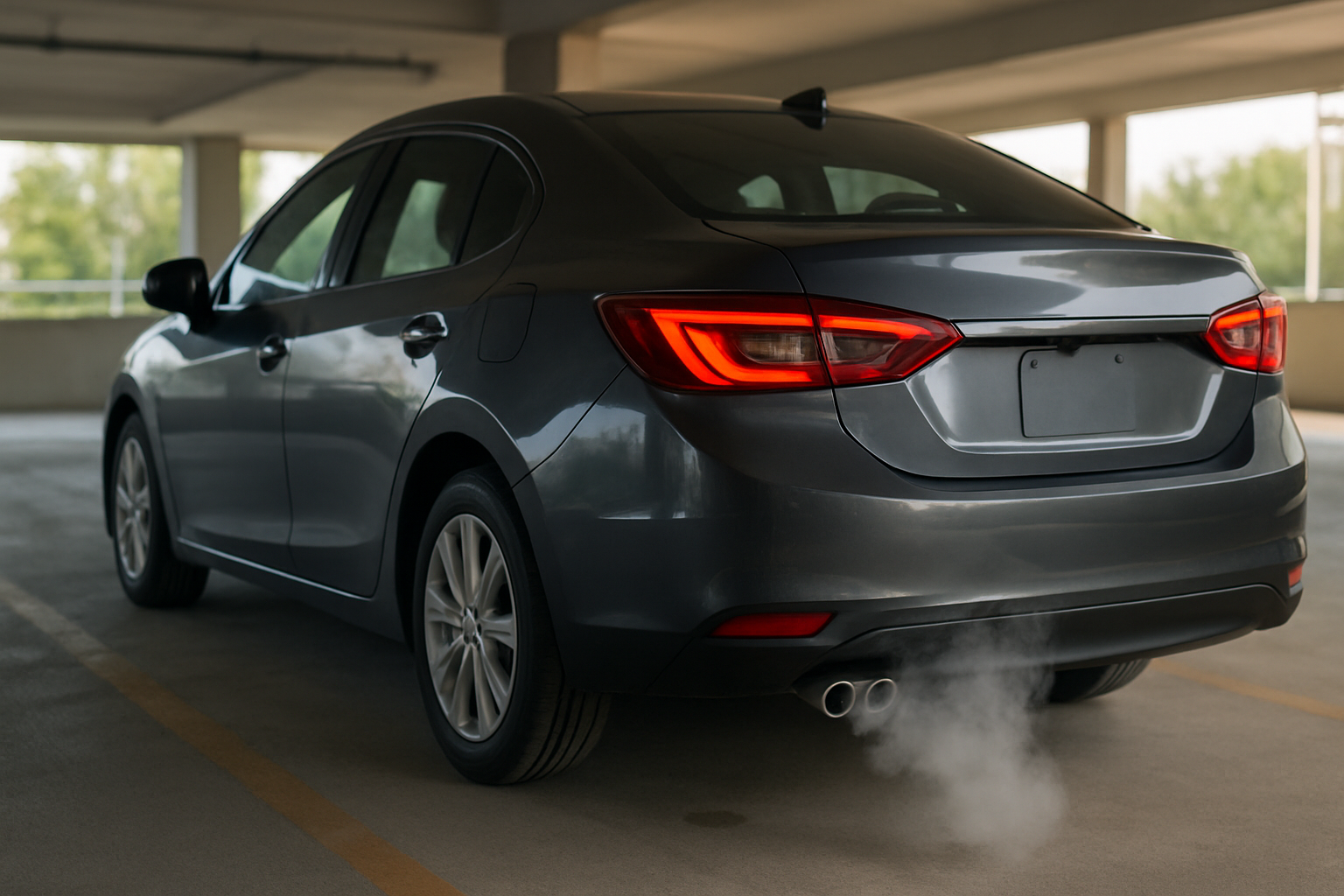
While not always present, dark or black exhaust smoke can indicate converter problems, especially when combined with other symptoms. This typically occurs when the converter is completely blocked or when engine problems that caused the converter failure are also present.
Blue smoke usually indicates oil burning, which may have contributed to the converter failure. White smoke typically indicates coolant burning, which can also damage the converter.
How to Diagnose Catalytic Converter Problems
Professional diagnosis typically starts with scanning for diagnostic trouble codes using an OBD2 scanner. Beyond the common P0420 code, technicians look for related codes that might indicate underlying engine problems.
A backpressure test measures exhaust restriction by temporarily installing a pressure gauge in place of the upstream oxygen sensor. Readings above 3 PSI at 2,500 RPM typically indicate a blocked converter.
Temperature testing involves using an infrared thermometer to measure converter inlet and outlet temperatures. A properly functioning converter should show a significant temperature increase from inlet to outlet under load.
Prevention Tips
Regular maintenance is your best defense against premature converter failure. Replace spark plugs, ignition coils, and oxygen sensors according to your vehicle’s maintenance schedule.
Address engine problems immediately, especially misfires, rough idle, or oil burning. These issues only get worse over time and will eventually destroy your catalytic converter.
Use quality gasoline from reputable stations and avoid fuel additives unless specifically recommended by your vehicle manufacturer. Some aftermarket additives can actually harm your converter.
If you notice any warning signs, don’t ignore them. Early intervention can sometimes prevent complete converter failure and save you significant money on repairs.
Replacement Considerations
Catalytic converter replacement costs vary widely depending on your vehicle and local labor rates. OEM converters typically cost more but offer better longevity and performance compared to aftermarket options.
Some states have specific requirements for replacement converters, including CARB certification in California. Make sure any replacement converter meets your local emissions requirements.
Before replacing the converter, it’s crucial to diagnose and fix the underlying problem that caused the failure. Installing a new converter without addressing root causes will likely result in repeat failures.
Frequently Asked Questions
Can I drive with a bad catalytic converter?
While your vehicle may still run with a failing converter, you shouldn’t drive it any longer than necessary. A completely blocked converter can cause engine damage due to excessive backpressure. Additionally, driving with a failed converter is illegal in most areas and will result in failed emissions testing.
How long do catalytic converters last?
Most catalytic converters are designed to last 100,000 to 150,000 miles under normal conditions. However, engine problems like misfires, oil burning, or rich running conditions can significantly reduce this lifespan. Well-maintained vehicles often see converters last 200,000 miles or more.
Can a catalytic converter be cleaned or repaired?
In most cases, failed catalytic converters cannot be effectively repaired or cleaned. While some products claim to clean converters, they’re generally ineffective on severely damaged units. The ceramic catalyst material doesn’t regenerate once it’s been contaminated or physically damaged.
Will removing the catalytic converter improve performance?
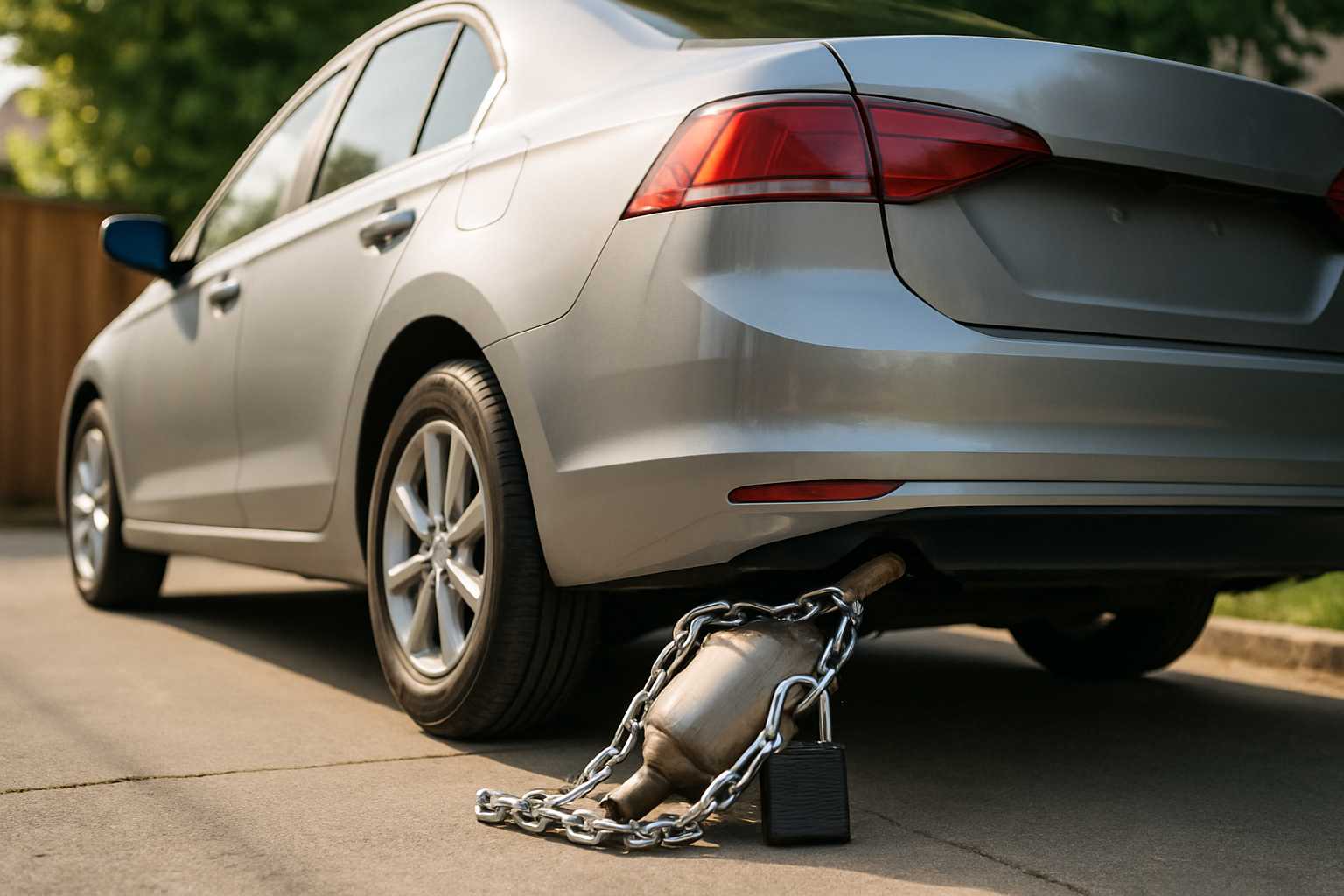
Removing the catalytic converter is illegal for street-driven vehicles and will cause your check engine light to illuminate. While it might provide a small power increase, the legal and environmental consequences far outweigh any performance benefits. Modern converters are designed to minimize performance impact while meeting emissions requirements.
Leave a Reply