
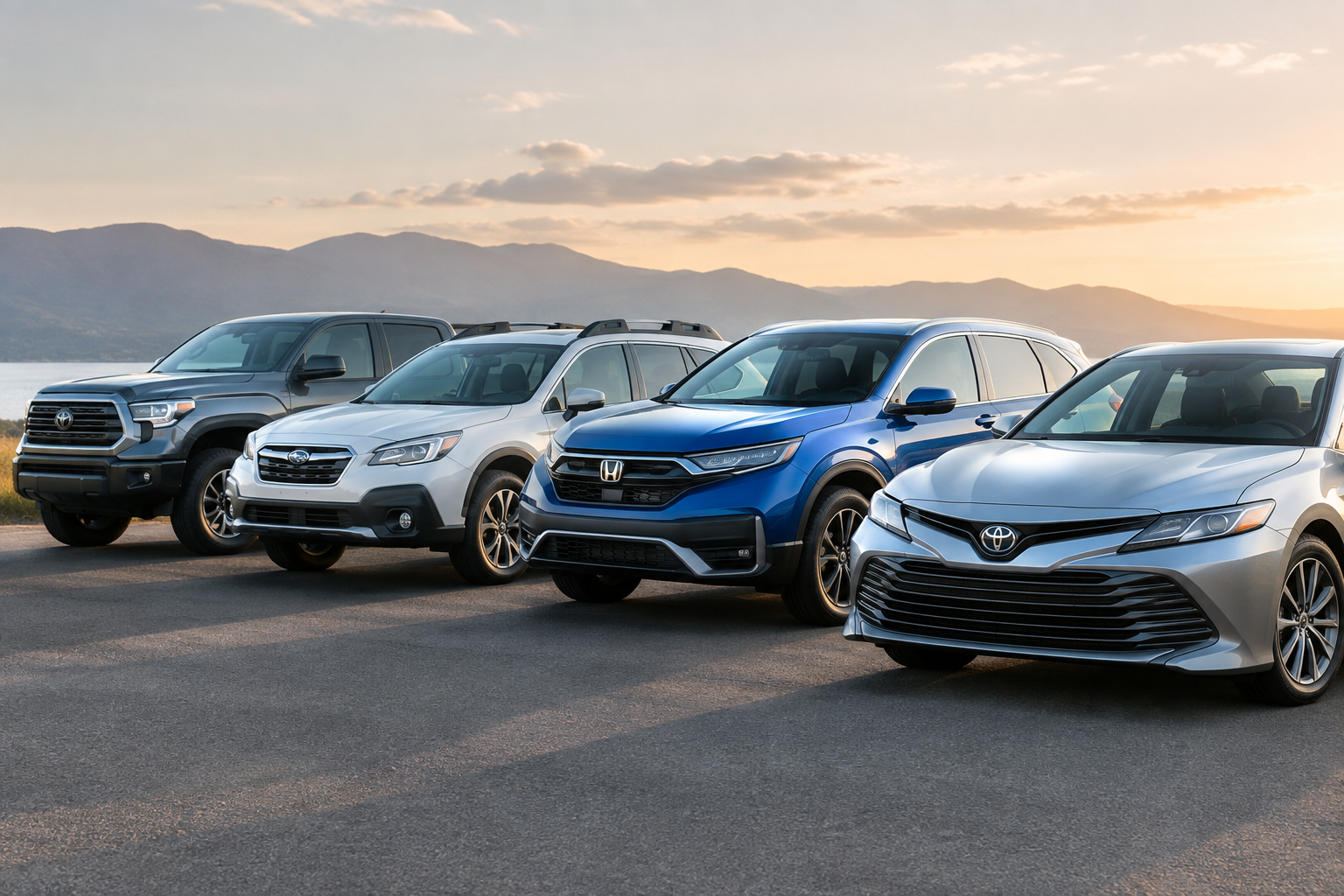
Some cars just refuse to break. You see them rolling past 200,000 miles with nothing more than oil changes, tires, and the occasional battery swap. If you’re shopping for something that won’t drain your bank account every time the check engine light flickers on, you want a vehicle with a proven track record, not just a good brand name.
We pulled data from Consumer Reports reliability surveys, J.D. Power dependability studies, and long-term owner forums to build this list. These aren’t generic “buy a Toyota” recommendations. Each pick calls out a specific engine, transmission, and model year range because reliability can swing wildly even within the same nameplate.
1. Toyota Camry (2018-2024, 2.5L A25A-FKS)
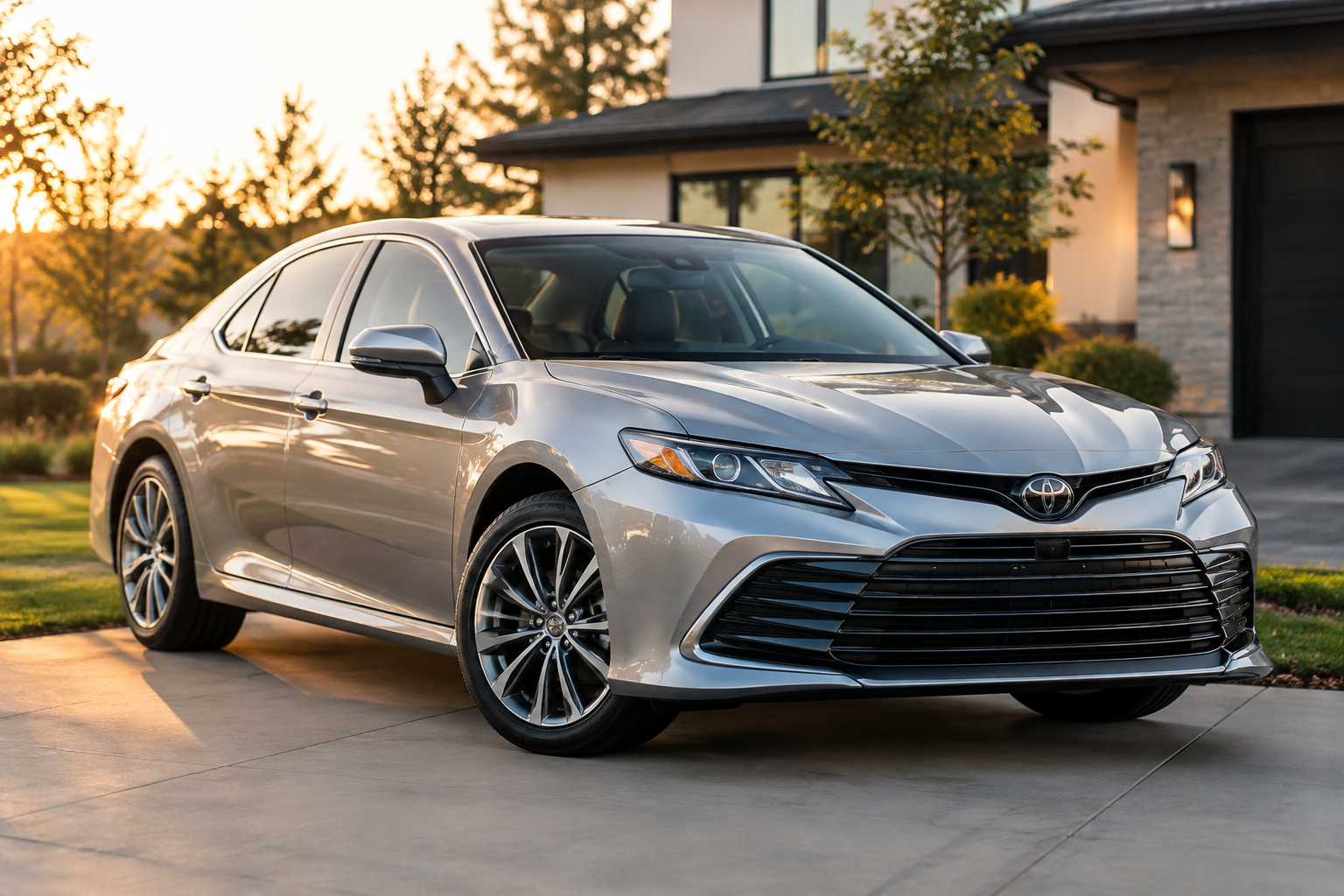
The eighth-generation Camry’s 2.5-liter Dynamic Force engine paired with the 8-speed automatic is about as bulletproof as modern engines get. Toyota simplified the timing chain design and used direct plus port injection to reduce carbon buildup, which was a common complaint on older direct-injection engines.
Watch for minor issues like a squeaky brake caliper or infotainment glitches after software updates, but engine and transmission failures are rare. Annual maintenance typically runs in the budget-friendly range, mostly oil changes and cabin air filters.
2. Lexus RX 350 (2010-2015, 3.5L 2GR-FE V6)
The 2GR-FE V6 is one of the most durable engines Toyota ever built, and Lexus wrapped it in a plush SUV with a conventional 6-speed automatic instead of a failure-prone CVT. Owners routinely report 250,000+ miles with nothing but scheduled maintenance.
The known weak points are the water pump and a occasional oil consumption issue on early units, both inexpensive fixes. Budget for slightly higher annual maintenance than a Camry due to luxury parts pricing, but still far below German competitors.
3. Toyota Tacoma (2005-2015, 4.0L 1GR-FE V6)
This generation of Tacoma is a favorite among overlanders and fleet buyers for a reason. The 1GR-FE V6 is nearly identical to the engine used in the 4Runner and Lexus GX, and it shrugs off high mileage and abuse.
Common gripes include a notchy shifter feel on manual transmissions and premature frame rust in road-salt states, so an undercoating is worth considering. Mechanically, though, this truck is famous for needing almost nothing beyond fluids and brakes.
4. Toyota 4Runner (2010-2023, 4.0L 1GR-FE V6)
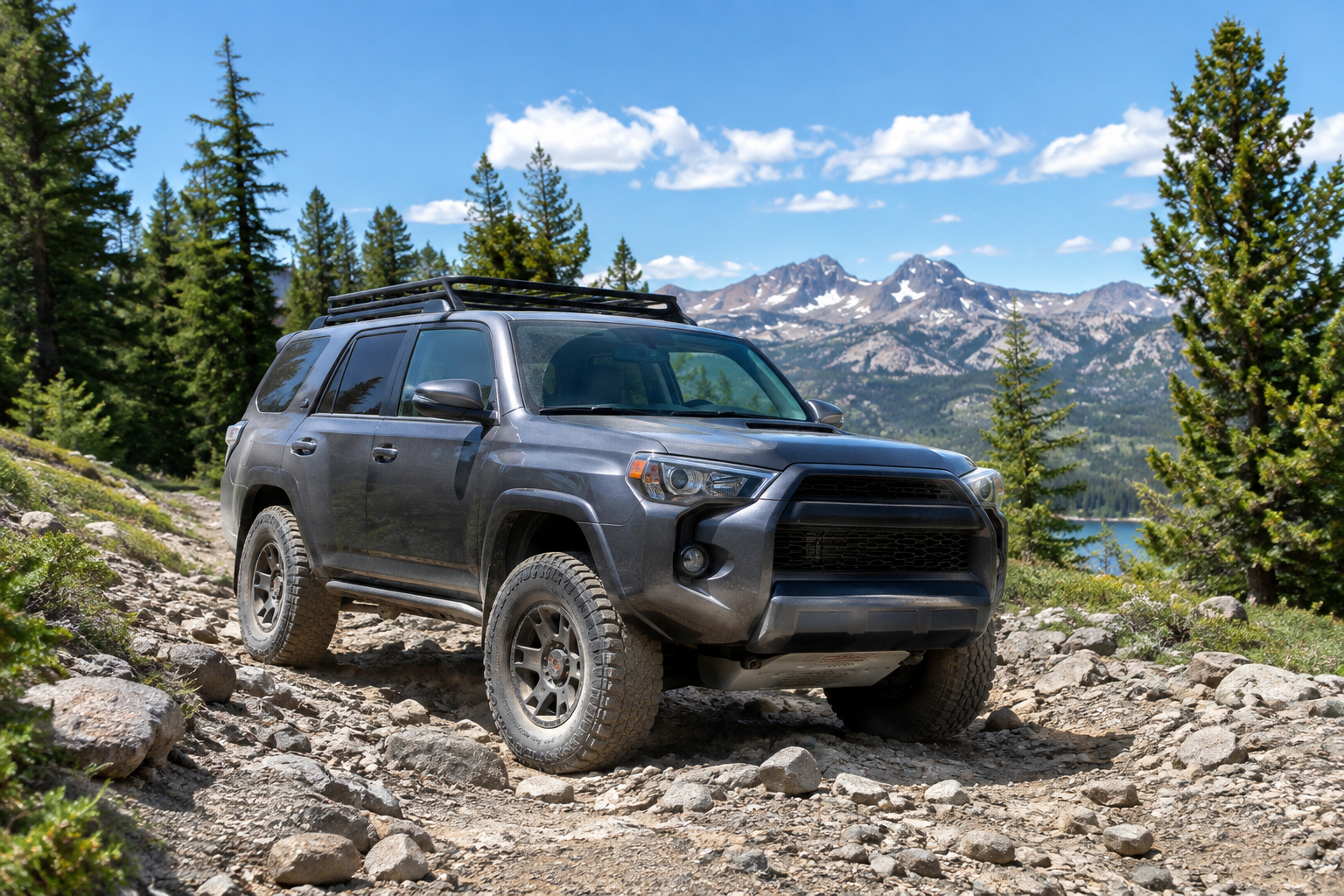
Toyota kept this platform around for over a decade for a reason: it works. The same 1GR-FE V6 and 5-speed automatic combo from the Tacoma shows up here, and Consumer Reports has given this SUV above-average reliability marks in nearly every model year of this generation.
Minor annoyances include a stiff ride and dated infotainment, not mechanical failures. If you’re cross-shopping SUVs for long-term durability, our SUV MPG comparison guide is a good next stop, though the 4Runner trades efficiency for toughness.
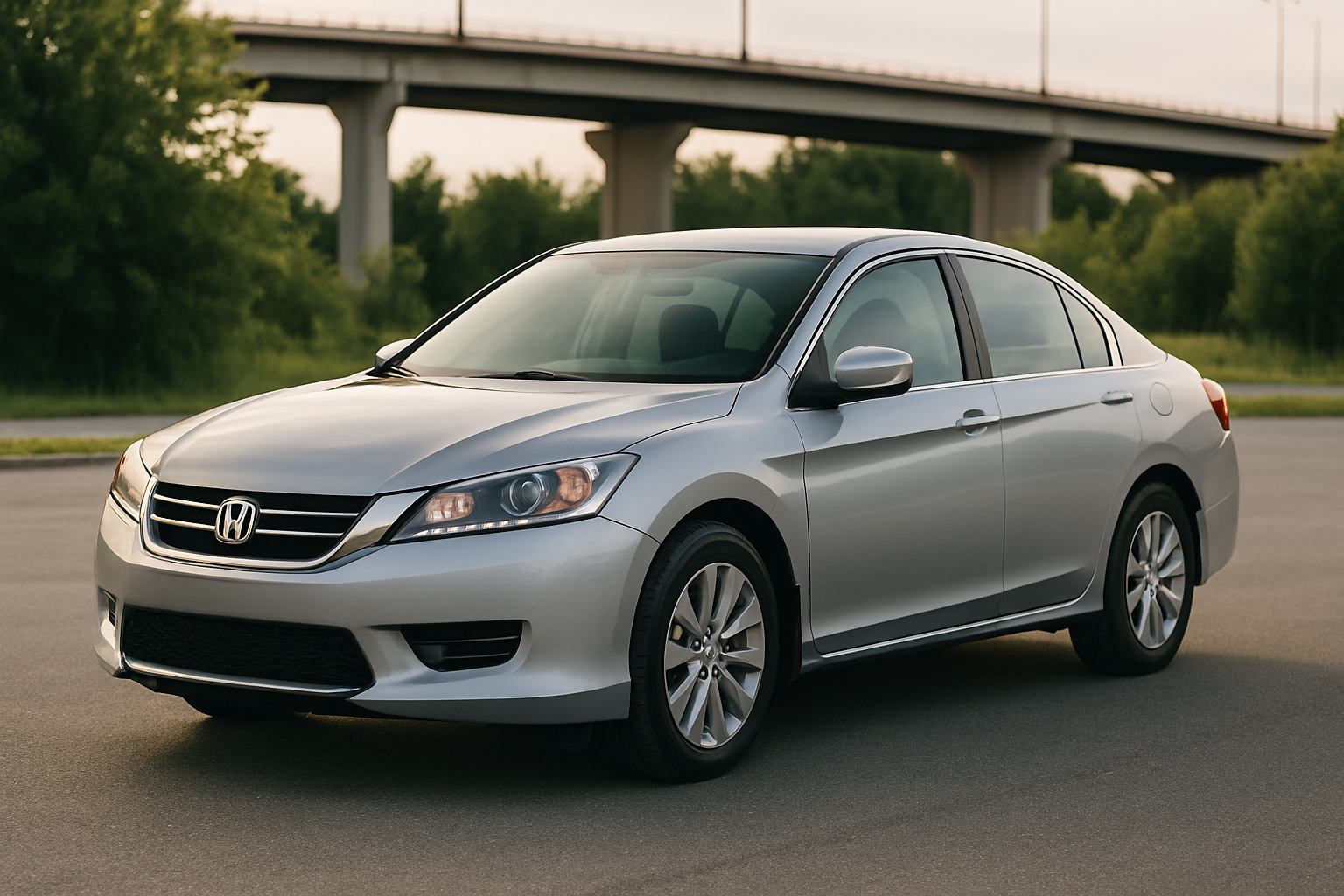
5. Honda Accord (2003-2007, 2.4L K24A4)
The seventh-generation Accord with the K24A4 four-cylinder and a conventional 5-speed automatic is one of the most understated reliability champions on the used market. Honda’s K-series engines use a simple, non-interference design with a timing chain instead of a belt, which removes an entire category of maintenance headaches.
Automatic transmission issues showed up on some V6 models from this era, so stick with the four-cylinder if reliability is your priority. Expect very low annual upkeep costs, since parts are cheap and widely available.
6. Chevrolet Silverado / Tahoe (2000-2006, 5.3L Vortec LM7)
The LM7 5.3-liter Vortec V8 is a legend in the truck world. It’s a pushrod, overhead-valve design with fewer moving parts than modern overhead-cam engines, and it’s famous for running past 300,000 miles with basic maintenance.
Intake manifold gasket leaks and knock sensor wiring corrosion are the two issues to check for on used examples, but neither is expensive to fix. If you’re comparing this era of GM trucks to newer performance-oriented options, it’s worth reading our breakdown of the Ram RHO vs. TRX vs. Ford Raptor for how far truck engineering has shifted since then.
Before buying any used truck from this era, a scan tool pays for itself instantly by catching hidden codes the seller didn’t mention.
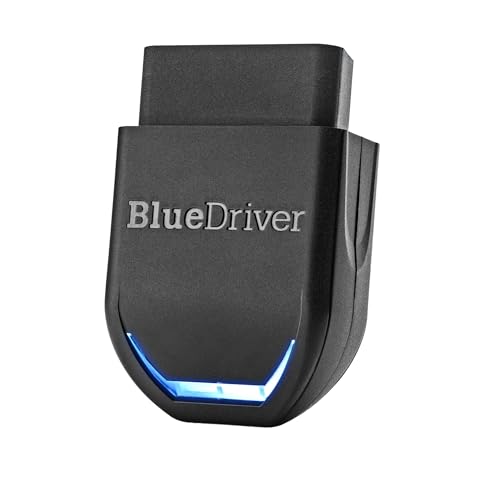
BlueDriver Bluetooth Pro OBDII Scan Tool
A reliable, professional-grade scanner that pulls manufacturer-specific codes, ideal for checking a used vehicle before you buy.
7. Toyota Corolla (2014-2019, 1.8L 2ZR-FE)
The eleventh-generation Corolla’s 1.8-liter 2ZR-FE engine is about as simple as engines get in the modern era, and it’s paired with either a conventional automatic or Toyota’s CVT depending on trim. J.D. Power consistently ranks this generation near the top of its compact car dependability studies.
The CVT can develop a whine at highway speeds in high-mileage examples, and some owners report minor issues with the touchscreen freezing. Annual maintenance costs are among the lowest of any car on this list.
8. Ford F-150 (2011-2014, 5.0L Coyote V8)
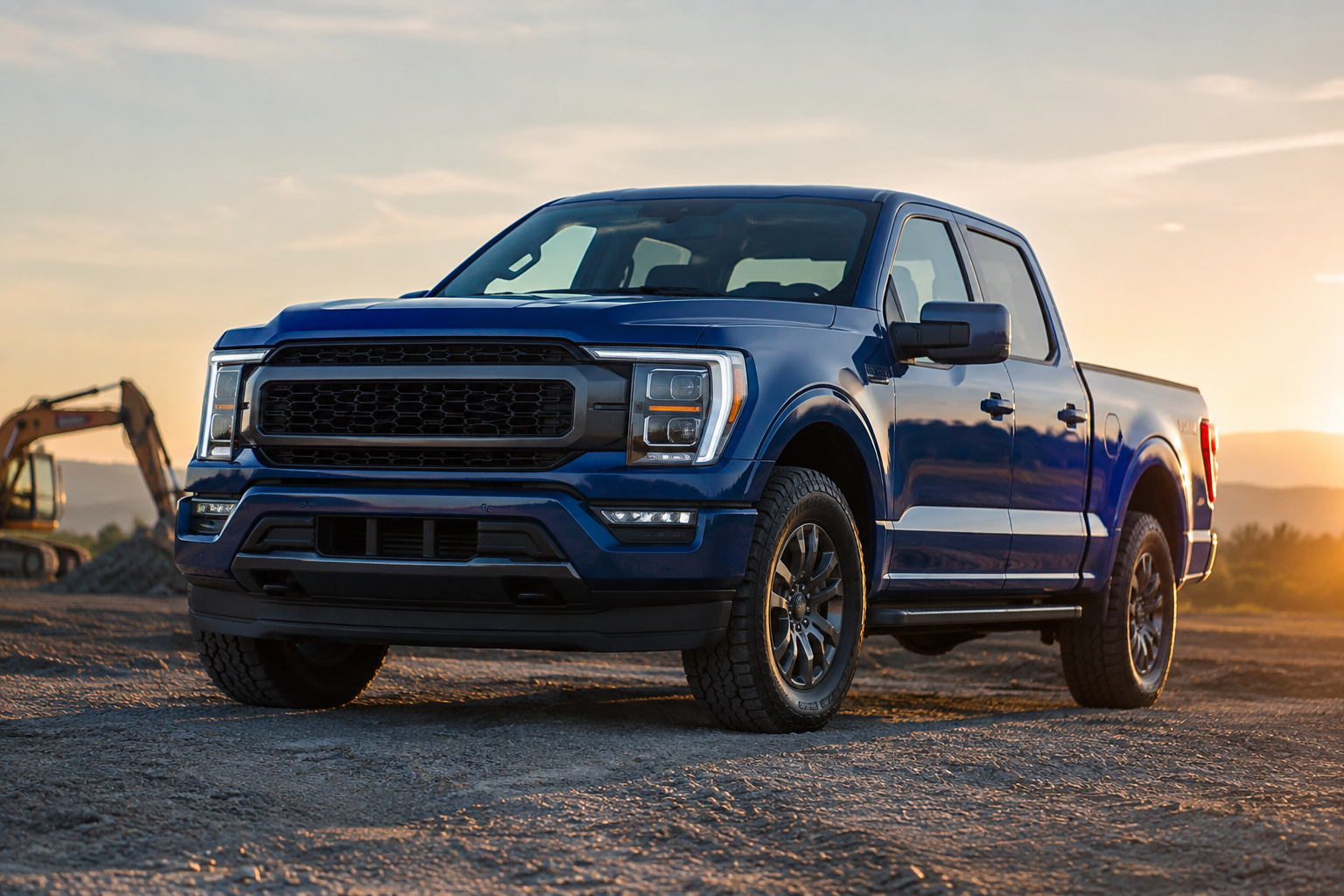
Ford’s Coyote V8 brought a modern, high-revving design to the F-150 without sacrificing the durability truck buyers expect. Unlike the turbocharged EcoBoost options of the same era, the naturally aspirated 5.0L has no turbo components to fail and a timing chain design that lasts the life of the truck.
Spark plug replacement on these engines has a reputation for being tricky due to plug thread issues, so it’s worth having a shop handle that specific job. Everything else, from the 6-speed automatic to the drivetrain, has a strong long-term track record.
9. Mazda MX-5 Miata (2006-2015, 2.0L MZR)
The NC and early ND generation Miatas use a naturally aspirated 2.0-liter four-cylinder that’s about as mechanically simple as a modern car gets. No turbo, no complex hybrid system, just a lightweight car with a proven engine and a manual transmission that owners praise for lasting well past 150,000 miles.
Rust around the rear subframe is the main thing to inspect on older examples, especially in northern climates. Maintenance costs are low since the four-cylinder is cheap to service and parts are plentiful.
10. Lexus GX 470 (2003-2009, 4.7L 2UZ-FE V8)
The GX 470 is basically a Land Cruiser Prado wearing a Lexus badge, and it shares the tough 2UZ-FE V8 with the Tundra and Sequoia from the same era. This truck is a favorite in overlanding circles precisely because it rarely strands anyone.
Fuel economy is poor and the air suspension can get pricey to fix if neglected, but the drivetrain itself is nearly indestructible. Annual maintenance runs a bit higher than a Camry, but still well below what you’d pay for a European SUV of similar age.
No matter which of these you end up with, a code reader in your glove box is one of the cheapest ways to catch small issues before they become expensive ones, especially on vehicles pushing past the 100,000-mile mark.

FOXWELL NT301 OBD2 Scanner
A compact, affordable scanner that’s great for owners who just want to read and clear codes without a subscription.
What Keeps These Vehicles Out of the Shop
Every vehicle on this list shares a few traits: naturally aspirated or lightly stressed engines, conventional transmissions instead of dual-clutch or overly complex CVTs, and simple cooling systems without a dozen sensors that can fail. None of them are engineering marvels. They’re just built with margin, which is exactly what keeps repair bills low.
That doesn’t mean you can skip maintenance. Even the toughest engines wear out fast without regular oil changes, and small issues like a humming noise from the rear that gets louder with speed can point to a wheel bearing that’s cheap to fix now and expensive to ignore.
Frequently Asked Questions
Are older cars always more reliable than new ones?
Not necessarily. Some newer engines, like Toyota’s Dynamic Force four-cylinders, have actually improved on older designs by reducing carbon buildup and simplifying timing components. Reliability depends more on the specific engine and transmission combination than the car’s age.
Why did you leave Honda Civic and Subaru Outback off this list?
The Civic is a solid car overall, but its more recent CVT-equipped models don’t stand out compared to the Corolla and Accord picks above. Subaru’s boxer engines have a documented head gasket history in certain years, which you can read about in our Subaru Outback years to avoid guide before shopping one.
How much should I budget annually for a reliable used car?
For most vehicles on this list, expect a modest annual budget covering oil changes, filters, and one or two wear items like brake pads. Trucks and body-on-frame SUVs run slightly higher due to larger tires and more fluid volume, but none of these come close to the repair bills associated with luxury European brands.
Keep the Reliability Streak Going
Buying a reliable vehicle is only half the job. The other half is staying on top of basic maintenance so it stays that way. Check out our guide on resetting your TPMS system and our car AC maintenance guide to keep small problems from turning into big ones.

Leave a Reply