
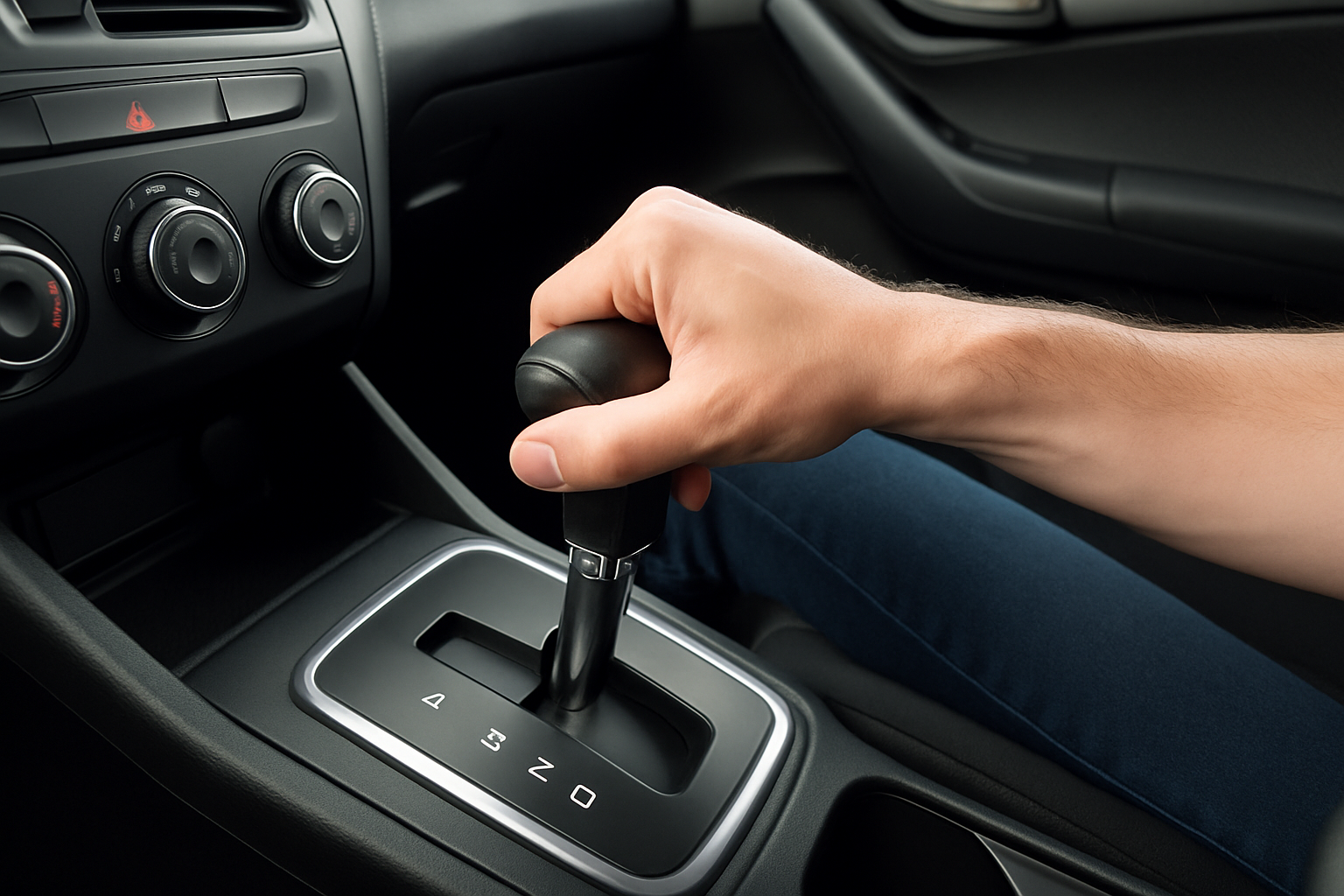
Few automotive problems feel as helpless as being stuck in your driveway because your car refuses to shift out of park. This frustrating issue affects drivers across all vehicle makes and models, turning a simple trip to the store into a major headache.
While a car that won’t shift out of park might seem like a complex transmission problem, the cause is usually much simpler than you’d expect. Most cases trace back to a failed brake light switch or a malfunctioning shift interlock system, both of which you can often diagnose and sometimes fix yourself.
Understanding Your Car’s Shift Interlock System
Modern vehicles use a safety feature called a shift interlock system that prevents you from shifting out of park unless specific conditions are met. This system requires your foot on the brake pedal and the ignition turned on before allowing the transmission to move out of park.
The shift interlock serves an important safety purpose by preventing accidental gear changes that could cause the vehicle to roll unexpectedly. When this system malfunctions, however, it can trap your car in park even when you’re pressing the brake pedal correctly.
Two main components control this system: the brake light switch and the shift interlock solenoid. When either component fails, your transmission gets stuck in park until you address the underlying problem.
Quick Diagnosis: Check Your Brake Lights First
Before diving into complex repairs, start with the simplest diagnostic test available. Walk to the back of your vehicle and have someone press the brake pedal while you watch the brake lights.
If your brake lights don’t illuminate when pressing the pedal, you’ve likely found your culprit. A failed brake light switch prevents the shift interlock system from receiving the signal that your foot is on the brake, keeping the transmission locked in park.
This quick test takes less than a minute and can save you hours of unnecessary troubleshooting. When brake lights work properly but you still can’t shift out of park, the problem likely lies with the shift interlock solenoid or related wiring.
The Brake Light Switch: Most Common Culprit
Brake light switch failure accounts for roughly 80% of cars that won’t shift out of park. This small switch, typically located near the top of the brake pedal, serves double duty by controlling both your brake lights and sending a signal to the shift interlock system.
These switches fail gradually over time due to the constant pressing and releasing motion every time you use the brakes. You might notice intermittent problems initially, where the car occasionally refuses to shift out of park before the switch fails completely.
Replacing a brake light switch usually costs between $15-40 for the part, making it one of the most affordable automotive repairs. Most switches simply unplug from their mounting bracket and plug into the new location without requiring tools.
Finding and Using Your Shift Lock Override
Nearly every vehicle with an automatic transmission includes a shift lock override feature for exactly this situation. This manual override allows you to shift out of park when the electronic system fails, giving you a way to move your car to a repair shop.
Look for a small plastic cover or slot near your gear shifter, often labeled “SHIFT LOCK” or showing a key symbol. The exact location varies by vehicle, but common spots include next to the shifter base, on the center console, or integrated into the shifter housing itself.
To use the override, engage your parking brake and turn on the ignition. Remove the plastic cover (if present) and insert your key or a small screwdriver into the override slot. Press down while simultaneously moving the gear shifter out of park.
Keep the override pressed until you’ve successfully shifted into drive or reverse. This method works as a temporary solution to get your vehicle moving but doesn’t fix the underlying problem causing the shift lock malfunction.
Shift Interlock Solenoid Problems
When your brake lights work correctly but the transmission still won’t shift out of park, the shift interlock solenoid becomes the prime suspect. This electronic component receives the signal from the brake light switch and physically releases the shifter mechanism.
Solenoid failure often produces a clicking sound near the shifter when you press the brake pedal. You might hear the solenoid attempting to engage without successfully releasing the shifter mechanism.
Accessing the shift interlock solenoid typically requires removing parts of the center console or shifter assembly. This repair falls into intermediate difficulty territory and may require professional assistance if you’re not comfortable with interior disassembly.
Step-by-Step Troubleshooting Process
Start your diagnosis by confirming the basic requirements are met. Verify that your vehicle is completely stopped, the parking brake is engaged, and the ignition is turned to the “on” or “run” position.
Test your brake lights with an assistant or by backing up to a reflective surface like a garage door. Press the brake pedal firmly and confirm both brake lights illuminate. If they don’t light up, replace the brake light switch before investigating other components.
Check your vehicle’s fuses related to the brake lights and shift interlock system. Your owner’s manual contains a fuse diagram showing the location and amperage of relevant fuses. Replace any blown fuses and test the system again.
Inspect the brake pedal area for obvious problems like a misadjusted brake light switch or damaged wiring. The switch should have a small gap between its button and the brake pedal when the pedal is released.
Professional Repair Considerations
While brake light switch replacement often falls within DIY territory, shift interlock solenoid replacement typically requires professional attention. The labor involved in accessing interior components can quickly escalate repair costs.
Expect to pay between $150-400 for professional brake light switch replacement, depending on your vehicle’s complexity and local labor rates. Shift interlock solenoid replacement generally ranges from $300-600 due to the additional disassembly required.
Some luxury vehicles integrate the shift interlock system with other electronic modules, potentially requiring dealer-level diagnostic equipment. European vehicles particularly tend toward complex integration that challenges independent repair shops.
Prevention and Maintenance Tips
Regular brake system maintenance helps prevent brake light switch failures. Have your brake fluid changed according to manufacturer recommendations, as contaminated fluid can cause internal brake system corrosion.
Pay attention to early warning signs like intermittent brake light operation or occasional difficulty shifting out of park. Addressing these symptoms early prevents getting stranded with a completely failed system.
Avoid riding your brake pedal or resting your foot on the brakes while driving. This habit accelerates brake light switch wear by keeping the switch constantly activated during normal driving.
When to Call for Professional Help
Contact a professional mechanic if your brake lights work correctly but the shift lock override doesn’t allow movement out of park. This situation suggests internal transmission problems or complex electrical faults beyond typical DIY scope.
Vehicles with push-button start systems sometimes experience additional complications related to key fob recognition or steering wheel lock systems. These integrated systems often require specialized diagnostic equipment to identify the root cause.
If you discover multiple electrical problems simultaneously, such as brake lights and turn signals both failing, you might be dealing with a broader wiring harness issue that requires professional diagnosis.
Frequently Asked Questions
Can I drive with a broken brake light switch?
You shouldn’t drive with a failed brake light switch because your brake lights won’t warn other drivers when you’re slowing down. This creates a serious safety hazard and violates traffic laws in most jurisdictions. Replace the switch immediately or use alternative transportation until repairs are completed.
Will disconnecting the battery reset the shift interlock system?
Disconnecting the battery rarely fixes shift interlock problems because these issues typically stem from hardware failures rather than software glitches. While a battery disconnect might temporarily clear error codes, the underlying brake light switch or solenoid failure will immediately recreate the problem.
How long do brake light switches typically last?
Most brake light switches last between 50,000-100,000 miles under normal driving conditions. Frequent stop-and-go traffic accelerates wear, while highway driving extends switch life. Replace switches at the first sign of intermittent operation rather than waiting for complete failure.
Can cold weather cause shift interlock problems?
Extremely cold temperatures can affect shift interlock operation by reducing electrical conductivity and making mechanical components sluggish. However, temperature-related problems usually resolve as the vehicle warms up. Persistent issues in cold weather more likely indicate a failing component that needs replacement.
Leave a Reply