
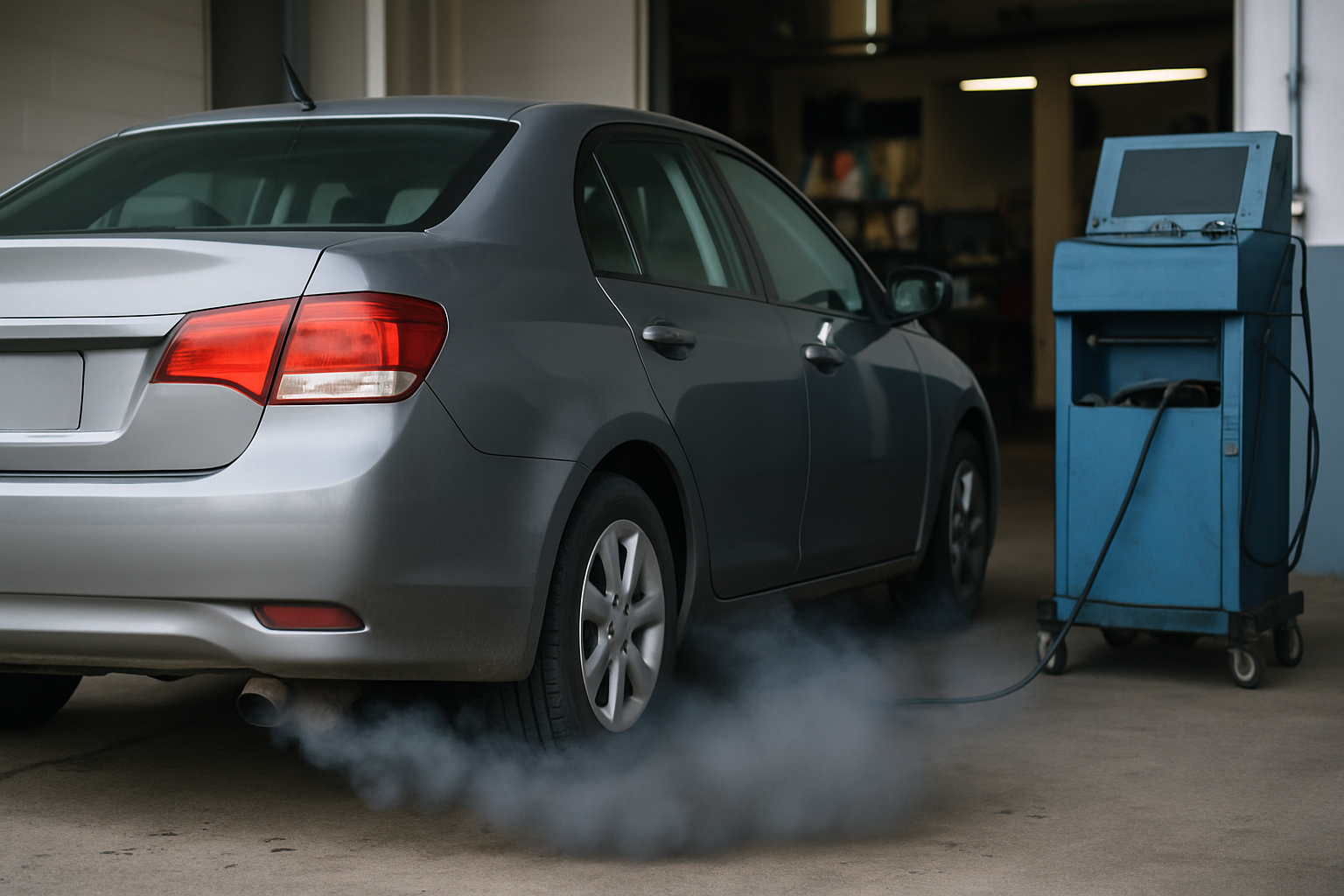
When your car fails an emissions test, it can feel like a punch to the wallet. You’re facing expensive repairs, registration delays, and the stress of figuring out what went wrong. The good news is that many emission failures can be fixed without breaking the bank if you know what to look for.
Understanding the most common causes of emission test failures and their cheapest solutions can save you hundreds or even thousands of dollars. Let’s explore why cars fail emissions tests and the most cost-effective ways to get back on the road legally.
How Emissions Testing Actually Works
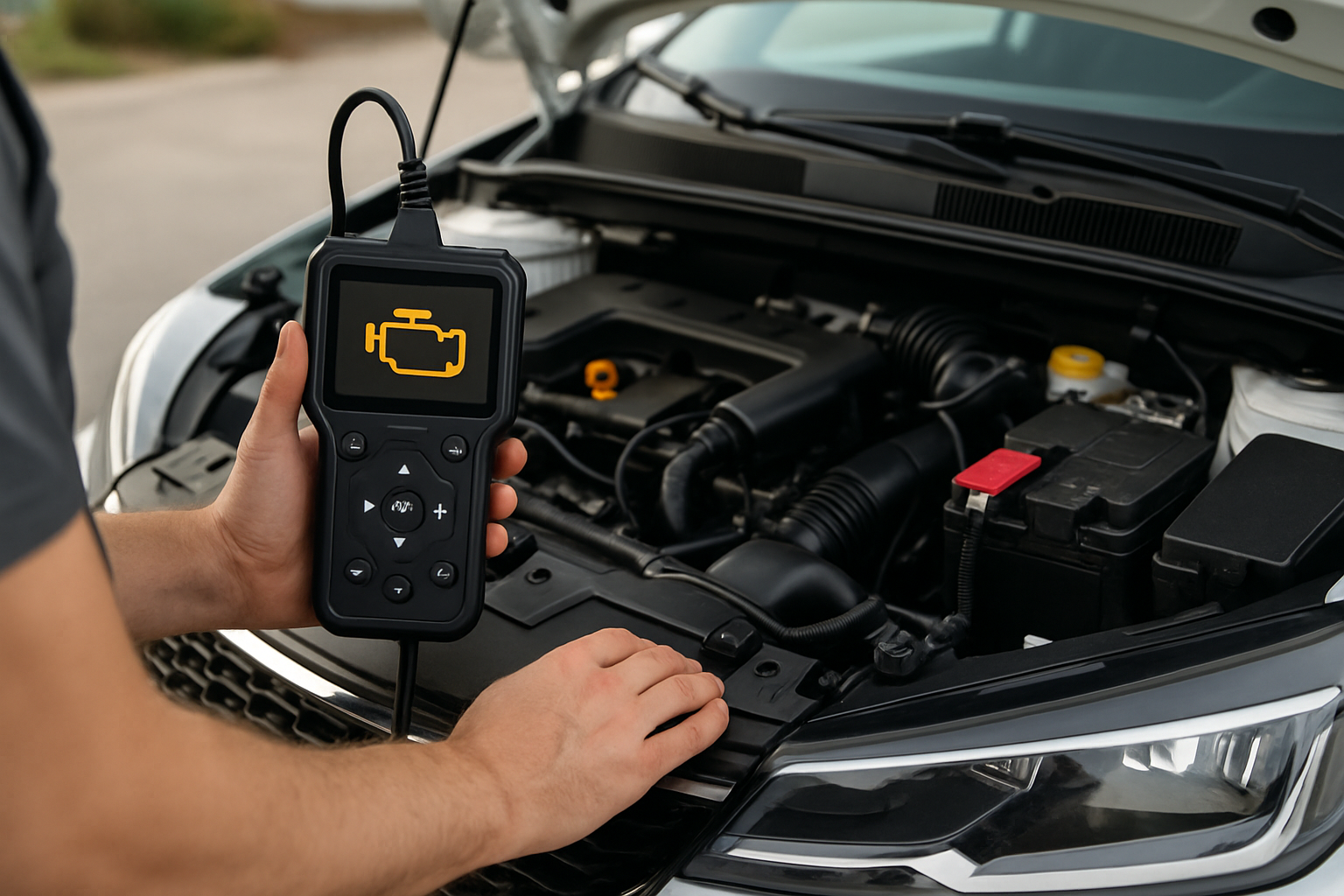
Modern emissions testing isn’t just about measuring what comes out of your tailpipe. The test connects directly to your car’s computer system through the OBD2 port, checking for error codes and monitoring system readiness.
Your car’s computer constantly monitors dozens of systems that affect emissions. These include the oxygen sensors, catalytic converter, evaporative emission system, and exhaust gas recirculation valve. If any system shows a problem or isn’t ready for testing, you’ll fail automatically.
Most states require that all readiness monitors show “ready” status before testing can proceed. This means even if your car runs fine, it might not pass if these internal checks haven’t completed their cycles.
The Automatic Failure: Check Engine Light
If your check engine light is on, don’t even bother driving to the testing station. Any illuminated check engine light results in an automatic failure, regardless of your actual emissions levels.
The check engine light indicates your car’s computer has detected a problem that could affect emissions. Even minor issues like a loose gas cap can trigger this light and cause a failure.
Before addressing other potential problems, you need to diagnose and clear any stored error codes. Many auto parts stores will scan your codes for free, giving you a starting point for repairs.
Cheapest Fix for Check Engine Light Issues
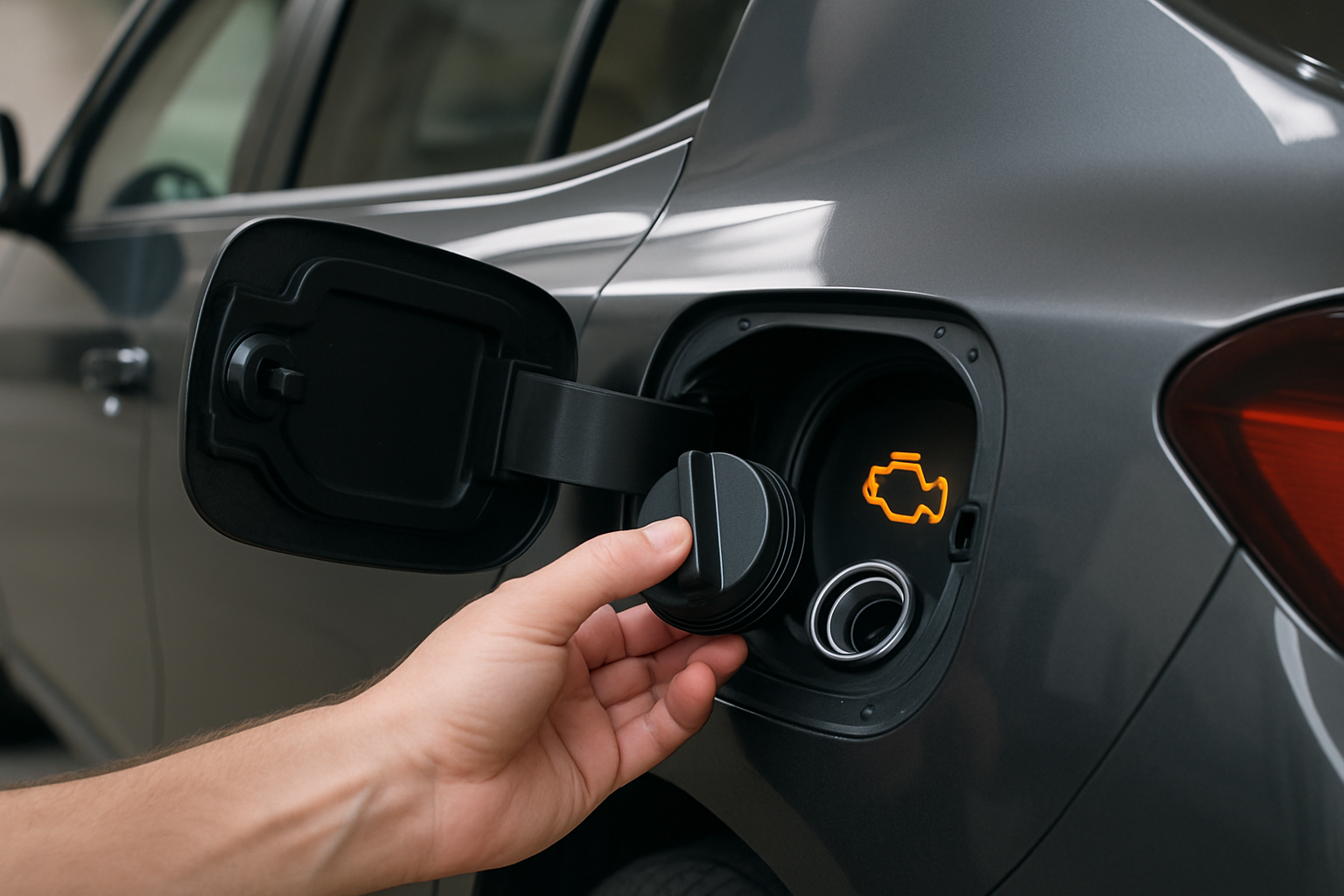
Start with the simplest solution first. Remove your gas cap, inspect the rubber seal for cracks or debris, and reinstall it properly. Make sure it clicks at least three times when tightening.
A faulty or loose gas cap causes the evaporative emission system to fail, triggering error codes P0440, P0441, or P0442. A new gas cap costs $15-30 and fixes this problem permanently.
After replacing or properly tightening the gas cap, you’ll need to clear the codes and drive for several days to allow the system to reset. The check engine light should turn off once the computer confirms the repair worked.
Drive Cycle Readiness Monitors
Even without a check engine light, your car might fail if the readiness monitors aren’t complete. These monitors run specific tests on emission-related systems, but only under certain driving conditions.
If you recently cleared codes, replaced a battery, or had major repairs done, the monitors reset to “not ready” status. You’ll need to complete a drive cycle to get them ready for testing.
Different manufacturers have different drive cycle requirements, but most involve a combination of city and highway driving over several days. The car needs to experience cold starts, steady cruising, and various load conditions.
Completing Your Drive Cycle
Start with a cold engine that’s been sitting for at least eight hours. Drive gently for the first few minutes to allow the engine to warm up gradually.
Include steady highway driving at 55-65 mph for at least 10 minutes. This helps complete the catalyst monitor and oxygen sensor tests. Avoid jackrabbit starts and hard braking during this process.
Plan to drive 100-200 miles over several days with varied conditions. Check your readiness status with an OBD2 scanner before heading to the test station. Basic scanners cost around $25 and pay for themselves quickly.
Oxygen Sensor Problems
Oxygen sensors measure the air-fuel mixture in your exhaust and help optimize engine performance. When they fail, your car runs rich or lean, causing increased emissions and poor fuel economy.
Symptoms include rough idling, poor acceleration, black smoke from the exhaust, and significantly worse gas mileage. O2 sensor failures trigger codes like P0130, P0131, P0132, or similar numbers for other sensor locations.
Most cars have between two and four oxygen sensors. The upstream sensors (before the catalytic converter) are more critical for emissions control than the downstream sensors.
Budget-Friendly O2 Sensor Replacement
Aftermarket oxygen sensors cost $30-80 each, while dealer parts can run $150-300. Universal sensors require some wiring but cost even less than direct-fit aftermarket options.
You’ll need an oxygen sensor socket (around $10) to remove the old sensor without damaging the wires. Many auto parts stores will loan you this tool if you don’t want to buy one.
Replace upstream sensors first if multiple sensors are failing. These have the biggest impact on emissions test results. Downstream sensors mainly monitor catalytic converter efficiency.
Apply anti-seize compound to the threads of the new sensor before installation. This prevents the sensor from seizing in the exhaust manifold and makes future replacement much easier.
Catalytic Converter Issues
Catalytic converters reduce harmful emissions by converting pollutants into less dangerous gases. When they fail, your car produces excessive hydrocarbons, carbon monoxide, and nitrogen oxides.
Common symptoms include rattling sounds from underneath the car, reduced acceleration, dark exhaust smoke, and sulfur smells. Failed catalytic converters trigger codes P0420 or P0430.
Before replacing an expensive catalytic converter, verify that upstream oxygen sensors are working correctly. Faulty O2 sensors can damage catalytic converters and will cause new converters to fail quickly.
Catalytic Converter Solutions on a Budget
Aftermarket catalytic converters cost $100-400, while OEM replacements can exceed $1000. Make sure any replacement meets EPA standards for your state and vehicle year.
Some states allow high-flow catalytic converters that cost less than OEM units but still meet emissions requirements. Check your local regulations before purchasing.
Try catalytic converter cleaner additives before replacement. Products like Cataclean cost around $25 and occasionally restore function to mildly clogged converters. Pour the entire bottle into a nearly empty gas tank and drive until empty.
If replacement is necessary, consider universal converters that require welding or clamping into your existing exhaust system. These cost significantly less than direct-fit units but require more installation work.
Evaporative Emission System Problems
The EVAP system captures fuel vapors from your gas tank and burns them in the engine instead of releasing them to the atmosphere. This system includes the gas cap, charcoal canister, purge valve, and various hoses and sensors.
EVAP problems often don’t affect how your car runs, making them easy to ignore. However, they’ll cause emissions test failures and trigger codes like P0440, P0441, P0442, P0443, or P0446.
Small leaks in vacuum hoses, a failing purge valve, or a saturated charcoal canister can all cause EVAP system failures. These problems often develop gradually and worsen over time.
Inexpensive EVAP System Repairs
Start by inspecting all vacuum hoses connected to the EVAP system. Look for cracks, loose connections, or hoses that have hardened and become brittle. Replacement vacuum hose costs less than $10 for several feet.
The purge valve controls when fuel vapors flow from the charcoal canister to the engine. These valves cost $25-60 and are usually easy to replace with basic tools.
Clean or replace the charcoal canister if it’s saturated with fuel. This happens when you consistently overfill your gas tank or top off after the pump shuts off. A new canister costs $50-150 depending on your vehicle.
Pre-Test Preparation Strategy
Don’t show up for emissions testing without preparing your car first. A few simple steps can dramatically improve your chances of passing on the first attempt.
Change your engine oil if it’s overdue and replace the air filter if it’s dirty. Clean oil and a fresh air filter help your engine run more efficiently and produce fewer emissions.
Warm up your engine before the test by driving for at least 20 minutes. A fully warmed catalytic converter works much more efficiently than a cold one.
Day-of-Test Tips
Fill up with premium gasoline a few days before testing. Higher octane fuel burns cleaner and can help borderline cases pass emissions tests.
Add a bottle of fuel system cleaner to your tank about 100 miles before testing. This helps remove carbon deposits that can increase emissions readings.
Check that your tire pressure is correct and your engine is running smoothly. Any performance issues can affect emissions test results.
When Professional Help Makes Sense
While many emission problems have cheap DIY solutions, some issues require professional diagnosis and repair. Intermittent problems, multiple system failures, or complex computer issues often need expert attention.
Get a professional diagnostic scan if you have multiple error codes or if simple fixes don’t resolve your problems. Many shops charge $100-150 for comprehensive diagnostics, which can save money by identifying the root cause.
Consider the value of your car when deciding how much to spend on repairs. If repair costs exceed your car’s value, it might be time to consider replacement rather than expensive fixes.
Frequently Asked Questions
How long do I have to drive after clearing codes before retesting?
Most readiness monitors require 50-100 miles of varied driving conditions to complete. Some monitors, particularly the catalyst monitor, may need up to 200 miles and several cold starts to show ready status.
Can I pass emissions with one monitor not ready?
Most states allow one monitor to show “not ready” status, but this varies by location and vehicle age. Check your local regulations, as some areas require all monitors to be ready for newer vehicles.
Will disconnecting my battery reset emission monitors?
Yes, disconnecting the battery clears all stored codes and resets readiness monitors to “not ready” status. You’ll need to complete drive cycles for all monitors before retesting.
How much should I expect to spend on emissions repairs?
Simple fixes like gas caps or vacuum hoses cost under $50. Oxygen sensors typically run $50-150 including installation. Catalytic converter replacement can cost $200-800 depending on your vehicle and choice of parts.
This article contains affiliate links. If you purchase through these links, we may earn a small commission at no extra cost to you.

Leave a Reply