
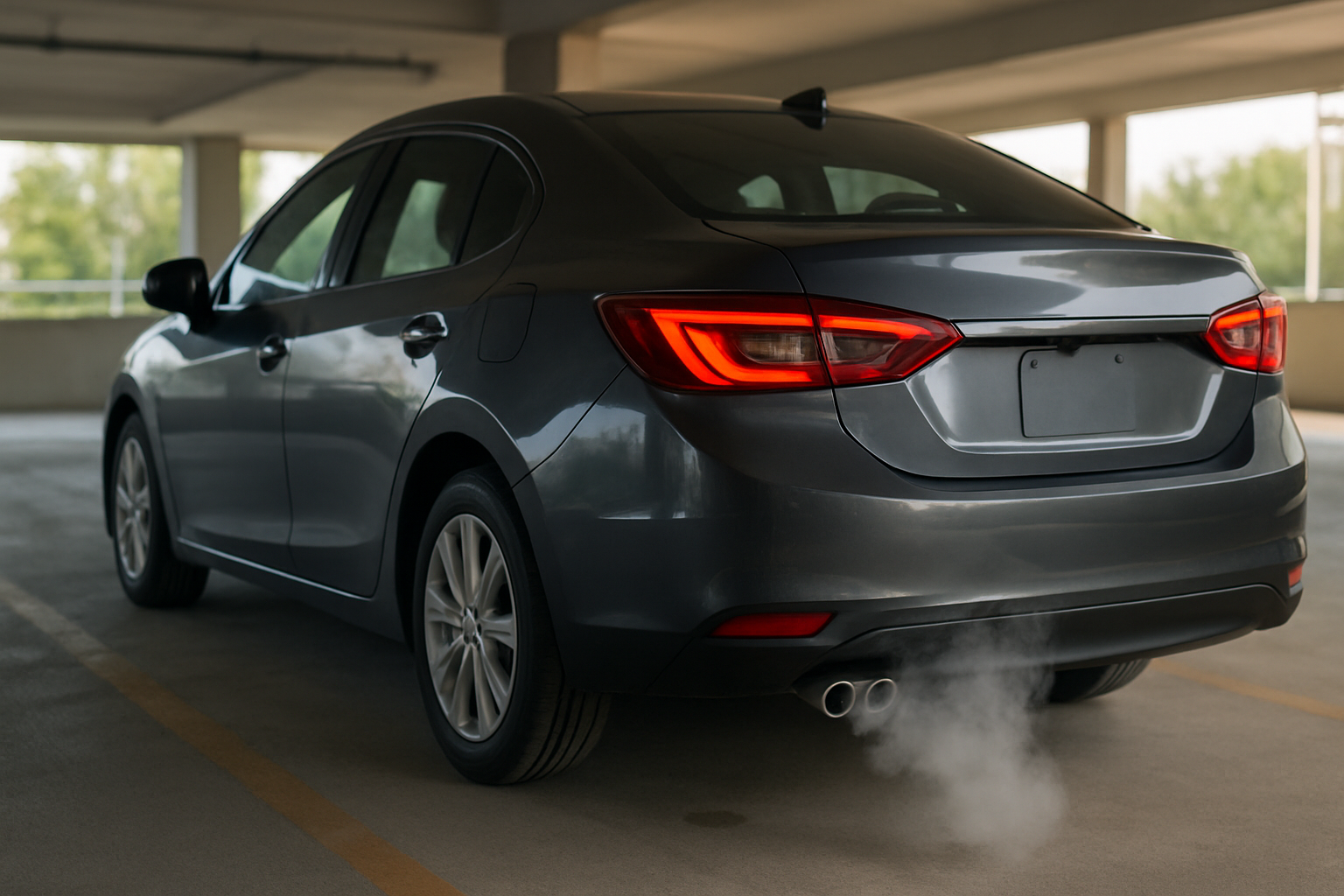
That unmistakable rotten egg smell coming from your car isn’t just unpleasant, it’s your vehicle trying to tell you something important. This sulfurous odor typically signals a problem with your car’s emissions system, and while it might not leave you stranded immediately, it definitely requires attention.
What Causes the Rotten Egg Smell in Your Car
The rotten egg smell you’re experiencing is actually hydrogen sulfide gas. Your car’s fuel naturally contains small amounts of sulfur compounds, which normally get processed through the catalytic converter and transformed into odorless sulfur dioxide before exiting through your exhaust.
When this process breaks down, you end up with that distinctive stench that reminds you of rotten eggs. The smell can come from several different sources, but they all relate to how your car processes sulfur in the fuel system.
The Main Culprits Behind the Sulfur Smell
Catalytic Converter Problems
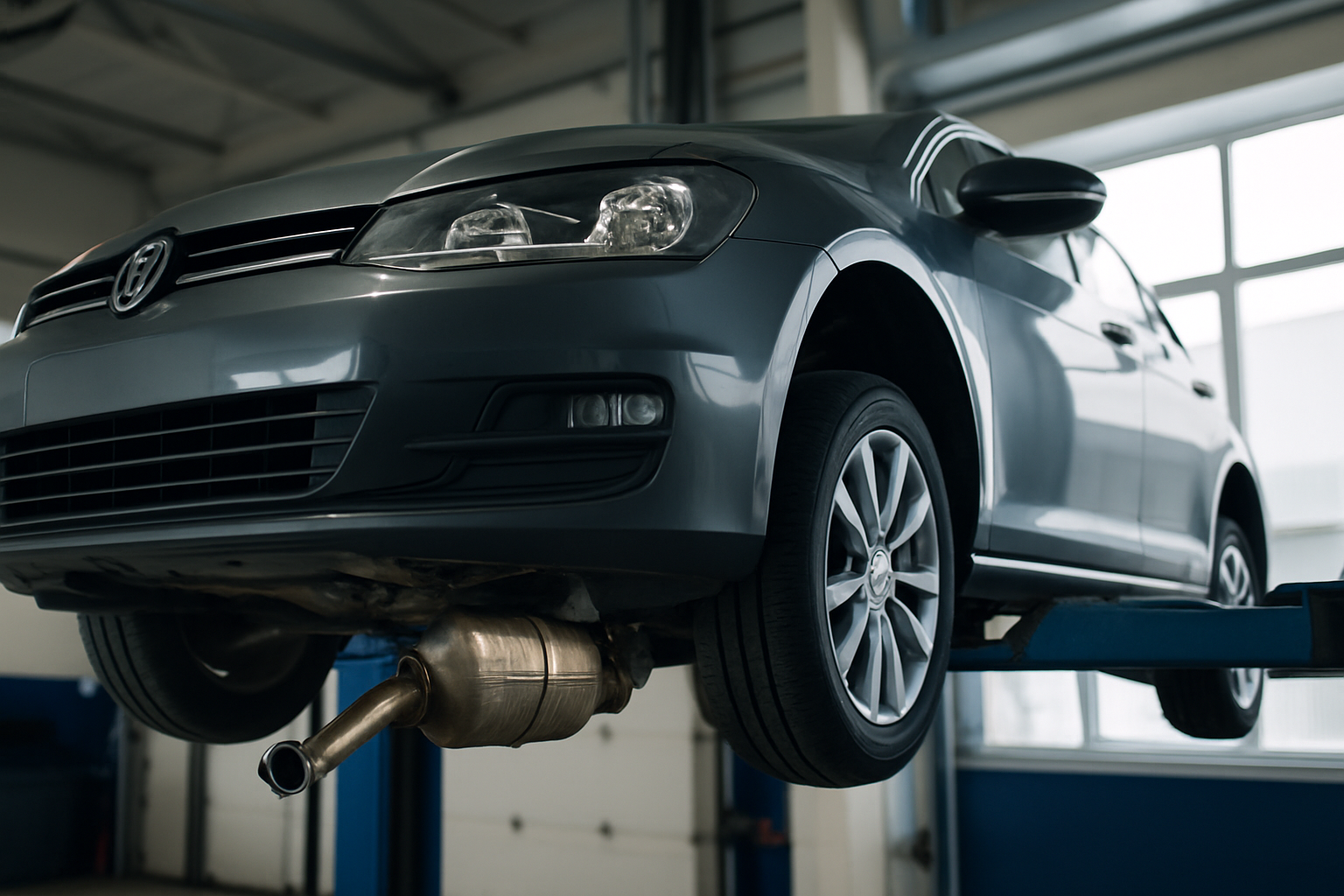
Your catalytic converter is the most likely suspect when you smell rotten eggs. This critical emissions component uses precious metals like platinum, palladium, and rhodium to convert harmful gases into less toxic substances.
When the catalytic converter starts failing, it can’t properly process the sulfur compounds in your exhaust. Instead of converting hydrogen sulfide into sulfur dioxide, the failing converter allows the smelly gas to pass through unchanged.
A clogged or contaminated catalytic converter will produce this smell consistently, especially during acceleration or when the engine is under load. You might also notice reduced power, poor fuel economy, and potentially a check engine light.
Fuel Quality Issues
Bad or contaminated fuel can overwhelm even a healthy catalytic converter. Some gas stations unfortunately sell fuel with higher sulfur content than others, particularly older or poorly maintained stations.
If you filled up at a questionable station and the smell started shortly after, try running the tank down and refueling at a reputable brand-name station. Sometimes the problem resolves itself once the bad fuel works its way through your system.
Fuel that’s been sitting too long can also develop sulfur compounds that create this smell. This happens more often with vehicles that sit unused for extended periods.
Stuck Fuel Pressure Regulator
A malfunctioning fuel pressure regulator can cause your engine to run rich, meaning it’s getting too much fuel relative to air. This rich condition forces your catalytic converter to work overtime processing the excess fuel.
When the converter gets overwhelmed by too much fuel, it can’t efficiently handle the sulfur compounds, leading to that rotten egg smell. A stuck fuel pressure regulator might also cause rough idling, poor acceleration, and increased fuel consumption.
When the Catalytic Converter Is Actually Failing
The rotten egg smell often serves as an early warning that your catalytic converter is on its way out. Here are the key signs that indicate your converter is actually failing rather than just dealing with bad fuel:
Persistent smell during normal driving: If the odor appears during regular driving conditions, not just after hard acceleration or climbing hills, your converter likely has internal damage.
Smell gets worse over time: A failing catalytic converter will produce increasingly stronger odors as the internal catalyst material degrades further.
Check engine light with P0420 or P0430 codes: These specific diagnostic codes indicate catalyst efficiency below threshold, which often accompanies the rotten egg smell.
Reduced performance: A failing converter creates backpressure that reduces engine power and acceleration. You’ll notice your car feels sluggish, especially when merging or climbing grades.
Is the Rotten Egg Smell Dangerous
The rotten egg smell itself poses minimal immediate danger to most people, but you shouldn’t ignore it. Hydrogen sulfide in small concentrations typically just causes discomfort and nausea.
However, the underlying problems causing the smell can lead to more serious issues. A failing catalytic converter will eventually trigger your check engine light and could cause your vehicle to fail emissions testing.
More concerning is what happens if you continue driving with a severely damaged converter. The internal catalyst material can break apart and get sucked back into your engine, potentially causing expensive internal damage.
People with respiratory sensitivities, asthma, or other breathing conditions should take the smell more seriously. Even low concentrations of hydrogen sulfide can trigger breathing difficulties in sensitive individuals.
What to Do About the Smell
Immediate Steps
First, try running your car with a full tank of high-quality fuel from a major brand station. Add a bottle of fuel system cleaner designed for catalytic converters. Products like Cataclean or CRC Guaranteed to Pass can help remove deposits that might be interfering with converter function.
Drive the vehicle normally for a few days to see if the smell diminishes. Sometimes a converter that’s just starting to get contaminated can recover with better fuel and a cleaning additive.
If the smell persists or gets worse, you’ll need professional diagnosis. A mechanic can test your catalytic converter’s efficiency and check for related problems like fuel pressure issues or engine management problems.
Professional Diagnosis
A proper diagnosis involves checking exhaust gas temperatures before and after the catalytic converter, measuring backpressure, and running computer diagnostics to check for error codes.
Your mechanic should also inspect the fuel pressure regulator, test fuel pressure under various conditions, and check for vacuum leaks that might cause rich running conditions.
Don’t assume you need a new catalytic converter just because of the smell. Sometimes addressing upstream problems like faulty oxygen sensors or fuel delivery issues will eliminate the odor and restore normal converter function.
Prevention and Maintenance
You can help prevent catalytic converter problems and sulfur smells by maintaining your vehicle properly. Regular oil changes with the correct oil specification prevent contamination that can damage the converter.
Using quality fuel from reputable stations reduces the likelihood of getting contaminated gas with excessive sulfur content. Top-tier gasoline brands include additional detergents that help keep your fuel system clean.
Address check engine lights promptly. Ignoring problems like faulty oxygen sensors or misfiring cylinders can quickly damage an otherwise healthy catalytic converter.
Consider adding fuel system cleaner every few thousand miles, especially if you frequently drive short distances or let your car sit unused for extended periods.
Cost Considerations
Catalytic converter replacement costs vary significantly depending on your vehicle. Mainstream cars might need $500-1200 for a new converter, while luxury vehicles or trucks can cost $2000-3000 or more.
Some vehicles have multiple catalytic converters, which increases replacement costs. Trucks and SUVs often have separate converters for each bank of cylinders.
Less expensive repairs like fuel pressure regulator replacement typically run $200-400 including parts and labor. This makes proper diagnosis important, since you don’t want to replace a costly converter unnecessarily.
Frequently Asked Questions
Can I drive my car if it smells like rotten eggs?
You can drive short distances if necessary, but you should address the problem quickly. Continuing to drive with a failing catalytic converter can cause additional damage and more expensive repairs. Avoid hard acceleration and extended highway driving until you resolve the issue.
Will the smell go away on its own?
If the smell is caused by one tank of bad fuel, it might disappear after you refuel with quality gas and drive for a while. However, smells caused by failing components like catalytic converters or fuel pressure regulators will persist and typically get worse over time.
Does cold weather affect the rotten egg smell?
Cold weather can make the smell more noticeable because catalytic converters work less efficiently when they’re not fully warmed up. You might notice the odor more during winter months or on short trips when the converter doesn’t reach optimal operating temperature.
Can aftermarket parts cause this smell?
Aftermarket catalytic converters or fuel system components can sometimes cause sulfur smells if they’re not designed properly for your specific vehicle. Cheap replacement converters might not have sufficient catalyst material to handle sulfur compounds effectively. Quality aftermarket parts from reputable manufacturers typically don’t cause these issues.

Leave a Reply