
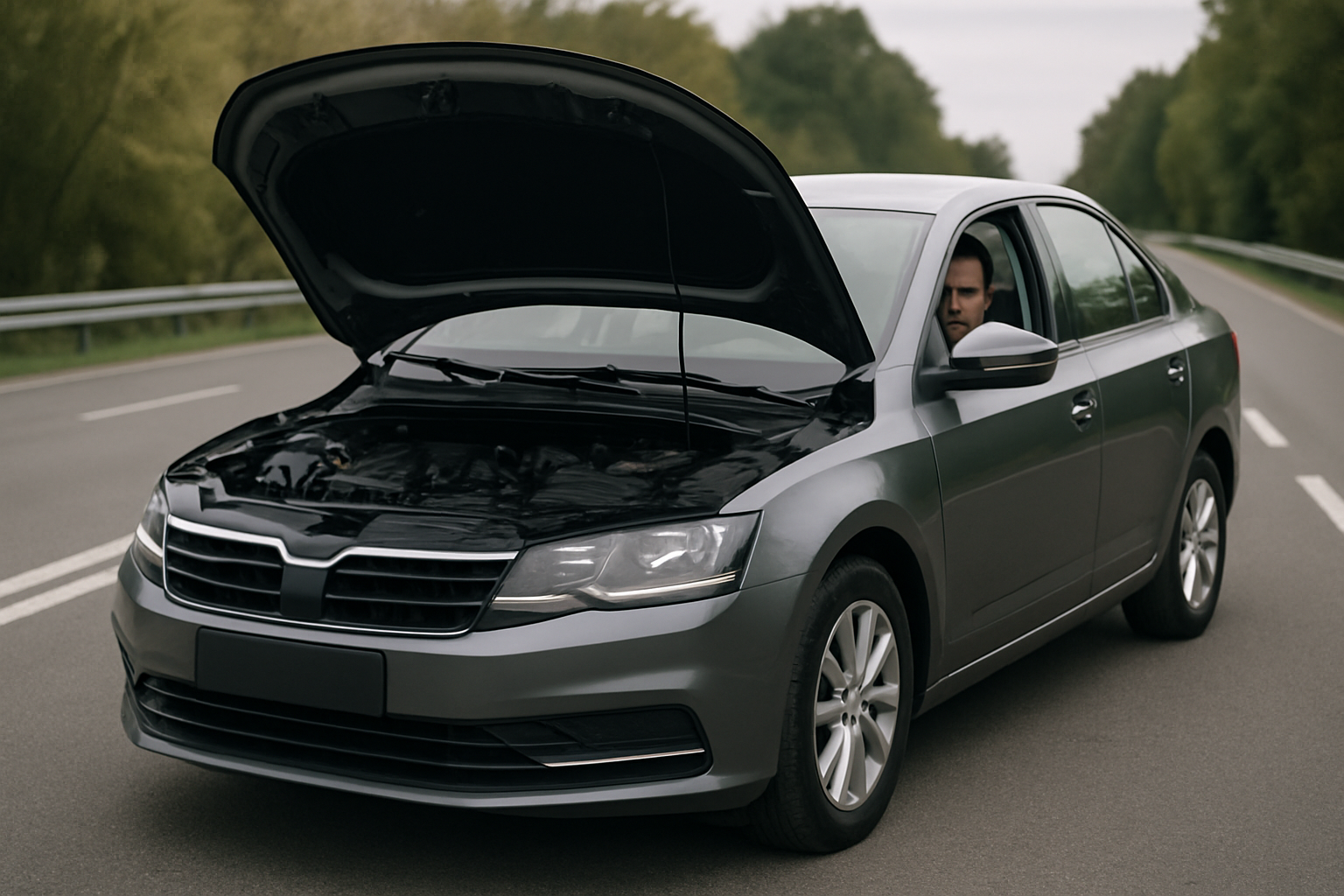
Few automotive problems are more frustrating than a car that suddenly shuts off while you’re driving, only to start right back up like nothing happened. This intermittent issue can leave you stranded at the worst possible moment and often stumps even experienced mechanics.
When your car randomly dies while driving but fires right back up, you’re dealing with what mechanics call an “intermittent fault.” These are notoriously difficult to diagnose because the problem comes and goes without warning, often leaving no trace in your car’s computer system.
Why Intermittent Stalling Problems Are So Tricky
Unlike a completely dead battery or a broken alternator, intermittent stalling issues don’t follow predictable patterns. Your car might run perfectly for weeks, then suddenly cut out three times in one day. This randomness makes it nearly impossible to recreate the problem when you’re at the mechanic’s shop.
Most intermittent stalling problems stem from electrical components that are failing gradually. They work most of the time but occasionally lose connection or overheat, causing your engine to shut down momentarily.
The Most Common Culprits
Crankshaft Position Sensor
Your crankshaft position sensor tells the engine computer when to fire the spark plugs and inject fuel. When this sensor starts failing, it can send erratic signals or cut out completely, causing your engine to die instantly.
The tricky part about a failing crank sensor is that it often works fine when cool but fails when it gets hot from engine operation. After you turn the car off and let it sit for a few minutes, the sensor cools down and starts working again.
You might notice this happens more often during summer months or after extended highway driving when engine temperatures are highest. Sometimes the car will crank but won’t start immediately after stalling, then start normally after cooling down for 5-10 minutes.
Fuel Pump Overheating
Electric fuel pumps can overheat and temporarily shut down, especially when your gas tank is low. The fuel in your tank actually helps cool the pump, and when you’re running on fumes, the pump works harder and gets hotter.
If your stalling problems happen more often when your tank is below a quarter full, suspect the fuel pump. You might also notice the engine hesitating or jerking before it completely shuts off, as the pump struggles to maintain proper fuel pressure.
A failing fuel pump relay can cause similar symptoms. This small, inexpensive component controls power to the fuel pump and can develop intermittent connection problems that cause random stalling.
Faulty Ignition Switch
Your ignition switch does more than just start the car. It maintains power to critical engine systems while you’re driving. When the switch starts wearing out internally, it can lose connection intermittently, cutting power to the fuel pump, ignition system, or engine computer.
This problem often gets worse over time as the internal contacts in the switch deteriorate. You might notice other electrical issues developing, like the radio cutting out, dashboard lights flickering, or accessories losing power momentarily.
Cars with heavy key chains are particularly prone to ignition switch problems, as the extra weight puts stress on the switch mechanism over time.
Loose Wiring Harness Connections
Electrical connections can work loose over time due to engine vibration, temperature changes, and normal wear. A loose connection in a critical circuit can cause intermittent power loss to essential engine components.
These problems are especially common at connection points that experience movement or heat, such as connections near the engine block, transmission, or exhaust system. Corrosion can also cause intermittent connection problems, particularly in areas exposed to moisture.
Engine wiring harnesses are particularly susceptible because they’re constantly subjected to heat, vibration, and temperature cycling. A connection might work fine when cold but lose contact when components expand from heat.
Diagnosing Your Intermittent Stalling Problem
Start by paying attention to when the problem occurs. Does it happen more often when the engine is hot or cold? When the gas tank is low? During certain weather conditions? These patterns can provide valuable clues about the root cause.
Check for any stored diagnostic trouble codes using an OBD2 scanner, even if your check engine light isn’t on. Sometimes the computer captures fault codes during intermittent problems that can point you toward the failing component.
Inspect obvious electrical connections, particularly around the engine bay. Look for corroded, loose, or damaged connectors. Pay special attention to the main engine harness connections and any wiring that looks heat-damaged or brittle.
Testing the Crankshaft Position Sensor
The crank sensor is one of the most common causes of intermittent stalling. You can test it with a multimeter, but the readings might look normal when the sensor is cool and working properly.
A better test involves monitoring the sensor signal with a scan tool while driving, but this requires specialized equipment. Many shops will replace the crank sensor based on symptoms alone if other causes have been ruled out, since it’s relatively inexpensive.
Checking Fuel System Components
Test your fuel pump pressure with a gauge connected to the fuel rail. The pressure should remain steady while the engine runs and hold pressure when the engine is turned off. A pump that’s overheating will show dropping pressure before the engine stalls.
Check the fuel pump relay by swapping it with an identical relay from another circuit, like the horn or A/C clutch relay. If the problem disappears, you’ve found your culprit.
Professional Diagnosis vs. DIY Troubleshooting
Intermittent problems can be extremely time-consuming to diagnose properly. A professional shop with the right diagnostic equipment can often identify the problem more quickly than you can with basic tools.
However, if you’re mechanically inclined, you can start with the most common causes. Crankshaft position sensors, fuel pump relays, and basic wiring inspections are within the skill level of most DIY mechanics.
Keep detailed records of when the problem occurs, including weather conditions, fuel level, engine temperature, and any patterns you notice. This information will be invaluable whether you fix it yourself or take it to a shop.
Prevention and Long-Term Solutions
Regular maintenance can prevent many intermittent electrical problems. Keep your battery terminals clean and tight, as poor connections can cause voltage fluctuations that stress other electrical components.
Avoid running your gas tank extremely low, as this puts extra stress on the fuel pump and can lead to premature failure. Replace your fuel filter according to your manufacturer’s schedule to keep the fuel system running smoothly.
If you have a heavy key chain, remove extra keys and accessories to reduce stress on your ignition switch. This simple step can significantly extend the life of this critical component.
When to Seek Professional Help
If your basic troubleshooting doesn’t reveal the problem, or if you’re not comfortable working with electrical systems, take your car to a qualified technician. Intermittent problems require patience and systematic diagnosis that can be challenging for DIY mechanics.
Choose a shop that specializes in electrical diagnosis rather than a general repair facility. These problems often require specialized knowledge and equipment that not all shops possess.
Be prepared for potentially higher diagnostic fees, as intermittent problems can take significant time to identify properly. However, proper diagnosis the first time will save you money compared to replacing parts randomly.
Frequently Asked Questions
Is it safe to drive when my car randomly stalls?
Driving with intermittent stalling is dangerous, especially at highway speeds or in heavy traffic. When your engine dies, you lose power steering and braking assistance, making the car much harder to control. Get the problem diagnosed and repaired as soon as possible.
Why does my car start right back up after stalling?
This typically indicates an intermittent electrical problem rather than a mechanical failure. Components like the crankshaft position sensor or fuel pump may be failing gradually, working most of the time but cutting out occasionally when they overheat or lose connection.
Can a bad battery cause intermittent stalling?
Yes, a battery that’s losing its ability to hold a charge can cause voltage fluctuations that lead to stalling. Even if the battery has enough power to start the car, it might not maintain stable voltage under load, causing sensitive electronic components to shut down.
How much should I expect to pay for diagnosis and repair?
Diagnostic fees for intermittent problems typically range from $100-300, depending on how long it takes to identify the issue. Repairs can range from $50 for a simple relay replacement to $500+ for components like fuel pumps or ignition switches. Crankshaft position sensors usually cost $150-400 including labor.
Leave a Reply