

Your car shakes and stumbles at stop lights but smooths right out once you start driving. Rough idle that disappears under load is a specific symptom pattern that narrows the list of suspects considerably.
The engine needs a precise balance of air, fuel, and spark at idle, and even a small disruption throws things off. At higher RPMs, the engine is more forgiving, similar to hesitation issues that only appear during acceleration.
Dirty Throttle Body
The throttle body controls how much air enters the engine. Carbon deposits build up on the throttle plate and bore over time, restricting airflow at idle when the opening is smallest.
At higher throttle positions, there’s enough room for air to flow past the deposits, which is why the car drives fine once you’re moving.
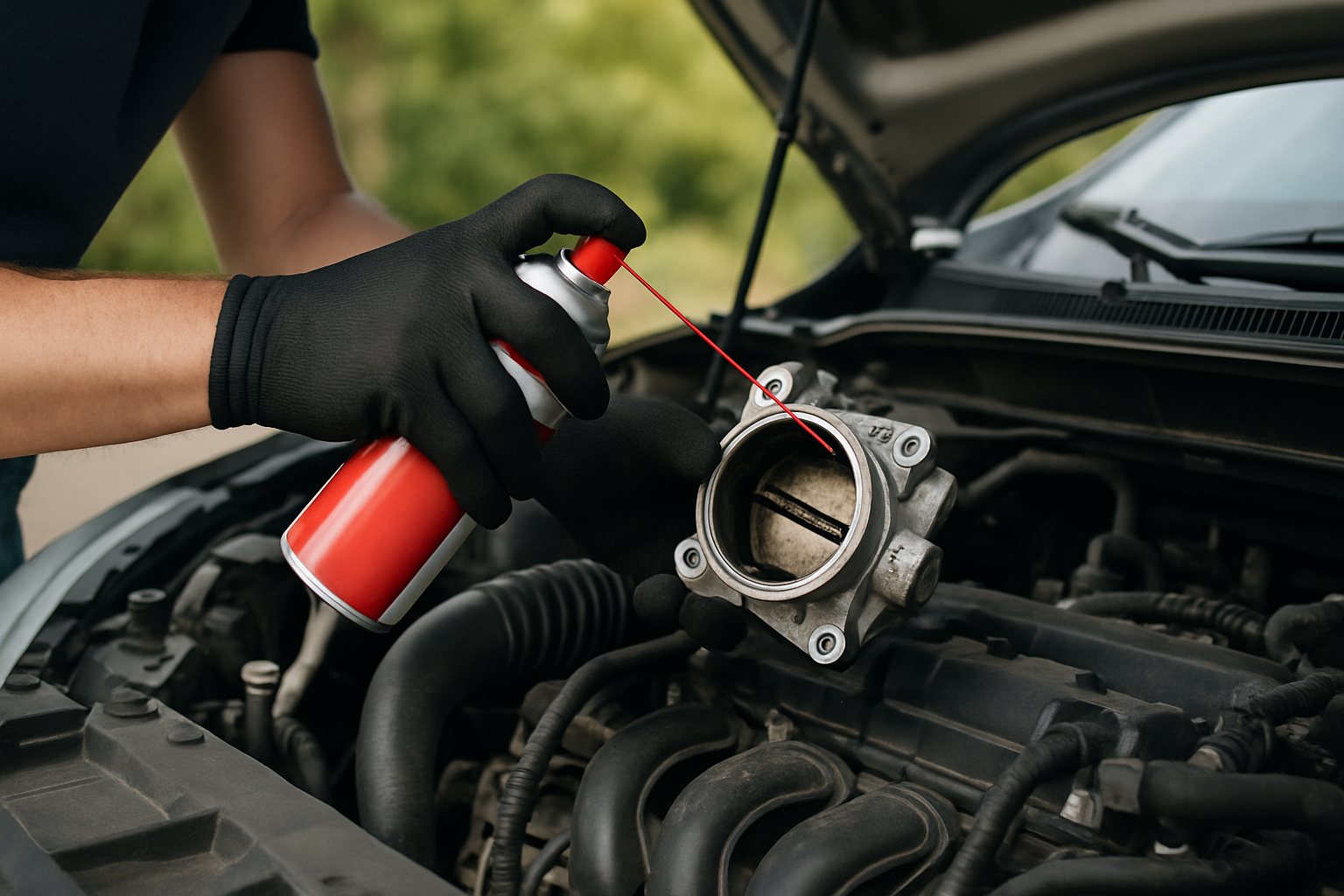
Cleaning the throttle body takes about 15 minutes. Remove the air intake tube, spray throttle body cleaner onto the plate and bore, and wipe it clean with a rag.
Don’t use carburetor cleaner, which can damage the throttle body’s coatings on modern engines.
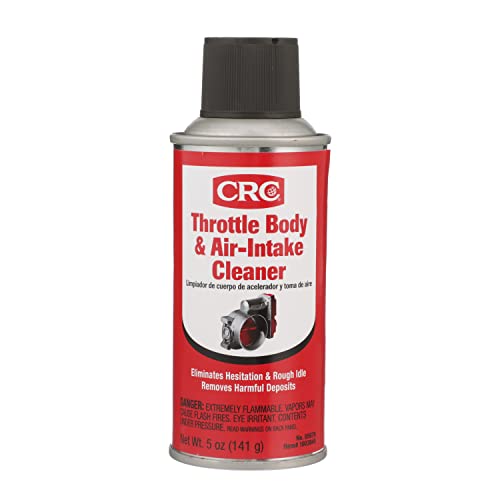
Throttle Body Cleaner
Essential for removing carbon buildup without damaging coatings on modern throttle bodies
Vacuum Leaks
Vacuum leaks introduce unmetered air into the engine (air the computer doesn’t know about). This creates a lean condition that’s most noticeable at idle when the total airflow is low.
A vacuum leak that adds 5% extra air barely matters at highway RPMs but throws off the idle mixture significantly.
Common leak locations include cracked vacuum hoses, loose intake manifold bolts, a failing PCV valve, and deteriorated intake gaskets. You can find leaks by spraying carburetor cleaner around hose connections and gaskets while the engine idles.
If the idle speed changes when you spray a specific spot, you’ve found the leak.
Ignition System Issues
Worn spark plugs, failing ignition coils, or degraded spark plug wires can cause misfires that are most prominent at idle. At higher RPMs, the faster firing rate and higher cylinder pressures help mask weak sparks.
An engine that misfires at idle may set a P0300 (random misfire) or cylinder-specific misfire code.
If your plugs are past their recommended change interval, replacing them is a good starting point. Failing ignition coils often cause misfires on a single cylinder, which you can identify by swapping coils between cylinders and seeing if the misfire follows the coil.

Ignition Coil Pack
Replacement coils can resolve cylinder-specific misfires that appear at idle
Dirty or Failing Mass Airflow Sensor
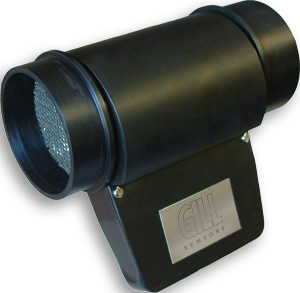
The MAF sensor measures incoming air and tells the computer how much fuel to inject. A contaminated sensor provides inaccurate readings, and the error is most pronounced at low airflow (idle).
Cleaning with MAF sensor cleaner often restores proper function. Only use MAF-specific cleaner, as other sprays can damage the sensing element.
Idle Air Control Valve
On older vehicles (pre-2010), the idle air control (IAC) valve manages airflow during idle specifically. Carbon buildup or electrical failure in this valve causes erratic or rough idle.
Cleaning or replacing the IAC valve directly addresses idle-only issues without affecting driving performance.
Failing Engine Mounts
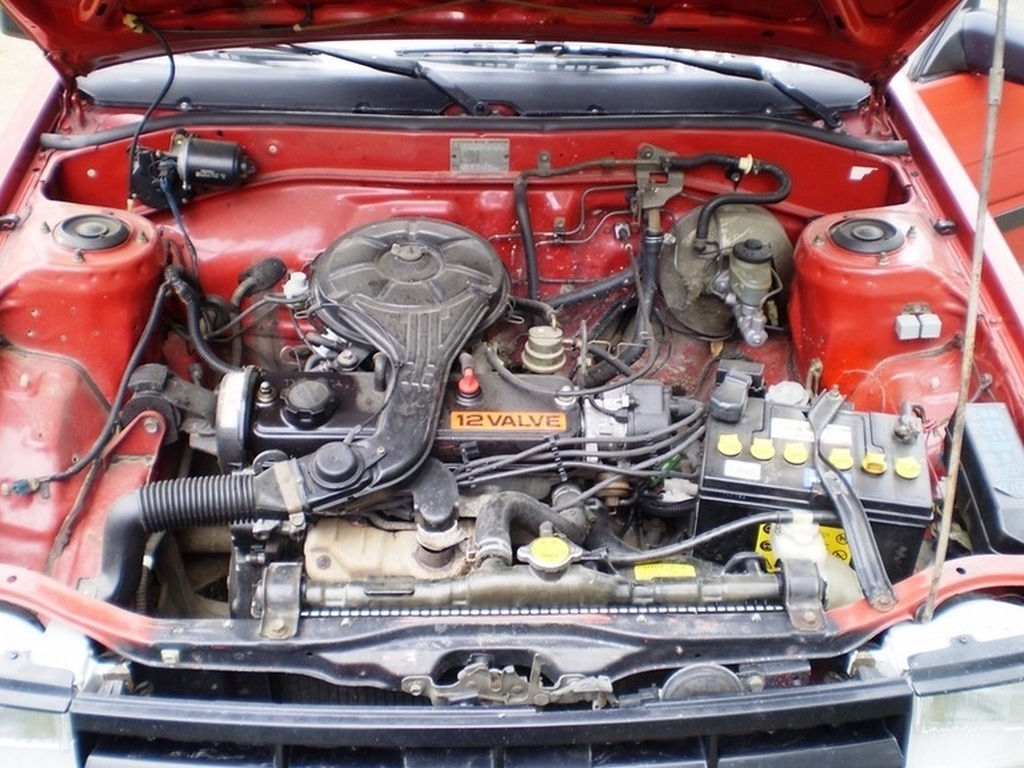
Engine mounts absorb engine vibration. When they crack, collapse, or separate, more vibration transfers to the cabin.
This feels like a rough idle even though the engine itself may be running normally. Check the mounts by having someone put the car in drive (with the brake firmly held) while you watch the engine from outside.
Excessive engine movement indicates a broken mount. This is particularly common in high-mileage vehicles that haven’t had regular maintenance.
Diagnostic Steps
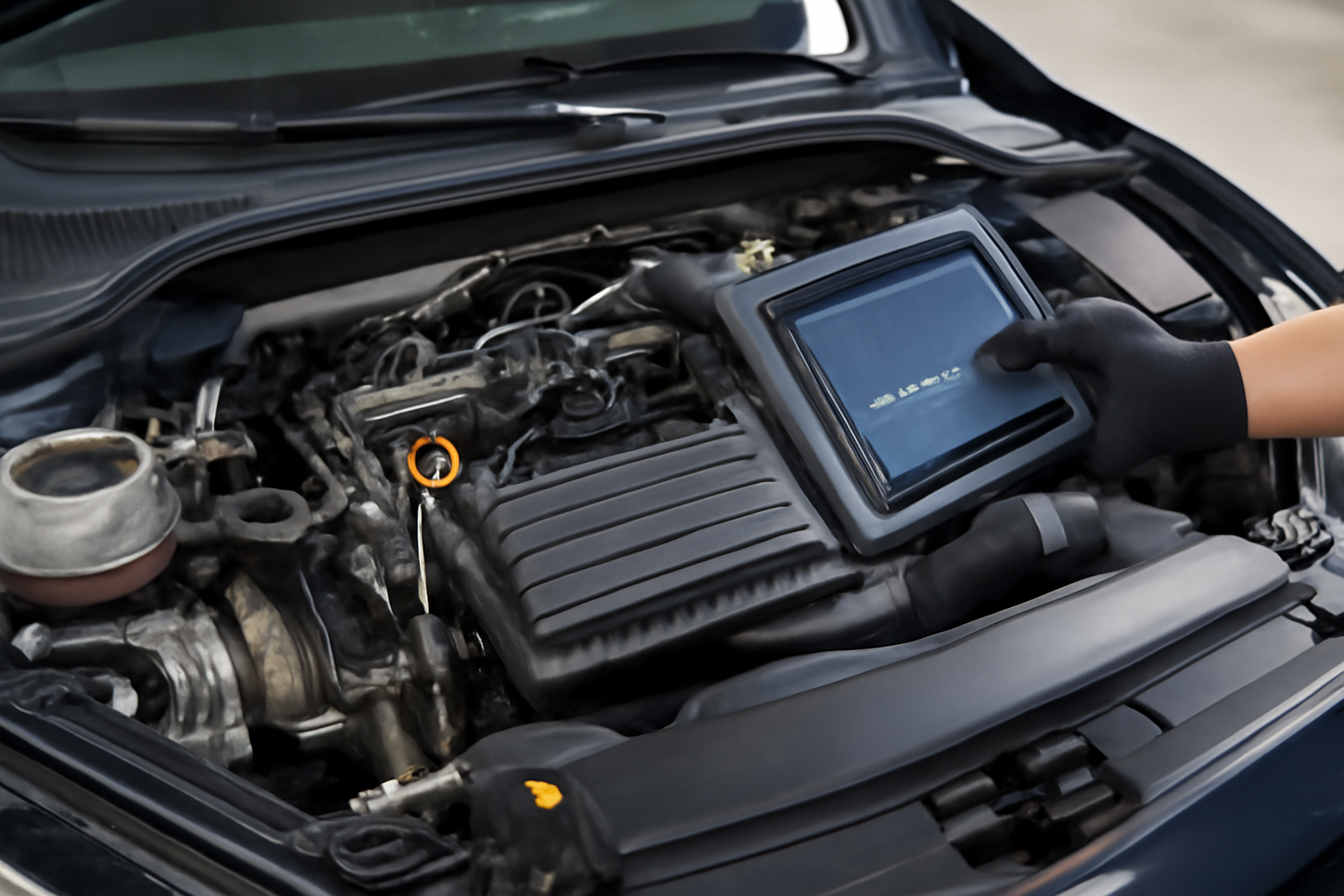
Start with an OBD2 scan to check for stored codes. Even without a check engine light, pending codes can point you in the right direction.
Check and replace the air filter if it’s dirty. Clean the throttle body and MAF sensor. Inspect vacuum hoses for cracks.
These three steps are free or nearly free and resolve a large percentage of rough idle complaints.
Frequently Asked Questions
Is rough idle bad for my engine?
A rough idle caused by misfires can damage the catalytic converter over time because unburned fuel enters the exhaust system. It also increases fuel consumption and emissions.
Getting it fixed promptly prevents secondary damage. This is especially important if you’re trying to keep a vehicle running for the long term, particularly with high-mileage cars you want to last 200,000 miles.
Why does my idle smooth out when I turn on the AC?
When the AC compressor engages, the engine computer raises idle speed to compensate for the added load. This higher idle speed can temporarily mask a rough idle issue by increasing airflow past dirty components or weak ignition.
However, this doesn’t fix the underlying problem. If your car only idles smoothly with the AC on, you still need to address the root cause.
Can a rough idle fix itself?
Rarely. If the rough idle is caused by moisture on spark plugs or a temporary fuel quality issue, it may clear up.
Most causes (carbon deposits, vacuum leaks, worn parts) only get worse over time. Address it sooner rather than later to avoid more expensive repairs down the road.
Should I clean the throttle body myself or take it to a shop?
Cleaning the throttle body is one of the easiest DIY maintenance tasks. You don’t need special tools beyond a screwdriver and a can of throttle body cleaner.
The entire process takes about 15 minutes and can save you competitively priced or more in shop labor charges. Just make sure to disconnect the battery first on vehicles with electronic throttle control to avoid triggering a fault code.

Leave a Reply