
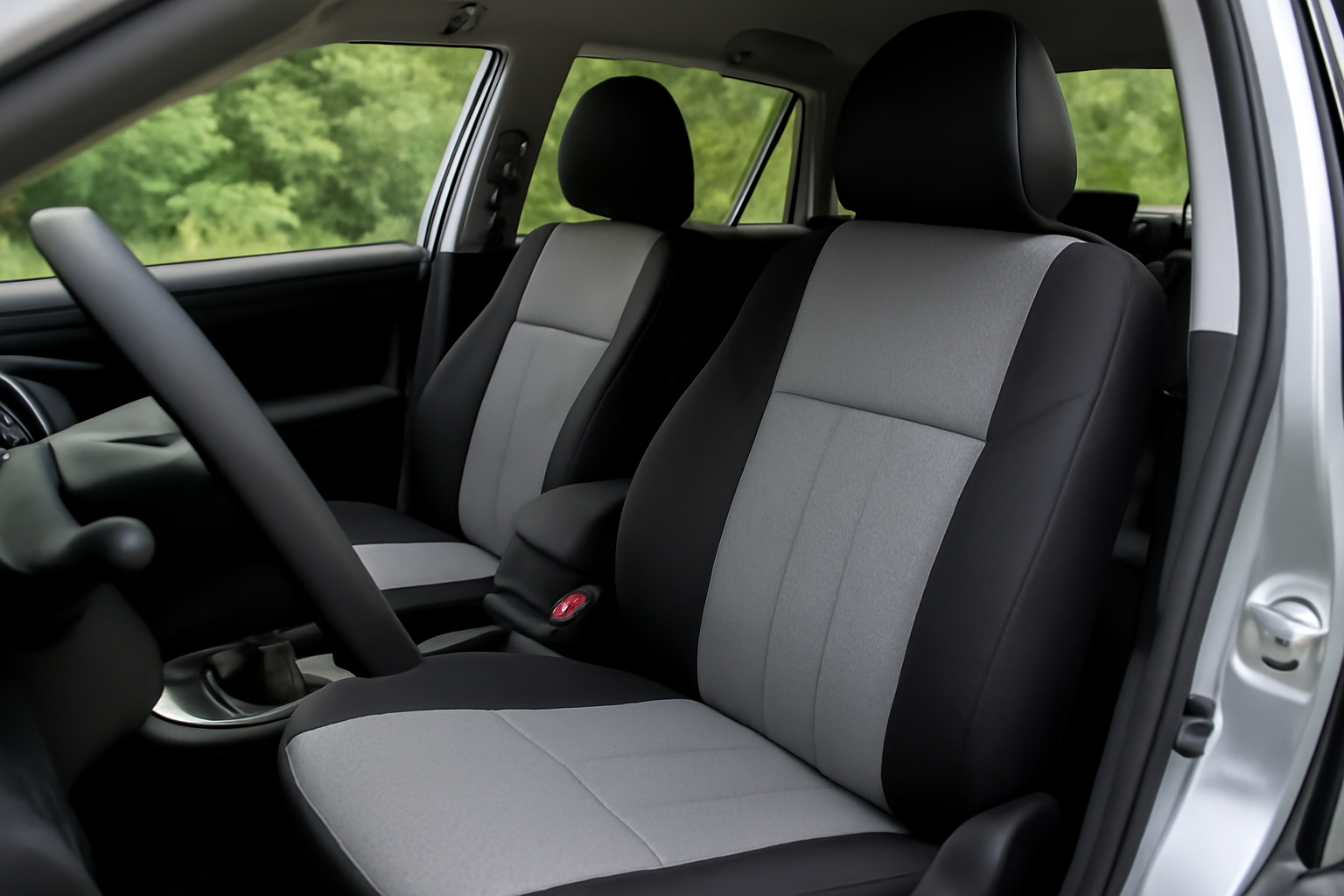
Factory upholstery takes a beating from daily use, kids, pets, coffee spills, and UV exposure. Quality seat covers protect your investment and can completely refresh a worn interior.
But the market is flooded with flimsy universal covers that bunch up, look cheap, and slide around. Here’s what actually works across different materials and budgets.
Materials Compared
Neoprene
Neoprene (wetsuit material) is waterproof, durable, and comfortable in both hot and cold weather. It’s the best choice for active lifestyles, dog owners, and anyone who regularly gets their seats wet or dirty.
Neoprene covers clean up with a damp cloth and resist stains effectively.
The trade-off is that neoprene traps heat slightly in summer and can feel sticky on bare skin. Look for neoprene covers with a breathable backing layer to minimize this.
Leatherette (Synthetic Leather)
Leatherette gives you the look and feel of leather at a fraction of the cost. Good leatherette is surprisingly convincing and cleans easily. It’s the best option if aesthetics matter and you want a premium look without the premium price.
Cheap leatherette peels and cracks within months. Quality leatherette from reputable brands holds up well for 2 to 3 years of daily use. Look for UV-resistant formulas if you park outdoors.
Canvas (Duck Cloth)
Canvas covers are the toughest option, designed for work trucks and rugged use. They handle tools, mud, gravel, and heavy wear without complaint.
Canvas isn’t luxurious, but nothing outlasts it for durability. This makes them perfect for trucks that see serious work duty.
Genuine Leather
Real leather seat covers exist at the premium end of the market. They look and feel exceptional but require conditioning to prevent drying and cracking.
They’re the most expensive option and don’t make sense for vehicles exposed to harsh treatment.
Universal Fit vs. Custom Fit
Universal covers fit most seats “approximately.” They’re loose, often require constant readjustment, and rarely look factory-installed. They work as temporary protection but won’t fool anyone visually.
Custom-fit covers are designed for your specific vehicle’s seat shape, including cutouts for armrests, headrest posts, seat controls, and side airbags. They fit snugly, look like factory upholstery, and stay in place.
The price premium over universal covers is significant, but the result is dramatically better.
Side Airbag Compatibility (Critical)
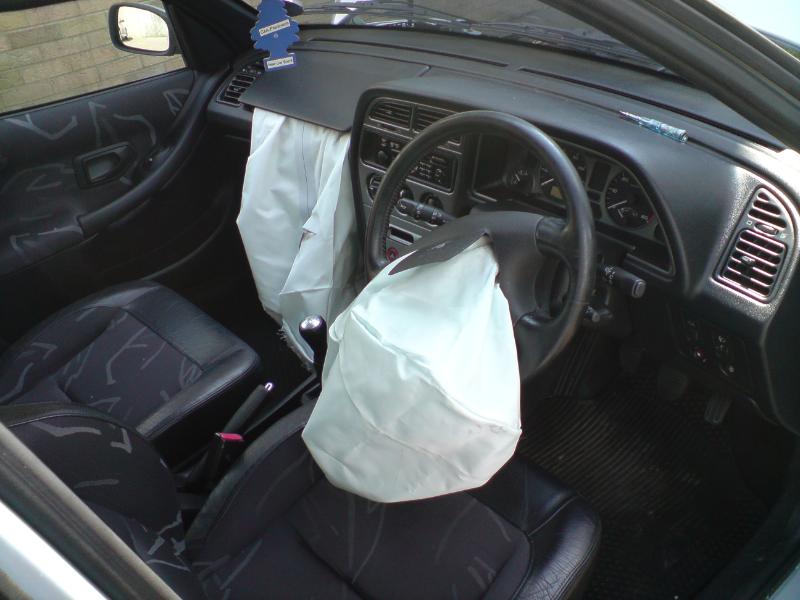
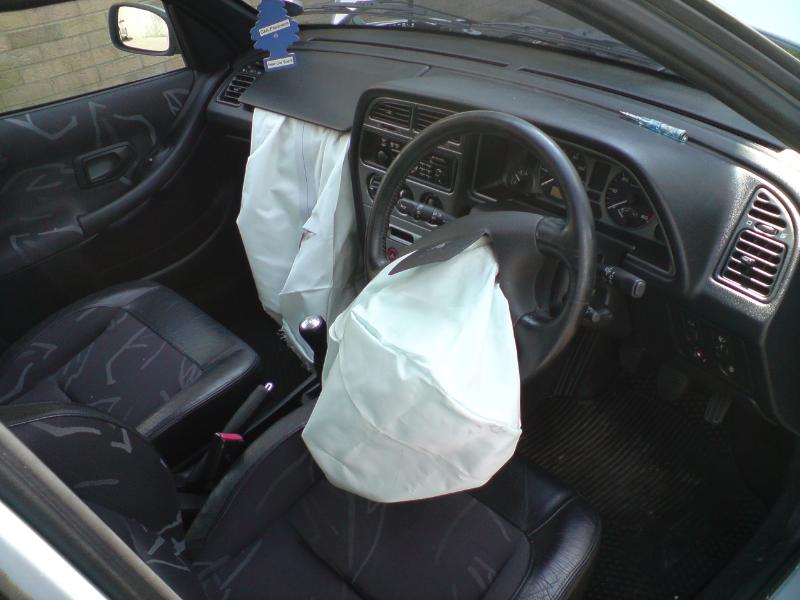
Many modern vehicles have side-impact airbags built into the outboard side of the front seats. Seat covers that block these airbags can prevent deployment during a crash. This is a serious safety issue.
Quality seat covers from reputable brands include stitched seams along the airbag deployment zone that tear open when the airbag fires.
Universal covers that have no airbag provisions should never be used on seats with side airbags. Check your vehicle before buying.
Heated Seat Compatibility
Thick seat covers can insulate the heating elements in heated seats, reducing their effectiveness. Neoprene is the worst offender here due to its insulating properties.
Thin leatherette and mesh-backed covers allow more heat to pass through. If heated seats are important to you, test the cover’s heat transfer before committing, or look for covers specifically labeled as heated-seat compatible.
Top Picks by Budget
Budget Option: FH Group Ultra Comfort leatherette covers offer decent fit and looks for the price. They’re universal fit with basic adjustable straps. Expect some bunching and occasional readjustment.

FH Group Ultra Comfort Leatherette Covers
Best value for universal-fit leatherette with decent looks
Mid-range Option: Gorla Gear neoprene covers provide excellent water and stain protection with a semi-custom fit. They work well for pet owners and active users.
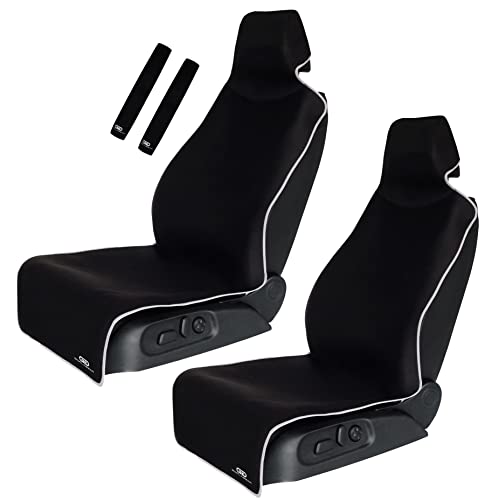
Gorla Gear Neoprene Seat Covers
Top choice for waterproof protection and pet owners
Premium Option: Covercraft SeatSaver or Clazzio custom leatherette covers deliver a factory-installed look with vehicle-specific patterns. These are the closest thing to reupholstering without actually reupholstering.

Covercraft SeatSaver Custom Covers
Best factory-look fit with vehicle-specific patterns
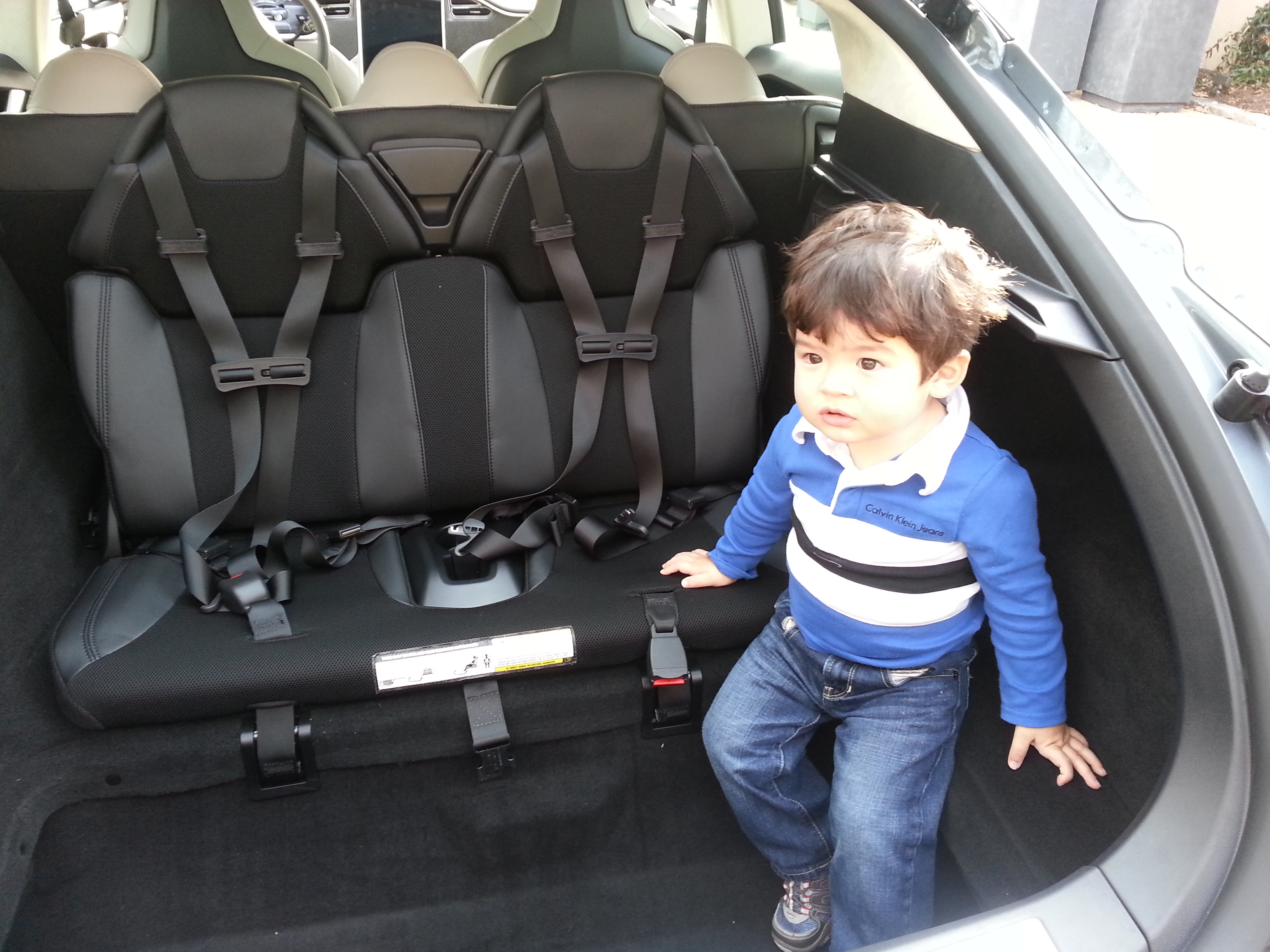
For families hauling multiple car seats in vehicles like SUVs configured for three car seats, custom-fit covers make cleanup easier and protect high-wear areas. Ensuring child safety locks are properly engaged in popular vehicles like the Toyota Camry or Ford Fusion is also essential when transporting kids.
Frequently Asked Questions
Will seat covers damage my factory leather?
Quality seat covers actually protect leather from UV damage, wear, and spills. However, poorly installed covers that shift and rub can cause friction marks over time.
Ensure a snug fit and avoid covers with exposed metal hooks that can scratch leather surfaces.
Can I install seat covers myself?
Yes. Universal covers take 10 to 15 minutes per seat. Custom-fit covers take 30 to 45 minutes per seat because they require removing headrests, feeding straps under the seat, and sometimes disconnecting the seat base for a proper tuck.
Most come with detailed instructions and video guides.
How do I clean neoprene seat covers?
Remove the covers and hand wash with mild soap and warm water. Rinse thoroughly and air dry.
Don’t use bleach, harsh detergents, or machine wash (the agitator can deform the neoprene). Most spills wipe off the surface without soaking in, which is neoprene’s biggest advantage.
Are seat covers worth it for older vehicles?
Absolutely. For vehicles like high-mileage cars you plan to keep long-term, quality seat covers can extend interior life significantly and make the cabin feel refreshed without expensive reupholstering.

Leave a Reply