
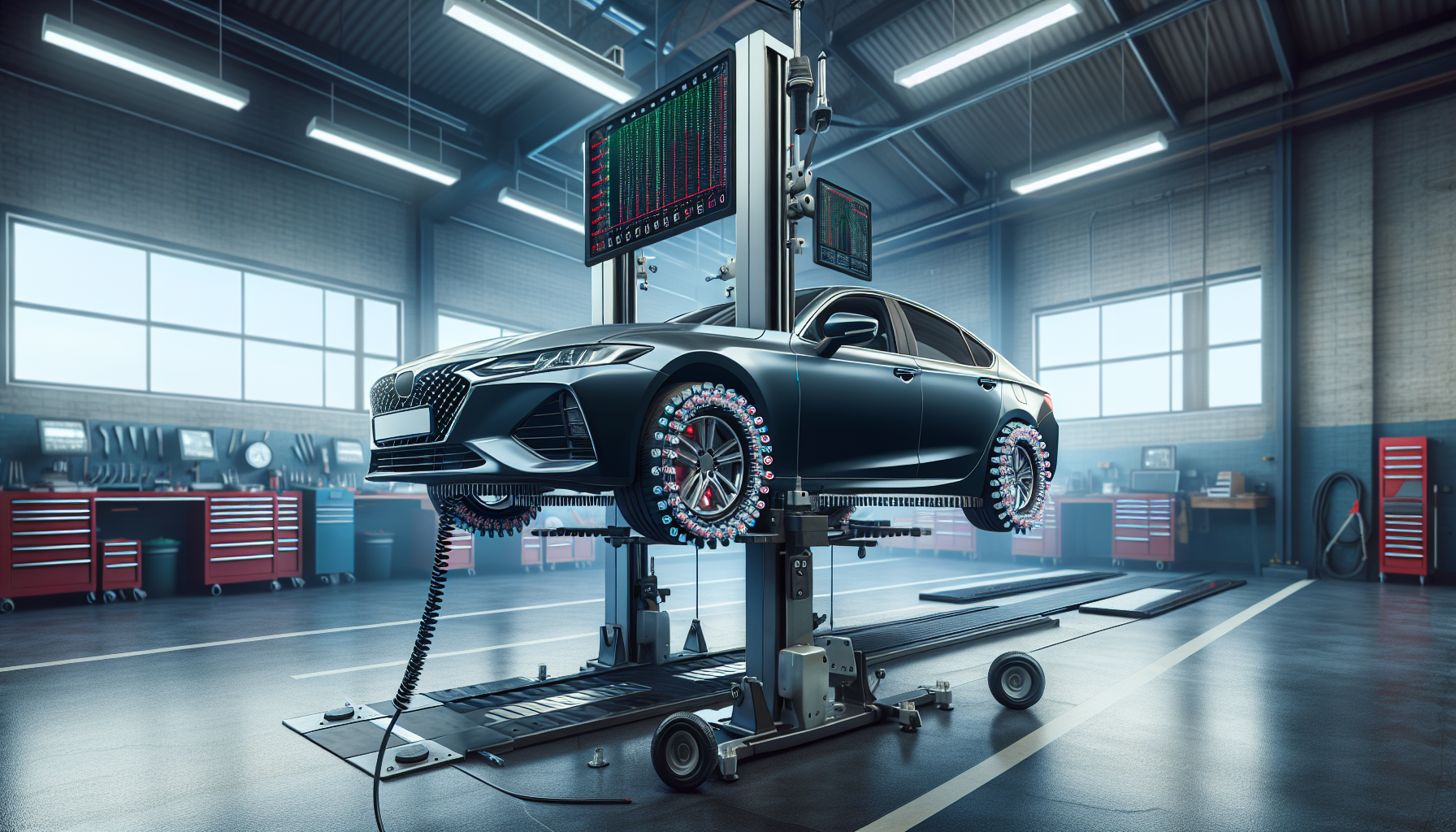
Few things are more frustrating than picking up your car from the shop after getting an alignment, only to find it still pulls to one side. You just paid good money to fix this exact problem, and now you’re white-knuckling the steering wheel to keep the car going straight. What gives?
There are actually several reasons this happens, and not all of them mean the shop did a bad job. Sometimes the alignment itself is fine, but another issue is causing the pull. Other times, the alignment wasn’t completed properly or couldn’t be completed due to worn parts. Let’s figure out what’s going on with your car and how to fix it.
Common Causes
When a car pulls after a fresh alignment, most people assume the shop messed up. Sometimes that’s true, but often there’s more to the story.
Tire Pressure Imbalance
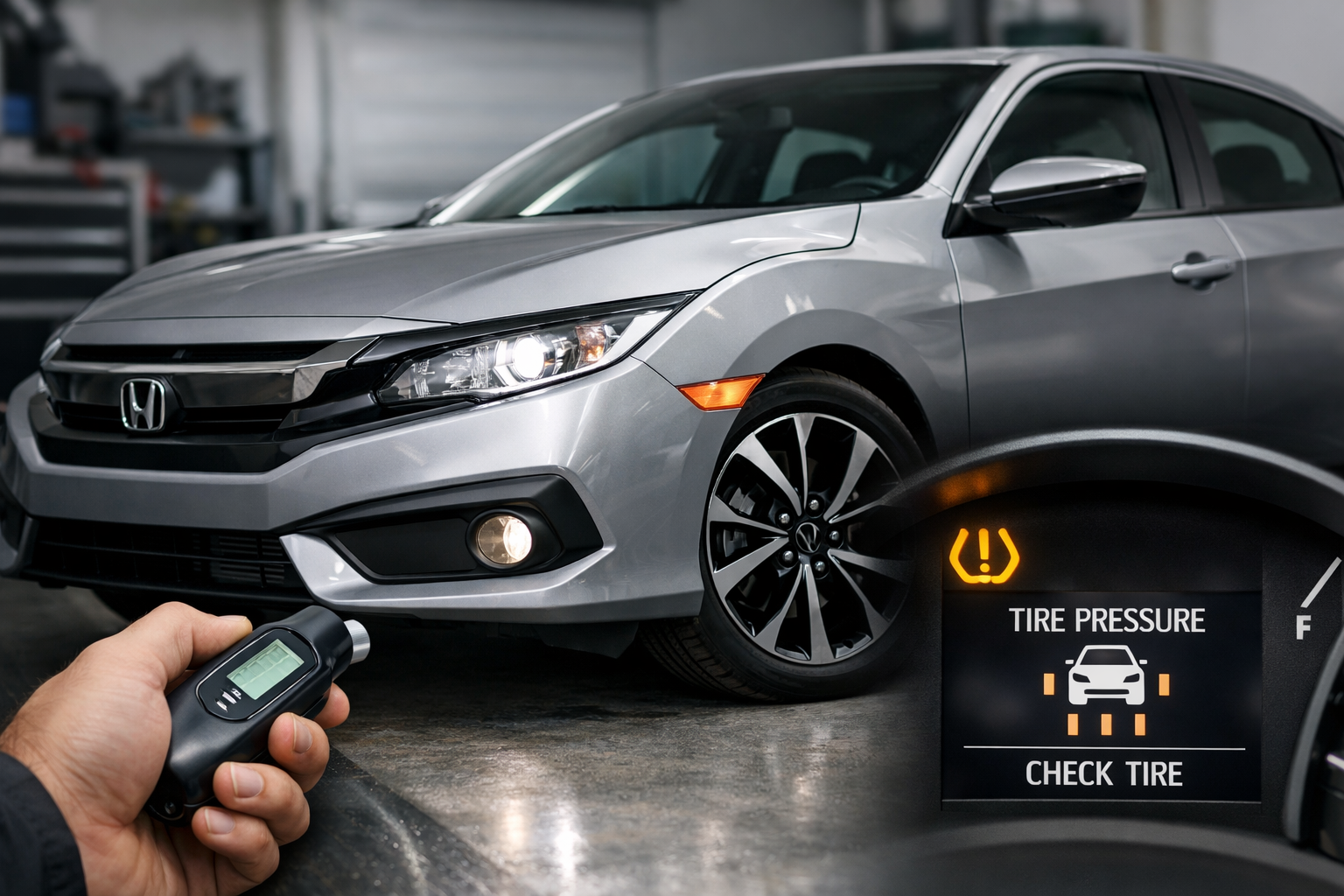
This is the easiest thing to check and often the culprit. If one tire has significantly lower pressure than the others, your car will pull toward that side. Even a difference of 5-10 PSI can cause a noticeable pull. The alignment tech might have checked your tires before starting, but if you picked up the car and drove it for a few days before noticing the pull, you could have picked up a slow leak.
Tire Condition and Conicity
This one surprises people. Some tires develop what’s called conicity, where the internal belt structure becomes slightly cone-shaped. This makes the tire want to roll in one direction, like a cone rolling in a circle. You can have perfect alignment angles, but if your tires have conicity, the car will still pull. Worn tires with uneven tread can also cause pulling, even after alignment.
Brake Caliper Dragging
A sticking brake caliper creates constant friction on one side, making the car pull toward that wheel. This issue has nothing to do with alignment, but it mimics the same symptom. If the pull gets worse when you brake or if you smell burning after driving, suspect the brakes.
Alignment Wasn’t Actually Completed
Here’s something shops don’t always explain clearly: sometimes they can’t complete an alignment because worn parts prevent proper adjustment. Ball joints, tie rod ends, control arm bushings, or strut mounts that are badly worn will make it impossible to set correct alignment angles. Some shops will do their best and send you on your way. Others will refuse to perform the alignment and recommend replacing the worn parts first. Always ask to see your alignment printout, which shows before and after measurements.
Crown of the Road
Roads are built with a crown (slight slope) to drain water. This causes a mild pull to the right on most roads. A good alignment accounts for this by setting the camber and caster slightly different side-to-side to compensate. If the shop didn’t factor in road crown, your car might pull right on normal roads even though the alignment numbers look perfect on paper.
Suspension Component Failure
Alignment fixes angles, but it doesn’t fix broken parts. A damaged control arm, bent strut, or collapsed spring can cause pulling that no amount of alignment adjustment will cure.
How to Diagnose the Problem
Start with the simple stuff before you head back to the shop or start replacing parts.
Step 1: Check Tire Pressure
Get a reliable tire pressure gauge and check all four tires when they’re cold (before driving). Compare the readings to the recommended PSI listed on the driver’s door jamb sticker. Inflate all tires to the correct pressure and test drive. If the pull disappears, you found your problem.
Step 2: Swap Front Tires Side to Side
If tire pressure isn’t the issue, swap your front tires from left to right. Drive the car. If it now pulls the opposite direction, you’ve confirmed the tires are causing the problem, likely due to conicity or uneven wear. If the pull stays in the same direction, the tires aren’t the issue.
Step 3: Test the Brakes
Find a safe, empty stretch of road. Accelerate to about 30 mph and let go of the wheel briefly (be ready to grab it back). Note which direction it pulls. Now brake firmly and notice if the pull gets significantly worse. If it does, you likely have a brake issue. Also check if any wheel feels hot after driving or if you smell burning.
This video walks through several common causes of pulling:
Step 4: Review the Alignment Printout
Ask the shop for your alignment printout if they didn’t give you one. Look at the “after” numbers for camber, caster, and toe on both sides. They should be within the manufacturer’s specifications (usually shown in green on modern alignment machines). If any measurements are still in red, the alignment wasn’t completed properly. Pay special attention to caster angle, which has the biggest effect on pull. If the caster differs by more than 0.5 degrees between left and right, that can cause pulling.
Step 5: Inspect for Obvious Damage
With the car on level ground, crouch down and eyeball each wheel from the front. Do they look like they’re leaning in or out at the top? Check the tread wear pattern. If the inside or outside edge is significantly more worn than the center, that indicates camber has been out of spec for a while. Look under the car for any bent components, leaking struts, or damaged bushings.
How to Fix It
Your fix depends on what’s causing the pull. Let’s go through the solutions you can tackle yourself.
Fixing Tire Pressure Issues
This one’s easy. Inflate all tires to the correct pressure and recheck them weekly. If one tire keeps losing air, have it checked for punctures or a leaking valve stem. A valve stem replacement costs a few dollars at any tire shop.
Dealing with Tire Conicity
If swapping the front tires reversed the pull, you’ve got a tire issue. Some people live with it by rotating the bad tire to the rear where it affects handling less. But if the pull is annoying, you’ll need to replace the problem tire. Tires with conicity are often still under warranty if they’re relatively new, so check with the shop where you bought them.
Addressing Minor Alignment Issues
If the alignment printout shows everything is close but not perfect, take it back to the shop that did the work. Any reputable shop will re-check and adjust their work for free within a reasonable time frame (usually 30-90 days). Don’t try to adjust alignment yourself without proper equipment. You need an alignment rack to get accurate measurements.
Adjusting for Road Crown
If the car only pulls slightly to the right and the alignment numbers are all in spec, road crown might be the issue. Take the car back and explain that it pulls on crowned roads. A good tech can intentionally set the caster or camber slightly different side-to-side to compensate. This is called “cross-caster” or “cross-camber” and is a common technique.
Fixing Dragging Brakes
If you’ve determined a brake caliper is sticking, you can sometimes free it up by opening the bleeder valve and pushing the piston back with a C-clamp. But a caliper that’s already seized usually needs replacement. This is a DIY-friendly job if you’re comfortable with basic brake work. Replace the caliper, bleed the brakes, and test.
When to See a Mechanic
Some pulling issues require professional help. If you’ve checked tire pressure, swapped tires, and reviewed the alignment printout without finding the problem, it’s time to get a second opinion.
Take the car to a different alignment shop (not the one that did the original work). Explain the situation and ask them to inspect the suspension components before doing any alignment work. A thorough inspection should reveal worn ball joints, tie rod ends, control arm bushings, or other parts that need replacement.
If the alignment printout shows any “red” numbers after the service, take it back immediately. The shop either couldn’t complete the alignment due to worn parts, or they did incomplete work. Either way, they need to explain what’s going on and what it will take to fix it properly.
Also see a mechanic if you notice any of these red flags: clunking noises from the suspension, steering wheel off-center even when driving straight, or rapid tire wear after the alignment. These indicate problems beyond a simple alignment issue.
Estimated Repair Costs
Here’s what you might pay to fix various pull-causing issues:
| Repair | Parts Cost | Labor Cost | Total |
|---|---|---|---|
| Tire Pressure Adjustment | $0 | $0-20 | $0-20 (DIY: Free) |
| Alignment Re-check | $0 | $0-75 | $0-75 (Often free if under warranty) |
| Single Tire Replacement | Parts vary | $25-40 | Check current pricing |
| Brake Caliper Replacement (one side) | Parts vary | $100-200 | Labor plus parts |
| Tie Rod End Replacement | Parts vary | $100-200 | Labor plus parts (includes alignment) |
| Control Arm Replacement | Parts vary | $150-300 | Labor plus parts (includes alignment) |
| Ball Joint Replacement | Parts vary | $150-350 | Labor plus parts (includes alignment) |
Always get a written estimate before authorizing work. Suspension repairs often cascade (fixing one thing reveals another problem), so be prepared for the possibility of additional costs.
Prevention Tips
You can’t prevent all pull issues, but these habits will minimize problems and make alignments last longer.
Check your tire pressure monthly. Seriously. Most pull complaints I see come from customers who never check their tire pressure between oil changes. Keep a gauge in your glove box and check when you fill up with gas. Takes two minutes and saves you from chasing phantom problems.
Rotate your tires every 5,000-7,000 miles. Regular rotation prevents uneven wear that can cause pulling and helps you catch alignment issues early before they destroy your tires.
Drive carefully over potholes, curbs, and speed bumps. One good pothole hit can knock your alignment out or damage suspension components. Slow down for road hazards instead of plowing through them.
Get an alignment check annually or after any suspension work. Don’t wait until you notice a pull. Catching alignment drift early prevents premature tire wear and keeps your car driving straight.
Pay attention to how your car drives. If you notice new pulling, wandering, or uneven tire wear, address it quickly. Ignoring these signs means you’ll be buying new tires sooner than necessary.
When you do get an alignment, ask for the printout and keep it in your records. If problems develop later, having that documentation helps diagnose whether something changed or if the original work was incomplete.
A car that pulls after a fresh alignment is annoying, but it’s usually fixable. Start with the simple checks like tire pressure and work your way up to more complex diagnostics. Don’t be shy about going back to the shop that did the work if something doesn’t feel right. And if they won’t help you or can’t figure it out, find another shop. Your car should drive straight after an alignment, period.
Leave a Reply