
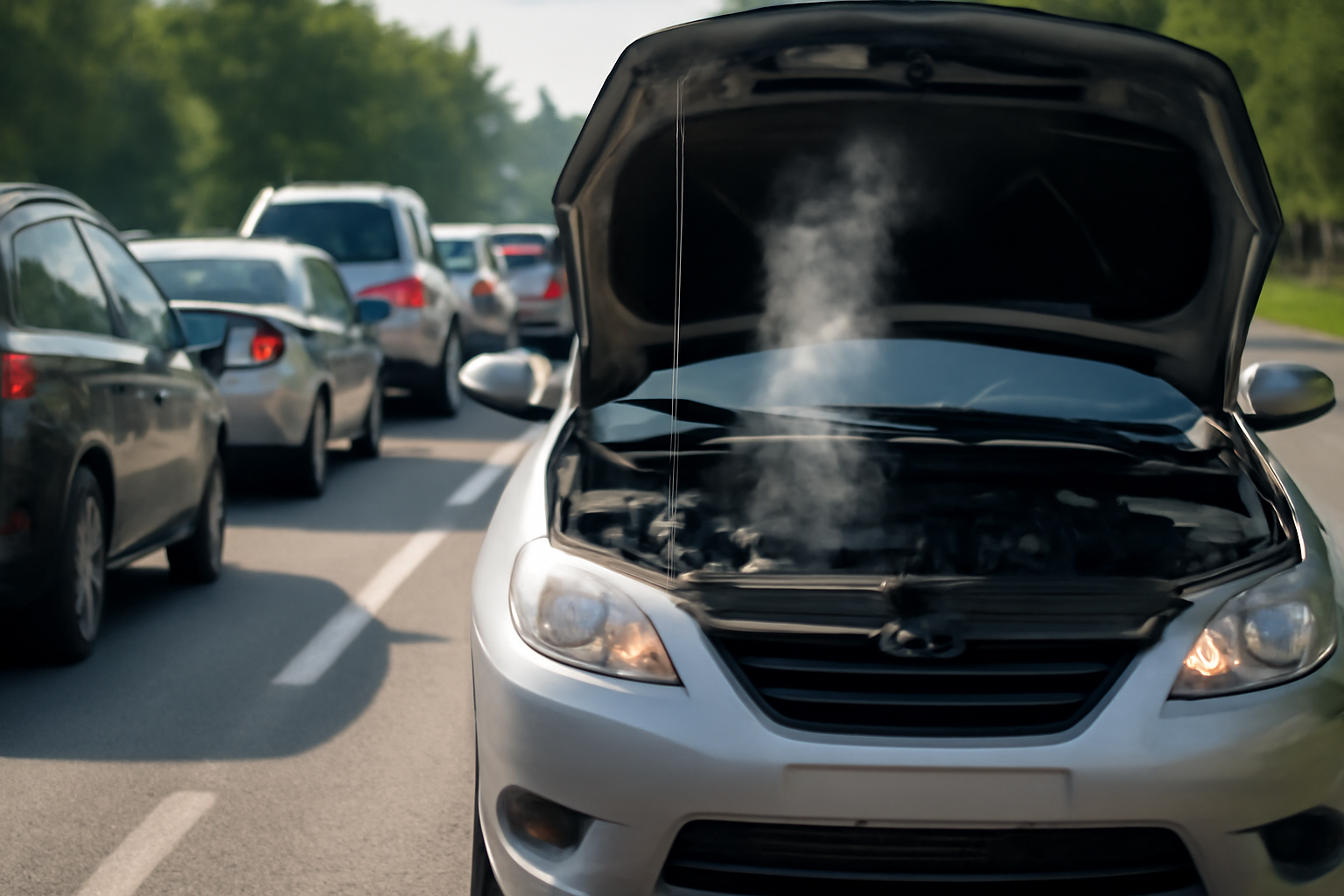
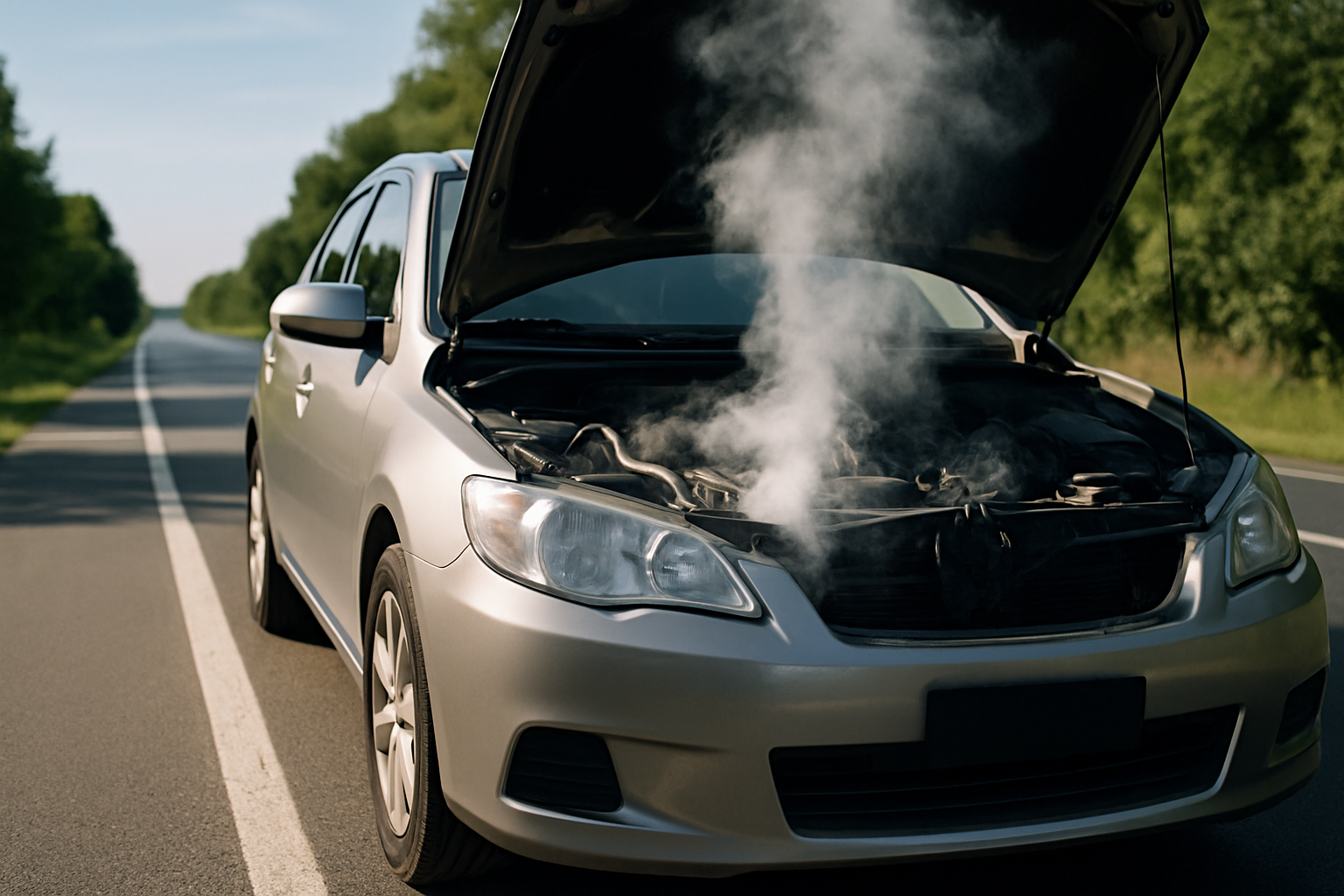
Your temperature gauge is climbing into the red, steam is starting to come from under the hood, and you’re stuck in stop-and-go traffic. This is one of the most stressful roadside situations a driver can face, and your next few decisions determine whether you’re looking at a competitively priced fix or a competitively priced engine rebuild. Here’s exactly what to do, step by step.
Immediate Actions (Do These Right Now)
- Turn off the air conditioning. The AC compressor adds load to the engine, and the condenser generates additional heat in front of the radiator.
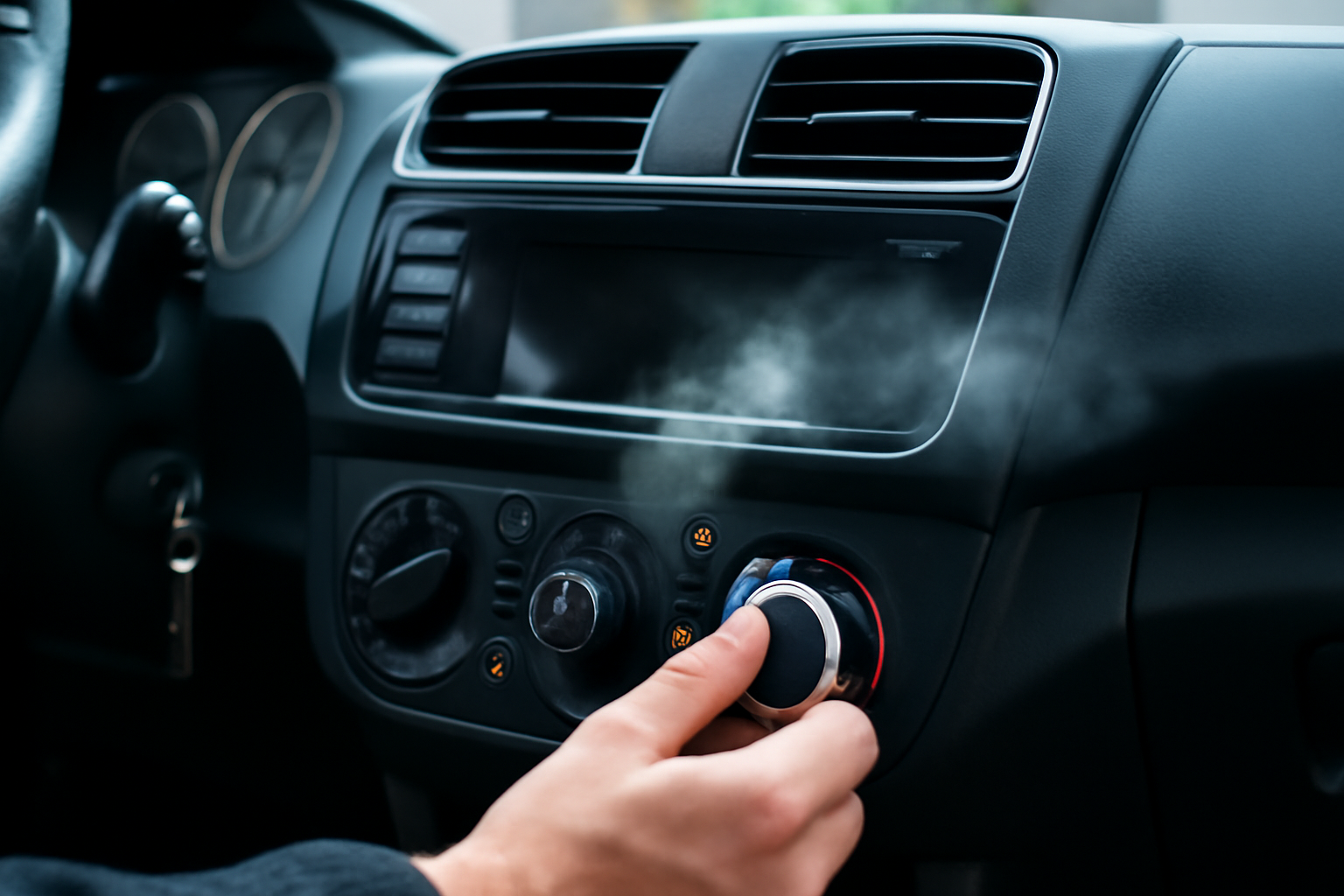
- Turn the heater to maximum heat and the fan to high. The heater core is essentially a second radiator. Running the heater at full blast draws heat away from the engine and into the cabin. Yes, it’s miserable in summer. It works.
- Put the transmission in neutral at stops. This reduces load on the engine slightly compared to holding the brake in drive.
- If the gauge keeps climbing, pull over safely. Turn on your hazard lights and get off the road as soon as possible. A parking lot, shoulder, or side street will work.
- DO NOT open the radiator cap. The cooling system is pressurized to 15+ PSI at operating temperature. Opening the cap releases superheated coolant that will cause severe burns.
After Pulling Over
Let the engine idle with the heater on for 2 to 3 minutes if the gauge is dropping. If the gauge is pegged in the red or steam is pouring out, shut the engine off immediately and let it cool for at least 30 minutes before opening the hood.
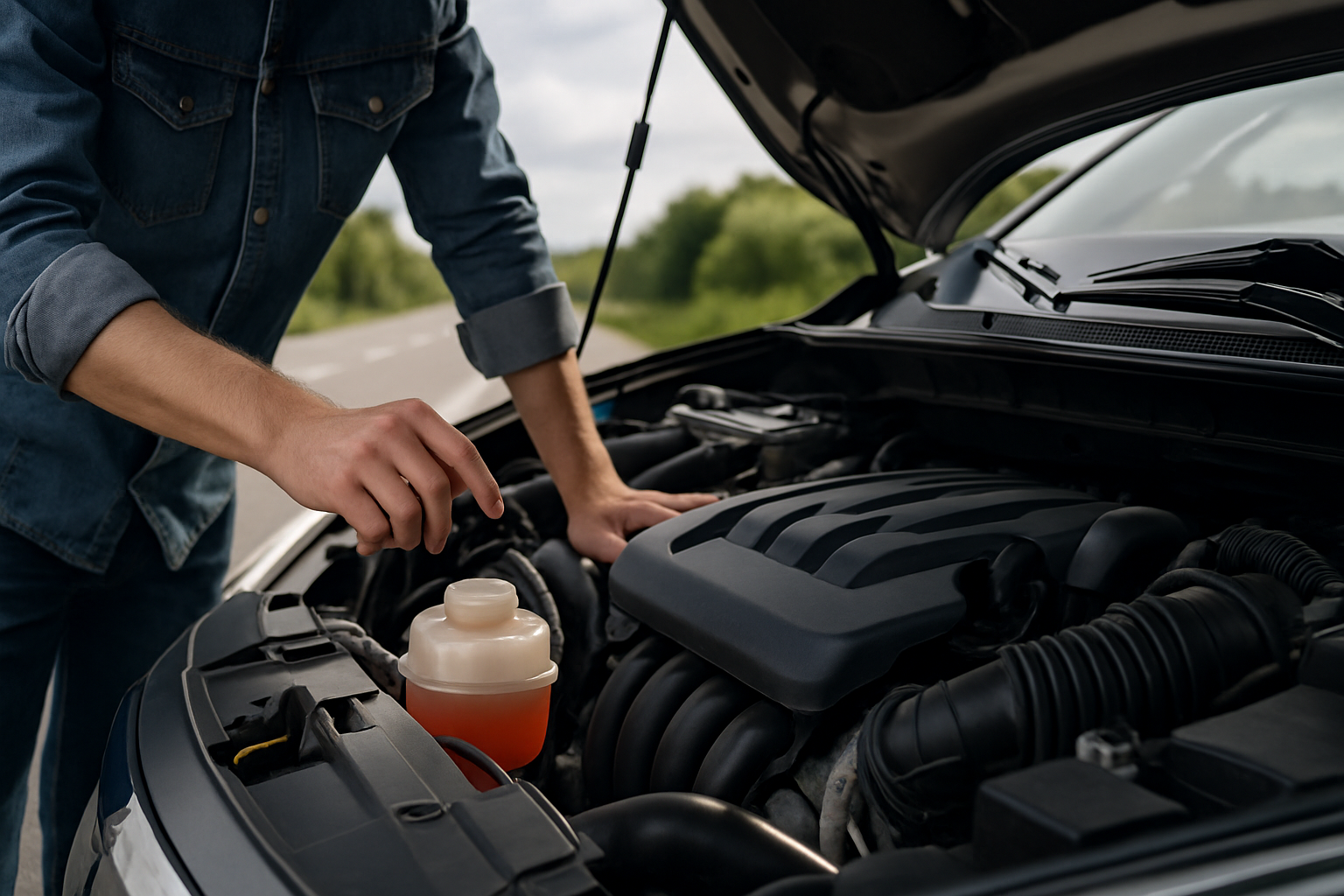
Once cooled, check the coolant level in the overflow reservoir. If it’s empty, you can carefully open the radiator cap (with a rag, turning slowly to the first stop to release pressure) and check the radiator level. Add premixed coolant or plain water in an emergency to refill the system.
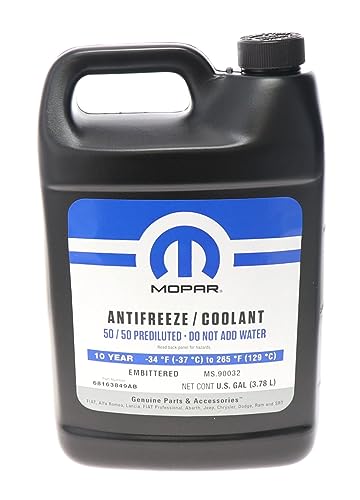
Premixed Engine Coolant
Premixed coolant is ready to pour and properly balanced for optimal protection. Keep a gallon in your trunk for emergencies.
Why Traffic Causes Overheating
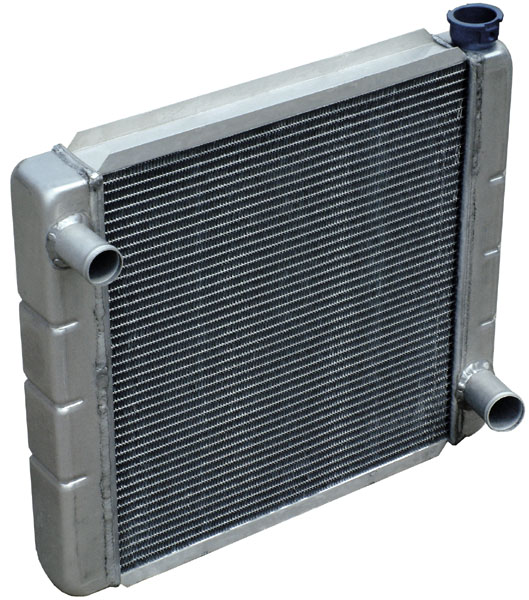
At highway speed, air flows through the radiator and condenser, providing massive cooling capacity. In stop-and-go traffic, that airflow drops to near zero. The radiator fan takes over, but it provides a fraction of the cooling that highway airflow delivers.
If any component in the cooling system is marginal (low coolant, weak water pump, partially clogged radiator), it can’t keep up with heat generation at idle. This issue becomes especially apparent with the AC running, as covered in detail in our article about car overheating with AC on.
The 3 Repairs That Usually Follow
Stuck Thermostat
The thermostat regulates coolant flow between the engine and radiator. A thermostat that sticks closed blocks coolant from reaching the radiator, and the engine overheats. This is the cheapest and most common fix, typically competitively priced to competitively priced for parts and labor.
Failed Water Pump
The water pump circulates coolant through the engine and heater core. A failing pump with a worn impeller can’t move enough coolant to keep up with heat at idle. Symptoms include a whining or grinding noise from the pump area and coolant leaking from the pump’s weep hole.
Replacement competitively priced to competitively priced depending on the vehicle. Water pump failure is a common issue in certain models, particularly Volkswagen Golf models where water pump and timing chain failures often occur together.
Radiator Fan Failure
If the electric cooling fan doesn’t run when the engine is hot and the AC is off, the radiator has no airflow at idle. Check the fan fuse and relay first (free fix). A failed fan motor competitively priced to competitively priced to replace.
Temporary Fix to Limp Home
If you’ve added coolant and the temperature is marginally stable, you can attempt to limp to a shop using this technique: run the heater on max, drive with the windows down, and avoid idling for extended periods. If you hit traffic, pull into a parking lot and let the engine idle with the hood up rather than sitting in bumper-to-bumper traffic.
Watch the temperature gauge constantly and pull over again if it rises above the normal range. This temporary fix can save you from an expensive tow bill, but don’t push your luck with an overheating engine.
Frequently Asked Questions
Can overheating once cause permanent damage?
Brief overheating (gauge touches the red but you act immediately) usually causes no permanent damage. Extended overheating (gauge pegged in the red for minutes, steam pouring out) can warp the cylinder head, blow the head gasket, and crack the engine block.
The head gasket is especially vulnerable and can fail from a single severe overheating event. When shopping for used cars with high mileage, always check the maintenance history for any overheating incidents, as they can lead to expensive problems down the road.
Why is my car only overheating with the AC on?
The AC system adds significant heat to the front of the car via the condenser, and the compressor adds load to the engine. If the cooling system is already marginal, the extra heat from the AC pushes it past its limit. This often indicates a weak radiator fan, partially clogged radiator, or low coolant level.
Should I keep driving if the temp gauge is slightly above normal?
A reading slightly above the midpoint on a hot day in traffic can be normal for some vehicles. If the gauge is consistently rising and approaching the red zone, take immediate action. The difference between “warm” and “overheating” happens fast, and engine damage begins before the gauge hits the red.
Will long-term storage affect my cooling system?
If you’re storing a car for 3 to 6 months, old coolant can become acidic and cause corrosion in the cooling system. Before storage, check your coolant’s age and condition. Fresh coolant prevents internal corrosion that could lead to leaks and overheating when you bring the car back into service.
Leave a Reply