Car buyers and owners had plenty to watch this week, with several major safety recalls, encouraging signs in the used-car market, stubbornly high new-car prices, and another major automaker making a bigger bet on hybrids.
Among the biggest developments, wholesale used-car prices continued to retreat from their spring highs, Hyundai outlined a major expansion of its hybrid lineup, and Honda and Nissan moved ahead with plans to cooperate on future vehicle software.
Several significant recalls were also announced or moved forward, affecting vehicles from Lucid, Kia, Ford, BMW, Jeep, Ram, Chrysler, and Dodge.
Here are the automotive stories that matter most to car owners and shoppers this week.
Used-Car Wholesale Prices Continue to Ease
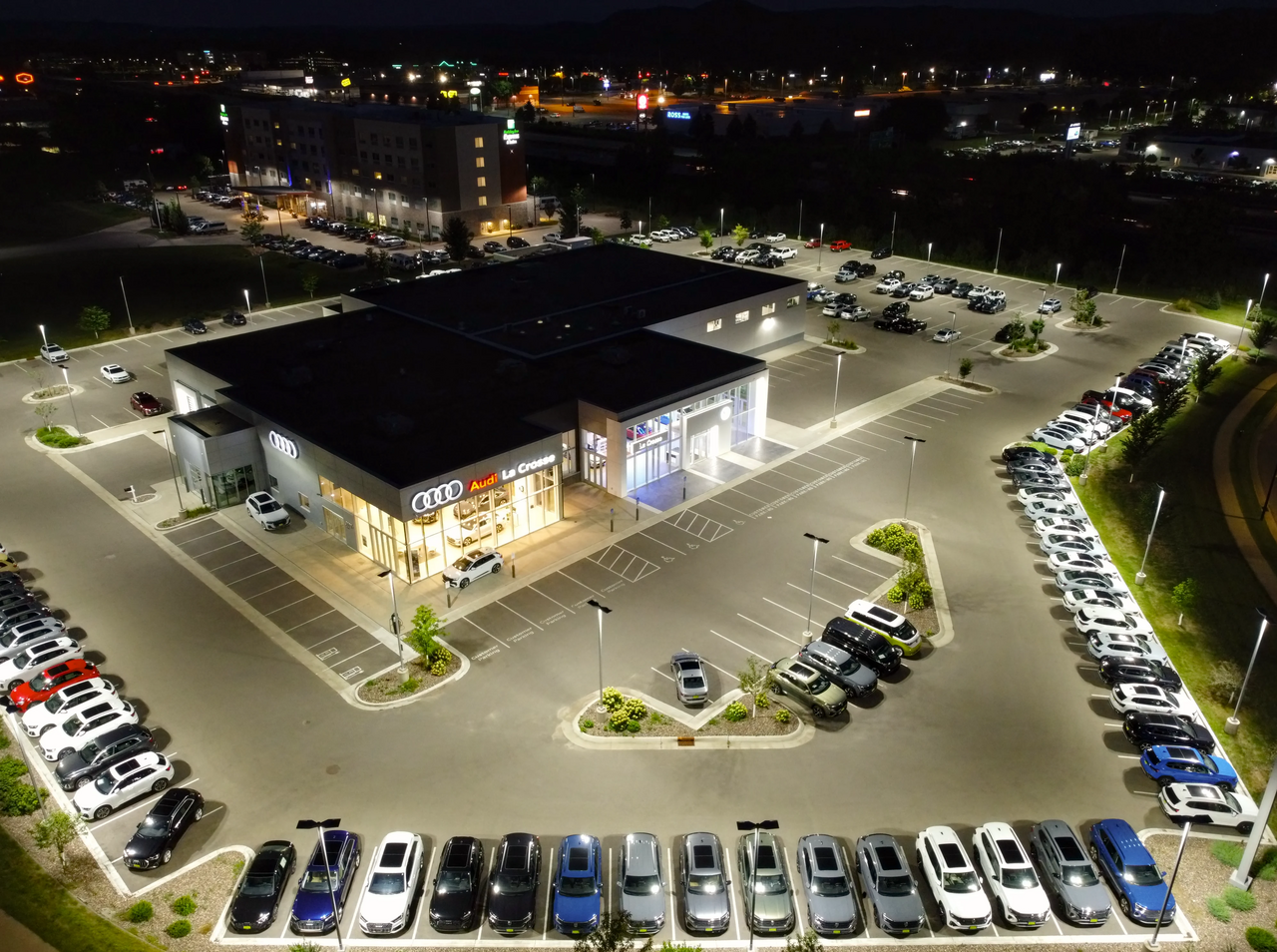
There was better news this week for shoppers watching used-car prices.
Cox Automotive reported that its Manheim Used Vehicle Value Index fell to 207.4 during the first half of August, a 1.2% decline from the end of July.
Wholesale used-vehicle prices were roughly flat compared with the same period a year earlier.
The market has been gradually cooling after wholesale values rose sharply during the spring. The Manheim index peaked earlier in the year before beginning to normalize through the summer.
The decline has not been identical across every type of vehicle. Midsize cars, SUVs, and pickups were among the softer segments, while electric vehicles remained stronger on a year-over-year basis.
Does this mean used cars are getting cheaper?
Potentially, but buyers should not expect dealership prices to fall overnight.
The Manheim index primarily tracks the wholesale market, where dealers acquire many of the vehicles that eventually appear on retail lots. Changes in wholesale prices can eventually influence retail prices, but the effect is neither immediate nor uniform.
Dealer inventory levels, vehicle age, mileage, financing costs, local demand, and the popularity of individual models can all affect what consumers ultimately pay.
Still, the direction is encouraging for buyers. The market is no longer experiencing the same upward pressure seen earlier this year, which could gradually create better negotiating conditions.
Hyundai Is Making a Much Bigger Bet on Hybrids
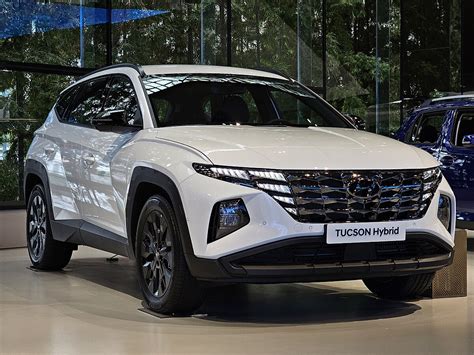
Hyundai provided another sign this week that hybrids are becoming a central part of automakers’ North American strategies.
The company said it plans to introduce 10 new hybrid models in North America by 2030 as part of a much larger product expansion.
Hyundai expects hybrids to eventually represent roughly half of its North American sales.
The company also plans to increase North American production capacity and expand into additional vehicle categories over the next several years.
This is notable because the auto industry’s transition toward electrification is becoming more complicated than the simple battery-EV replacement cycle that many manufacturers envisioned several years ago.
Battery-electric vehicles remain an important part of future product plans, but manufacturers are increasingly using conventional hybrids, plug-in hybrids, and extended-range electric vehicles to give buyers more options.
Why this matters for buyers
For consumers who want lower fuel consumption but do not want to depend on public charging or install a home charger, the growing number of hybrids should be good news.
Greater competition can also put pressure on manufacturers to improve fuel economy, standard equipment, pricing, and warranty coverage.
Expect the hybrid market to become much more competitive over the next several model years.
Honda and Nissan Are Working Together on Future Vehicle Software
Honda and Nissan are also moving forward with a technology partnership involving the increasingly important software inside modern vehicles.
The Japanese automakers plan to jointly develop standardized electronic-control hardware and software for future software-defined vehicles, with deployment targeted for next-generation vehicles beginning around fiscal 2029.
The collaboration could include common specifications for onboard computers, operating systems, middleware, and vehicle-control software.
It may sound like a technical corporate story, but it illustrates one of the largest changes taking place in the auto industry.
Automakers increasingly have to develop vehicles as both mechanical products and sophisticated computing platforms. Infotainment, driver-assistance systems, powertrain management, over-the-air updates, and other vehicle functions are becoming heavily dependent on software.
Sharing development costs may help traditional manufacturers compete with newer automakers that built their vehicles around centralized computer systems from the beginning.
The Average New Car Still Costs Nearly $50,000
The used market may be cooling, but new vehicles remain expensive.
According to Kelley Blue Book, the average transaction price for a new vehicle reached $49,855 in July. That was the highest average so far in 2026 and approximately 1.9% higher than a year earlier.
The figure remains slightly below the record average of $50,612 reached in December 2025.
One reason buyers may be feeling more pressure is that manufacturer and dealer incentives have declined. Average incentive spending fell to approximately 6.4% of the transaction price in July, compared with 7% in June and 7.3% a year earlier.
There is also a huge difference depending on the type of vehicle being purchased.
| Vehicle Segment | Approximate Average Transaction Price |
|---|---|
| Compact car | $27,904 |
| Subcompact SUV | $31,052 |
| Compact SUV | $37,745 |
| Midsize SUV | $50,144 |
| Full-size pickup | About $67,000 |
What this means for new-car shoppers
Affordable new cars still exist, but buyers increasingly have to look toward compact cars and smaller crossovers to find them.
A shopper moving from a compact sedan to a midsize SUV or full-size pickup can easily add tens of thousands of dollars to the purchase price before financing costs are considered.
Consumers also appear to be reacting to those prices. Sales have been stronger in relatively affordable categories such as compact cars and subcompact SUVs while some more expensive segments have softened.
Recalls: Lucid, Kia, Ford, BMW, Stellantis
Lucid Recalls More Than 27,000 Air Sedans Over Fire Risk
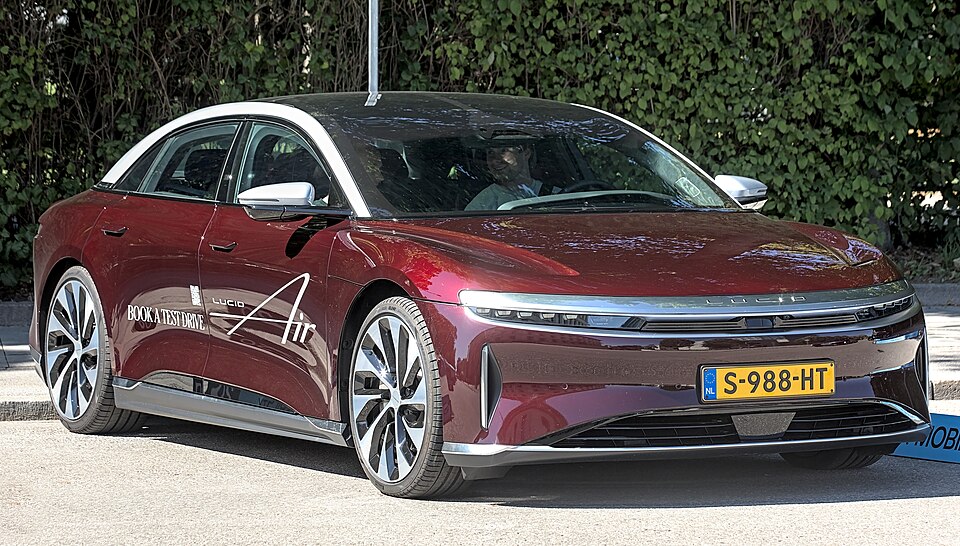
Lucid is recalling 27,185 Air electric sedans from the 2022 through 2026 model years because an electrical circuit can potentially overheat and create a fire risk.
The problem involves the low-voltage circuitry used for exterior lighting. Software controlling the electronic fuse may not provide sufficient protection from excess current, allowing wiring to overheat in some circumstances.
Kia Recalls 21,290 EV9 SUVs Over Passenger-Airbag Issue
Kia is recalling 21,290 EV9 electric SUVs from the 2025 and 2026 model years because of a problem with the front passenger Occupant Detection System.
The system is supposed to determine whether the passenger seat is occupied and whether the passenger airbag should be active. A component associated with the detection system can become damaged, potentially preventing the vehicle from properly recognizing that a child or child restraint is in the seat.
Ford Recalls Nearly 149,000 Mustangs Over Electrical Problem
Ford is recalling 148,663 Mustang vehicles from the 2024 through 2026 model years because electrical ground connections in the engine-compartment wiring harness can fracture.
The problem can potentially cause a loss of drive power. It can also interfere with other vehicle functions, including the headlights, windshield washer system, air conditioning, engine cooling fan, and other electrical equipment.
BMW Recalls 27,720 Cars That Could Lose Power or Roll Away
BMW is recalling 27,720 vehicles because excessive wear at the connection between the driveshaft and rear differential could eventually result in failure.
The campaign covers certain BMW 540i, 540i xDrive, M550i xDrive, 840i, 840i xDrive, and 750e xDrive vehicles spanning model years from 2021 through 2026.
More Than 844,000 Jeep, Ram, Chrysler and Dodge Vehicles Face Backup-Camera Recall
Another major recall worth watching affects approximately 844,000 vehicles sold by Stellantis brands including Jeep, Ram, Chrysler, and Dodge.
The problem involves the rearview camera. Software can cause the camera image to fail to appear when the vehicle is shifted into Reverse, meaning affected vehicles may not comply with federal rear-visibility requirements.
Quick Hits From the Auto Industry
- Rivian turn-signal recall: Certain 2025 and 2026 R1S and R1T vehicles are being recalled because one or both front turn signals may fail. Rivian will inspect affected vehicles and replace the lights when necessary.
- EV incentives remain unusually large: New EV incentives continue to exceed incentives for the broader new-car market, although they have declined from last year’s levels.
- Buyers continue moving toward less expensive vehicles: Compact cars and smaller SUVs are benefiting as consumers respond to historically high new-vehicle prices.
- Software recalls are becoming normal: Several recent recall campaigns can be addressed partly or entirely through software updates, reflecting how dependent modern vehicles have become on electronic systems.
The Bottom Line
The biggest takeaway from this week’s car news is that affordability and technology are increasingly shaping the industry at the same time.
Used-car wholesale prices are moving in a more favorable direction for buyers, but new vehicles remain extremely expensive. At the same time, manufacturers are dealing with increasingly complicated electrical and software-related recalls while investing heavily in hybrids and software-defined vehicles.
For owners, this week’s recalls are another good reason to periodically check a vehicle’s VIN for unresolved safety campaigns rather than waiting for a problem to appear.
For shoppers, the market is becoming more interesting. Used-car prices are showing signs of easing, more manufacturers are investing heavily in hybrids, and buyers who prioritize affordable vehicle segments still have ways to avoid the nearly $50,000 industry-wide average new-car price.
Sources: National Highway Traffic Safety Administration recall filings, Cox Automotive, Kelley Blue Book, Reuters, and manufacturer recall information. Recall eligibility is vehicle-specific. Owners should verify open recalls using their vehicle identification number.
“`