

Nothing’s more frustrating than feeling your car jerk and lurch while shifting gears. This jarring sensation not only makes for an uncomfortable ride but often signals underlying transmission problems that need immediate attention.
What Causes Your Car to Jerk During Gear Changes
When your car jerks during shifting, you’re experiencing what mechanics call “harsh shifting” or “shift shock.” This happens when the transmission can’t smoothly transition between gears, creating an abrupt change in power delivery that you feel throughout the vehicle.
The jerking motion occurs because your transmission relies on precise hydraulic pressure, electronic controls, and mechanical components working in perfect harmony. When any part of this system fails, the smooth gear changes become rough and noticeable.
Low or Dirty Transmission Fluid: The Most Common Culprit
Your transmission fluid serves multiple critical functions. It lubricates moving parts, provides hydraulic pressure for gear changes, and keeps internal components cool during operation.
When fluid levels drop too low, your transmission can’t maintain proper hydraulic pressure. This leads to delayed engagement and harsh shifting as gears struggle to connect properly. You’ll typically notice this most during acceleration or when shifting from park to drive.
Dirty or contaminated fluid creates similar problems. Over time, transmission fluid breaks down and collects debris, metal particles, and varnish deposits. This contaminated fluid can’t flow smoothly through narrow passages and valve bodies, disrupting the precise pressure control needed for smooth shifts.
Check your transmission fluid with the engine running and transmission warmed up. The fluid should be bright red or pink and smell slightly sweet. Dark, burnt-smelling fluid or low levels indicate immediate attention is needed.
Failing Transmission Solenoids
Modern transmissions use electronic solenoids to control fluid flow and pressure during gear changes. These small electromagnetic valves open and close based on signals from your car’s computer, directing hydraulic pressure to engage specific clutch packs and bands.
When solenoids begin failing, they can stick open or closed, creating erratic shift patterns. You might experience harsh shifts into certain gears while others feel normal. Common symptoms include jerking during 2nd to 3rd gear shifts or harsh engagement when shifting from reverse to drive.
Solenoid problems often trigger check engine lights and store diagnostic trouble codes. A scan tool can identify which specific solenoids are malfunctioning, helping pinpoint the exact cause of your shifting issues.
Worn Clutch Packs and Internal Components
Inside your automatic transmission, clutch packs and bands physically engage and disengage to change gears. These components use friction materials similar to brake pads, and they wear down over time and use.
As clutch packs wear, they lose their ability to engage smoothly. Instead of gradually taking hold, worn clutches may grab suddenly or slip before engaging, creating the jerking sensation you feel. High-mileage vehicles or those subjected to heavy towing are particularly susceptible to clutch pack wear.
Worn bands can cause similar symptoms, particularly during specific gear changes. The 2-4 band, common in many transmissions, often causes harsh 2nd gear engagement when it begins to fail.
Adaptive Learning Issues
Your car’s transmission computer continuously learns and adapts to your driving patterns and the transmission’s mechanical condition. This adaptive learning system adjusts shift points, pressure, and timing to maintain smooth operation as components wear.
Sometimes this learning system can become confused, especially after repairs or when transmission problems develop gradually. The computer may overcompensate for perceived issues, creating harsh shifts even when the mechanical components are functioning properly.
Battery disconnection, computer updates, or transmission work can disrupt stored adaptive values, requiring a reset procedure to restore normal shift quality.
Step-by-Step Diagnosis and Solutions
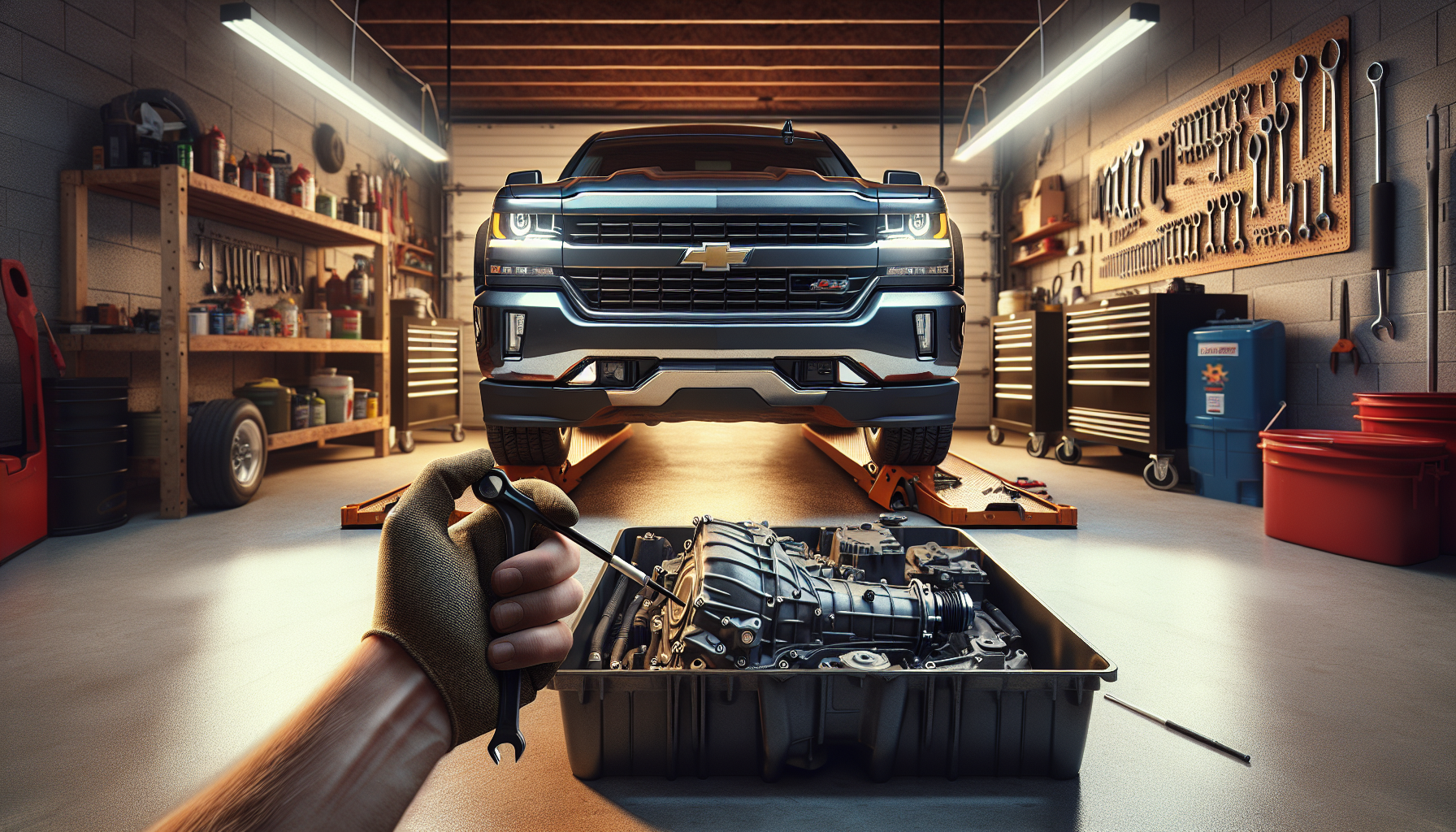
Start With a Transmission Fluid Change
Before diving into expensive repairs, start with the most basic and cost-effective solution. A complete transmission fluid and filter change resolves many shifting problems and should be your first step.
Locate your transmission dipstick and check fluid level and condition. If the fluid is dark, burnt-smelling, or contaminated with debris, a flush and refill is essential. Use only the manufacturer-specified fluid type, as using incorrect fluid can cause shifting problems.
During the fluid change, inspect the old filter for metal particles or excessive debris. Heavy contamination might indicate internal wear requiring further diagnosis.
Reset Adaptive Learning
After changing transmission fluid, reset the adaptive learning values to allow the computer to relearn proper shift characteristics with clean fluid and renewed hydraulic pressure.
The reset procedure varies by manufacturer but typically involves a specific driving cycle or diagnostic scan tool procedure. Some vehicles require driving at specific speeds and load conditions while others need a scanner to clear adaptive values.
Allow 50-100 miles of normal driving after the reset for the system to fully relearn optimal shift points and pressure values.
Diagnostic Scanning
If fluid service and adaptive reset don’t resolve the jerking, connect an OBD-II scanner or have a shop perform transmission-specific diagnostics. Look for codes related to pressure solenoids, shift solenoids, or pressure control circuits.
Transmission-specific scan tools can also monitor live data during test drives, showing real-time pressure readings, solenoid commands, and shift timing that help identify failing components.
When Professional Help Is Needed
While fluid changes and basic maintenance can resolve many shifting issues, some problems require professional diagnosis and repair. Internal component wear, valve body problems, or multiple solenoid failures typically need transmission shop expertise.
Continuing to drive with harsh shifting can cause additional damage to clutch packs, bands, and other internal components. If fluid service doesn’t improve shift quality within a few days, seek professional diagnosis promptly.
Get quotes from reputable transmission shops and consider whether repair costs justify the vehicle’s value. Sometimes a rebuild or replacement makes more financial sense than multiple smaller repairs.
Prevention: Keeping Your Transmission Healthy
Regular transmission service prevents many shifting problems before they develop. Follow manufacturer service intervals for fluid changes, typically every 30,000-60,000 miles depending on driving conditions.
Avoid aggressive acceleration and hard braking when possible. Sudden throttle changes force the transmission to work harder and can accelerate clutch pack wear. Warm up your vehicle before driving in cold weather to allow transmission fluid to reach operating temperature.
Address small problems quickly before they become major repairs. Strange noises, slight hesitation during shifts, or occasional harsh engagement are early warning signs that warrant attention.
Frequently Asked Questions
Can I drive my car if it jerks while shifting?
You can drive short distances if necessary, but continued driving with harsh shifting can cause additional transmission damage. The jerking indicates existing problems that will likely worsen without proper attention. Limit driving to essential trips only until you can diagnose and address the underlying cause.
How much does it cost to fix jerky shifting?
Costs vary widely depending on the root cause. A simple fluid change might cost $150-300 and resolve minor issues. Solenoid replacement typically runs $300-800 per solenoid. Major internal repairs or rebuilds can cost $2,000-4,000 or more. Starting with basic fluid service often provides the best value and may eliminate the need for expensive repairs.
Will jerky shifting damage my transmission?
Continued harsh shifting accelerates wear on clutch packs, bands, and other internal components. Each harsh engagement creates additional stress and friction that shortens transmission life. Addressing the problem quickly minimizes long-term damage and often prevents more expensive repairs later.
Can bad engine mounts cause jerky shifting?
Worn engine or transmission mounts can amplify the sensation of harsh shifts, making normal gear changes feel more severe than they actually are. However, mounts don’t typically cause the shifting problem itself. If you suspect mount issues, have them inspected, but don’t overlook potential transmission problems that need attention.
This article contains affiliate links. If you purchase through these links, we may earn a small commission at no extra cost to you.
Leave a Reply