
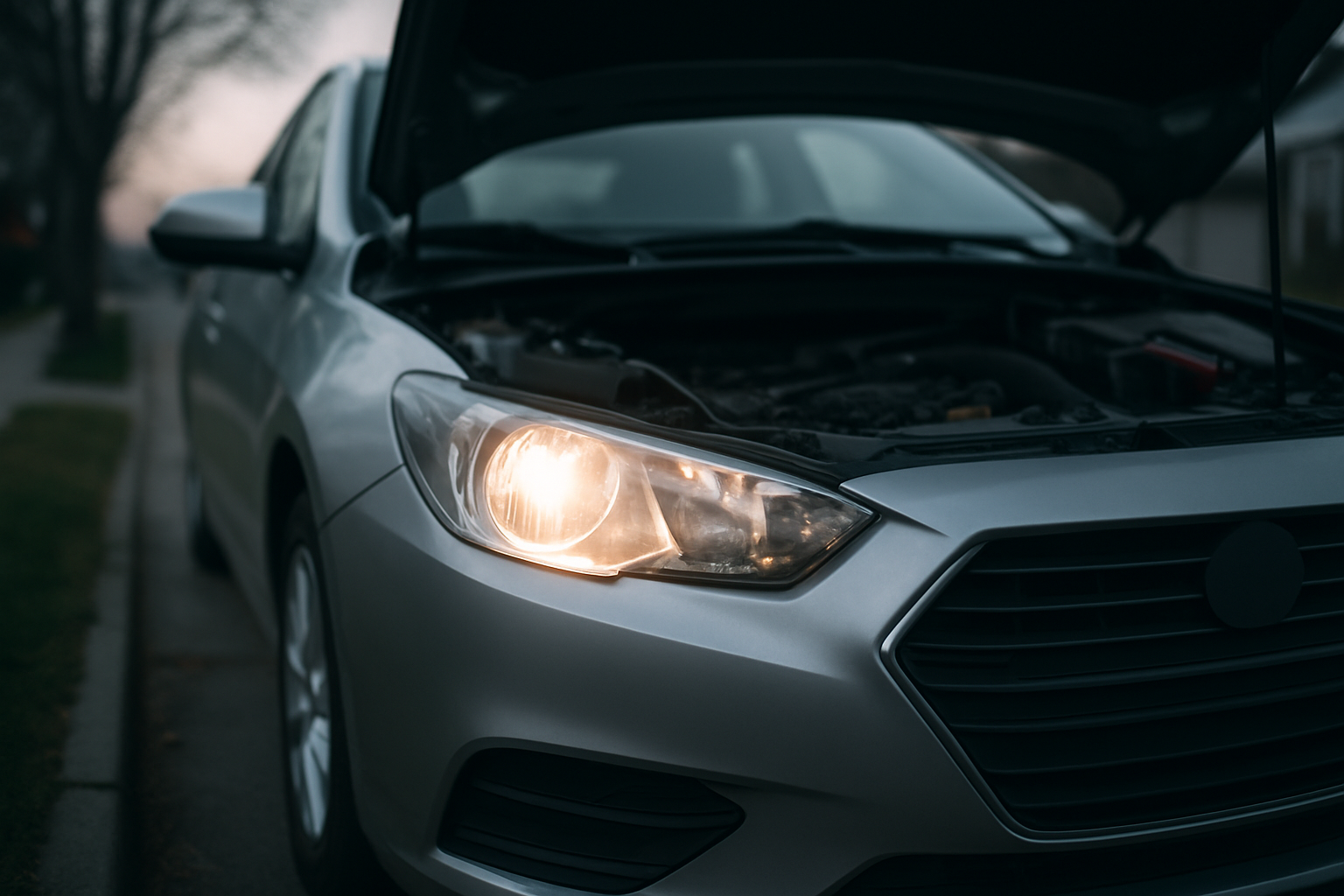
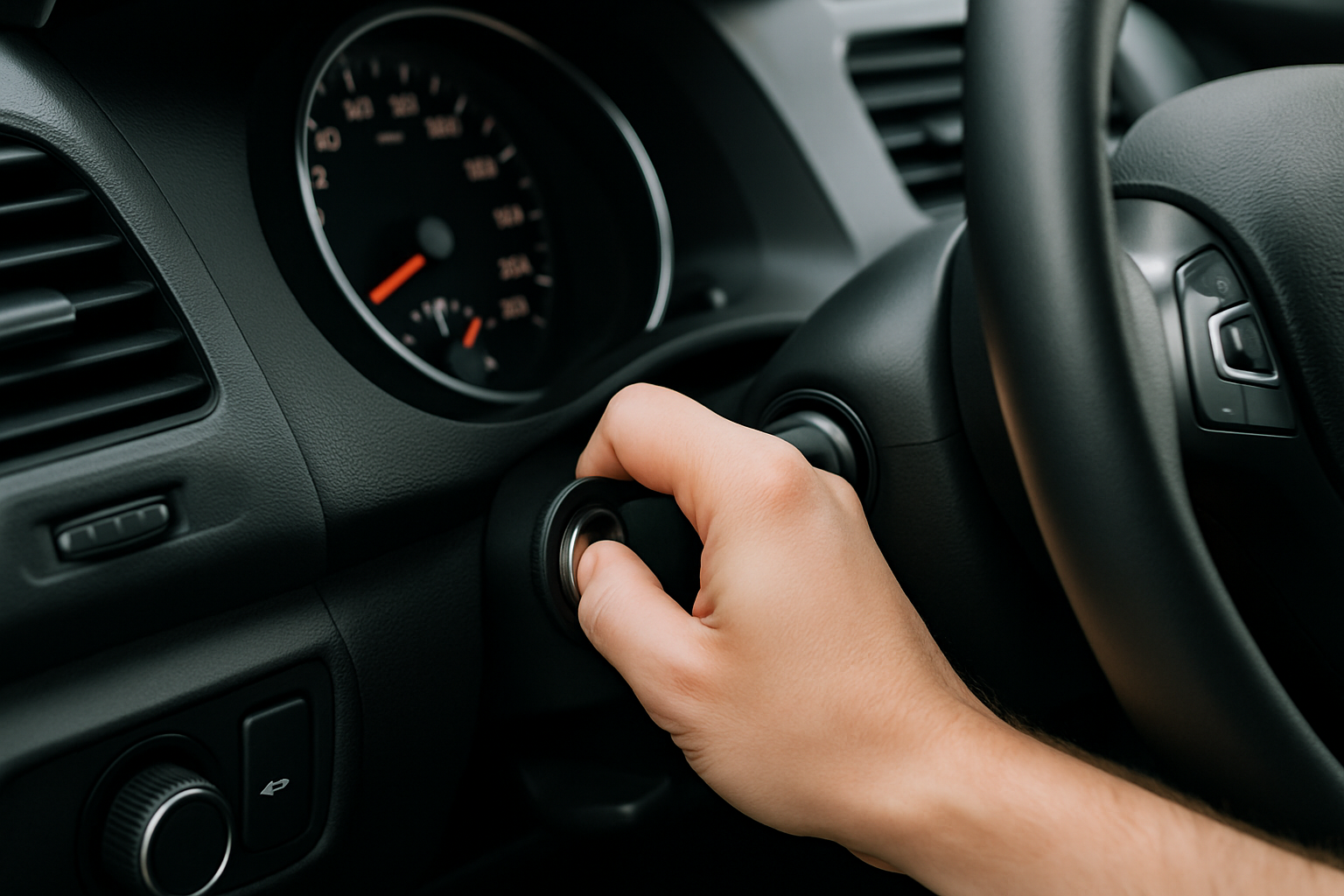
Nothing’s more frustrating than rushing to work only to hear your car struggle to start with that sluggish, drawn-out cranking sound. When your engine cranks slowly, especially during those cold morning hours, it’s your car’s way of telling you something needs attention before you’re left stranded.
Understanding Why Cars Crank Slowly in Cold Weather
Your car’s starting system works harder when temperatures drop, and several factors contribute to that slow, labored cranking you’re hearing. The most common culprit is your battery losing its punch when mercury drops, but other issues can compound the problem.
Cold weather affects your battery’s ability to deliver power in two ways. First, the chemical reactions inside your battery slow down significantly as temperatures fall, reducing the available current. Second, your engine oil thickens when cold, making your starter work much harder to turn over the engine.
When your battery’s cold cranking amps (CCA) drop below what your starter needs, you get that characteristic slow, grinding sound instead of the quick, confident turnover you expect. Your battery might test fine at room temperature but fail to deliver adequate power when it’s 20 degrees outside.
Battery Problems: The Primary Suspect
Your battery is likely the main reason for slow cranking, especially if your car sits outside overnight. Batteries naturally lose charge over time, and cold weather accelerates this process dramatically.
A healthy 12-volt battery should read around 12.6 volts when the engine is off and the car has been sitting for a few hours. Anything below 12.4 volts indicates a battery that’s losing its ability to hold a proper charge, and below 12.0 volts means you’re running on borrowed time.
Parasitic Draw: The Silent Battery Killer
Sometimes your battery drains because something in your car is pulling power when it shouldn’t be. This parasitic draw can come from a glove box light that won’t turn off, a faulty alternator diode, or even aftermarket accessories wired incorrectly.
You can test for parasitic draw by disconnecting your negative battery cable and connecting a multimeter between the cable and the negative terminal. A draw of more than 50 milliamps after the car has been off for an hour indicates a problem that needs investigation.
Corroded Battery Terminals
Those white, green, or blue crusty deposits around your battery terminals aren’t just unsightly, they’re preventing proper electrical contact. Even a small amount of corrosion can create enough resistance to cause slow cranking issues.
Clean terminals should make solid metal-to-metal contact with your battery cables. If you see any buildup, disconnect the cables (negative first) and clean both the terminals and cable ends with a wire brush and baking soda solution.
Starter Motor Issues
While batteries cause most slow cranking problems, a failing starter motor can produce similar symptoms. Starter motors contain brushes and contacts that wear out over time, especially in high-mileage vehicles.
A starter drawing too many amps will drain your battery quickly and produce slow, labored cranking even with a good battery. You might also hear clicking sounds or intermittent engagement where the starter works sometimes but not others.
Starter problems often get worse gradually, beginning with occasional slow cranking and progressing to complete failure. If your battery tests good but you’re still experiencing slow cranking, have your starter tested for proper amp draw.
What to Check When Your Car Cranks Slowly
Start your diagnosis with the most common issues before moving to more complex problems. This systematic approach will save you time and money while getting you back on the road reliably.
Battery Voltage Test
Use a digital multimeter to check your battery voltage with the engine off and all accessories turned off. The battery should read at least 12.4 volts for adequate cranking power, with 12.6 volts being ideal for a fully charged battery.
Test the voltage again while someone cranks the engine. The voltage shouldn’t drop below 10.5 volts during cranking. If it does, your battery either needs charging or replacement.
Visual Battery Inspection
Look for obvious signs of battery problems like swollen cases, cracked terminals, or excessive corrosion. Check that your battery cables are tight and free of fraying or damage.
Most batteries have a built-in charge indicator on top. Green typically means good, black means needs charging, and clear or yellow means replace immediately. However, don’t rely solely on these indicators as they’re not always accurate.
Load Testing Your Battery
A proper load test applies a controlled load to your battery while monitoring voltage drop. This test reveals problems that won’t show up with a simple voltage check.
Many auto parts stores offer free battery testing using professional load testers. These tests typically take just a few minutes and provide a printout showing your battery’s condition and remaining capacity.
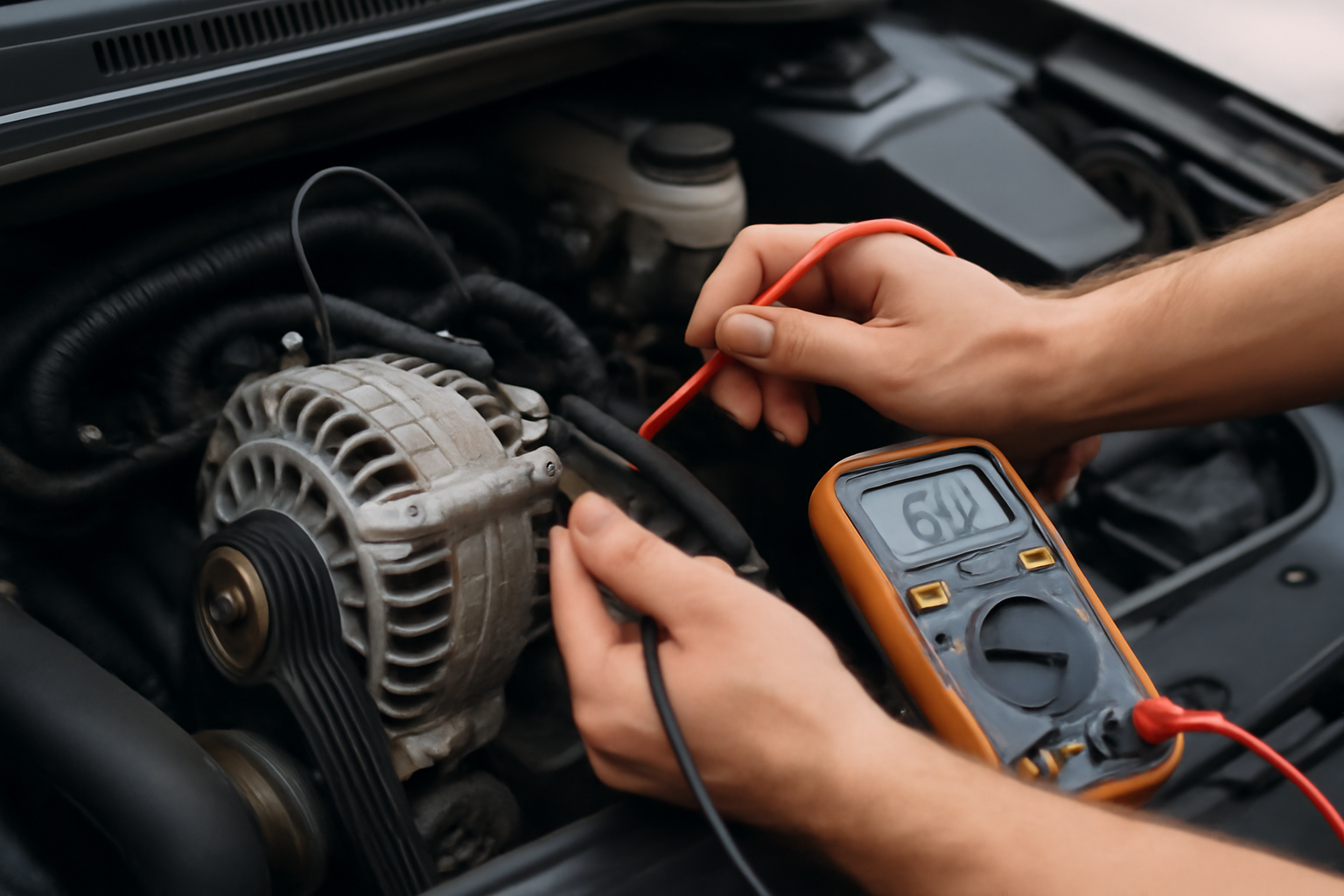
Checking Your Alternator
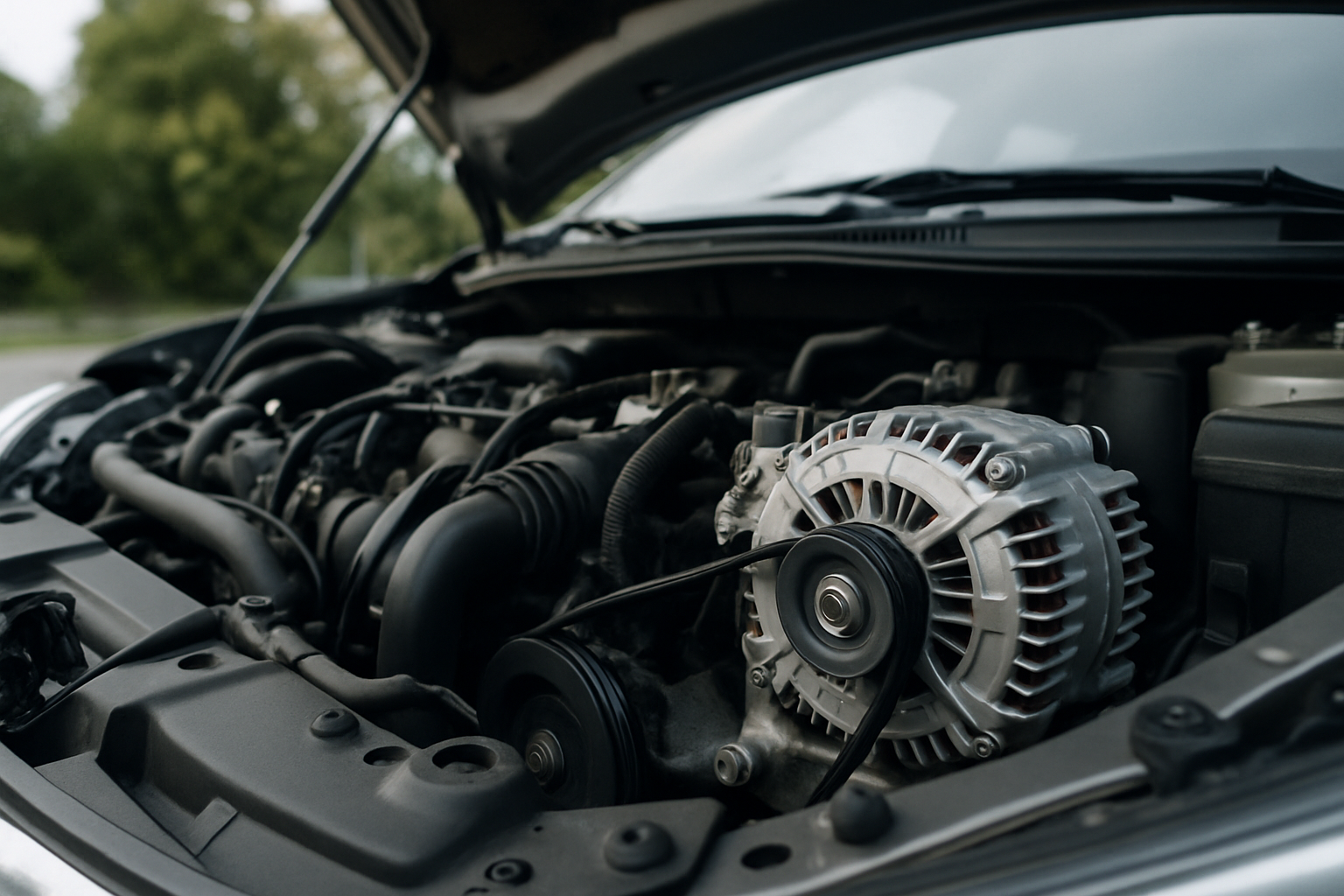
Your alternator keeps your battery charged while driving, so a failing alternator will eventually leave you with a dead battery. With the engine running, your battery voltage should read between 13.5 and 14.5 volts.
If your alternator isn’t charging properly, you might notice dimming headlights, dashboard warning lights, or the battery dying shortly after jumping or charging it.
Temperature Effects on Starting Systems
Cold weather creates a perfect storm for starting problems. Your battery loses about 20% of its capacity at 32°F and up to 50% at 0°F, while your engine oil becomes much thicker and harder to circulate.
This means your starter needs more power from your battery precisely when your battery has less power to give. Add in factors like corroded connections or an aging battery, and you’ve got a recipe for starting problems.
Parking in a garage, even an unheated one, can make a significant difference in cold-weather starting reliability. The protection from wind and precipitation helps maintain slightly higher temperatures under the hood.
Professional Testing and Free Resources
Most major auto parts chains including AutoZone, O’Reilly, and Advance Auto Parts offer free battery and alternator testing. These tests use professional equipment that provides more accurate results than basic multimeter checks.
The testing process usually takes 10-15 minutes and includes checking your battery’s capacity, cold cranking amps, and internal resistance. Many stores can also test your alternator and starter while they’re installed in your vehicle.
Bring your receipt if your battery is still under warranty. Many batteries come with pro-rated warranties that can significantly reduce replacement costs if the battery fails prematurely.
When to Replace vs. Repair
Batteries typically last 3-5 years depending on climate and driving habits. If your battery is approaching this age and showing signs of weakness, replacement is usually more cost-effective than repeatedly charging it.
However, if your battery is relatively new but keeps dying, investigate other causes like parasitic draw or alternator problems. Replacing a good battery won’t solve charging system issues.
Starter motors often provide warning signs before complete failure. Intermittent problems, grinding noises, or progressively slower cranking indicate it’s time for replacement before you’re left stranded.
Preventive Measures
Regular maintenance can prevent most slow cranking issues. Clean your battery terminals every few months and ensure they’re properly tightened.
If you don’t drive daily, consider using a battery tender to maintain proper charge levels. These devices provide a low-level charge that prevents sulfation and extends battery life significantly.
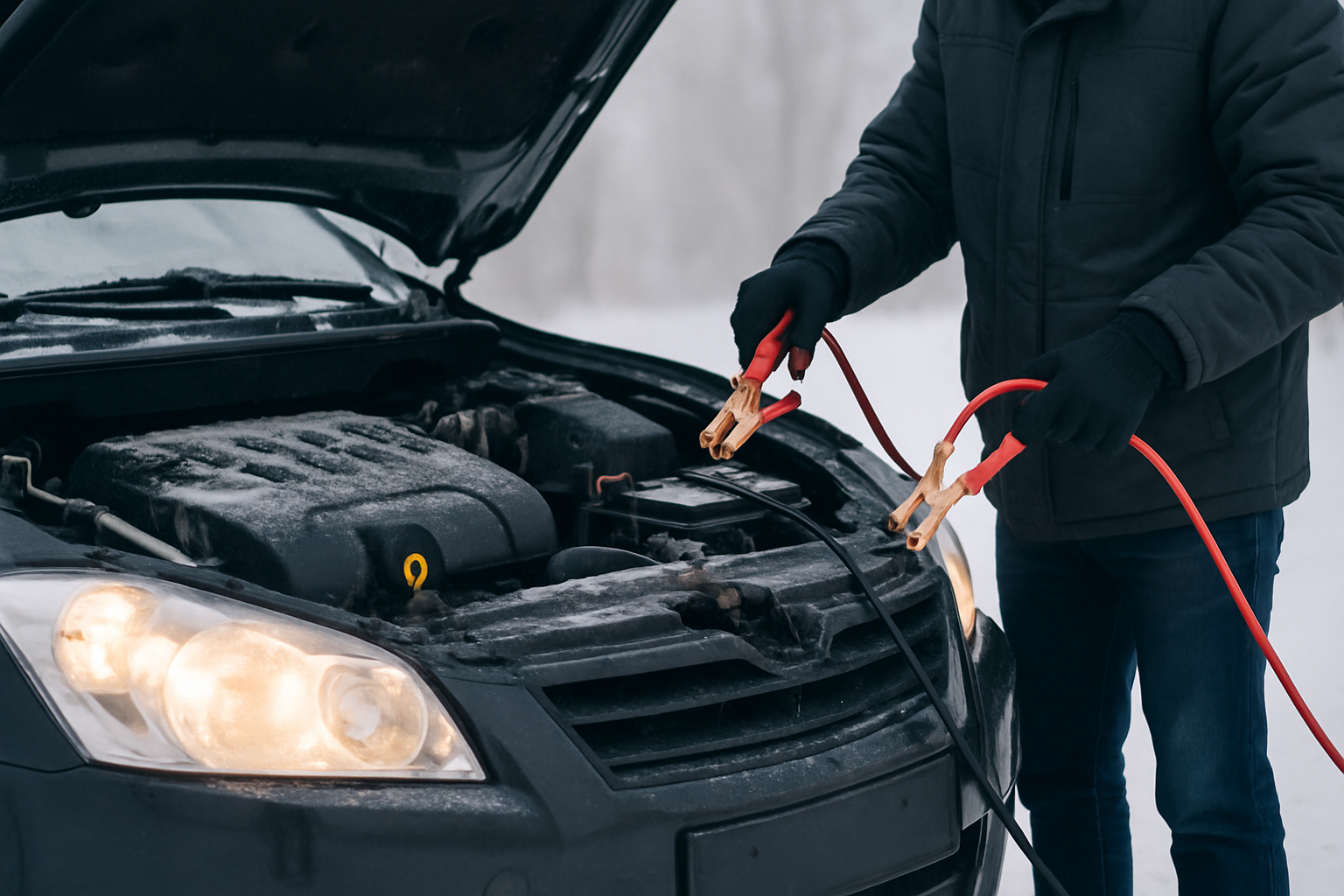
Keep jumper cables or a portable jump starter in your vehicle, especially during winter months. Modern lithium jump starters are compact, hold their charge for months, and can jump-start most vehicles multiple times.
Frequently Asked Questions
Why does my car crank slowly only when it’s cold?
Cold weather reduces your battery’s available power while making your engine oil thicker and harder to turn over. This creates higher demand for power when your battery has less to give, resulting in slow cranking that improves as temperatures rise.
Can I drive my car if it cranks slowly but still starts?
While you can typically drive once the engine starts, slow cranking indicates a problem that will likely get worse. Address the issue promptly to avoid being stranded, especially in cold weather when starting problems are most severe.
How much does it cost to fix slow cranking issues?
Costs vary depending on the cause. Battery replacement typically runs $100-200, while starter replacement can cost $300-600 including labor. Simple fixes like cleaning terminals or charging a good battery might cost nothing if you do the work yourself.
Will a weak battery damage my starter?
A weak battery forces your starter to work harder and longer, which can cause premature wear. However, occasional slow cranking won’t immediately damage a healthy starter. Address battery issues promptly to protect your starting system components.
Leave a Reply