
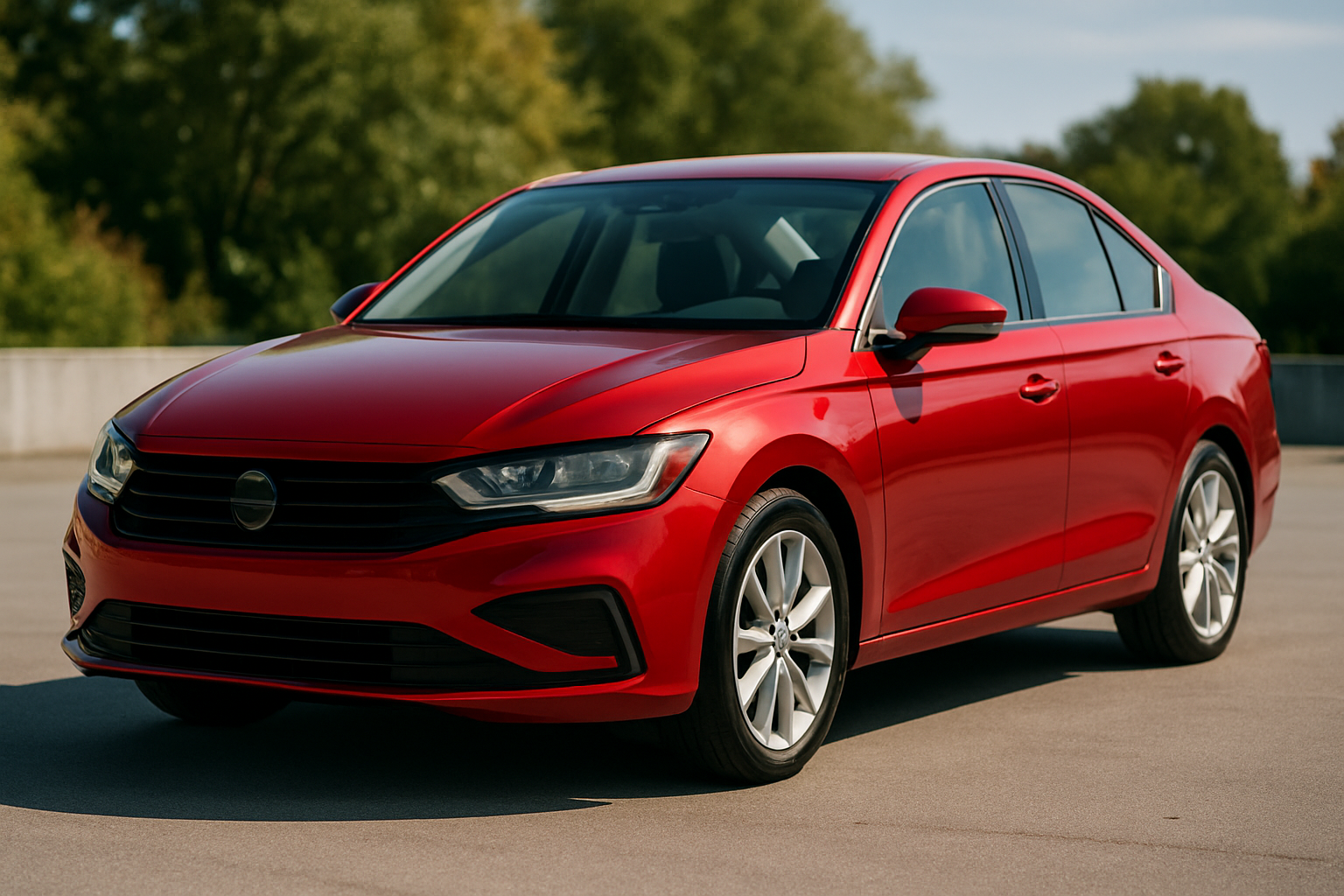
You’ve probably heard the old wives’ tale that red cars cost more to insure because they attract more speeding tickets, or that flashy colors automatically bump up your premiums. This persistent myth has influenced car buying decisions for decades, but the truth might surprise you.
Insurance companies don’t actually ask about your car’s color when you get a quote. The color of your vehicle has absolutely zero impact on your insurance rates, despite what many drivers believe.
Why the Car Color Myth Persists
This misconception has stuck around for good reason. It sounds logical on the surface. Red sports cars do seem to get pulled over more often, and bright colors might appear more attention-grabbing to both police officers and other drivers.
The myth likely started because certain car colors are more common on high-performance vehicles. Think about it: most Ferrari owners probably aren’t choosing beige or gray for their supercars. They want red, yellow, or orange. These same high-performance vehicles genuinely do cost more to insure, but not because of their paint job.
Insurance companies have spent decades studying what factors actually correlate with claims and accidents. Color simply doesn’t make the list. Your bright yellow Mustang might turn heads, but your insurance company only cares about the “Mustang” part of that equation.
What Insurance Companies Actually Ask About Your Vehicle
When you fill out an insurance application, you’ll notice they ask for specific vehicle information. They want to know your car’s year, make, model, trim level, and VIN number. They’ll ask about safety features, engine size, and whether it has anti-theft devices.
Color never comes up in these questions. Most insurance companies couldn’t tell you what color your car is even if they wanted to. They simply don’t collect that information because it’s irrelevant to their risk calculations.
Your VIN number tells insurers everything they need to know about your specific vehicle. It reveals the exact model, engine type, safety equipment, and manufacturing details that actually affect insurance costs. Paint color isn’t encoded in your VIN because it doesn’t matter for insurance purposes.
The Real Factors That Affect Your Car Insurance Rates
Insurance companies use sophisticated algorithms to determine your rates based on factors that actually correlate with claims frequency and severity. These factors fall into several categories that have nothing to do with aesthetics.
Vehicle-Related Factors
Your car’s make and model significantly impact your rates. A Honda Accord costs less to insure than a Dodge Challenger, regardless of whether either one is red, blue, or silver. Insurance companies look at historical data for each specific vehicle to see how often they’re involved in accidents, how much repairs typically cost, and how likely they are to be stolen.
Engine size and horsepower matter more than color ever could. A V8-powered truck will cost more to insure than a four-cylinder sedan because more powerful vehicles statistically lead to more severe accidents. Safety ratings from IIHS and NHTSA also play a major role in determining rates.
The age of your vehicle affects both comprehensive and collision coverage costs. Newer cars cost more to repair or replace, while older vehicles might be more prone to mechanical failures that could cause accidents.
Driver-Related Factors
Your driving record has the biggest impact on your insurance costs. Speeding tickets, accidents, and DUI convictions will increase your rates far more than any paint color ever could. Insurance companies typically look back three to five years when evaluating your driving history.
Your age, location, and credit score (where legally allowed) also influence your premiums. Young drivers pay more regardless of what color car they drive. Urban areas with higher crime rates and accident frequencies result in higher premiums than rural locations.
How you use your vehicle matters too. Daily commuting in heavy traffic presents more risk than occasional weekend drives. The number of miles you drive annually directly correlates with your accident risk.
Coverage and Deductible Choices
The types and amounts of coverage you choose have obvious effects on your premium costs. Higher liability limits, lower deductibles, and additional coverages like gap insurance will increase your rates. These choices have real financial implications, unlike cosmetic features.
Why Some Colors Might Seem More Expensive
While color doesn’t directly affect insurance rates, there are some indirect connections that might explain where this myth originated. Certain colors are more common on expensive or high-performance vehicles, which do cost more to insure.
Luxury car manufacturers often charge extra for premium paint options. A special metallic or pearl finish might add thousands to a car’s purchase price. More expensive cars naturally cost more to insure because they’re worth more and cost more to repair.
Sports cars and performance vehicles tend to come in bright, attention-grabbing colors more often than economy cars. Since these vehicles are inherently more expensive to insure due to their performance capabilities and higher theft rates, people might associate the bright colors with higher insurance costs.
Some specialty paint finishes can affect repair costs if your car is damaged. A custom pearl or metallic finish might be more expensive to match and repair than standard colors, but this would only matter if you file a claim for paint damage. Even then, the color itself isn’t increasing your base premium.
Debunking Specific Color Myths
Red Cars and Speeding Tickets
The idea that red cars get more speeding tickets has been studied extensively, and results are mixed at best. Some studies suggest bright colors might be slightly more likely to be pulled over, but the effect is minimal compared to factors like speeding behavior and vehicle type.
Police officers are trained to identify speeding vehicles based on radar readings and driving behavior, not color. A red car going the speed limit is far less likely to be pulled over than a beige car going 20 mph over the limit.
Even if red cars did get more tickets, insurance companies don’t base rates on the color of vehicles that receive citations. They base rates on the individual driving records of their policyholders.
White and Silver Cars Being “Safer”
Some people believe lighter-colored cars are safer because they’re more visible, especially at night or in poor weather conditions. While visibility can affect accident rates, insurance companies don’t adjust rates based on paint color visibility factors.
Vehicle safety ratings are based on crash test performance, structural design, and safety equipment like airbags and electronic stability control. Paint color plays no role in these standardized safety evaluations.
Theft Rates and Color
Certain car colors might be more or less attractive to thieves, but this factor is overwhelmed by much more significant considerations like the vehicle’s make, model, and anti-theft features. Thieves typically target vehicles that are easy to steal and have strong resale markets for parts.
The most stolen vehicles are usually popular models in common colors because they blend in and their parts are in high demand. Exotic colors might actually deter theft because they’re harder to resell.
What You Should Focus On Instead
Instead of worrying about paint color, focus on factors that actually affect your insurance costs. Shop around for quotes from multiple insurers, as rates can vary significantly between companies for identical coverage.
Consider the total cost of ownership when choosing a vehicle. Research insurance costs for specific makes and models before you buy. A car that costs less upfront might be expensive to insure, while a slightly pricier vehicle with better safety ratings could save you money long-term.
Maintain a clean driving record and take advantage of available discounts. Many insurers offer reductions for good drivers, multiple policies, safety features, and defensive driving courses. These real savings opportunities are far more valuable than choosing a car color based on insurance myths.
Review your coverage regularly to make sure you’re not paying for unnecessary coverage or carrying inadequate limits. Your insurance needs change as your vehicle ages and your financial situation evolves.
The Bottom Line on Car Color and Insurance
Insurance companies are in the business of accurately assessing risk to remain profitable. They use decades of claims data and sophisticated statistical models to set rates. If car color had any meaningful impact on accident rates or claim costs, insurers would absolutely factor it into their pricing.
The fact that no major insurance company asks about vehicle color or uses it in rate calculations should put this myth to rest permanently. Your insurance premium is based on factors that actually matter: your driving record, the vehicle’s safety and theft ratings, your location, and your coverage choices.
Choose your car color based on personal preference, resale value considerations, or climate factors like heat absorption. Don’t let outdated insurance myths influence one of the most visible aspects of your vehicle purchase.
Frequently Asked Questions
Do any insurance companies consider car color at all?
No major insurance company in the United States factors vehicle color into their rate calculations. They don’t collect this information because it has no correlation with claims frequency or severity. Your rates are determined by factors that actually affect risk and costs.
Will a custom paint job affect my insurance?
Custom paint work won’t change your base insurance rates, but you should inform your insurer about expensive modifications. You might need additional coverage to protect the added value of custom work. The color itself doesn’t matter, but the cost to repair or replace custom paint might.
Are there any situations where color matters for car insurance?
The only scenario where color might indirectly matter is if you have a rare or expensive factory paint option that significantly increases your car’s value. In this case, you might need higher coverage limits to fully protect your investment, but the color itself still doesn’t affect your rates.
Should I choose a car color based on safety considerations?
While vehicle visibility can theoretically affect safety, the impact of color on accident rates is minimal compared to factors like vehicle size, safety features, and driver behavior. Choose colors you like rather than worrying about minor visibility differences that won’t affect your insurance costs.

Leave a Reply