
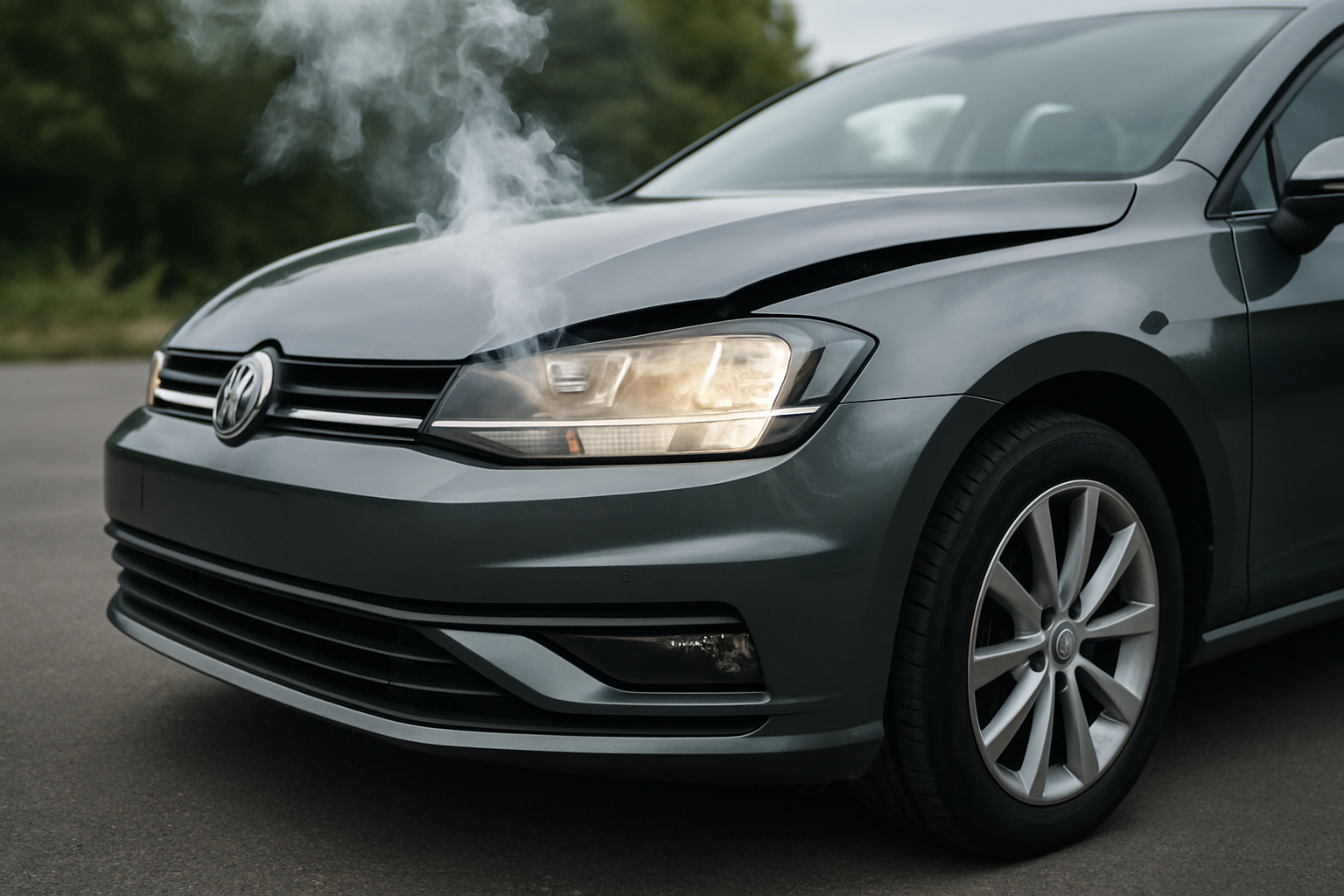
Strange smells coming from your car can turn a peaceful drive into a panic-inducing experience. Your nose is actually one of your best diagnostic tools when it comes to identifying potential vehicle problems before they become expensive repairs.
Different burning smells point to specific issues under the hood, and knowing how to identify them can save you from being stranded on the side of the road. Let’s break down the most common burning smells you might encounter and what they mean for your vehicle.
The Unmistakable Burning Rubber Smell
When you catch a whiff of burning rubber, your first instinct might be to check if you’ve been riding the brakes too hard. While overheated brake pads can certainly produce this smell, there’s another common culprit that’s often overlooked.
Most burning rubber smells come from worn or slipping drive belts. Your engine uses several belts to power accessories like the alternator, power steering pump, air conditioning compressor, and water pump. When these belts start to slip on their pulleys, friction creates that distinctive rubber burning odor.
You’ll typically notice this smell most when accelerating or when the engine is under load. The smell might be accompanied by squealing noises, especially when you first start the car in the morning. If you pop the hood and see frayed edges on any belts, or if they appear glazed and shiny, it’s time for replacement.
A snapped serpentine belt will leave you stranded immediately, as it powers your alternator and water pump. Don’t ignore the early warning signs your nose is giving you.
Burning Oil: The Greasy, Acrid Smell
Burning oil has a distinctly different smell from burning rubber. It’s heavier, greasier, and tends to linger in your nostrils. This smell almost always indicates oil is leaking onto hot engine components, particularly the exhaust manifold or exhaust pipes.
Common sources of oil leaks include worn valve cover gaskets, oil pan gaskets, or even a loose oil drain plug. The leak might be small enough that you don’t see oil spots on your driveway, but even a few drops hitting the hot exhaust system will create a noticeable smell.
Check your oil level regularly when you notice this smell. A small leak can quickly become a major problem if you’re not monitoring your oil levels. Look under the car after it’s been parked for a while to spot any fresh oil stains.
Oil leaks that drip onto the exhaust system aren’t just smelly, they can also create smoke that might obscure your vision or worry other drivers. Address these leaks promptly to avoid more serious engine damage.
Sweet Smell: Your Cooling System Needs Attention
A sweet, almost syrupy smell coming from your car indicates a coolant leak. Ethylene glycol, the main component in most antifreeze formulations, has a distinctively sweet odor that’s actually quite pleasant compared to other automotive smells.
Don’t let the pleasant smell fool you though. Coolant leaks are serious business and can lead to engine overheating if left unchecked. The sweet smell usually means coolant is leaking onto hot engine components where it vaporizes and creates the odor.
Common leak points include the radiator, water pump, heater core, and various hoses throughout the cooling system. You might also notice the sweet smell inside the cabin if your heater core is leaking, often accompanied by foggy windows and a sticky film on the windshield.
Keep an eye on your temperature gauge and coolant reservoir level. If the engine starts running hotter than normal or you see steam coming from under the hood, pull over immediately. Driving with low coolant can warp cylinder heads or crack engine blocks, turning a relatively inexpensive repair into a complete engine replacement.
Electrical Burning: The Sharp, Acrid Warning
Electrical burning smells are perhaps the most concerning of all automotive odors. This smell is sharp, acrid, and distinctly different from burning oil or rubber. It often smells like burning plastic or hot metal, and it should never be ignored.
Electrical problems can range from a simple blown fuse to serious wiring issues that could cause a vehicle fire. Common causes include overloaded circuits, damaged wiring insulation, failing alternators, or problems with aftermarket electrical accessories that weren’t properly installed.
You might notice this smell when using electrical accessories like the air conditioning, heated seats, or aftermarket stereo systems. Sometimes the smell is accompanied by flickering lights, blown fuses, or electrical components that stop working intermittently.
If you smell electrical burning, try to identify which electrical system might be causing the problem by noting when the smell is strongest. Turn off unnecessary electrical accessories and get the car to a qualified technician as soon as possible.
Hot Brakes: When Friction Goes Too Far
Brake-related burning smells deserve their own category because they can indicate several different problems. You might smell burning brake pads after heavy braking, such as driving down a steep mountain road or in stop-and-go traffic.
Normal brake pad material will create a metallic, almost chemical smell when it gets very hot. This isn’t necessarily cause for panic if it happens occasionally under heavy use conditions. However, if you smell burning brakes during normal driving, you’ve got a problem.
Sticking brake calipers can cause constant friction even when you’re not pressing the brake pedal. This creates excessive heat and wear, and you’ll often feel the car pulling to one side. You might also notice that one wheel is significantly hotter than the others after driving.
Brake fluid leaks onto hot brake components can also create burning smells. Brake fluid has a distinctive fishy odor when it burns, quite different from burning brake pad material.
Transmission Troubles: When Fluid Burns
Transmission fluid has its own unique smell when it burns. Fresh transmission fluid is typically red and has a slightly sweet petroleum odor. When it burns, it becomes darker and develops a sharp, burnt smell that’s hard to mistake for anything else.
Burning transmission fluid usually indicates the transmission is overheating due to low fluid levels, old fluid that’s lost its protective properties, or internal transmission problems. You might notice the smell most when accelerating hard or after driving in heavy traffic.
Check your transmission fluid level and condition regularly. The fluid should be relatively clear and bright red. If it’s dark brown or black and smells burnt, you need to have the transmission serviced immediately.
Continuing to drive with burnt transmission fluid can cause complete transmission failure, which is one of the most expensive repairs you can face as a vehicle owner.
What to Do When You Smell Something Burning
Your response to burning smells should vary based on the severity and type of odor you’re experiencing. For electrical burning smells or any smell accompanied by smoke, pull over immediately and turn off the engine.
For other burning smells, find a safe place to stop and pop the hood once the engine has had a few minutes to cool down. Look for obvious signs of leaks, damaged belts, or other visible problems, but don’t touch anything that might be hot.
Take note of when the smell occurs. Does it happen only when accelerating, braking, or using certain accessories? This information will be valuable when you take the car to a mechanic.
Check fluid levels if it’s safe to do so. Low oil, coolant, or transmission fluid can cause burning smells and serious damage if not addressed quickly.
Prevention Is Your Best Defense
Regular maintenance prevents most of the problems that cause burning smells. Follow your vehicle’s maintenance schedule for oil changes, coolant flushes, and transmission service. These simple steps can prevent many of the leaks that cause burning odors.
Inspect belts and hoses during routine maintenance. Look for cracks, fraying, or signs of wear before they become serious problems. Most belts and hoses give plenty of warning before they fail completely.
Keep your cooling system in good condition by replacing coolant at recommended intervals and fixing small leaks before they become big problems. A $20 hose replacement is much cheaper than a new engine.
Have electrical problems diagnosed promptly. Don’t ignore flickering lights, blown fuses, or other electrical issues. These problems rarely fix themselves and often get worse over time.
When Professional Help Is Needed
While you can identify many burning smells yourself, diagnosing and fixing the underlying problems often requires professional help. Modern vehicles have complex systems that require specialized tools and knowledge to repair safely.
Don’t attempt electrical repairs unless you have the proper training and tools. Electrical problems can be dangerous and expensive if not handled correctly. The same applies to transmission and cooling system repairs.
However, you can save money by being an informed consumer. Understanding what different smells mean helps you communicate effectively with your mechanic and avoid unnecessary repairs.
Get a second opinion if you’re quoted a very expensive repair, especially for transmission or engine problems. Sometimes what seems like a major issue can be fixed with a simple adjustment or minor part replacement.
Your nose is telling you something important when you smell burning odors from your car. Don’t ignore these warning signs, but don’t panic either. Most burning smells indicate problems that can be fixed relatively inexpensively if caught early. The key is taking action promptly and getting professional help when you need it.

Leave a Reply