
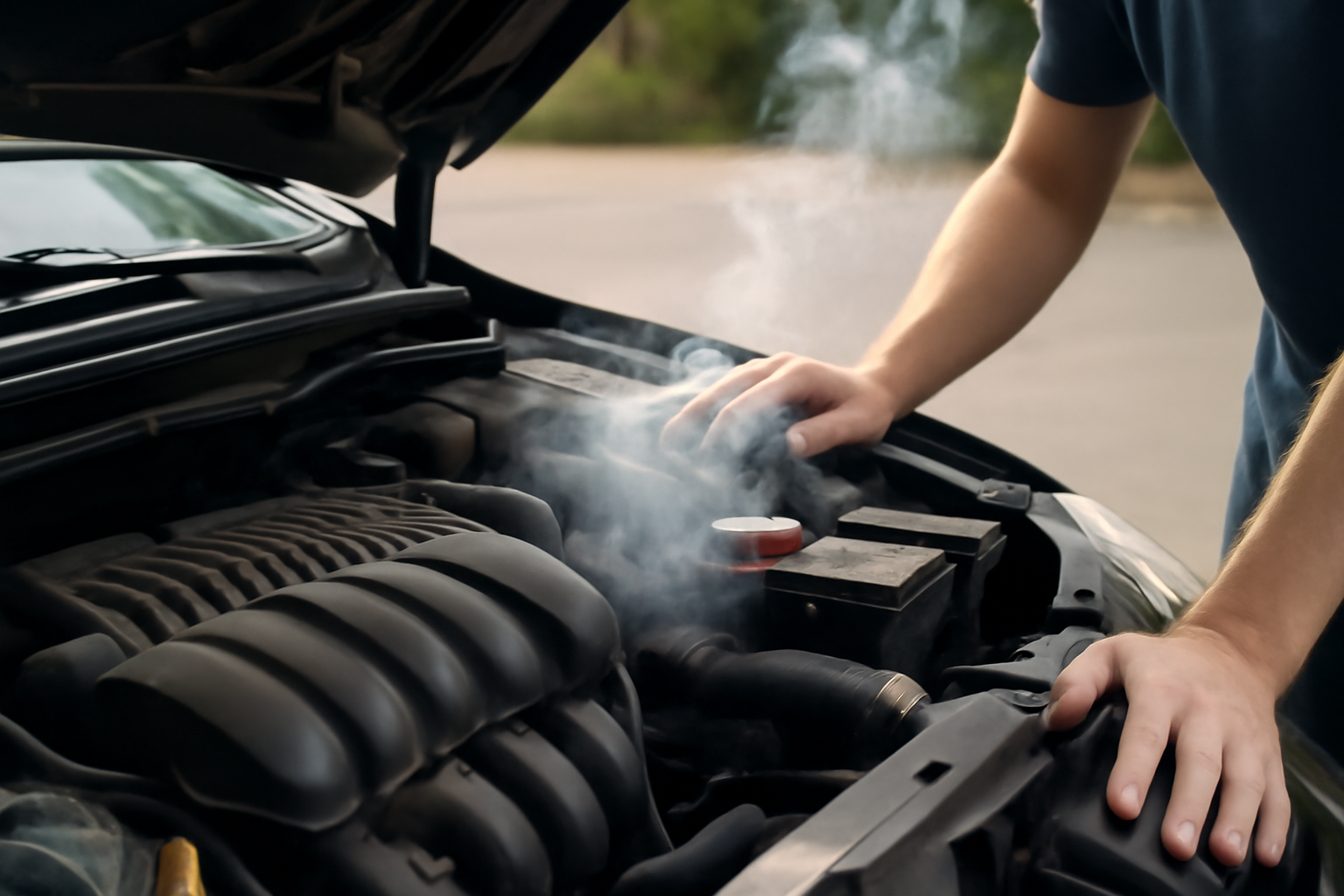
A burning smell from your car is never something to ignore. Different burning smells point to different problems, and some are significantly more urgent than others. Learning to identify the specific smell can help you decide whether to pull over immediately or schedule a repair for this weekend.
Burning Rubber
A hot rubber smell usually comes from a slipping serpentine belt or accessory belt. The belt glazes and heats up as it slips on the pulleys, producing a distinct burnt rubber odor. Common triggers include a weak belt tensioner, a seized accessory pulley (AC compressor, alternator, power steering pump), or a belt that’s simply worn and needs replacement.
Another possibility is a rubber hose or wire loom resting against the exhaust manifold. After engine work or road debris strikes, hoses can shift position and contact hot exhaust components. A visual inspection of the engine bay while the engine is running (carefully) can often reveal the contact point.
Urgency: Medium. A slipping belt can strand you if it breaks, but it’s not an immediate fire risk. A hose against the exhaust should be repositioned promptly to prevent melting through.
Burning Oil
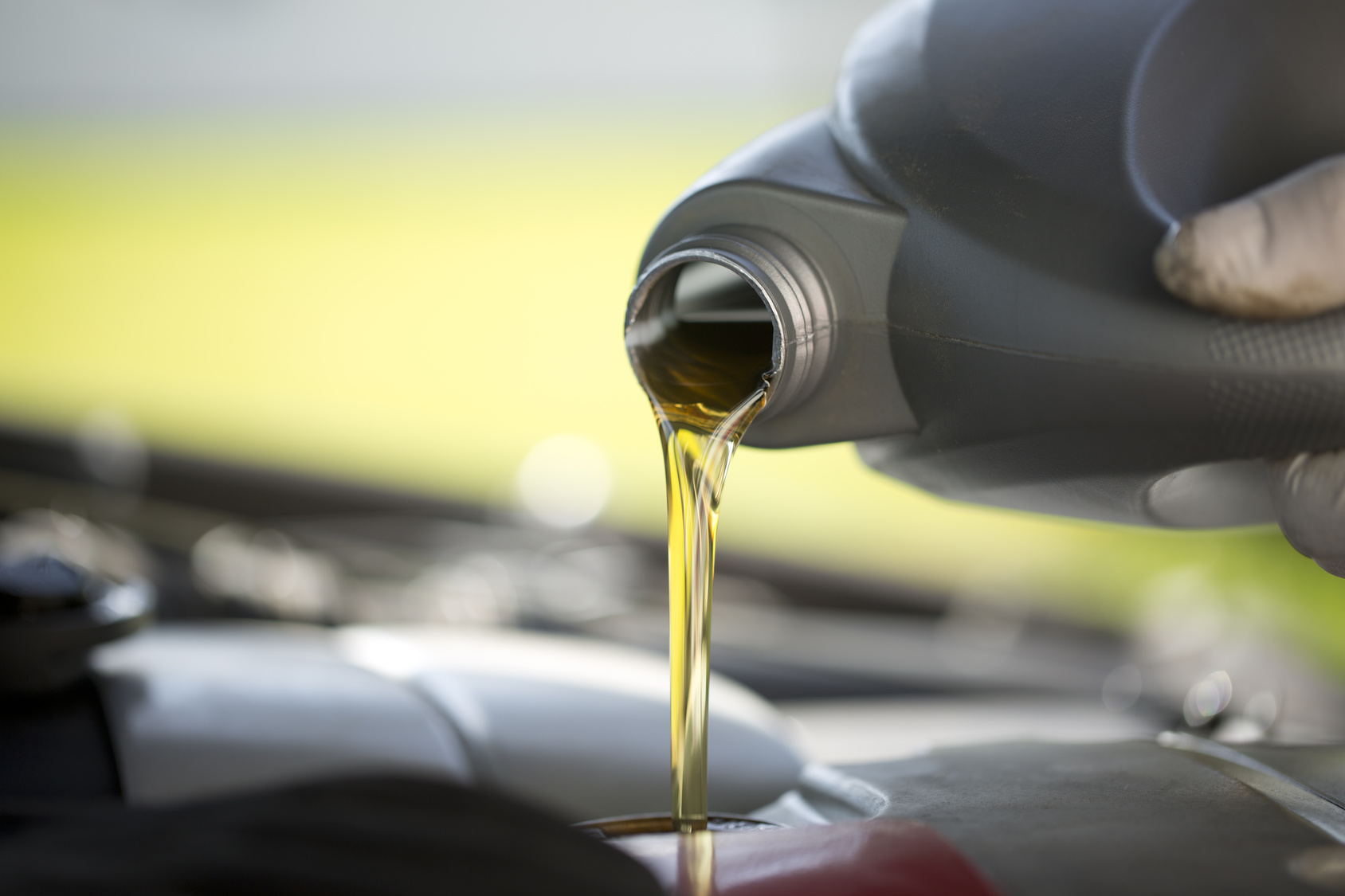
A heavy, acrid oil-burning smell often comes from a valve cover gasket leak dripping oil onto the exhaust manifold. The manifold reaches 500°F or more, instantly smoking any oil that contacts it. You’ll usually see a faint blue-white haze from under the hood.
Check the valve cover(s) for oily residue on the exhaust side. Tighten the valve cover bolts first. If that doesn’t stop the leak, the gasket needs replacement. An oil pan gasket or rear main seal leak can also drip onto hot exhaust components underneath the car.
A UV dye leak detection kit makes finding the exact leak source much easier. Add the dye to your oil, drive for a day, then scan the engine with the included UV flashlight. The dye glows bright green at the leak point.

UV Dye Leak Detection Kit
Essential tool for pinpointing oil and coolant leaks quickly and accurately
Urgency: Medium to High. Oil on hot exhaust is a fire risk, especially if the leak is significant. Small seepage can be monitored; active dripping needs prompt repair.
Sweet, Syrupy Smell (Coolant)
A sweet, almost maple-syrup-like smell means coolant is leaking and evaporating on a hot surface. Ethylene glycol (the base of most coolants) produces this distinctive sweet odor when heated. The leak could be from a radiator hose, heater core, water pump, or the radiator itself.
If you smell coolant inside the cabin (especially with the heater on), the heater core is likely leaking. You may also notice a fogging windshield from the inside and dampness on the passenger-side carpet.
Urgency: High. Coolant leaks lead to overheating, which can cause head gasket failure and engine damage. Check your coolant level and fix the leak before the engine overheats. For more information on cooling system problems, see our guide on car overheating with AC on.
Burning Plastic or Electrical Smell
Melting plastic or a sharp, acrid electrical smell points to an electrical short circuit. Wiring insulation melting from excessive current draw produces a very recognizable smell that’s different from any fluid-based burning smell.
Common causes include a malfunctioning blower motor resistor (draws too much current), a short in the wiring harness, or a failed relay that’s sticking closed. Check for blown fuses first, as a blown fuse is the safety device that’s supposed to prevent this. If fuses keep blowing, there’s a short that needs professional diagnosis.
Urgency: Very High. Electrical shorts can cause vehicle fires. If you smell burning plastic, pull over and identify the source before continuing. Check the fuse panel for a melted or discolored fuse and the area around it for heat damage.
Clutch Smell (Manual Transmission)

A clutch that’s been ridden (partially engaged while driving) overheats the friction material and produces a smell similar to burning paper or burning brakes. You’ll typically notice this after a steep hill climb, heavy traffic, or when a new driver is learning to drive stick.
Brief clutch smell from aggressive driving or a steep grade isn’t harmful if it’s occasional. Persistent clutch smell means the clutch disc is wearing prematurely. Check for a clutch pedal that doesn’t fully disengage (needs adjustment) or driving habits that keep the foot resting on the clutch pedal.
Manual transmissions require different maintenance than automatics. For more on transmission care, check out our Volkswagen GTI DSG transmission maintenance guide.
Urgency: Low to Medium. Occasional clutch smell is normal under hard use. Constant clutch smell indicates the disc is being destroyed and replacement is approaching.
Frequently Asked Questions
Why does my car smell like burning only when stopped?
At highway speed, airflow through the engine bay carries fumes away before you smell them. At idle or stopped, there’s minimal airflow, so the smell concentrates. This is typical of small oil or coolant leaks on exhaust components. The leak may be minor, but it should still be found and fixed.
Can a burning smell come from new brakes?
Yes. New brake pads go through a curing process during the first 100 to 200 miles of use. You may notice a chemical or burning smell during break-in, especially after harder stops. This is normal and should diminish within a few days of driving. This is similar to the break-in period for new cars.
Is it safe to drive with a burning smell?
A burning plastic or electrical smell warrants pulling over immediately. A burning oil or coolant smell is worth investigating soon but doesn’t usually require roadside stopping. A clutch or belt smell is the least urgent but should be addressed before it escalates.
What should I do if I can’t identify the burning smell?
If you can’t pinpoint the source of a burning smell, it’s best to have a professional mechanic inspect your vehicle. They have the tools and experience to diagnose issues that might not be obvious during a visual inspection. Don’t ignore persistent burning smells, as they often indicate problems that will worsen over time.



Leave a Reply