
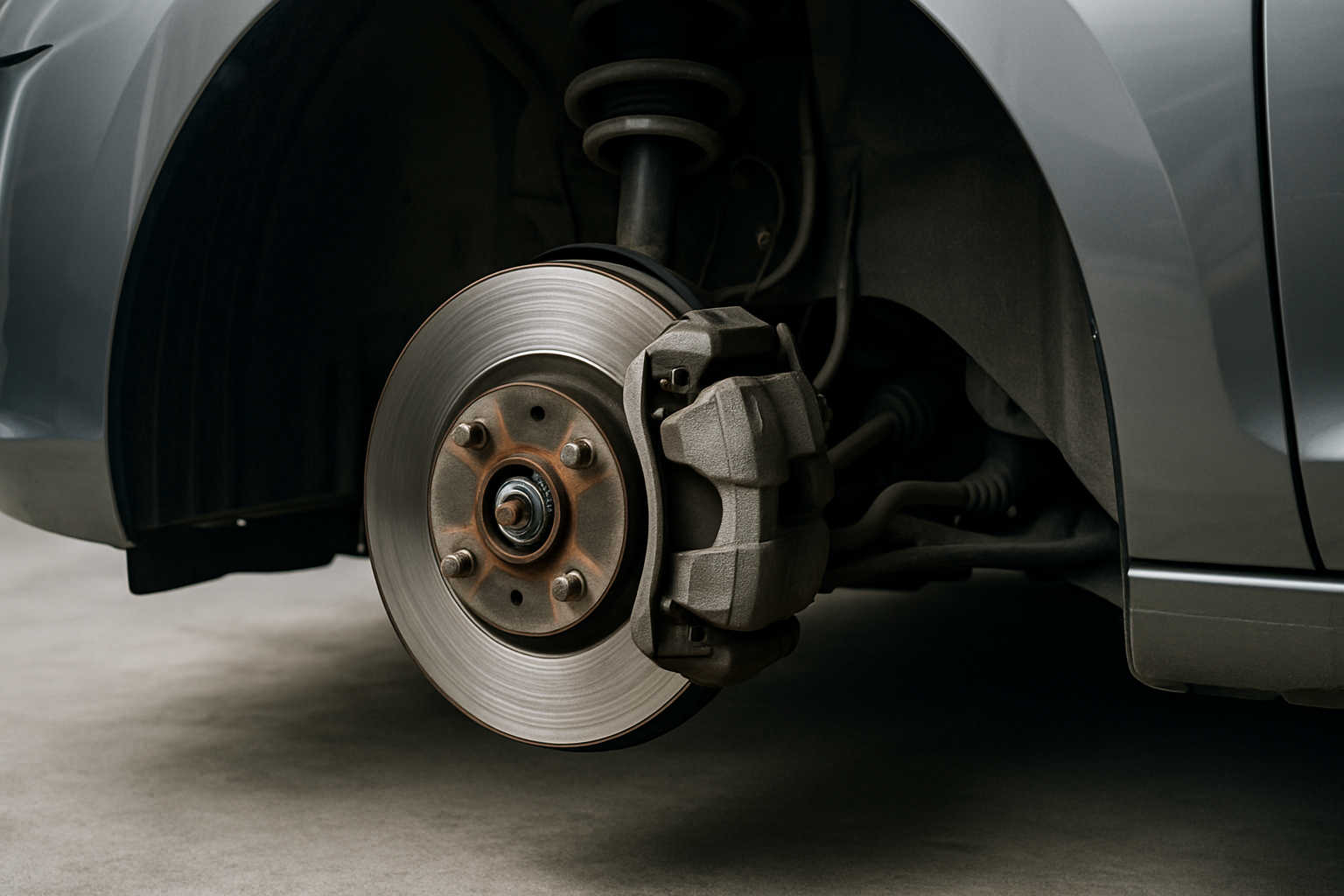
That annoying squeal from your brakes can turn your morning commute into an embarrassing symphony of screeching sounds. While some brake noise is completely normal, knowing when that squeal signals a real problem can save you hundreds of dollars and keep you safe on the road.
What Makes Your Brakes Squeal in the First Place
Brake squealing happens when something causes vibrations between your brake pads and rotors. Think of it like fingernails on a chalkboard, but with metal components spinning at high speeds. The friction that stops your car can also create these high-pitched sounds under certain conditions.
Your brake system works by pressing brake pads against rotating discs (rotors) attached to your wheels. When everything’s working perfectly, this happens quietly. But several factors can disrupt this smooth operation and create noise.
The Normal Squeals You Don’t Need to Worry About
Morning Moisture Squeal
If your brakes squeal for the first few stops after sitting overnight, you’re hearing moisture at work. Dew, humidity, or light rain creates a thin layer of water on your rotors while your car sits parked. This moisture acts like a lubricant between your pads and rotors, causing temporary squealing.
This type of squeal typically disappears after a few gentle brake applications as the pads wipe the moisture away. You’ll notice it most during humid weather or if you park outside overnight.
Dust and Debris Buildup
Road dust, brake dust, and small particles can accumulate on your rotors and pads, especially if you haven’t driven in a few days. This buildup creates an uneven surface that causes squealing until the pads clear it away through normal use.
Light squealing from dust usually resolves itself within a few miles of driving. If you live on gravel roads or in dusty conditions, you might notice this more frequently.
When Brake Squealing Signals Real Problems
The Built-In Warning System
Most brake pads include a small metal tab called a wear indicator. When your pads wear down to about 2-3mm of material remaining, this tab starts touching your rotor and creates a deliberate squealing sound.
This squealing is intentionally annoying because it’s designed to get your attention. Unlike moisture or dust squealing, wear indicator noise happens consistently during braking and won’t go away on its own.
Glazed Brake Pads
Brake pads can develop a hard, glassy surface called glazing when they overheat. This happens from heavy braking, riding the brakes down long hills, or using low-quality pads. Glazed pads create a persistent high-pitched squeal because they can’t grip the rotor properly.
Glazed pads often squeal constantly during braking, not just occasionally. You might also notice reduced braking performance or a longer stopping distance.
Decoding Different Types of Brake Noise
High-Pitched Squealing vs. Deep Grinding
The pitch and character of brake noise tells you a lot about what’s happening inside your wheel. High-pitched squealing usually indicates early-stage issues like wear indicators, glazing, or contamination.
Deep grinding or scraping sounds signal serious problems. You’re likely hearing metal-on-metal contact, which means your brake pads are completely worn out and the backing plates are grinding against your rotors.
Grinding noises require immediate attention. Continuing to drive with grinding brakes can damage your rotors, increase repair costs significantly, and compromise your safety.
When Squealing Becomes Constant
Occasional squealing during the first few stops isn’t concerning, but constant squealing during every brake application needs investigation. This pattern suggests your pads have reached their wear indicators or developed glazing.
Pay attention to whether the squealing happens only when you first start driving or continues throughout your entire trip. Persistent noise indicates a problem that won’t resolve itself.
How to Determine if Your Pads Need Replacement
Visual Inspection Methods
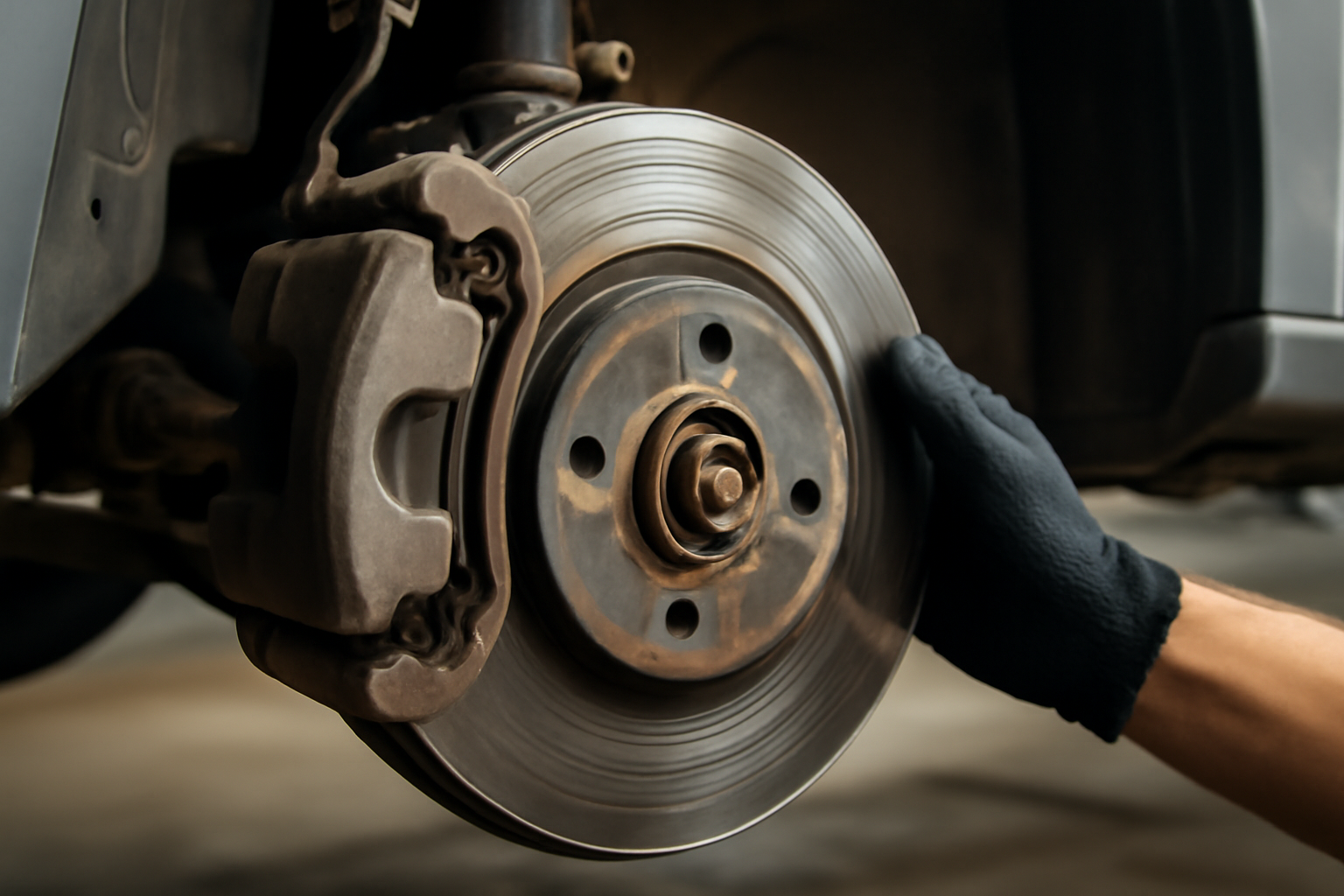
You can check your brake pad thickness through the spokes of your wheels on most vehicles. Look for the brake caliper (usually silver or black) and locate the brake pad between the caliper and rotor. The friction material should be at least 3-4mm thick.
If the pad material looks thinner than a quarter’s width, or if you can see the metal backing plate, your pads need replacement. Some pads have wear indicator grooves that disappear when the pad gets too thin.
Professional Inspection Benefits
While visual checks help, a professional inspection provides a complete picture. Mechanics can measure pad thickness precisely, check rotor condition, inspect brake lines, and test brake fluid.
Many shops offer free brake inspections because brake work is common and profitable. Take advantage of these inspections if you’re unsure about your brake condition.
What Happens if You Ignore Brake Squealing
The Escalation Process
Ignoring brake squealing doesn’t make it go away, it makes the problem worse. Worn pads that continue squealing will eventually wear down completely, leading to metal-on-metal grinding.
Once grinding starts, you’re damaging your rotors. Instead of a $200-300 pad replacement, you’re looking at $400-800+ for pads and rotor replacement or resurfacing.
Safety Implications
Severely worn brakes increase your stopping distance and reduce your ability to stop quickly in emergencies. The brake pedal might feel spongy or require more pressure than normal.
In extreme cases, worn brake pads can cause brake failure. The friction material can separate from the backing plate, leaving you with little to no braking ability.
Preventing Unnecessary Brake Squealing
Driving Habits That Help
Gentle, gradual braking extends pad life and reduces squealing. Avoid riding your brakes or waiting until the last second to brake hard. These habits generate excessive heat that can glaze your pads.
If you live in a hilly area, use engine braking (downshifting or using lower gears) to help slow down instead of relying entirely on your brakes.
Quality Parts Matter
When you do need brake pad replacement, invest in quality pads designed for your driving style. Ceramic pads typically produce less dust and noise than semi-metallic pads, but they cost more initially.
Cheap brake pads often squeal more and wear out faster, making them more expensive in the long run. Stick with reputable brands like Akebono, Wagner, or Raybestos for reliable performance.
Frequently Asked Questions
Can I drive with squealing brakes?
You can drive short distances with squealing brakes, but you should have them inspected soon. If the squealing is constant or accompanied by grinding noises, stop driving and get immediate service. Morning moisture squealing is safe to drive with once it goes away after a few stops.
How much does brake pad replacement cost?
Brake pad replacement typically costs $150-400 per axle, depending on your vehicle and pad quality. Luxury vehicles and performance cars cost more due to specialized pads and larger brake systems. If you also need rotors, add another $200-400 per axle.
How long do brake pads last?
Most brake pads last 25,000-70,000 miles, but this varies widely based on driving conditions, pad material, and driving habits. City driving with frequent stops wears pads faster than highway driving. Heavy vehicles and aggressive drivers also wear pads more quickly.
Why do my brakes squeal only sometimes?
Intermittent squealing usually indicates environmental factors like moisture, dust, or temperature changes. However, if the squealing becomes more frequent or predictable (like every time you brake), your pads are likely reaching the end of their useful life.

Leave a Reply