
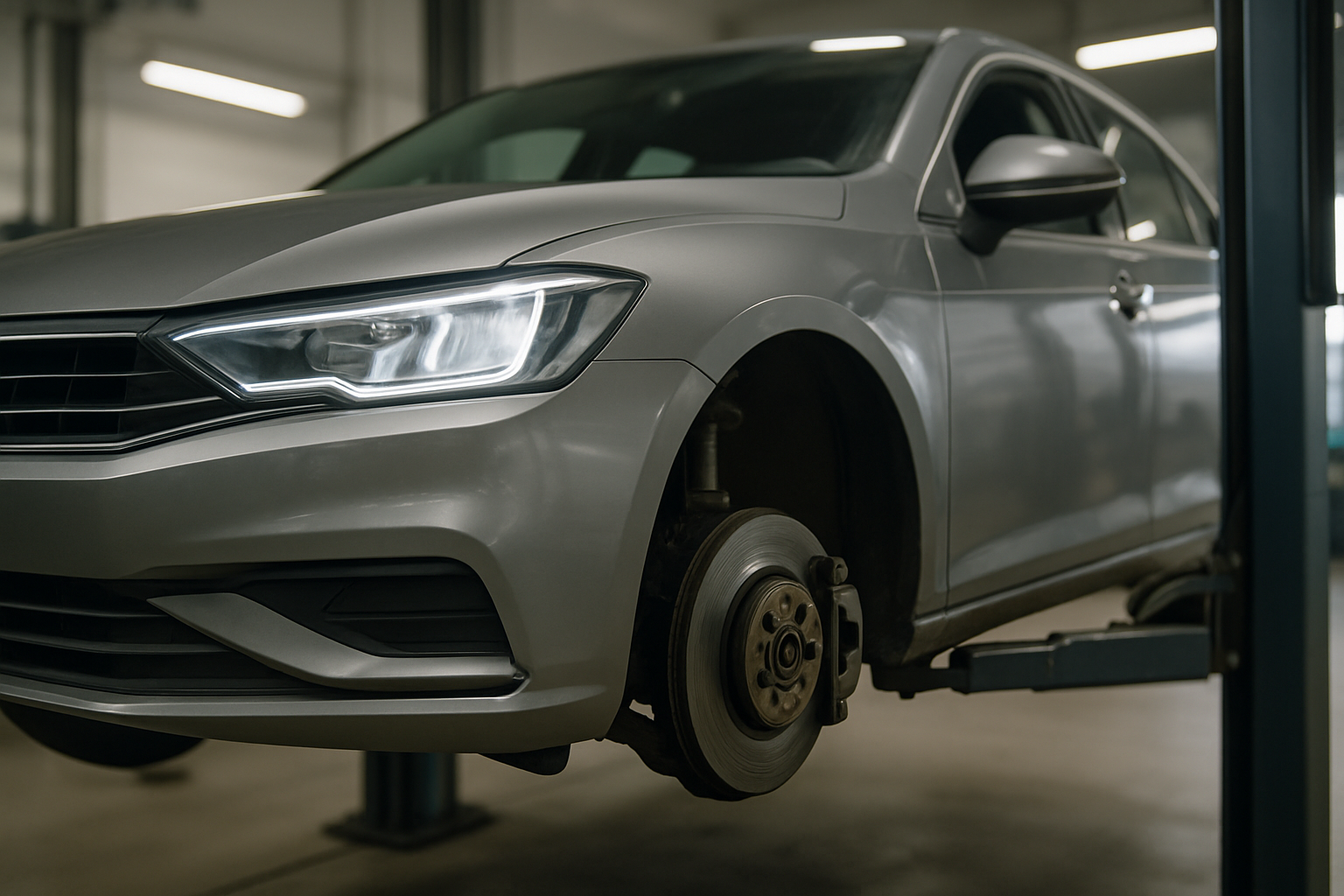
That sinking feeling when you press the brake pedal and it goes down too far isn’t something you should ignore. Spongy brakes are more than just annoying, they’re a serious safety concern that needs immediate attention.
What Makes Brakes Feel Spongy
Your brake system relies on hydraulic pressure to work properly. When you press the pedal, brake fluid transfers that force through steel lines to your brake calipers, which squeeze the pads against your rotors. This system only works when there’s no air in the lines and the fluid can’t be compressed.
Spongy brakes happen when something disrupts this hydraulic pressure. Instead of that firm, solid feel you expect, the pedal feels mushy and may travel further toward the floor before the brakes engage.
The Four Main Culprits Behind Spongy Brakes
Air in the Brake Lines
Air is compressible, unlike brake fluid. When air bubbles get trapped in your brake lines, they compress when you press the pedal instead of transferring pressure directly to your calipers. This creates that spongy feeling and reduces your braking power.
Air typically enters the system during brake repairs, when a line develops a small leak, or when the brake fluid reservoir runs low. Even tiny amounts of air can make a noticeable difference in pedal feel.
Old Brake Fluid Absorbing Moisture
Brake fluid is hygroscopic, which means it naturally absorbs moisture from the air over time. Fresh brake fluid has a boiling point around 400°F, but contaminated fluid with just 3% water content can see that drop to 285°F or lower.
When moisture-laden brake fluid gets hot during heavy braking, it can actually boil and create vapor bubbles in your lines. These bubbles act just like air, making your pedal feel soft and unpredictable.
Worn Brake Pads
As your brake pads wear down, your calipers have to extend further to make contact with the rotors. This means your brake pedal has to travel further before the pads engage, creating a spongy feel.
While this isn’t technically a hydraulic problem, worn pads can definitely contribute to that mushy pedal sensation. You’ll usually hear squealing or grinding noises along with the soft pedal feel.
Leaking Caliper or Brake Line
External leaks are usually easy to spot because you’ll see brake fluid puddles under your car. Internal caliper leaks are trickier to diagnose but just as problematic. When brake fluid leaks out, air takes its place in the system.
Check around your wheels for signs of brake fluid, which looks like a clear to amber-colored oil. Brake lines can develop leaks at fittings, while calipers typically leak around the piston seals.
How to Diagnose Your Specific Problem
Start with a visual inspection of your brake system. Look for any obvious leaks around the wheels, brake lines, and master cylinder. Check your brake fluid reservoir under the hood. The fluid should be clear to light amber, not dark brown or black.
Press the brake pedal with the engine off. It should feel firm and not sink toward the floor when you hold steady pressure. If it slowly sinks, you likely have a leak somewhere in the system.
Check your brake pad thickness through the wheel spokes if possible. Most pads should have at least 1/4 inch of friction material remaining. If they’re thinner than that, replacement is overdue.
Getting Your Brakes Firm Again
Bleeding the Brake System
If air in the lines is your problem, bleeding the brakes will fix it. This process forces fresh fluid through the system while pushing out any trapped air bubbles.
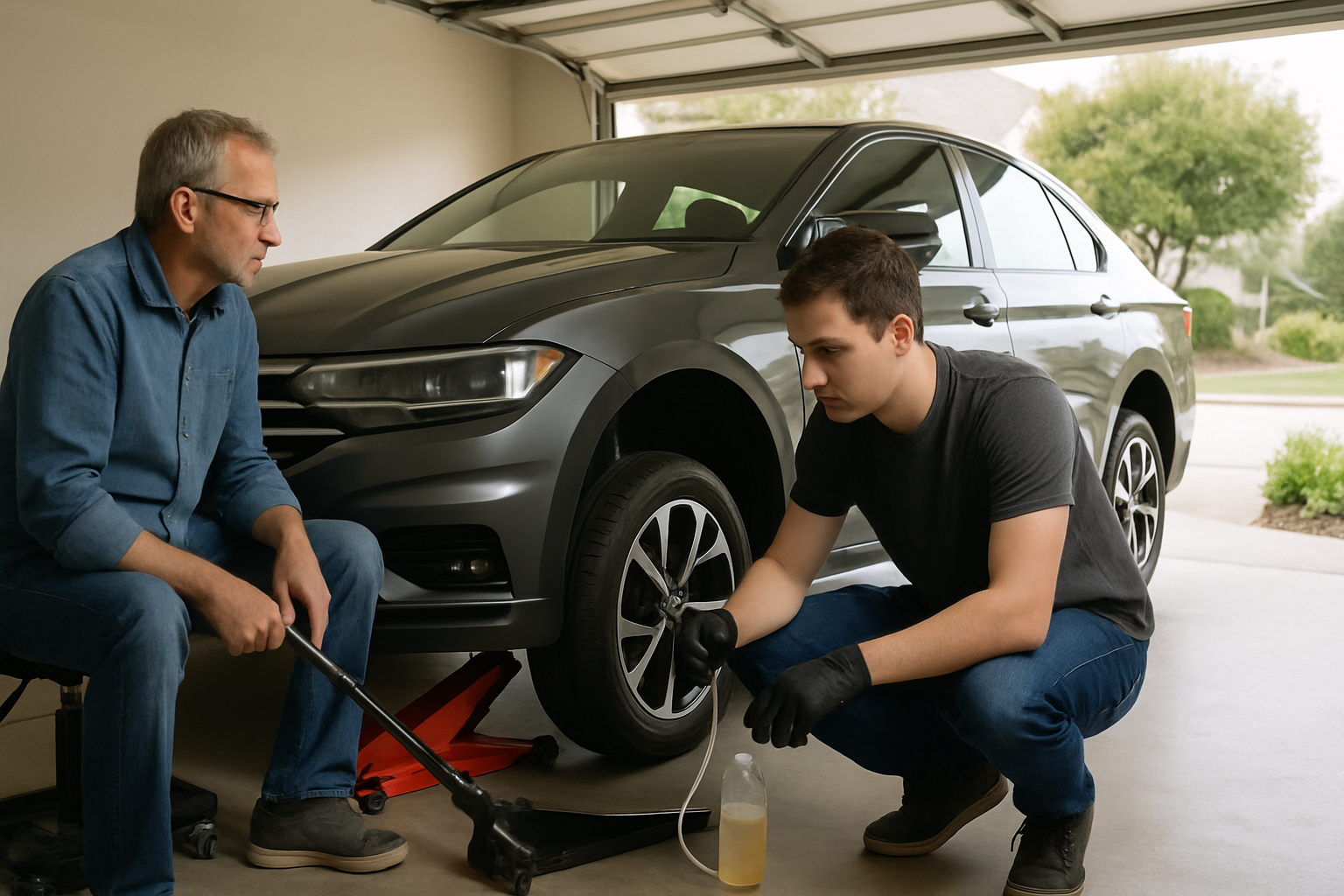
You’ll need a helper, fresh brake fluid, and clear tubing that fits over your brake bleeder screws. Start with the wheel furthest from the master cylinder (usually the right rear) and work toward the closest (typically the left front).
Have your helper pump the brake pedal several times, then hold it down. Open the bleeder screw until fluid and air bubbles come out, then close it before your helper releases the pedal. Repeat until you see only clean fluid with no air bubbles.
Flushing Old Brake Fluid
Brake fluid should be flushed every 2-3 years regardless of mileage. This prevents moisture contamination and keeps your brake system operating at peak performance.
A complete flush involves bleeding all four wheels while continuously adding fresh fluid to the master cylinder reservoir. This ensures all the old, contaminated fluid gets replaced with fresh DOT 3, DOT 4, or DOT 5.1 fluid depending on your vehicle’s specifications.
Never mix different types of brake fluid, and always use the type specified in your owner’s manual. Using the wrong fluid can damage your brake system’s rubber seals and create expensive problems.
Replacing Worn Components
Worn brake pads need replacement, plain and simple. While you’re at it, have your rotors inspected for wear, warping, or scoring. Damaged rotors can prevent proper pad contact and contribute to spongy brake feel.
Leaking calipers usually need complete replacement or professional rebuilding. This isn’t a DIY job for most people, as it requires special tools and knowledge of proper torque specifications.
Brake line leaks require immediate attention. Steel lines can be repaired with proper brake line and fittings, but rubber flex lines should always be replaced completely when they show signs of leaking or cracking.
When to Call a Professional
Brake work isn’t the place to experiment if you’re not confident in your abilities. Any time you’re dealing with leaks, internal caliper problems, or you’re not comfortable bleeding brakes properly, take your vehicle to a qualified technician.
Professional brake service typically includes a complete system inspection, fluid flush, and testing to ensure everything works correctly. They have specialized tools like pressure bleeders that can make the job faster and more thorough than manual bleeding.
Don’t ignore spongy brakes hoping they’ll improve on their own. Brake problems typically get worse over time, not better, and the consequences of brake failure are too serious to risk.
Preventing Future Brake Problems
Regular brake fluid flushes every 2-3 years will prevent most spongy brake issues. This simple maintenance step removes moisture and contaminants before they can cause problems.
Check your brake fluid level monthly and top it off if needed, but investigate why it’s low. Brake fluid doesn’t evaporate, so a dropping level usually indicates a leak somewhere in the system.
Pay attention to how your brakes feel during normal driving. Gradual changes in pedal feel, increased stopping distances, or unusual noises are all signs that service is needed before you end up with completely spongy brakes.
Replace brake pads before they’re completely worn out. Driving on worn pads damages rotors and can lead to more expensive repairs. Most modern vehicles have wear indicators that squeal when pads need replacement.
Frequently Asked Questions
Can I drive with spongy brakes?
You should avoid driving with spongy brakes whenever possible. While the brakes may still work, their effectiveness is reduced and stopping distances will be longer. This creates a serious safety risk for you and other drivers. Get the problem diagnosed and fixed as soon as possible.
How much does it cost to fix spongy brakes?
The cost depends entirely on what’s causing the problem. A simple brake fluid flush typically runs $80-120, while bleeding just to remove air might cost $60-100. If you need new pads, rotors, or calipers, expect to pay $200-800 or more depending on your vehicle and what parts need replacement.
Will spongy brakes get worse over time?
Yes, spongy brakes typically worsen if left untreated. Air bubbles can multiply, leaks can get bigger, and contaminated fluid continues absorbing more moisture. What starts as a minor annoyance can quickly become a dangerous situation where your brakes fail completely.
How often should I flush my brake fluid?
Most manufacturers recommend brake fluid flushes every 2-3 years regardless of mileage. Vehicles driven in humid climates or subjected to heavy braking may need more frequent service. Check your owner’s manual for specific recommendations, but don’t exceed 4 years between flushes under any circumstances.
Leave a Reply