
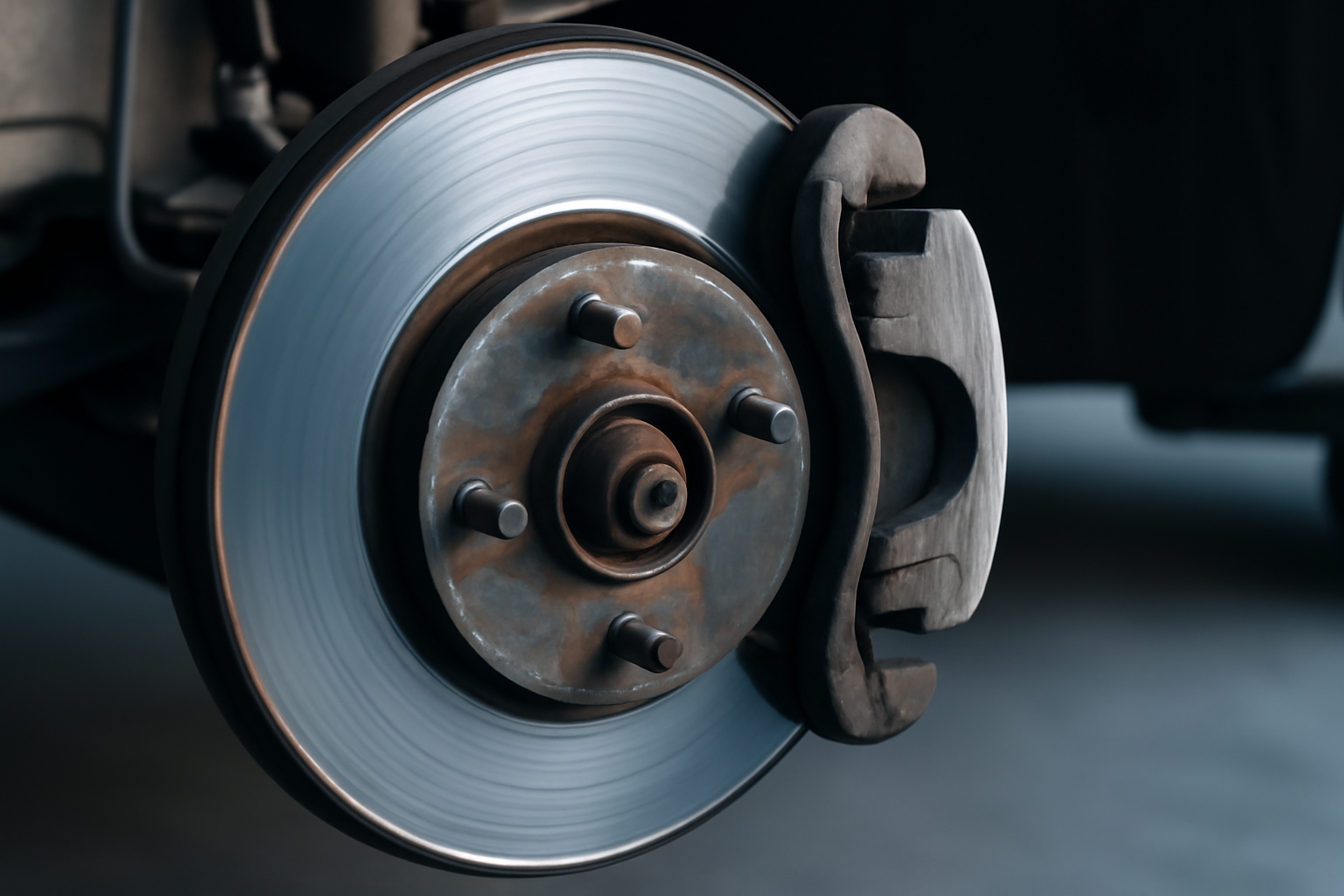
Brake squeal is one of the most common car complaints, and it ranges from completely harmless to a serious warning sign. The trick is knowing the difference between surface rust making noise after a rainy night and worn pads screaming for replacement. Here’s how to tell what your brakes are trying to tell you.
Normal Brake Noises
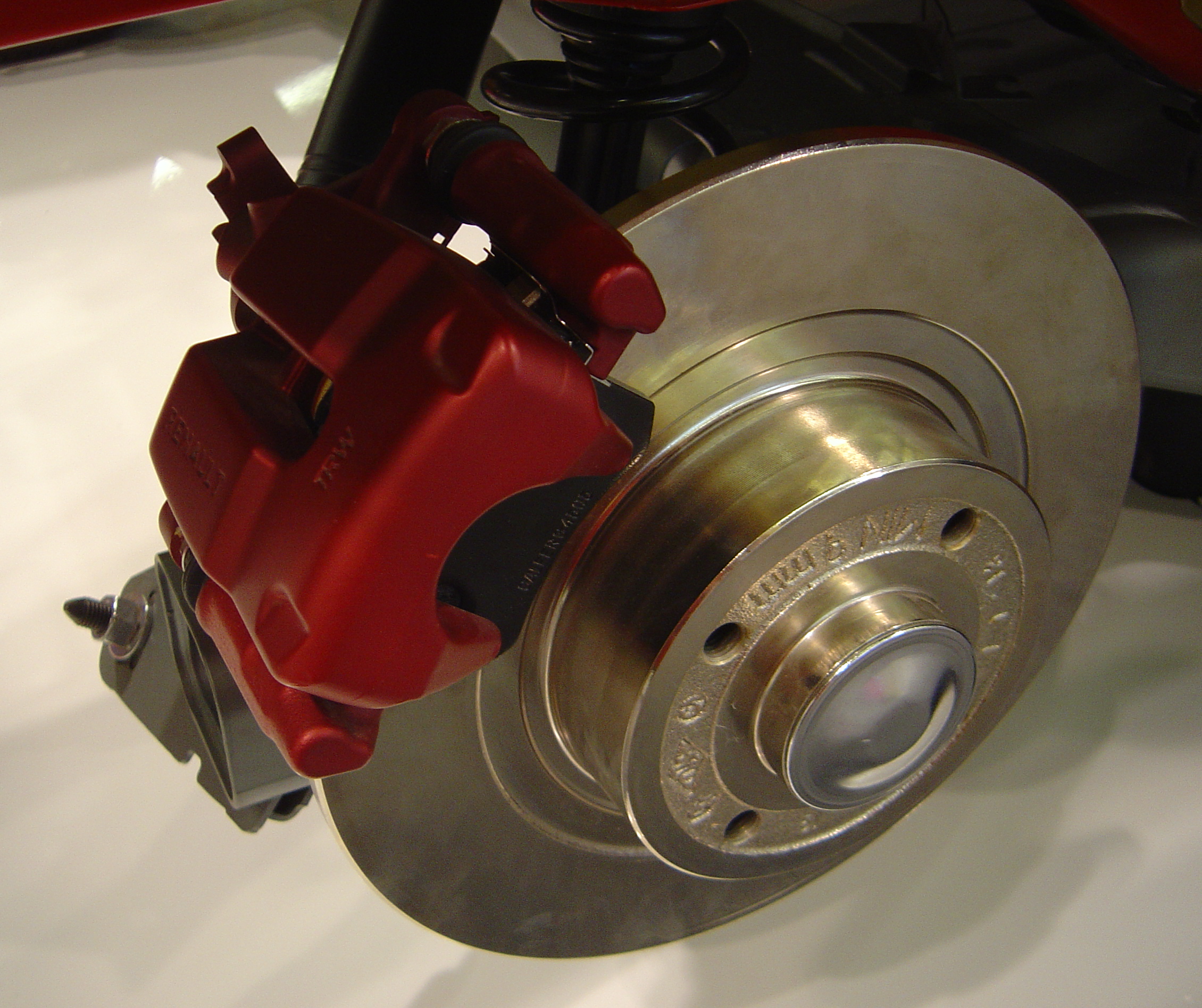
Morning Squeal
Light squeaking during the first few stops of the day is usually just surface rust on the rotors. Moisture overnight creates a thin rust layer that the pads scrape off within a few brake applications.
This is completely normal and disappears within the first mile of driving.
Cold Weather Noise
Brake pads stiffen in cold temperatures, especially semi-metallic pads. They may squeak or grind lightly until they warm up.
If the noise disappears after a few minutes of driving, it’s nothing to worry about. Just like other temperature-related car issues, this resolves itself once everything warms up properly.
Problematic Brake Noises
Wear Indicators
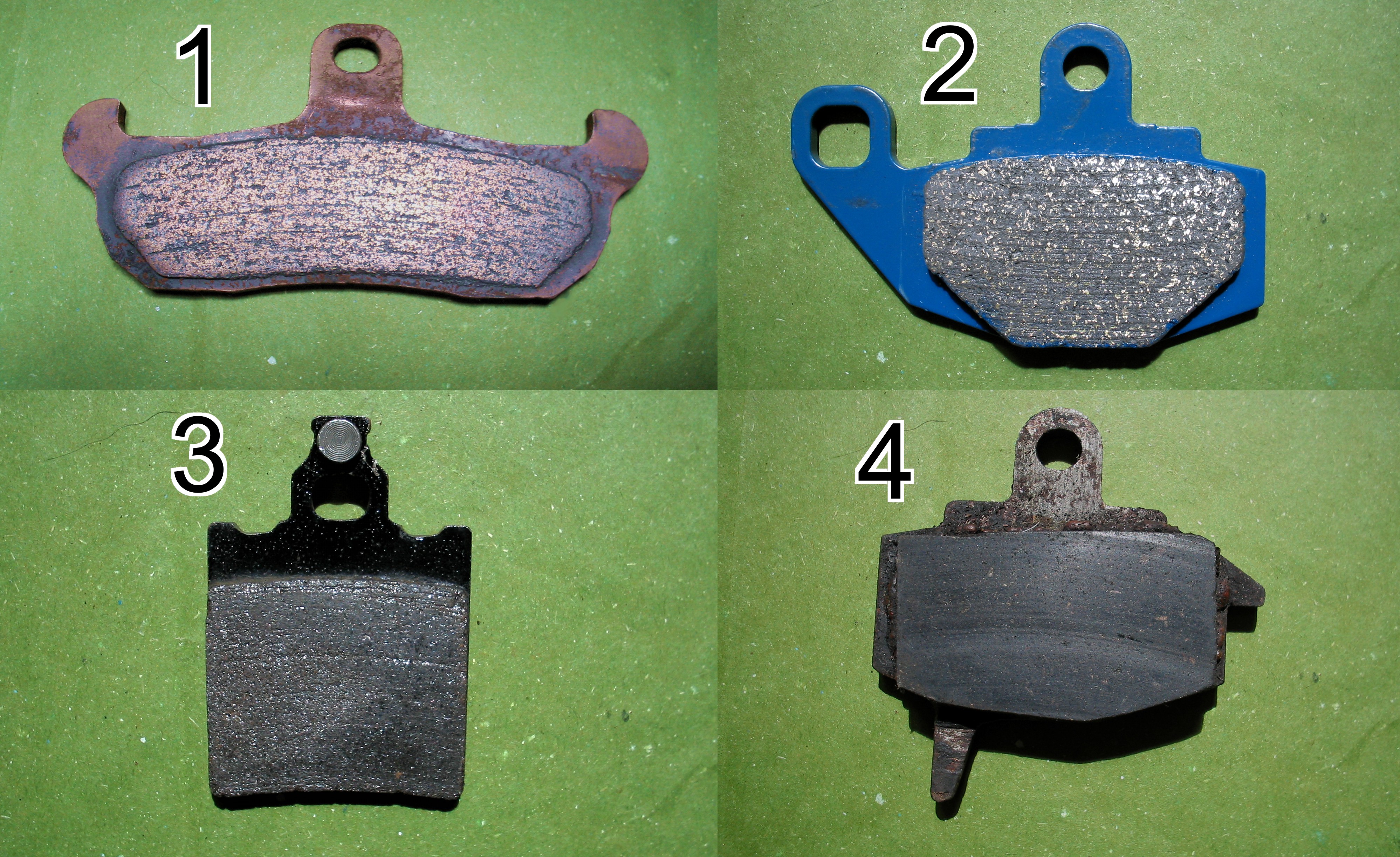
Most brake pads have a small metal tab that contacts the rotor when the pad wears down to about 2-3mm. This produces a persistent, high-pitched squeal that gets louder over time.
It only happens while driving and usually stops when you press the brake pedal. This is a deliberate warning that your pads need replacement soon.
Don’t ignore wear indicators for more than a week or two. Once the indicator starts scraping the rotor, continued driving damages the rotor surface and adds the cost of rotor replacement to what would have been a simple pad swap.
Glazed Brake Pads
Aggressive braking or riding the brakes on long downhill stretches generates extreme heat that can glaze the pad surface. Glazed pads develop a hard, shiny surface that vibrates against the rotor and produces a consistent squeal.
Light sanding with medium-grit sandpaper can remove the glaze, but heavily glazed pads should be replaced.
Low-Quality Brake Pads
Budget brake pads with high metal content are prone to squealing. Ceramic brake pads produce significantly less noise than semi-metallic pads and create less brake dust.
They cost a bit more but are worth it for drivers who value quiet braking.

Ceramic Brake Pads
Significantly quieter operation and less wheel dust compared to metallic pads
How to Reduce Brake Squeal
Apply brake pad anti-squeal compound (a thin adhesive gel) to the back of each pad during installation. This dampens the vibration that causes squeal.
Brake pad shims (thin metal or rubber layers) serve the same purpose and come included with quality pad sets.
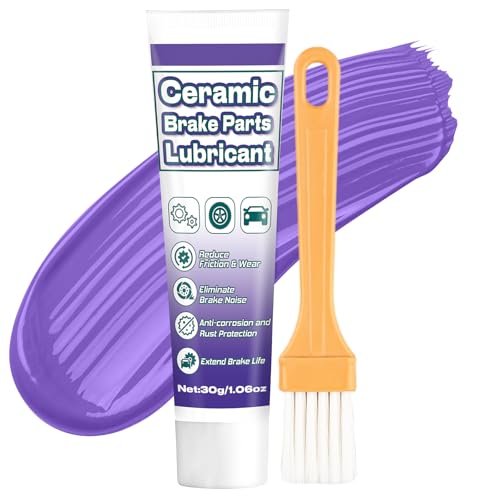
Brake Anti-Squeal Compound
Essential for reducing brake noise during pad installation
Make sure the caliper hardware (pins, clips, and springs) is properly lubricated with brake-specific grease. Dry or corroded hardware lets the pads vibrate freely instead of being held firmly against the caliper bracket.
Clean the rotor surface with brake cleaner before installing new pads. Oils from handling, anti-rust coatings on new rotors, and old pad material residue all contribute to noise if left on the surface.
When Brake Noise Means Danger
A grinding sound (metal on metal, not a squeak) means the pad material is completely gone. You’re grinding the metal backing plate directly into the rotor, which destroys both components and significantly increases stopping distances.
Stop driving and have the brakes inspected immediately. Regular maintenance checks, like those recommended for high-mileage vehicles, can catch these issues before they become dangerous.
Scraping or dragging sounds when you’re not pressing the brake pedal may indicate a stuck caliper or a broken pad retaining clip. These issues cause uneven wear and can overheat the brakes to the point of failure.
Frequently Asked Questions
Do ceramic pads really squeal less than metallic ones?
Yes, noticeably. Ceramic pads are designed with noise reduction as a primary feature. They also produce lighter-colored dust that doesn’t stain wheels as badly.
The tradeoff is slightly less bite in extreme cold, though most daily drivers won’t notice the difference.
Can I spray something on my brakes to stop the squeal?
Brake-specific anti-squeal sprays exist and can help temporarily. They coat the pad surface and dampen vibration.
Don’t use WD-40, silicone spray, or any lubricant on the braking surface itself, as this reduces stopping power and is extremely dangerous.
How long do brake pads last?
Typical brake pad life ranges from 25,000 to 70,000 miles depending on driving style, vehicle weight, and pad quality. City driving with frequent stops wears pads faster than highway cruising.
Check pad thickness during every tire rotation. Regular inspections are just as important as other preventive maintenance tasks, especially if you’re aiming for 200,000 miles of reliable service.
Should I replace brake pads on both wheels at the same time?
Always replace brake pads in axle sets (both front or both rear). Replacing just one side creates uneven braking force, which can cause the vehicle to pull to one side during braking and increases wear on other components.


Leave a Reply