
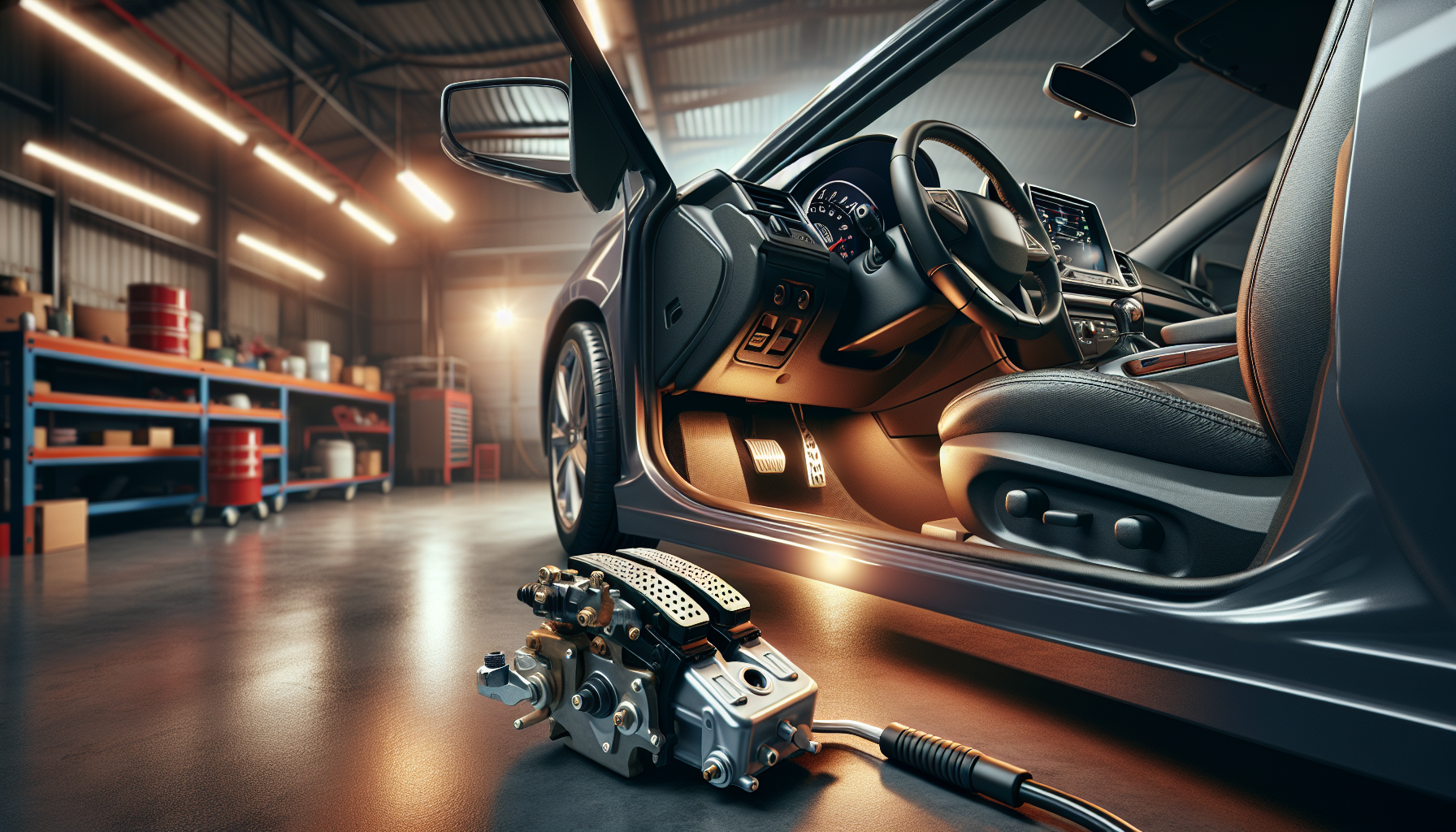
Waking up to a brake pedal that sinks straight to the floor is one of those gut-punch moments that makes you immediately question whether you can even drive to work. You parked the car just fine last night, brakes felt normal, and now this? It’s unsettling, and for good reason. Your brakes are literally the one system you can’t afford to ignore.
When this happens after your car sits overnight, you’re usually dealing with one of a few specific issues. Most involve either brake fluid escaping where it shouldn’t, or air getting into the hydraulic system. Sometimes it’s internal to the master cylinder, sometimes it’s external. Let me walk you through what’s actually happening and how to figure out which problem you’ve got.
Common Causes
The brake system relies on hydraulic pressure, which means brake fluid needs to stay pressurized in sealed lines. When your pedal drops to the floor, that pressure is going somewhere it shouldn’t.
Master Cylinder Failure
This is the most common culprit, especially in older vehicles. The master cylinder has internal seals that can wear out over time. When these seals fail, brake fluid bypasses them internally instead of building pressure. What makes this tricky is that you might not see any visible leaks because the fluid is just recirculating inside the cylinder itself. The overnight sitting allows the fluid to settle and sometimes makes the problem more obvious on that first morning press.
Brake Fluid Leak
A leak somewhere in the system will let fluid drain out while the car sits. Check under your car for puddles or wet spots. Brake fluid is clear to slightly amber and feels slippery. Common leak points include brake lines (especially on older cars with rust), wheel cylinders on drum brakes, or caliper seals on disc brakes. If you’ve got a leak, you’ll probably notice your fluid reservoir is low.
Air in the Brake Lines
Air is compressible, brake fluid isn’t. If air gets into your brake lines, the pedal will feel soft or sink. This often happens after brake work if the system wasn’t bled properly, but it can also occur from a leak that’s letting air in as fluid drains out. Overnight sitting can allow air bubbles to migrate and collect in certain spots, making the problem worse in the morning.
Faulty Brake Booster or Check Valve
Less common, but worth mentioning. The brake booster uses vacuum to assist your braking force. If the booster’s internal diaphragm fails or the check valve goes bad, you might get a pedal that feels different after sitting. This usually presents as a hard pedal rather than a sinking one, but in some cases with simultaneous master cylinder issues, it can contribute to a low pedal feel.
How to Diagnose the Problem
Start with the simple stuff before you go tearing things apart.
Check the Brake Fluid Level
Pop the hood and locate your brake fluid reservoir. It’s usually mounted on the driver’s side firewall, near the master cylinder. If the fluid is below the minimum line, you’ve got a leak somewhere or your brake pads are extremely worn. Low fluid by itself won’t cause a pedal-to-floor situation, but it’s a red flag that something else is wrong.
Look for Visible Leaks
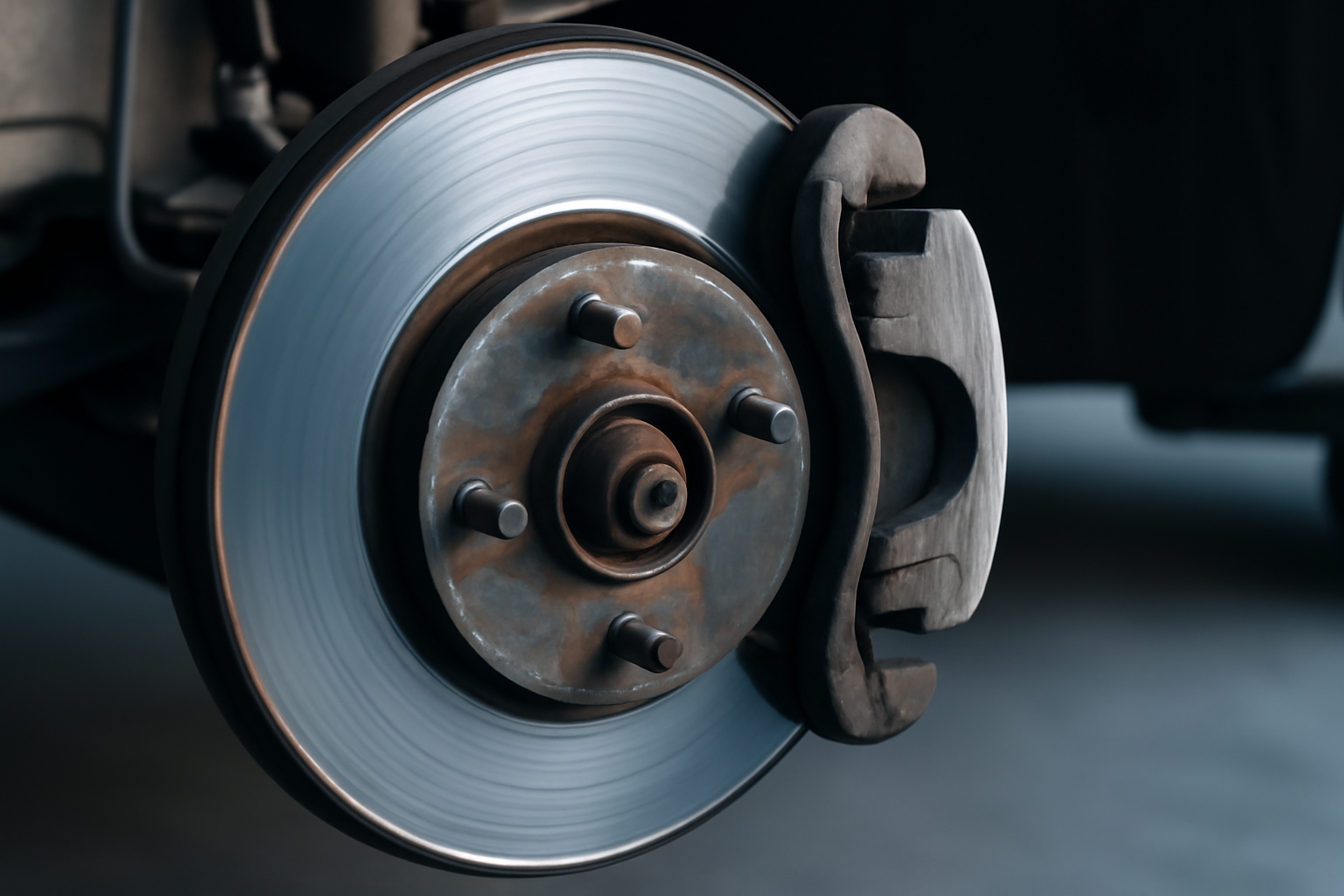
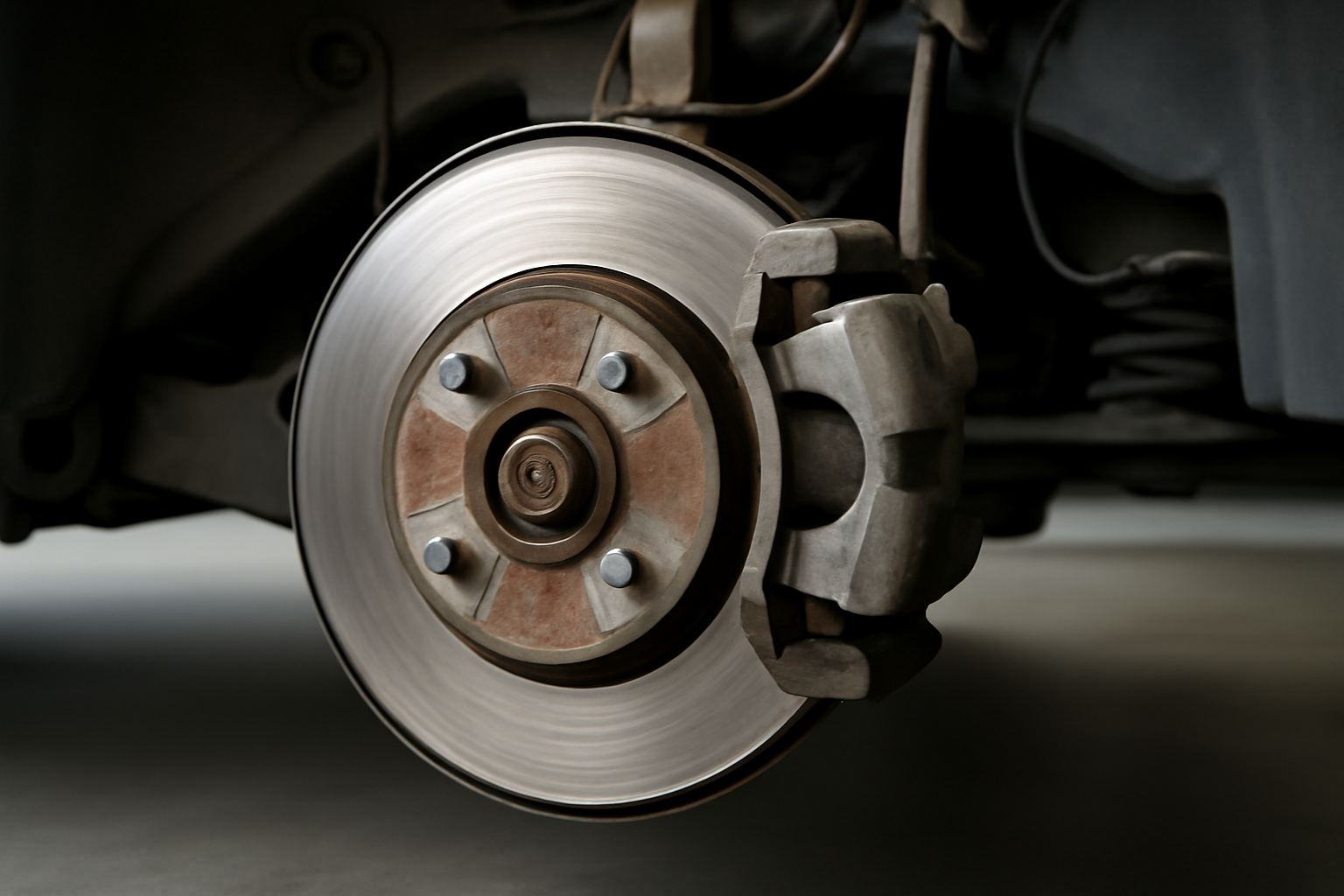
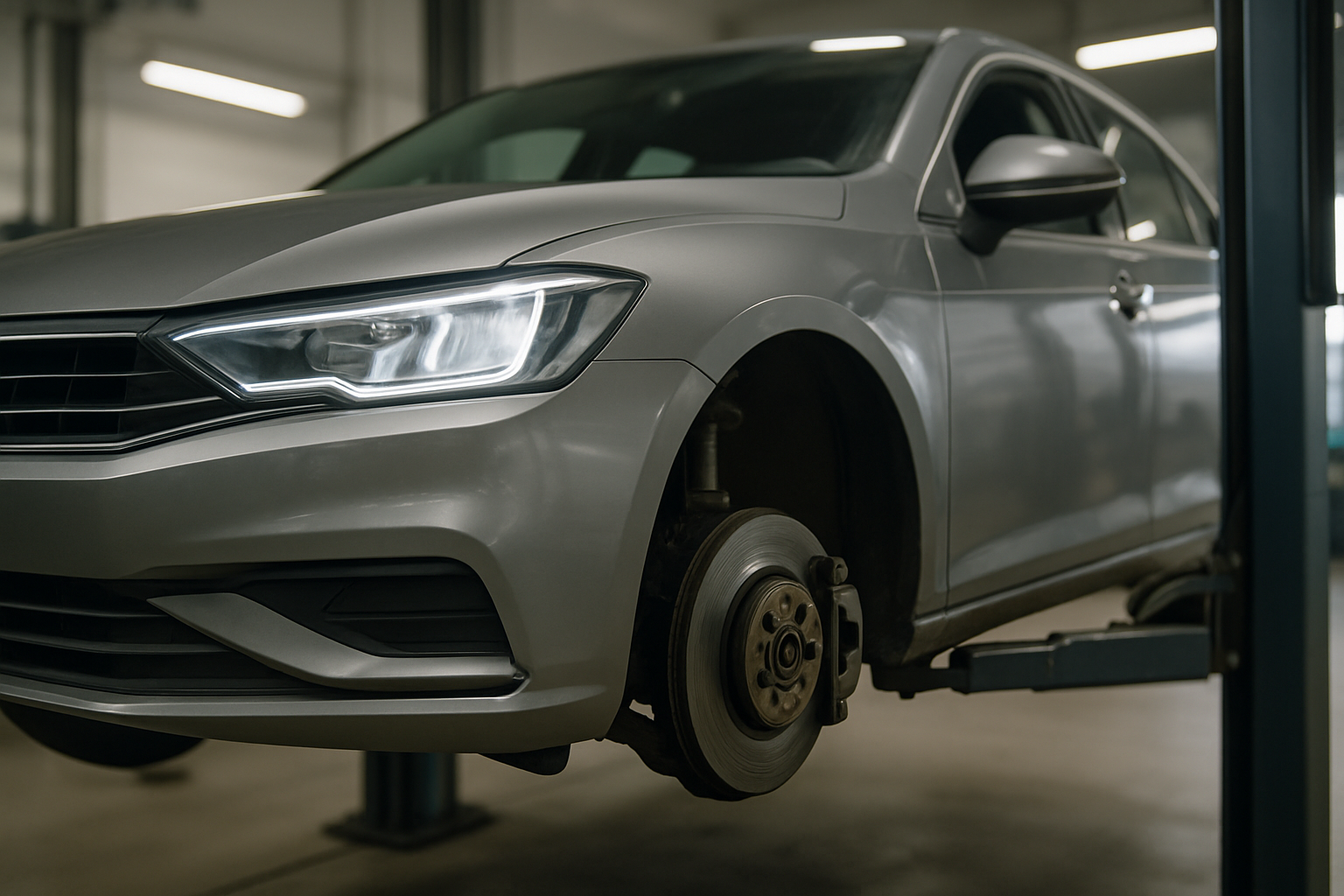
Get under the car with a flashlight. Trace the brake lines from the master cylinder to each wheel. Look for wet spots, drips, or crusty buildup around connections. Pull off each wheel and inspect the brake calipers and, if you have drum brakes in the rear, pull the drums to check the wheel cylinders. Brake fluid leaves a telltale shiny residue.
Test the Master Cylinder
With the engine off, pump the brake pedal several times to build up pressure, then hold steady pressure on the pedal. If it slowly sinks to the floor, your master cylinder is likely bypassing internally. You can also do this test with the engine running. A good master cylinder will hold pressure. If it creeps down, the internal seals are shot.
This video walks through diagnosing a sinking brake pedal:
Check for External Master Cylinder Leaks
Sometimes the master cylinder leaks externally at the rear seal where it mounts to the brake booster. This can be hard to see, but you might notice brake fluid on the booster or dripping inside the car near the pedal. If fluid is getting into the booster, you’ll need to replace both components.
Inspect the Brake Booster
With the engine off, press the brake pedal several times until it feels firm. Keep your foot on the pedal and start the engine. The pedal should drop slightly as vacuum assist kicks in. If it doesn’t, or if you hear a hissing sound, your booster or its check valve might be failing.
How to Fix It
Most of these fixes are within reach of a DIYer with basic tools and some patience. Brake work isn’t complicated, but it demands precision.
Replace the Master Cylinder
If your diagnosis points to the master cylinder, replacement is your answer. Bench bleeding the new master cylinder before installation is critical. This means using the bleeding kit that comes with most new cylinders to push fluid through before you mount it on the car. Once installed, you’ll need to bleed the entire brake system to remove any air.
The job involves disconnecting brake lines (which will leak fluid everywhere, so have rags ready), unbolting the old cylinder, installing the new one, reconnecting lines, and bleeding. Takes a couple hours if you’re methodical. Make sure to get the right master cylinder for your specific vehicle as they vary by year and brake configuration.
Fix Brake Line Leaks
If you found a leaking brake line, you can’t just patch it. Replace the entire line section. Brake lines are available pre-bent for many vehicles, or you can buy bulk line and a flaring tool to make your own. Steel lines rust out, especially in salt states. If one line is bad, inspect the others closely because they probably aren’t far behind.
After replacing any brake line, you’ll need to bleed that section of the system at minimum, though bleeding all four corners is safer.
Replace Wheel Cylinders or Calipers
If a wheel cylinder or caliper is leaking, replace it. Rebuild kits exist, but for the small cost difference, replacement is usually the better call. These are straightforward bolt-on jobs. Remove the wheel, unbolt the old component, install the new one, reconnect the brake line, and bleed that wheel.
Bleed the Brake System
If air is your problem, bleeding will fix it. You’ll need a helper or a one-person brake bleeder kit. Start at the wheel furthest from the master cylinder (usually right rear) and work your way closer. Attach a clear tube to the bleeder screw, submerge the other end in a container of clean brake fluid, open the bleeder, pump the pedal, close the bleeder before the pedal comes up. Repeat until you see no air bubbles. Move to the next wheel.
Keep the master cylinder reservoir topped off during this process or you’ll introduce more air. Use fresh brake fluid from a sealed container. Old fluid absorbs moisture and compromises braking performance.
This video covers common brake problems including bleeding procedures:
When to See a Mechanic
If you’re not comfortable working on brakes, don’t force it. This isn’t the system to learn on while crossing your fingers. A mistake here can kill you or someone else.
See a professional if you’ve diagnosed the problem but don’t have the tools or experience to do the repair. Brake work requires cleanliness, the right torque specs, and proper bleeding technique. If you’ve replaced components and still have a sinking pedal, there might be multiple issues at play or something you missed.
Also, if your brake pedal goes to the floor and you need to drive the car immediately, don’t. Call a tow truck. Pumping the pedal might give you temporary pressure, but that’s not safe transportation. I’ve seen too many people try to limp a car with bad brakes to a shop and end up rear-ending someone or worse.
Estimated Repair Costs
Costs vary based on your vehicle and location, but here’s a general range for professional repairs:
| Repair | Parts Cost | Labor Cost | Total |
|---|---|---|---|
| Master Cylinder Replacement | Parts vary | $100-$200 | $200-$400 |
| Brake Line Replacement (single line) | Parts vary | $150-$300 | $200-$450 |
| Caliper Replacement (one wheel) | Parts vary | $80-$150 | $150-$300 |
| Wheel Cylinder Replacement | Parts vary | $100-$180 | $150-$280 |
| Brake System Bleeding (labor only) | $0 | $80-$120 | $80-$120 |
DIY work obviously cuts the labor costs entirely. Master cylinder replacement might take you three hours the first time, but you’ll save a couple hundred dollars. Parts pricing varies widely, so check current pricing before starting.
Prevention Tips
You can’t prevent every brake problem, but regular maintenance catches most issues before they become dangerous.
Flush your brake fluid every two to three years. Old fluid absorbs moisture, which corrodes internal components and lowers the boiling point. Fresh fluid keeps the system clean and functional. This is cheap insurance.
Inspect your brakes during tire rotations. Most people rotate tires every 5,000 to 7,000 miles. While the wheels are off, take 30 seconds to look at the brake components. Check pad thickness, look for fluid leaks, inspect lines for rust or damage. Catching a small leak early prevents a catastrophic failure later.
Don’t ignore soft or spongy pedal feel. That’s your early warning. A firm pedal that suddenly feels mushy means air or a developing leak. Address it before it becomes a pedal-to-floor situation overnight.
If you live in the rust belt, consider coating your brake lines with a rust inhibitor or upgrading to stainless steel lines. Salt destroys steel brake lines, and once they start pitting, it’s only a matter of time before they spring a leak.
Pay attention to how your brakes feel every time you drive. You’ll notice changes before they become critical. A slightly lower pedal one day might feel normal if you’re not paying attention, but if you’re conscious of it, you can investigate before it becomes an emergency.
A brake pedal that goes to the floor isn’t something you can ignore or hope goes away on its own. The hydraulic system is compromised, and driving the vehicle is dangerous. Most of the time, you’re looking at a failed master cylinder or a leak somewhere in the system. Both are fixable with the right diagnosis and parts. If you’re comfortable with basic mechanical work, these repairs are within your capability. If not, the cost of a professional repair is money well spent for peace of mind and safety.
Leave a Reply