

Buying a used SUV under competitively priced doesn’t have to mean gambling on a transmission grenade or a check engine light that never turns off. The trick is knowing which models and model years actually earned their reputation for being cheap to own, and which ones just look like a deal until the repair bills start rolling in.
We combed through reliability data, forum complaints, and shop repair records to build this list. Every SUV here has a known engine and drivetrain combo that holds up, parts that don’t require a loan to replace, and a price point that’s realistic for the used market right now.
9 Used SUVs Under competitively pricedK That Won’t Drain Your Wallet
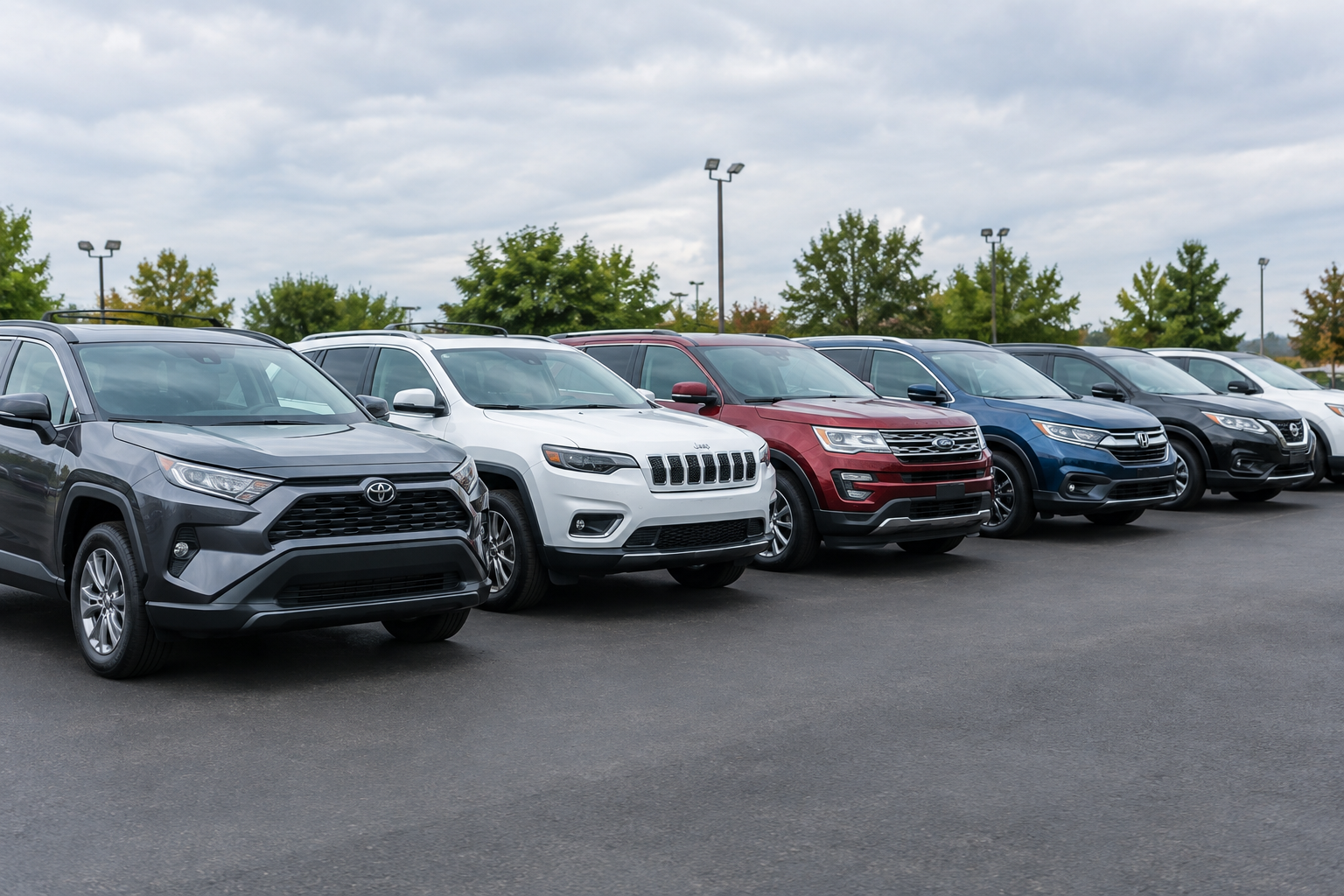
1. Toyota RAV4 (2013-2015)
Stick with the 2.5L four-cylinder and 6-speed automatic. Avoid nothing here really, this generation is nearly bulletproof. Check for oil consumption on higher mileage units and inspect the rear differential fluid on AWD models since it’s often neglected.
- Annual maintenance and repair cost: roughly 400 to 600 dollars
- Common parts: brake pads around 40 to 60 dollars, alternator around 150 dollars
If you land a RAV4, it’s worth learning the electronics too. Our guide on resetting the TPMS system on the RAV4 comes in handy after a tire rotation or new set of tires.
2. Honda CR-V (2012-2015)
The 2.4L K24 engine paired with the 5-speed automatic (avoid the CVT in 2015+ models) is one of the most durable combos Honda ever built. Check for AC compressor noise and inspect the timing chain tensioner on higher mileage units, though failures are rare before 150,000 miles.
- Annual maintenance and repair cost: roughly 400 to 550 dollars
- Common parts: spark plugs around 30 dollars for a set, water pump around 80 to 120 dollars
3. Toyota Highlander (2008-2012, V6)
Go with the 3.5L V6 and 5-speed automatic. Skip the 2011-2012 models with the electric power steering if you find any complaints of steering assist loss, though it’s uncommon. Watch for oil leaks around the timing cover and check the transmission fluid color.
- Annual maintenance and repair cost: roughly 500 to 700 dollars
- Common parts: struts around 100 to 150 dollars each, serpentine belt around 25 dollars
4. Subaru Forester (2014-2016, naturally aspirated)
Only buy the 2.5L non-turbo version. Turbo models and anything from the head gasket era carry real risk. Check coolant levels and look for white residue near the head gasket area before you sign anything, and read up on which Subaru model years to avoid due to head gasket issues since the same engines were shared across the lineup.
- Annual maintenance and repair cost: roughly 500 to 700 dollars
- Common parts: head gasket repair if needed can run 1,500 dollars or more, so this is one to inspect carefully
5. Mazda CX-5 (2013-2015)
The 2.0L or 2.5L SkyActiv engine with the 6-speed automatic is simple and cheap to maintain. Inspect the door speakers and infotainment screen for early failures, a known minor annoyance, and check for oil pan gasket seepage.
- Annual maintenance and repair cost: roughly 400 to 550 dollars
- Common parts: brake rotors around 50 to 80 dollars each, cabin air filter around 15 dollars
6. Toyota 4Runner (2010-2013)
The 4.0L V6 with the 5-speed automatic is about as tough as it gets. Check for rust on the frame in salt belt states and inspect the rear differential and transfer case fluid for signs of neglect.
- Annual maintenance and repair cost: roughly 500 to 750 dollars
- Common parts: shocks around 60 to 100 dollars each, ball joints around 40 dollars each
7. Honda Pilot (2009-2012)
Get the 3.5L V6 with the 5-speed automatic. Skip anything with a history of transmission fluid changes skipped past 60,000 miles. Check the timing belt service history since it’s due around 100,000 miles and isn’t cheap.
- Annual maintenance and repair cost: roughly 500 to 700 dollars
- Common parts: timing belt kit around 200 to 300 dollars installed, VTM-4 fluid service around 50 dollars
8. Ford Escape (2013-2016, 2.5L only)
Stick to the 2.5L naturally aspirated four-cylinder. Avoid the 1.6L and 2.0L EcoBoost turbos in this generation, they’ve had coolant intrusion and head gasket problems that get expensive fast. Check for transmission shudder on test drive.
- Annual maintenance and repair cost: roughly 450 to 600 dollars
- Common parts: coil packs around 30 dollars each, wheel bearings around 80 to 120 dollars
9. Kia Sportage (2014-2016, naturally aspirated)
Buy the 2.4L GDI engine without the turbo. Check for engine knock and confirm the recall related to engine bearing wear has been addressed, since Kia extended warranty coverage for exactly this issue. Once you’re driving one, our post on turning off lane assist on the Kia Sportage is a handy bookmark.
- Annual maintenance and repair cost: roughly 450 to 600 dollars
- Common parts: oxygen sensor around 60 to 90 dollars, brake pads around 35 to 50 dollars
If fuel economy matters as much as reliability, it’s worth cross-referencing your shortlist against our SUV MPG comparison guide before you commit to a specific model.
Pre-Purchase Inspection Checklist
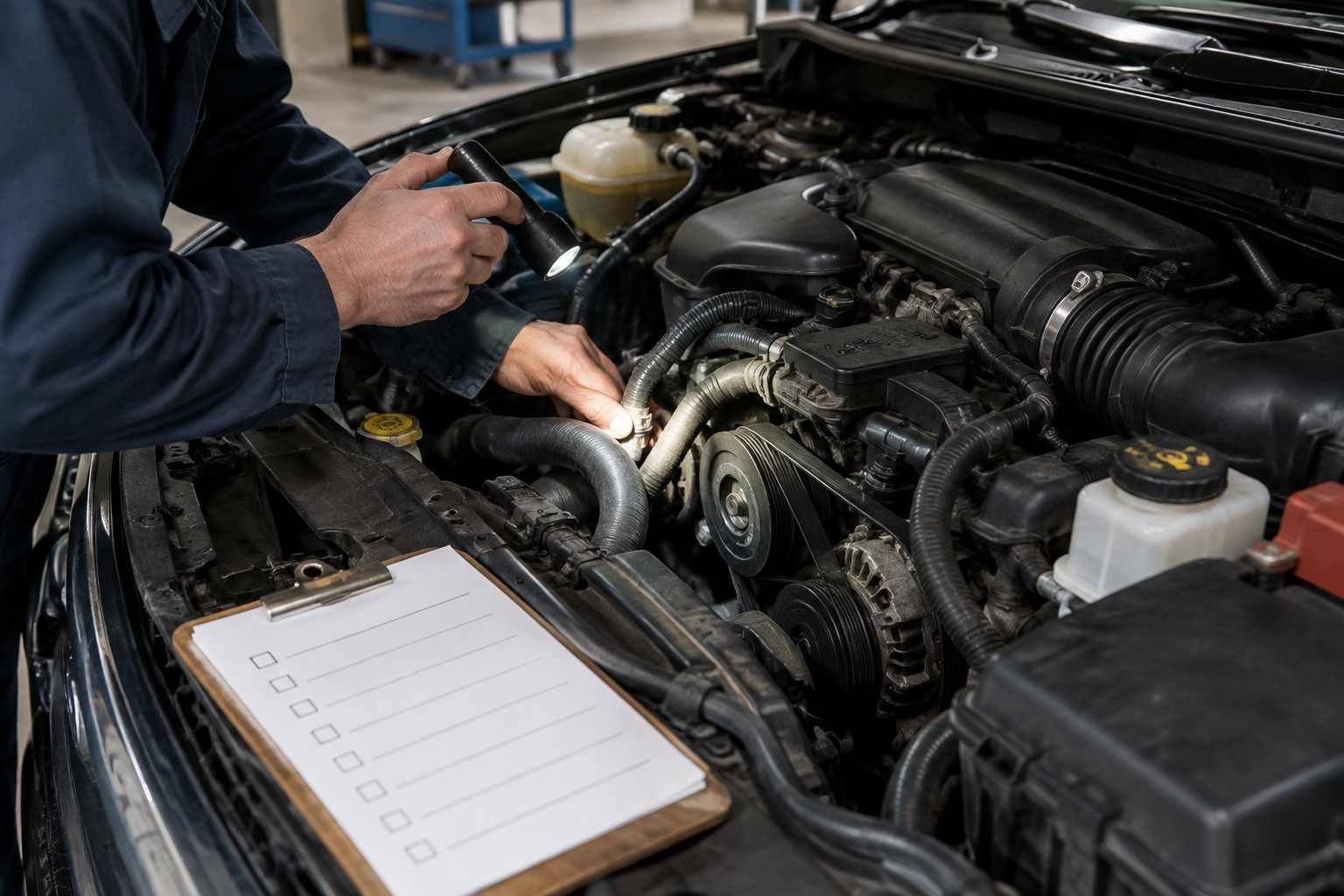
- Cold start the engine and listen for knocking or excessive valve tap
- Check all fluids for color, level, and smell (burnt transmission fluid is a red flag)
- Scan for stored and pending trouble codes with an OBD2 scanner, even if no warning light is on
- Inspect tires for uneven wear that could point to alignment or suspension issues
- Look under the vehicle for rust, fluid leaks, and frame damage
- Test all electronics: AC, infotainment screen, power windows, seat heaters
- Take it on a highway test drive and check for pulling, vibration, or delayed shifting
- Request maintenance records, especially timing belt and transmission service history
Tools to Bring When You Inspect a Used SUV
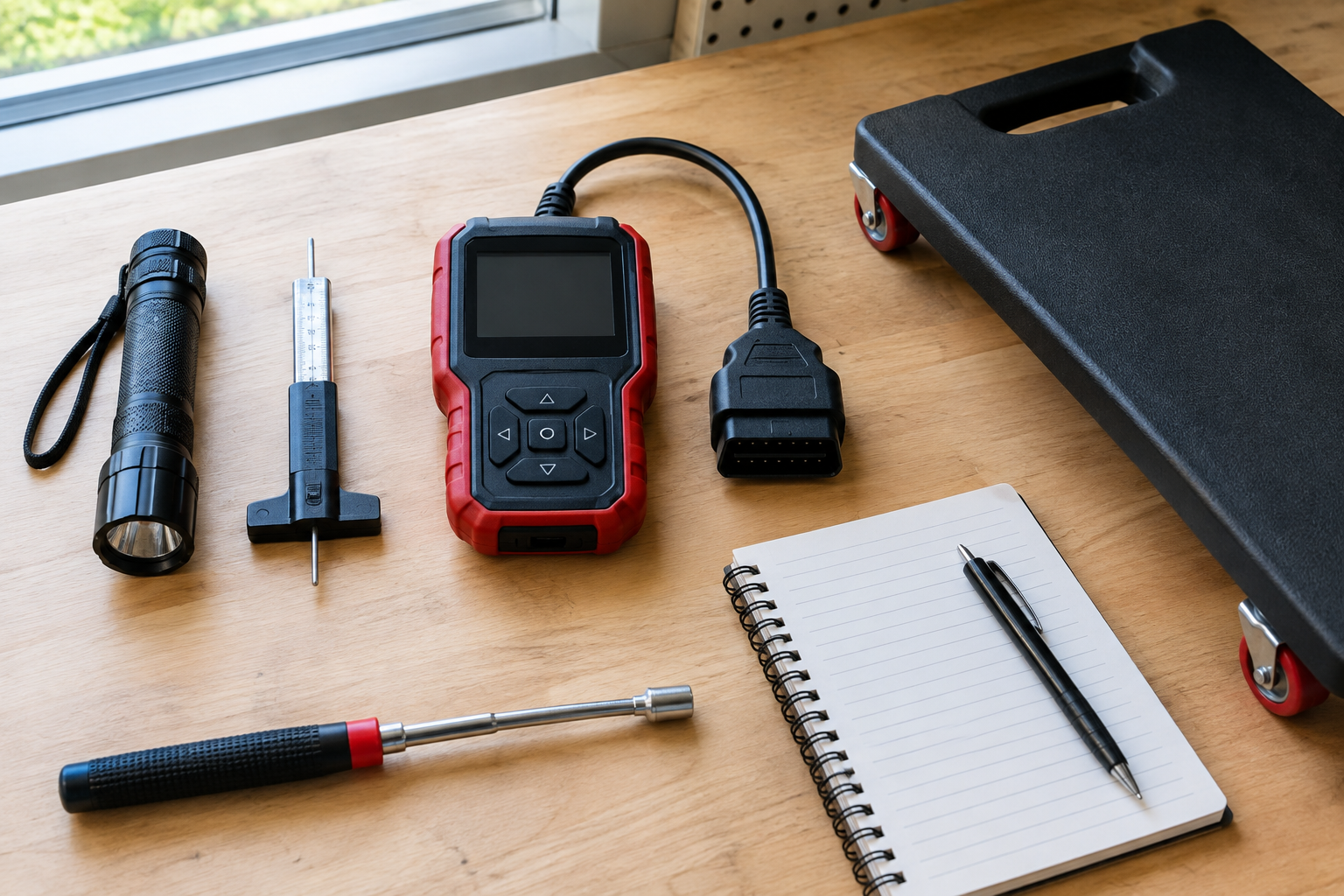
An OBD2 scanner is the single most useful tool you can bring to a used car showing. It’ll pull codes the seller may not have cleared and can reveal issues hiding behind a clean dashboard.
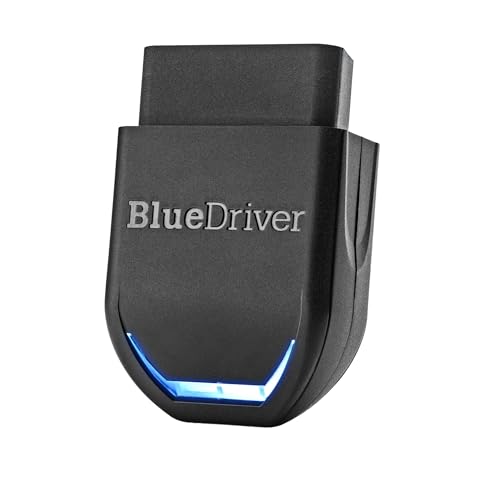
BlueDriver Bluetooth Pro OBD2 Scanner
Gives you dealer-level diagnostics through your phone, including manufacturer-specific codes most cheap scanners miss.
A basic tire tread depth gauge takes the guesswork out of judging how much life is left on the tires, which matters since a full set can run several hundred dollars. Pair that with a bright LED work light for checking under the car and in the engine bay, especially if you’re inspecting late in the day or in a dim garage.
A mechanic’s stethoscope is another cheap addition that helps you pinpoint exactly where an odd noise is coming from, whether it’s a bearing, belt, or something in the accessory drive.
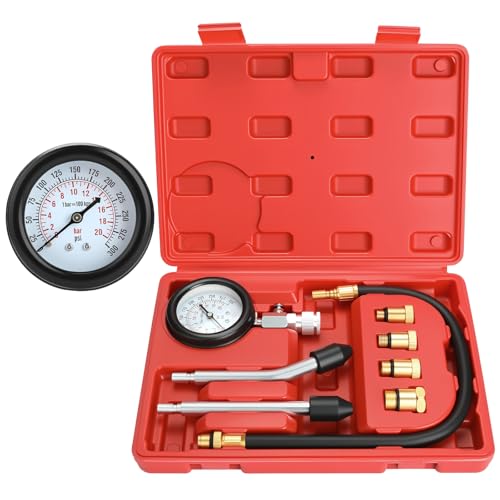
Compression Tester Kit
A quick compression check on higher mileage engines can save you from buying a vehicle that’s already on borrowed time.
FAQ
Should I buy a used SUV with a turbocharged engine under competitively priced?
Generally, no. Most turbo SUVs in this price range are old enough that timing chain wear, carbon buildup, and turbo seal failures start showing up. Naturally aspirated engines from this same era are almost always cheaper to keep running long term.
Is it worth paying for a pre-purchase inspection from a mechanic?
Yes, especially on anything over 80,000 miles. A shop inspection typically costs less than a single major repair and can catch things like a failing head gasket or worn CV joints that aren’t obvious on a test drive.
Leave a Reply