
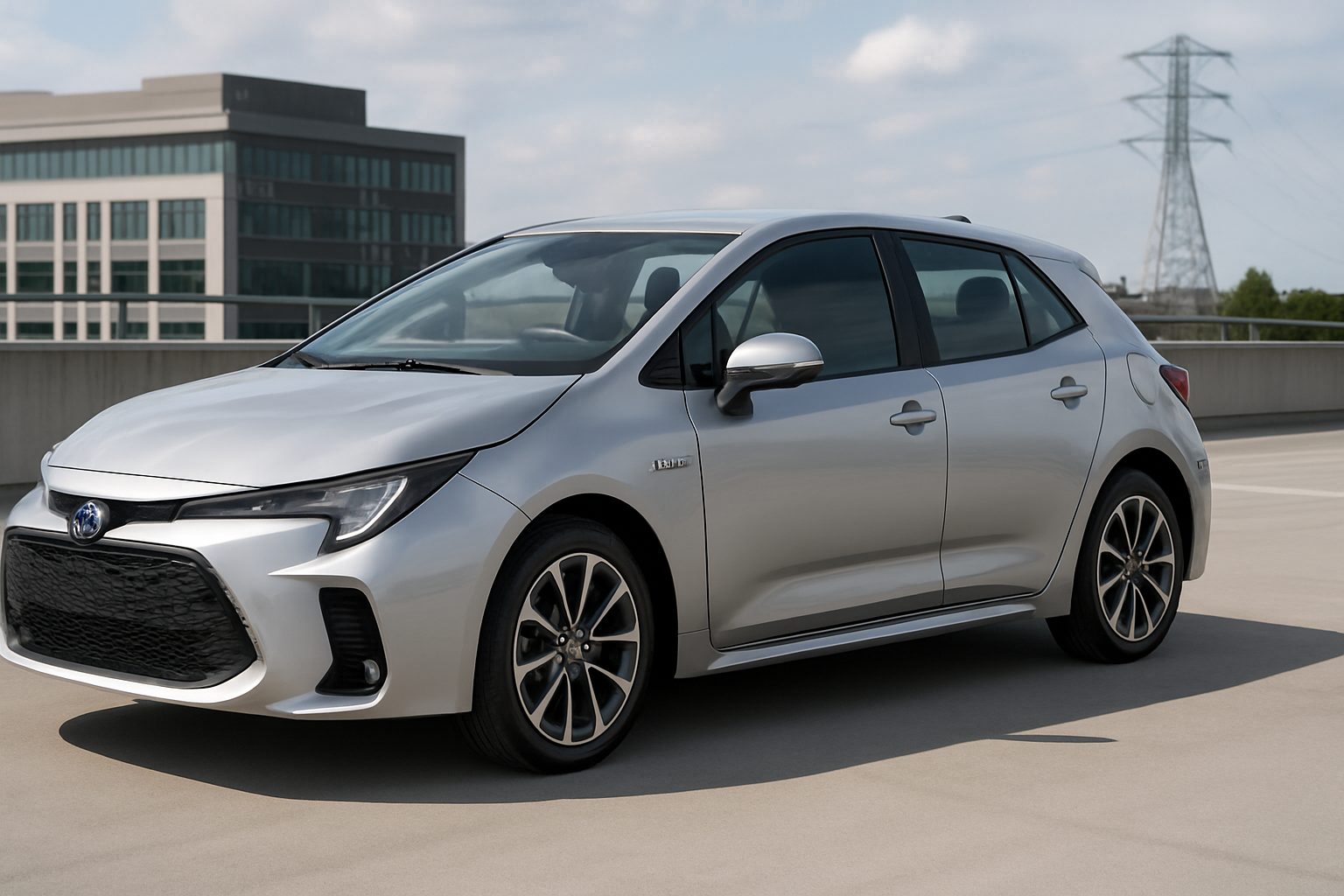
Shopping for a used hybrid in 2026 means you’ve got access to models that have been on the road long enough to show their true colors. The early battery anxiety from the 2000s is mostly behind us, and plenty of hybrids from the last decade have proven they can rack up serious miles without turning into money pits. But not all hybrids age gracefully, and knowing which ones hold up matters just as much as the sticker price.
I’ve seen hybrids come through the shop with 200,000 miles still running like champs, and I’ve also seen ones with 80,000 miles needing expensive battery replacements. The difference usually comes down to the model and how well it was maintained. Let’s dig into which used hybrids actually deserve your money in 2026.
What Makes a Used Hybrid Worth Buying
Before we get into specific models, you need to understand what separates a good used hybrid from a potential headache. Battery health is obvious, but it’s not the only thing that matters.
Look for hybrids with proven battery longevity. Toyota and Honda have the best track record here, with nickel-metal hydride batteries that routinely last 150,000 miles or more. Lithium-ion batteries in newer hybrids can be trickier. They’re more energy-dense but also more sensitive to heat and charging cycles.
Parts availability is another factor people overlook. A 2015 Toyota Prius will have abundant aftermarket support and reasonable repair costs. A 2018 Kia Niro? Still good, but your local independent mechanic might not have as much experience with it. Factor that in if you’re trying to avoid dealership pricing.
Fuel economy retention matters too. Some hybrids lose mpg as they age, especially if the battery degrades or the cooling system gets gummed up. A well-maintained hybrid should still deliver 80-90% of its original EPA rating even with high miles.
This video covers important checks before buying any used hybrid:
Top Used Hybrid Sedans for 2026
The sedan market is where hybrids really shine. These are the workhorses that commuters have been beating on for years, and the winners have separated themselves from the pack.
Toyota Prius (2016-2022)
The fourth-generation Prius is probably the safest used hybrid bet you can make. Yeah, it looks like an angry catfish, but these things just refuse to die. I’ve personally seen 2016 models with over 250,000 miles on the original battery still getting 48-50 mpg combined.
The 2016-2018 models are hitting that sweet spot where prices have dropped but the cars aren’t old enough to need major work yet. Expect to pay somewhere in the mid-teens for a clean example with under 100,000 miles. Watch out for ones that spent their lives as Uber or Lyft vehicles because those miles are harder than normal commuting.
Common issues are minor. The EGR system can get clogged around 150,000 miles, which costs a few hundred bucks to clean. Some older ones had head gasket problems, but Toyota extended the warranty on those. Otherwise, these are bulletproof.
Honda Accord Hybrid (2017-2021)
If you want a hybrid that doesn’t scream “I’m a hybrid,” the Accord is your answer. It looks like a regular Accord, drives like one too, but delivers nearly 50 mpg. The two-motor system Honda uses is smooth and surprisingly peppy.
2018 and newer models got a complete redesign with better tech and improved efficiency. These are holding their value pretty well, so you’ll pay more than a comparable Prius, but you get a legitimately nice car that doesn’t feel like a compromise.
Battery issues are rare on these. Honda’s system runs the battery pack at moderate temperatures, which extends its life. The main thing to check is whether the infotainment system has been updated because early versions were painfully slow.
Hyundai Ioniq Hybrid (2017-2022)
This one flew under the radar, which is exactly why it’s a good value now. The Ioniq matches or beats the Prius on fuel economy but costs less used because the Hyundai badge doesn’t carry the same hybrid credibility yet.
The car itself is solid. Hyundai’s dual-clutch transmission in the hybrid is smooth most of the time, though some owners report occasional jerkiness at low speeds. Not a deal-breaker, but test drive it thoroughly. Battery warranty coverage is excellent at 10 years/100,000 miles for the original owner, though this doesn’t always transfer fully to second owners depending on the state.
Find a 2019 or 2020 model with the Blue or SEL trim. You’ll get good features without paying for the Limited’s leather and sunroof that add cost but not much practical value.
Top Used Hybrid SUVs and Crossovers for 2026
Hybrid SUVs used to be rare, expensive, or both. Now there are actually decent options in the used market that won’t drain your bank account.
Toyota RAV4 Hybrid (2016-2022)
This is the king of used hybrid SUVs. The RAV4 Hybrid combines Toyota’s proven hybrid system with their best-selling crossover, and the result is a vehicle that holds value like crazy but still makes sense as a used buy.
You’re looking at high-30s to low-40s mpg combined, which demolishes the regular RAV4’s fuel economy. The hybrid also adds power, so it’s quicker than the gas version. All-wheel drive is standard, making this a smart choice if you deal with winter weather.
2019 and newer models have better infotainment and safety tech, but the earlier ones are mechanically identical and significantly cheaper. A 2016-2018 RAV4 Hybrid with 60,000-80,000 miles is probably your best value play right now.
Watch for models that spent time off-road. The hybrid system doesn’t love being bounced around on rough trails, and the battery pack sits low enough that serious off-roading can damage it. Most RAV4 Hybrids never see dirt though, so this isn’t a widespread issue.
Honda CR-V Hybrid (2020-2022)
Honda didn’t offer a CR-V Hybrid in the U.S. until 2020, so the used market is still relatively fresh. These are excellent vehicles if you can find one at a fair price, but they’re holding value aggressively because there just aren’t that many out there yet.
The CR-V uses the same hybrid setup as the Accord, which means proven reliability. You get about 40 mpg combined and more cargo space than the RAV4. The ride is softer too, which some people prefer for daily driving.
Because these are newer, you’re still paying near-new prices in many cases. If you can wait another year or two, the value proposition will improve significantly as more come off lease.
Ford Escape Hybrid (2020-2022)
Ford’s latest Escape Hybrid is genuinely good, which is a change from their earlier hybrid attempts. The 2020 redesign brought a much better powertrain that actually competes with the Japanese brands.
You’ll get around 40 mpg combined and a comfortable ride. Ford’s hybrid system is smooth in normal driving, though it can feel a bit coarse when you push it hard. Not a huge issue for most people.
The catch is that Ford’s hybrid reliability record doesn’t match Toyota or Honda yet. We’re still in the early days for these, and I’ve seen a few electrical gremlins and transmission software issues. Not catastrophic problems, but enough to make me suggest buying one with some factory warranty remaining if possible.
Models to Avoid
Not every hybrid is worth your time, even at a tempting price. Some have known issues that make them poor long-term bets.
Skip the 2010-2015 Prius if you can. Third-gen Prius models burn oil like crazy due to faulty piston rings. Toyota issued a warranty extension, but it’s expired now. You can still fix it, but it involves pulling the engine and isn’t cheap.
Early Hyundai Sonata Hybrids (2011-2015) had problematic hybrid systems with higher-than-average failure rates. The newer ones are better, but those early models are still floating around used lots at cheap prices for a reason.
Avoid luxury hybrids unless you can afford luxury repair bills. A used Lexus hybrid will be reliable, but when something does break, parts cost two to three times what Toyota parts cost even though they’re often similar components. Same goes for BMW, Mercedes, and Audi hybrids.
What to Check Before You Buy
Buying a used hybrid requires extra diligence beyond a normal used car inspection. The hybrid system is complex, and problems can be expensive.
Get the battery checked properly. Not just a visual inspection, but an actual diagnostic scan that shows individual cell voltages and capacity. Most dealerships and hybrid-savvy shops can do this. You want to see cells within a few volts of each other. Big variations mean the battery is on its way out.
Test drive it long enough to see the engine cycle on and off multiple times. Listen for unusual noises when the gas engine kicks in. It should be smooth and quiet. Harsh transitions or grinding sounds indicate transmission or hybrid system problems.
Check for warning lights. This seems obvious, but some sellers will clear codes right before you show up. Take it to AutoZone or wherever and have them scan for pending codes, not just active ones. Pending codes show problems that haven’t triggered the check engine light yet but are lurking.
Review the maintenance records carefully. Hybrids need regular coolant changes for the hybrid system in addition to the normal engine cooling system. If this was skipped, the battery could have overheated repeatedly, shortening its life. Also check that the brake fluid was changed on schedule because the regenerative braking system is hard on it.
👉 Check price on Amazon for OBD2 scanners with hybrid capability
Pricing and Value Guide
Used hybrid pricing is all over the place right now. Supply chain issues made new cars scarce, which pushed used prices up. That’s starting to normalize in 2026, but desirable models like the RAV4 Hybrid are still expensive.
For a 2016-2018 Prius with 60,000-80,000 miles, expect to pay $14,000-$18,000 depending on trim and condition. That’s about $2,000-$3,000 more than a comparable gas-only Corolla, which you’ll make back in fuel savings in about three years of typical driving.
A 2017-2019 RAV4 Hybrid in similar condition will run $22,000-$28,000. The premium over a gas RAV4 is bigger here, around $4,000-$5,000, but so are the fuel savings since SUVs gulp more gas.
Accord and Ioniq Hybrids sit somewhere in between. You’re looking at $16,000-$22,000 for good examples from 2017-2019.
One thing to remember is that hybrids typically hold value better than gas cars, so when you go to sell or trade it in later, you’ll recoup more of your investment. Factor that into your math.
Battery Replacement Reality
Everyone worries about battery replacement costs, but the reality is less scary than the horror stories suggest.
Most hybrid batteries last 150,000-200,000 miles or more with proper care. That’s longer than many people keep a car. If you do need a replacement, refurbished batteries are available for popular models like the Prius and Camry Hybrid. These typically cost $1,500-$2,500 installed at an independent shop.
New batteries from the dealer are expensive, often $3,000-$4,000 or more, but you rarely need to go that route unless you want the full warranty coverage. Refurbished batteries usually come with a 1-3 year warranty and work fine for most people.
For newer hybrids like the 2020+ models, batteries are lasting even longer thanks to better thermal management and improved chemistry. We won’t really know the full lifespan for another few years, but early data is encouraging.
Insurance and Registration Costs
Hybrids often cost slightly more to insure than comparable gas cars because replacement parts can be pricier and repair shops charge more for hybrid-specific work. We’re usually talking about $50-$150 more per year, not thousands.
Some states offer registration discounts or HOV lane access for hybrids, which can add value depending on where you live. California, for example, allows certain hybrids in carpool lanes even with a single occupant. That’s worth real money if you commute in heavy traffic.
Check your local incentives before buying. Some utilities offer rebates or special electricity rates for plug-in hybrids, though this obviously doesn’t apply to regular hybrids that can’t plug in.
Making Your Final Decision
If you want the safest bet with the least risk, buy a Toyota. The Prius or RAV4 Hybrid will serve you well with minimal drama. Parts are cheap, every mechanic knows how to work on them, and they last forever with basic maintenance.
If you want something that feels more like a normal car and less like you’re making an environmental statement, go with the Honda Accord Hybrid or CR-V Hybrid. They drive better than the Toyotas in my opinion, though you’ll pay slightly more.
If you’re hunting for value and willing to take a small gamble, the Hyundai Ioniq is worth serious consideration. It’s a good car that doesn’t get the respect it deserves, which means better pricing for you.
Whatever you choose, get a pre-purchase inspection from someone who knows hybrids. It’ll cost you $150-$200 but can save you from a $3,000 mistake. And don’t skip the battery health check. That’s the one thing that can turn a good deal into a financial nightmare.
Hybrids have moved past the experimental phase. The good ones are legitimately reliable, practical vehicles that happen to use less gas. In 2026, buying a used hybrid isn’t risky anymore. It’s just smart shopping if you pick the right model.


Leave a Reply