
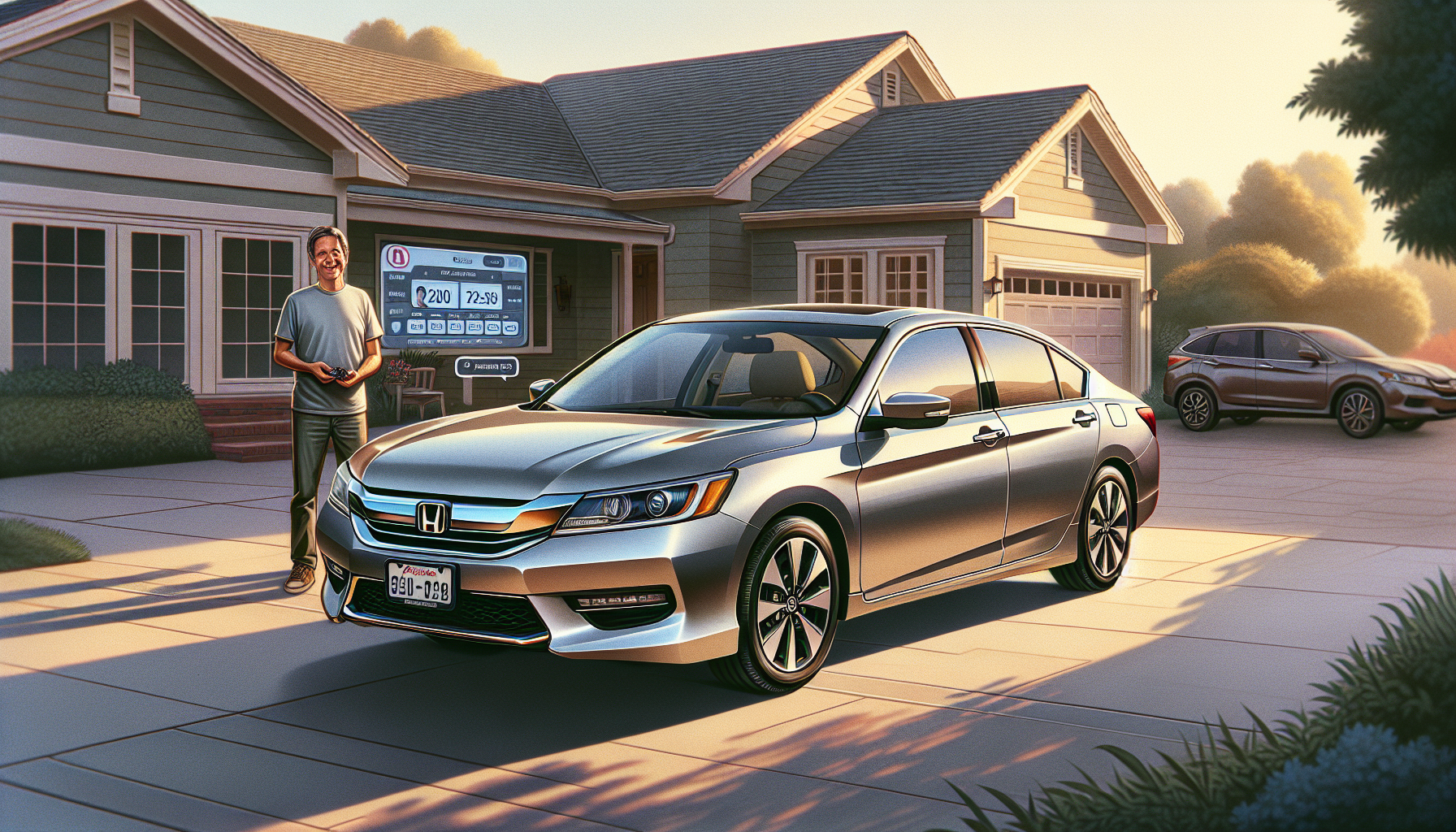
Buying a used car is always a gamble. You’re looking at someone else’s problem, hoping it doesn’t become yours. But if you’re smart about it and know which models have proven themselves over millions of miles on American roads, you can find a reliable daily driver that’ll take you well past 200,000 miles without breaking the bank or your spirit.
I’ve spent years working on cars in my shop, and I can tell you which models roll in for minor maintenance and which ones show up on a flatbed. The difference isn’t always obvious from a Carfax report. Some cars just have better bones than others.
Why Some Cars Make It to 200,000 Miles and Others Don’t
Not all vehicles are created equal when it comes to longevity. The cars that rack up serious mileage share a few things in common: simple, proven engine designs, quality transmissions, and a parts supply chain that keeps repair costs reasonable.
Japanese manufacturers dominated reliability testing for decades because they prioritized engineering over flashy features. That’s changing now, but if you’re shopping in the sub-$15,000 range, you’re looking at vehicles from the 2010s when Toyota and Honda were still building tanks disguised as sedans.
American trucks also deserve mention here. A well-maintained Ford F-150 or Chevy Silverado from the right model years can outlast nearly anything on the road. The caveat? Previous owners beat the hell out of trucks, so you need to inspect carefully.
Top Used Cars Under $15,000 Built to Last
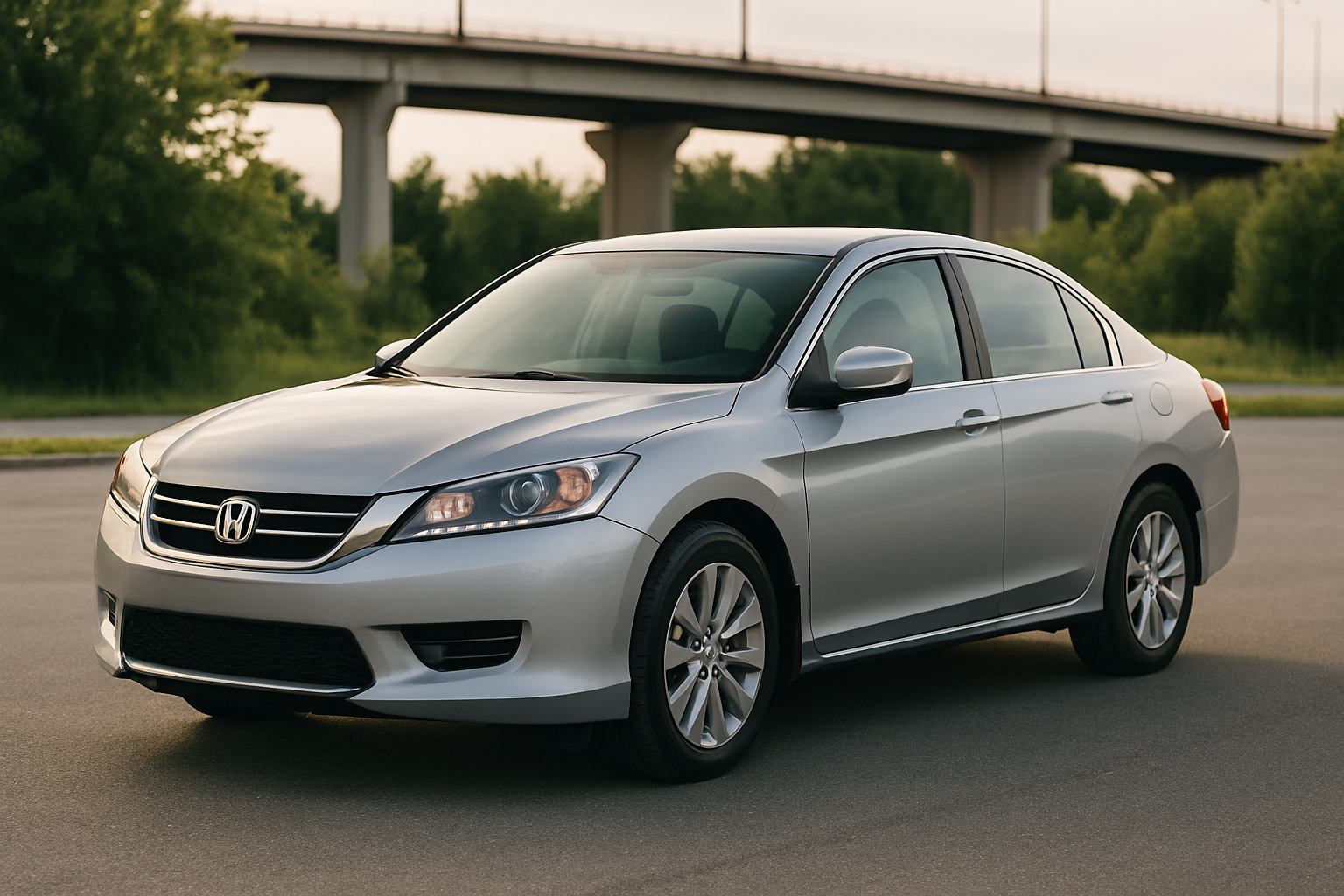
Honda Accord (2008-2015)
The Accord is boring, and that’s exactly why it works. The 2.4L four-cylinder and 3.5L V6 engines are bulletproof if you change the oil. I’ve seen Accords with over 300,000 miles still running on the original engine and transmission. The worst thing that usually happens? The clear coat peels and the suspension bushings wear out. Big deal.
You can find clean examples with 80,000 to 120,000 miles in your budget. Avoid the 2008-2010 models with the five-speed automatic if you can – they had some issues. The six-speed that came later is much better.
Toyota Camry (2007-2014)
If the Accord is boring, the Camry is a sensory deprivation chamber on wheels. It also refuses to die. The 2.5L four-cylinder is one of the most reliable engines ever mass-produced. Same goes for the V6 option.
Camrys hold their value annoyingly well, so you might be looking at slightly higher mileage for your $15,000. But here’s the thing – a Camry with 140,000 miles has plenty of life left. Just make sure the previous owner actually changed the oil. Check service records carefully.
Honda Civic (2006-2015)
Smaller than the Accord but just as reliable. The Civic’s 1.8L engine is simple and tough. These cars get outstanding fuel economy too, which matters when you’re planning to drive it for years.
Watch out for rust on older examples, especially if you’re shopping in the salt belt. Otherwise, the Civic will run until the sun explodes. The manual transmission is near-indestructible. The automatic is good too, just not quite as bulletproof.
This video covers several affordable options that routinely hit high mileage:
Mazda3 (2010-2013)
People sleep on the Mazda3, but they shouldn’t. It’s more fun to drive than the Honda or Toyota competition, and the 2.0L and 2.5L Skyactiv engines are excellent. Mazda doesn’t have Toyota’s reputation, so these cars sell for less on the used market. That’s your advantage.
The main concern with Mazda is rust. They’ve had issues with premature corrosion, especially in humid or salty climates. Inspect the wheel wells and rocker panels thoroughly before buying.
Subaru Outback (2010-2014)
If you need all-wheel drive, the Outback is hard to beat. The 2.5L four-cylinder has head gasket issues on earlier models, but by 2010, Subaru had mostly sorted that out. Not completely, but better.
The CVT transmission in these is decent but not amazing. Some fail early, some go 200,000+ miles. It’s a bit of a lottery. If you can find one with a manual transmission, grab it. Good luck though – they’re rare.
Ford F-150 (2009-2014)
The 5.0L V8 and 3.5L EcoBoost V6 in these trucks are strong engines. The six-speed automatic transmission holds up well too. You can find regular cab or SuperCab models with decent mileage in your price range.
Trucks get worked hard, so inspect everything. Frame rust, worn suspension components, and evidence of towing abuse are all red flags. But a well-maintained F-150 will haul your stuff and rack up miles without drama.
Chevrolet Silverado 1500 (2007-2013)
Similar story to the F-150. The 5.3L V8 is a workhorse engine that responds well to maintenance. These trucks are simple, parts are cheap, and any mechanic can work on them.
The biggest failure point is the Active Fuel Management system, which shuts down cylinders to save gas. It causes lifter and cam problems. You can disable it with a tune, or just buy a model without it (work trucks often didn’t have AFM).
Lexus ES 350 (2007-2012)
This is basically a fancy Camry, which means it’ll outlast most things on the road. The 3.5L V6 is smooth and reliable. The interior holds up better than the Toyota equivalent, and you get a quieter ride.
Lexus models hold value well, so you’re looking at higher mileage examples for $15,000. But 120,000 miles on a well-maintained ES is nothing. These cars regularly see 250,000+ miles.
Toyota Prius (2010-2015)
Hybrid longevity was questionable when the Prius first came out. Not anymore. Taxi and Uber drivers prove these cars can handle 300,000+ miles with minimal issues. The battery packs last way longer than skeptics predicted.
The Prius is painfully slow and about as exciting as tax preparation. But if you want cheap transportation that sips fuel and never breaks, it’s hard to argue with the math. Just check that the hybrid battery is functioning properly before buying – a replacement is expensive.
What to Look for When Shopping
Mileage matters, but it’s not everything. A car with 100,000 highway miles and regular maintenance is better than one with 60,000 city miles and spotty service records.
Always get a pre-purchase inspection from an independent mechanic. It costs a hundred bucks and can save you thousands. Any seller who refuses is hiding something.
Check for rust everywhere – frame, subframe, suspension mounting points, and body panels. Surface rust is cosmetic. Structural rust is a deal-breaker.
Test drive on the highway and in stop-and-go traffic. Listen for unusual noises. Feel for vibrations. Make sure the transmission shifts smoothly. Check that the AC blows cold and the heat works.
Service records are gold. A stack of receipts from the same shop shows someone cared about the car. No records? Walk away unless the price reflects that uncertainty.
The Models to Avoid
Some cars are tempting because they’re cheap, but there’s usually a reason.
Dodge Journey, Chrysler 200, and most Jeep models from this era have reliability issues. The Patriot and Compass are particularly bad. Transmissions fail, electrical gremlins multiply, and repair costs add up fast.
Nissan CVT transmissions from the 2010s are terrible. The Altima, Sentra, and Rogue had widespread failures. Nissan extended warranties on some, but you’re still gambling with a known weak point.
Volkswagen and European cars in general don’t age well in this price range. Parts are expensive, labor rates are higher, and small problems cascade into big repair bills. A Jetta might seem appealing, but it won’t be at 180,000 miles when the timing chain tensioner fails.
Anything with a turbocharger needs more maintenance and care. Turbos add complexity and potential failure points. If you’re chasing 200,000 miles, simpler is better.
Making Your Car Last to 200,000 Miles
Buying the right car is half the battle. Actually maintaining it is the other half.
Change your oil regularly. I mean religiously. Every 5,000 miles with conventional oil, every 7,500 with synthetic. Don’t push it to 10,000 just because the manual says you can. Oil is cheap. Engines aren’t.
Follow the severe service schedule in your owner’s manual. Most driving is considered severe – short trips, stop-and-go traffic, extreme temperatures. The normal schedule is for highway driving in perfect conditions, which describes almost nobody.
Fix small problems before they become big ones. That minor oil leak will eventually drain your engine. That grinding brake noise means you’re damaging the rotors. Ignoring warning signs is expensive.
Replace timing belts on schedule if your car has one. Missing this interval can destroy your engine. Timing chains need less maintenance but should still be inspected as mileage climbs.
Use quality parts for repairs. You don’t need dealer parts for everything, but don’t cheap out with bottom-tier aftermarket junk either. There’s a middle ground where parts are reasonably priced and actually work.
Keep your car clean, especially underneath if you live where they salt roads. Rust is the silent killer of otherwise solid cars.
Cost of Ownership Beyond the Purchase Price
Budget for maintenance and repairs even with reliable cars. Nothing runs forever without spending money.
Set aside $100-150 per month for routine maintenance and unexpected repairs. Some months you’ll spend nothing. Other months you’ll need tires or brakes or a water pump. It averages out.
Insurance costs vary wildly by model and your location. Get quotes before you buy. Some cars that seem like bargains have surprisingly high insurance rates.
Fuel economy matters more over 200,000 miles than you might think. The difference between 25 mpg and 35 mpg is thousands of dollars in gas over the life of the car.
Research common problems for any model you’re considering. Every car has weak points. The question is whether those issues are expensive to fix or just annoying.
Final Thoughts
Finding a used car under $15,000 that’ll last to 200,000 miles is possible, but it requires patience and research. Stick with proven models from manufacturers with good reliability track records. Get a thorough inspection before buying. Maintain it properly once you own it.
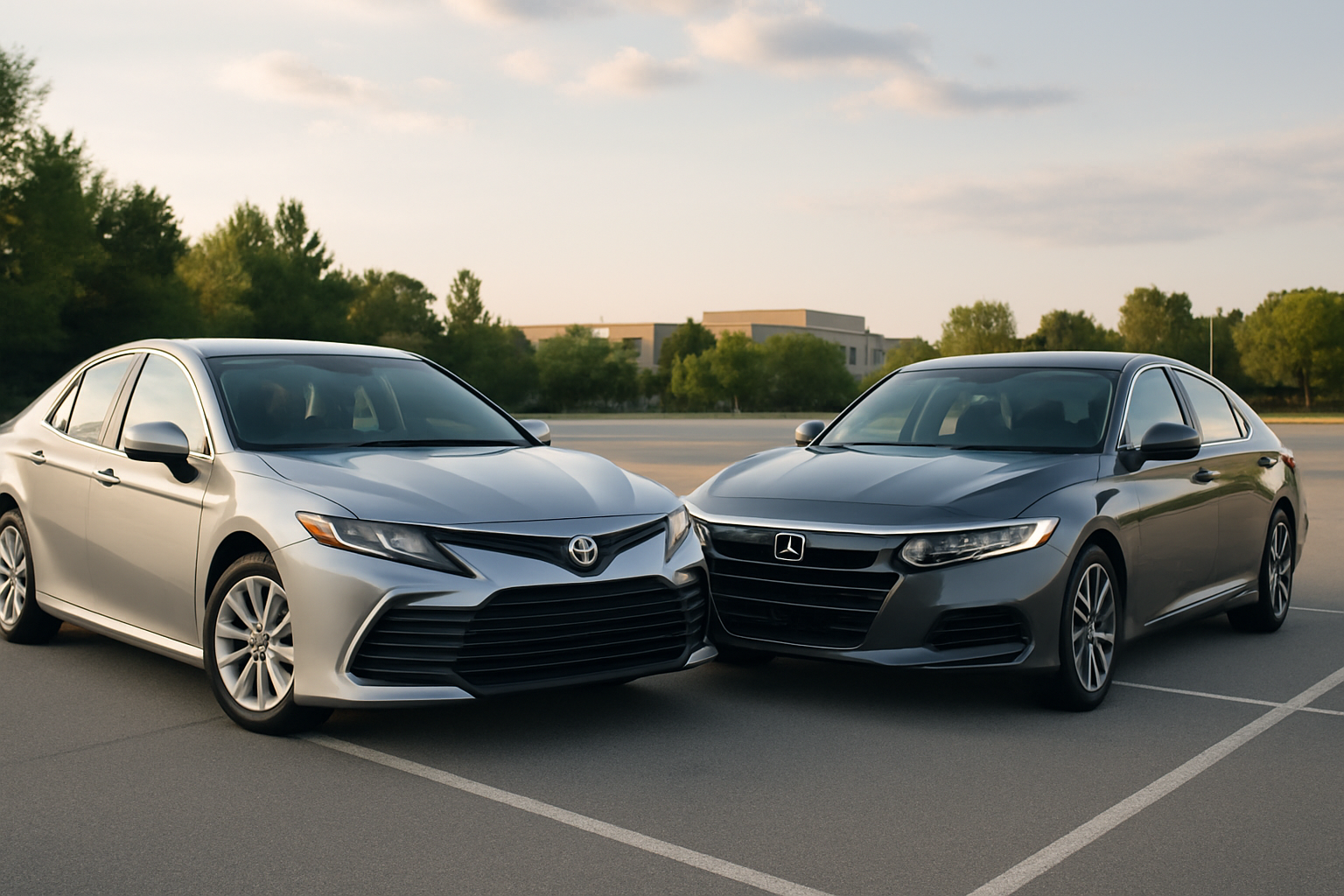
The Honda Accord and Toyota Camry are safe bets if you want maximum reliability and minimal surprises. The Mazda3 offers more driving enjoyment for similar longevity. If you need a truck, the Ford F-150 and Chevy Silverado with the right engines will serve you well.
Avoid the temptation of European luxury or cars with known failure points. Boring is good when you’re talking about transportation. The goal is getting from point A to point B for years without drama or massive repair bills.
Buy smart, maintain religiously, and that $15,000 car will take you well past 200,000 miles. I’ve seen it happen countless times in my shop. The difference between the cars that make it and the ones that don’t usually comes down to the owner, not the badge on the grille.


Leave a Reply