
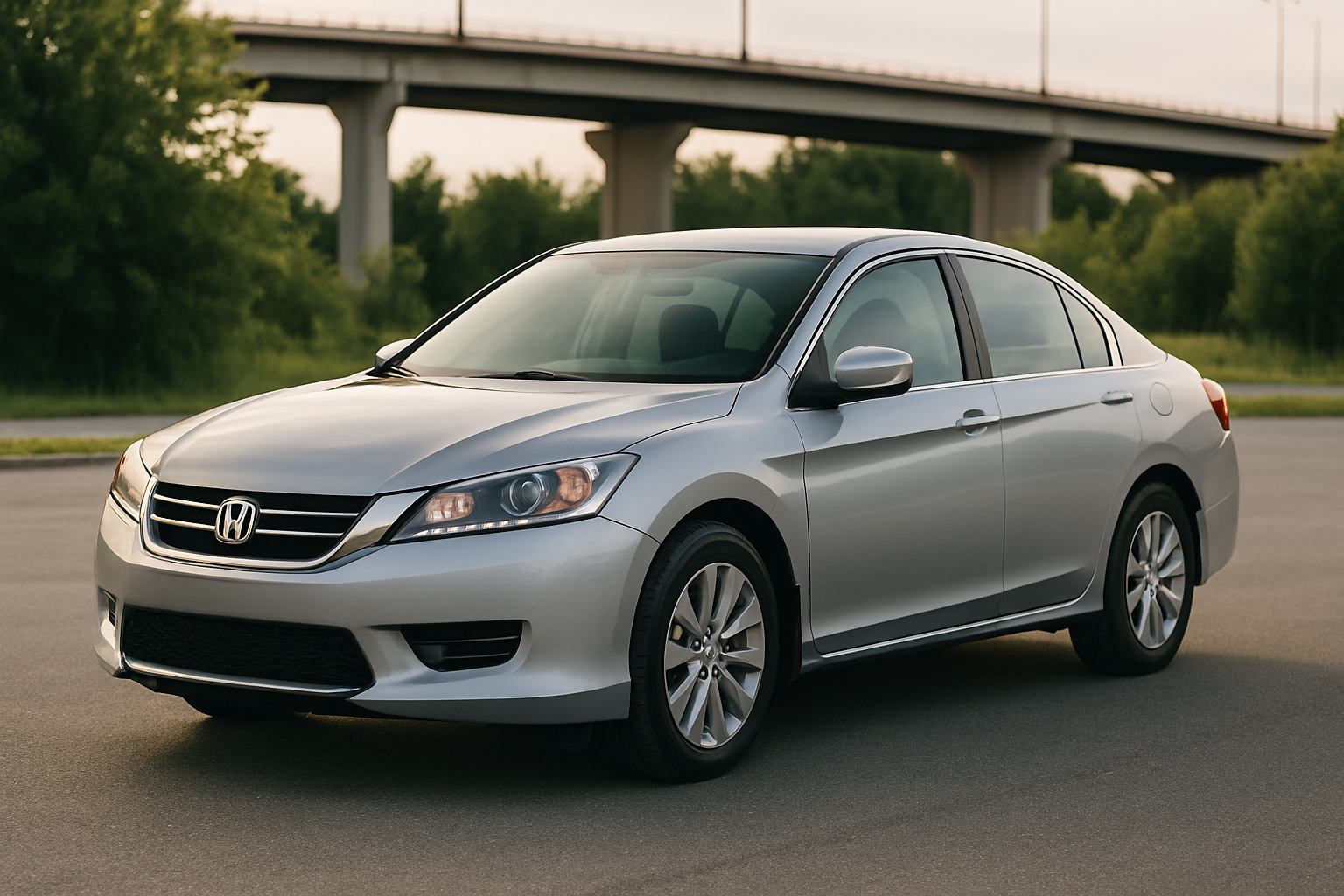
Finding a reliable used car under $15,000 that can hit 200,000 miles isn’t just wishful thinking. Some vehicles are genuinely built to last, and with smart shopping, you can snag one that’ll serve you well for years to come.
The key is knowing which models have proven track records and understanding what to inspect when you’re shopping in this price range.
Why These Five Models Dominate the Long-Distance Game
When mechanics and car enthusiasts talk about vehicles that consistently reach high mileage, the same names keep coming up. Toyota Camry, Honda Civic, Toyota Corolla, Honda Accord, and Mazda3 have earned their reputations through decades of reliable service.
These aren’t just popular because of marketing. They’re popular because they keep running when other cars quit. Their engines are conservatively tuned, their transmissions are well-engineered, and replacement parts are affordable and widely available.
Toyota Camry: The Reliable Workhorse
Best Model Years to Target (2007-2014)
For your budget, focus on 2007-2014 Camrys. The 2.4L four-cylinder engine in these years is particularly robust, and you’ll often find them with higher mileage but plenty of life left.
The 2007-2011 models are especially good values. They got Toyota’s updated transmission that solved earlier shifting issues, but they’re old enough now that depreciation works in your favor.
What to Look For
Check the maintenance records religiously. Camrys can handle neglect better than most cars, but regular oil changes are still critical. Look for evidence of 5,000-mile oil change intervals or better.
Inspect the timing chain area for any unusual noise. While these engines are generally bulletproof, a stretched timing chain can be expensive to fix. A smooth idle and quiet startup are good signs.
Honda Civic: Small but Mighty
Target Years (2006-2015)
The 2006-2011 eighth-generation Civics are fantastic choices in this price range. Honda fixed the cracked engine block issues from earlier years, and these cars regularly see 250,000+ miles with basic maintenance.
The 2012-2015 models are also excellent, though you might find fewer options under $15,000. Their engines are even more refined and fuel-efficient.
Inspection Points
Check the manual transmission for smooth shifting if you’re considering a stick shift. Honda’s manual transmissions are excellent, but a worn clutch can be costly.
For automatics, make sure shifts are crisp and there’s no slipping. Honda’s CVT transmissions in later years are generally reliable, but early symptoms of issues include hesitation during acceleration or unusual whining noises.
Toyota Corolla: The Marathon Runner
Sweet Spot Years (2009-2016)
The 2009-2013 Corollas are perfect for this budget. Toyota redesigned the car in 2009, improving the interior and making the engine even more reliable than before.
The 2014-2016 models might stretch your budget but offer more modern features and slightly better fuel economy. Both generations will easily hit 200,000 miles with proper care.
What Makes Them Last
Corollas succeed because they’re simple. The 1.8L engine doesn’t work hard to move the lightweight car, and there aren’t complicated systems to fail. Check for regular maintenance and listen for any unusual engine noises.
The biggest things to inspect are the suspension components. While the powertrain is bulletproof, bushings and struts wear out with age. Factor potential suspension work into your budget.
Honda Accord: The Perfect Balance
Prime Years (2008-2015)
The 2008-2012 Accords offer excellent value. Honda solved the transmission problems that plagued earlier V6 models, and the four-cylinder versions are nearly unstoppable.
If you can find a 2013-2015 within budget, even better. These got updated styling and improved fuel economy while maintaining Honda’s legendary reliability.
Four-Cylinder vs V6
Stick with four-cylinder models for maximum longevity and lower maintenance costs. The 2.4L engine is Honda’s sweet spot for reliability and performance.
V6 models offer more power but require premium fuel and have higher maintenance costs. Unless you specifically need the extra performance, the four-cylinder will serve you better long-term.
Mazda3: The Hidden Gem
Underrated Years (2010-2016)
Mazda3s from this era are often overlooked, which means better deals for you. The 2.0L and 2.5L engines are extremely reliable, and these cars often feel more premium than their Japanese competitors.
The 2012-2016 models with the SKYACTIV engines are particularly good choices. Mazda engineered these powertrains for efficiency and longevity.
Why They Last
Mazda builds their cars with attention to detail that rivals luxury brands. The engines are conservatively tuned, and the company has a reputation for thorough testing before releasing new models.
Check for rust on older models, especially if you’re in a salt-heavy climate. Mazda improved their rust protection over the years, but early models can be susceptible.
What to Inspect at This Price Point
Maintenance Records
This is your most important tool for predicting future reliability. Cars in the $15,000 range are typically 8-15 years old, so maintenance becomes critical.
Look for evidence of regular oil changes, transmission services, and cooling system maintenance. A thick folder of service records is worth more than perfect paint.
High-Wear Items
Budget for items that wear with age, not just mileage. Things like engine mounts, suspension bushings, and door seals deteriorate over time regardless of how many miles the car has.
Check the tires for even wear patterns. Unusual wear can indicate alignment issues, worn suspension components, or previous accident damage.
Technology and Features
Don’t get caught up in features that might fail. Power sunroofs, complex infotainment systems, and electronic parking brakes can all become expensive problems.
Focus on cars with the features you actually need. Manual seats and simple climate controls mean fewer things to break down the road.
Mileage Sweet Spots
The 100,000-150,000 Mile Range
This is often the best value range for these models. Most major maintenance items like timing belts (if equipped) have been addressed, but the car still has plenty of life remaining.
Cars in this range have taken their biggest depreciation hit but haven’t yet reached the point where age-related issues become common.
Higher Mileage Considerations
Don’t automatically avoid cars with 180,000+ miles if they’ve been well-maintained. These models can easily exceed 250,000 miles with proper care.
Higher mileage cars often come from highway commuters, which is easier on engines than stop-and-go city driving. A highway-driven car with 200,000 miles might be in better shape than a city car with 120,000.
Common Issues to Watch For
Age-Related Problems
Rubber seals, gaskets, and hoses deteriorate over time. Budget for items like valve cover gaskets, which are maintenance items rather than design flaws.
Cooling system components like radiators and water pumps have finite lifespans. These are predictable maintenance items rather than unexpected failures.
Transmission Health
Pay special attention to automatic transmission behavior. Smooth shifts and clean fluid are good signs. Any hesitation, slipping, or unusual noises warrant further investigation.
Manual transmissions should engage cleanly with no grinding or difficulty finding gears. A worn clutch is expensive but not necessarily a deal-breaker if you can negotiate the price accordingly.
Maximizing Your Investment
Finding the Right Example
One-owner cars with complete service records are worth paying extra for. These vehicles typically receive better care and have more predictable maintenance histories.
Consider cars that are slightly higher in mileage but lower in price if they come with excellent maintenance records. A well-maintained high-mileage car often outlasts a neglected low-mileage example.
Budget for Immediate Needs
Even reliable cars need maintenance when you buy them used. Budget an additional $1,000-2,000 for items like tires, brakes, fluids, and filters.
Getting a pre-purchase inspection from a qualified mechanic is money well spent. They can identify potential issues before they become expensive problems.
Long-Term Ownership Strategy
Maintenance Philosophy
These cars respond well to consistent, basic maintenance. Regular oil changes, transmission services, and cooling system flushes will keep them running far beyond 200,000 miles.
Use quality parts but don’t feel pressured to use only OEM components. Good aftermarket parts work fine for most applications and cost significantly less.
When to Walk Away
Avoid cars with signs of major collision damage, flood history, or evidence of serious neglect. Even these reliable models have limits to what they can overcome.
Be cautious of cars with extensive modifications. While some modifications are harmless, others can affect reliability and make warranty claims more difficult.
Frequently Asked Questions
Is it worth buying a car with over 150,000 miles?
Absolutely, especially with these models. A well-maintained Camry, Civic, Corolla, Accord, or Mazda3 with 150,000 miles likely has another 100,000+ miles of reliable service ahead of it. The key is verifying the maintenance history and having realistic expectations about upcoming maintenance needs.
Should I avoid cars that need immediate repairs?
Not necessarily. Cars needing predictable maintenance items like tires, brakes, or minor service can actually be good deals if the seller adjusts the price accordingly. Avoid cars with major mechanical issues like transmission problems or engine damage, but don’t let routine maintenance needs scare you away from an otherwise good car.
How important is having a manual transmission for reliability?
Manual transmissions are generally more reliable and less expensive to maintain, but the automatic transmissions in these models are also quite dependable. Choose based on your driving preference rather than reliability concerns. Both transmission types in these vehicles can easily last 200,000+ miles with proper maintenance.
What’s the most important factor for reaching 200,000 miles?
Consistent maintenance beats everything else. A car that’s received regular oil changes, transmission services, and basic upkeep will almost always outlast a lower-mileage car that’s been neglected. When evaluating used cars, prioritize maintenance records over everything except major accident damage or flood history.
This article contains affiliate links. If you purchase through these links, we may earn a small commission at no extra cost to you.


Leave a Reply