
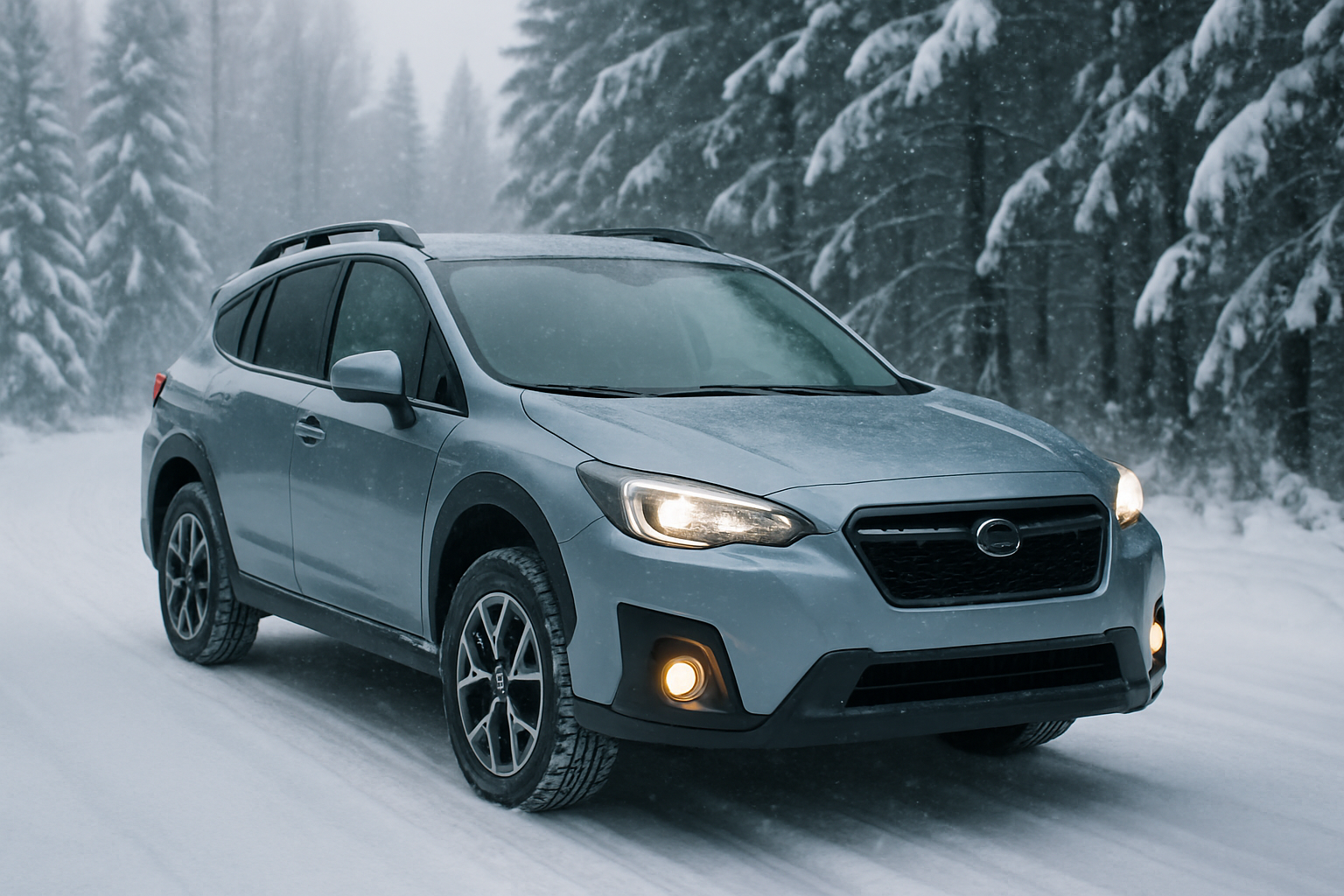
When winter weather hits, having reliable traction can mean the difference between a smooth commute and getting stuck on a snowy hill. All-wheel drive vehicles offer superior grip compared to front-wheel drive cars, but you don’t need to break the bank buying new to get this capability.
Understanding AWD vs 4WD: Which Is Better for Winter?
Before diving into specific models, you need to understand the difference between all-wheel drive (AWD) and four-wheel drive (4WD). AWD systems automatically send power to all four wheels when needed, without any input from you. They work seamlessly in the background, making them perfect for daily driving in snow, rain, or ice.
4WD systems, on the other hand, typically need to be manually engaged and are designed more for off-road use. Most 4WD systems shouldn’t be used on dry pavement because they lack a center differential to allow for different wheel speeds during turns.
For winter driving, AWD is usually the better choice because it’s always ready to help when traction gets slippery. You don’t need to remember to engage it when the weather turns bad.
Winter Tires Matter More Than AWD
Here’s something many drivers don’t realize: good winter tires on a front-wheel drive car will often outperform all-season tires on an AWD vehicle. AWD helps you accelerate in snow, but it doesn’t help you stop or turn any better.
Winter tires use special rubber compounds that stay flexible in cold temperatures, plus they have deeper tread patterns designed to grip snow and ice. If you’re serious about winter safety, budget for a set of winter tires regardless of what vehicle you buy.
That doesn’t mean AWD is useless. When you combine AWD with winter tires, you get the best possible traction for acceleration, turning, and climbing hills in snow.
Best Used AWD Cars for Winter Driving
Subaru Outback (2015-2022)
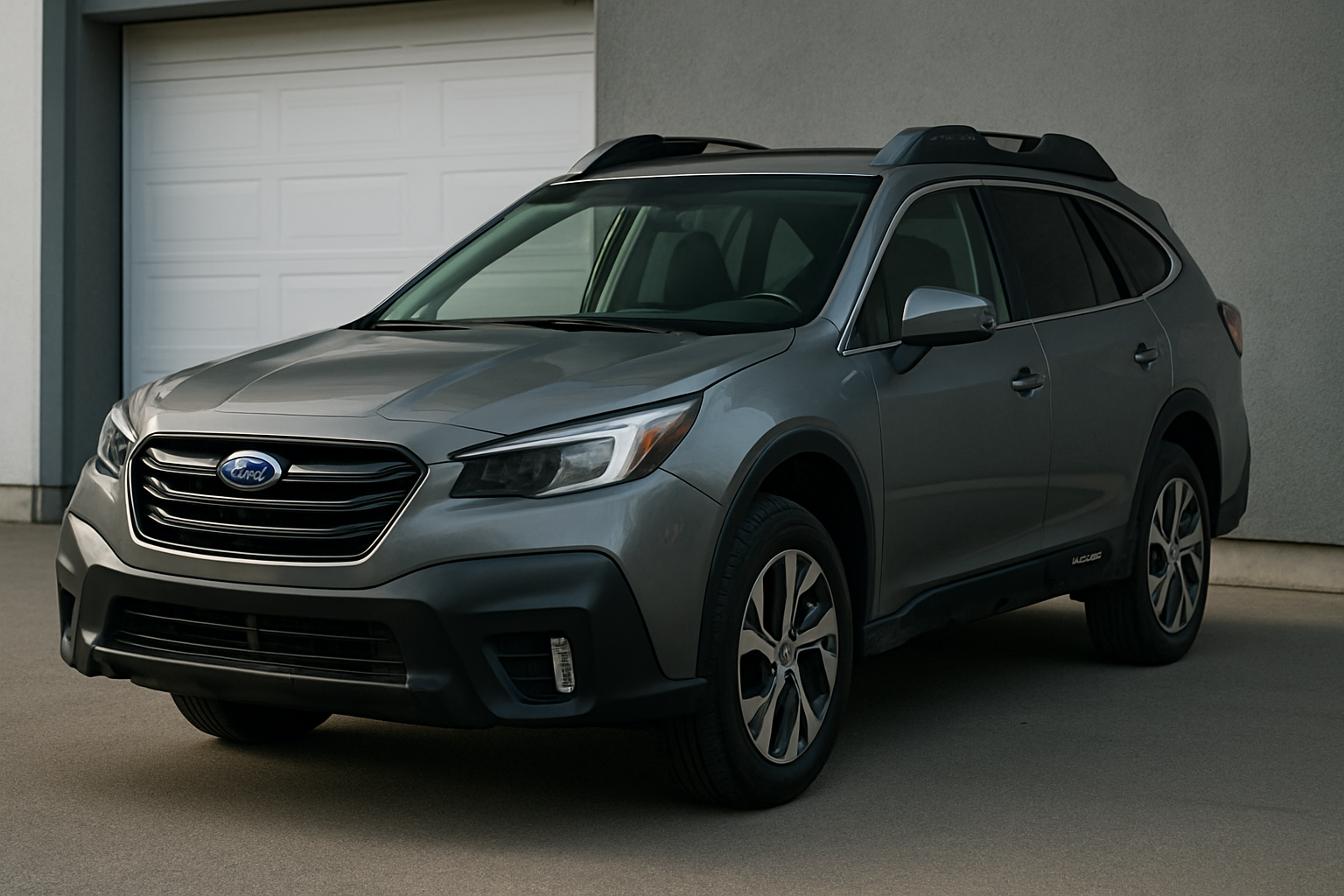
Subaru’s AWD system is one of the most respected in the industry, and the Outback has been a winter warrior for decades. The 2015 and newer models offer excellent reliability with the proven 2.5-liter four-cylinder engine, while avoiding the earlier turbo engine issues.
The Outback’s ground clearance (8.7 inches) helps it plow through deeper snow than most cars. Subaru’s symmetrical AWD system sends power to all four wheels all the time, with a center differential that automatically adjusts torque distribution based on traction needs.
Look for models between 2015-2019 for the best value. These years have worked out most early bugs but haven’t hit the higher prices of recent models. Expect to pay $18,000-$28,000 depending on mileage and condition.
Subaru Forester (2014-2021)
The Forester offers similar AWD capability to the Outback but in a more upright SUV package. The higher driving position gives you better visibility in snow, and the boxy shape maximizes interior space.
The 2014-2018 Foresters use the reliable naturally aspirated 2.5-liter engine, while 2019 and newer models got a redesign with more interior room. Both generations are excellent winter vehicles.
One advantage of the Forester is slightly better ground clearance (8.7-9.2 inches depending on year) compared to most cars. You’ll find good examples in the $16,000-$26,000 range.
Subaru Crosstrek (2013-2022)
If you want Subaru’s excellent AWD system but need better fuel economy, the Crosstrek fits the bill. It’s essentially a raised Impreza with plastic body cladding and 8.7 inches of ground clearance.
The Crosstrek feels less powerful than the Outback or Forester, especially on highway on-ramps, but it’s perfectly adequate for most driving. The compact size makes it easier to park in the city while still providing AWD capability.
Prices typically range from $14,000-$22,000 for 2013-2019 models. The 2018 redesign brought more interior space and better materials, but earlier models are more affordable.
Toyota RAV4 (2013-2021)
Toyota’s RAV4 offers excellent reliability and decent AWD performance, though its system isn’t quite as sophisticated as Subaru’s. The 2013-2018 models use a traditional AWD setup that sends power to the rear wheels when the fronts slip.
The 2019 redesign brought a more advanced AWD system with better rear-wheel power delivery and available torque vectoring on higher trims. Both generations are solid winter vehicles.
RAV4s hold their value extremely well, which is good for resale but means higher purchase prices. Expect to pay $16,000-$30,000 depending on year and mileage. The reliability reputation makes them worth the premium for many buyers.
Mazda CX-5 (2013-2022)
The CX-5 offers one of the most engaging driving experiences in its class, with precise steering and good handling even in winter conditions. Mazda’s i-ACTIV AWD system is proactive, using sensors to predict when AWD might be needed before wheel slip occurs.
The system monitors everything from outside temperature to windshield wiper usage to anticipate slippery conditions. When it detects potential for slip, it preemptively sends power to the rear wheels.
CX-5 prices typically range from $15,000-$27,000 for used models. The 2017 and newer second-generation models offer better interior materials and slightly more space, but first-generation models (2013-2016) provide good value.
Essential Winter Emergency Gear
Even with the best AWD vehicle, you should carry emergency supplies during winter months. Winter emergency car kits typically include items like blankets, flashlights, jumper cables, and basic tools that could save you if you get stranded.
Keep a small snow shovel, bag of sand or cat litter for traction, ice scraper, and warm clothing in your vehicle. These items take up minimal space but could be invaluable if you get stuck.
What to Look for When Buying Used AWD Cars
When shopping for a used AWD vehicle, pay special attention to maintenance records. AWD systems are more complex than front-wheel drive setups, with additional components that need regular service.
Check that differentials have been serviced according to the manufacturer’s schedule. Many AWD systems require special fluids that differ from regular transmission fluid. Neglecting these services can lead to expensive repairs.
Test drive the vehicle in a safe area where you can feel the AWD system engage. You should notice power being sent to different wheels as you accelerate on loose surfaces like gravel.
Have a pre-purchase inspection performed by a mechanic familiar with AWD systems. They can check for worn CV joints, differential issues, or other problems that might not be obvious during a test drive.
Regional Considerations and Pricing
AWD vehicles typically cost more in snow-belt states where demand is higher. If you’re flexible about travel, you might find better deals by expanding your search radius or looking in southern states where AWD is less valued.
However, vehicles from southern states might not have been maintained with winter driving in mind. Northern vehicles might show more wear from salt exposure but could have better winter tires and more appropriate maintenance.
Consider the total cost of ownership, including insurance, maintenance, and fuel economy. AWD vehicles generally use more fuel than their front-wheel drive counterparts due to the additional weight and drivetrain losses.
Maintenance Tips for Used AWD Vehicles
Once you buy your used AWD vehicle, maintain it properly to ensure winter reliability. Follow the severe service maintenance schedule if you drive in winter conditions regularly, as cold weather and road salt qualify as severe operating conditions.
Replace tires in sets of four on AWD vehicles. Mismatched tires can cause the AWD system to work unnecessarily hard, leading to premature wear of differentials and other components.
Check fluid levels regularly, including differential oil, transmission fluid, and transfer case fluid if equipped. These systems work harder in winter conditions and may need more frequent service.
Frequently Asked Questions
How much should I budget for winter tires?
Expect to spend $600-$1,200 for a set of four winter tires, depending on your vehicle’s tire size and the tire quality you choose. Consider this an essential safety investment rather than an optional upgrade.
Do all Subaru models have the same AWD system?
Most Subaru models use similar symmetrical AWD systems, but there are variations. The WRX and WRX STI use more performance-oriented systems with different torque splits, while the BRZ is rear-wheel drive only.
Can I install AWD on a front-wheel drive car?
Converting a front-wheel drive vehicle to AWD is extremely expensive and complex, typically costing more than buying a factory AWD vehicle. You’d need a new transmission, rear differential, driveshaft, and extensive modifications.
Should I buy certified pre-owned or from a private party?
Certified pre-owned vehicles offer warranty protection and thorough inspections but cost more. Private party sales can save money but require more due diligence on your part to verify the vehicle’s condition and maintenance history.
This article contains affiliate links. If you purchase through these links, we may earn a small commission at no extra cost to you.


Leave a Reply