
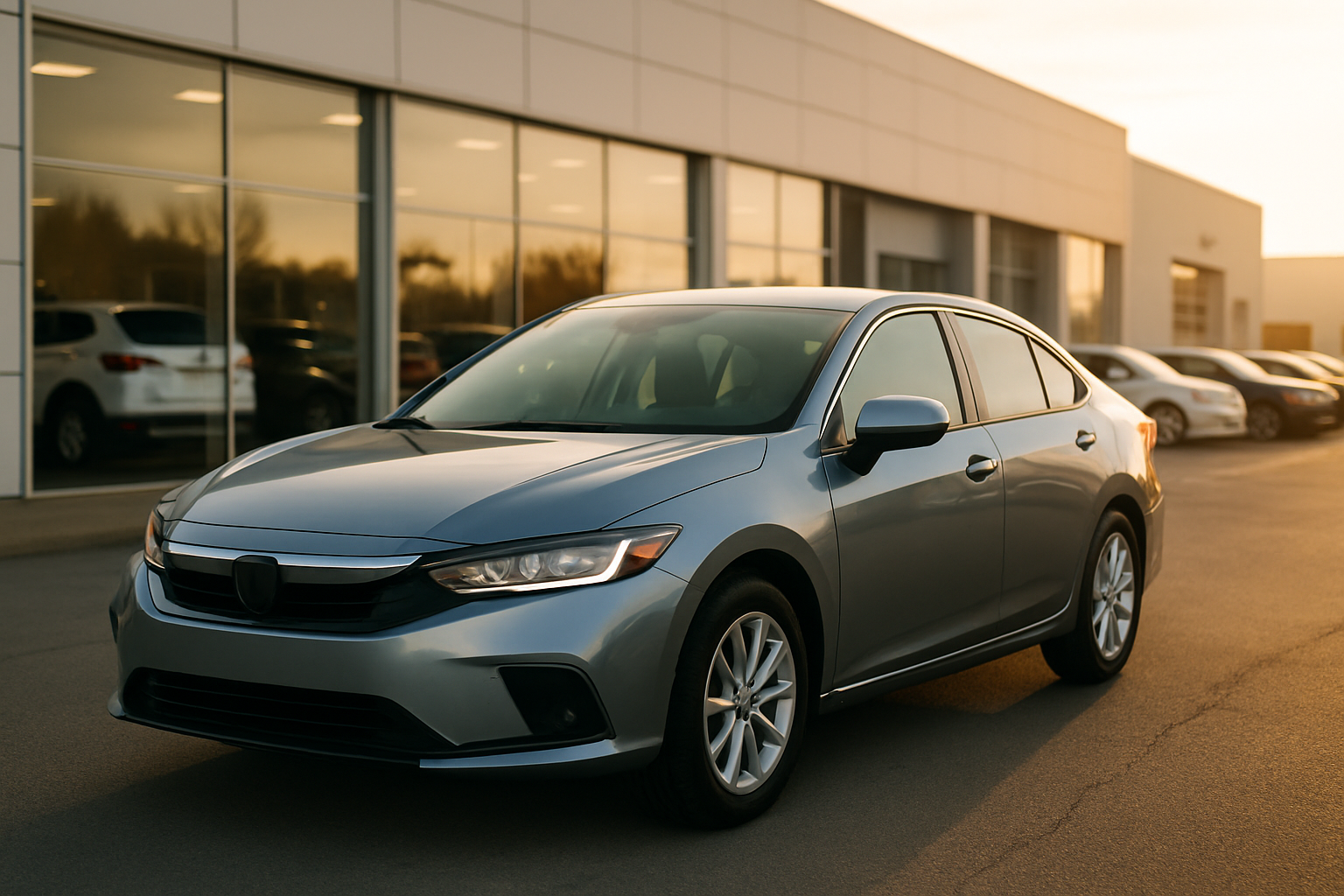
Car dealerships make most of their profit through financing, trade-ins, and add-ons, which means the sticker price has more wiggle room than you might think. Understanding when dealers are most motivated to move inventory can save you thousands on your next vehicle purchase.
End of Month: When Sales Pressure Peaks
Most dealerships operate on monthly sales quotas, and the last few days of each month create a perfect storm for buyers. Sales managers need to hit their numbers to earn bonuses, and they’ll often approve deals they’d reject earlier in the month.
The sweet spot typically falls between the 25th and the last day of the month. Sales staff become increasingly flexible with pricing as they watch the calendar tick down. You’ll find the most negotiating power on the final weekend of the month, especially Sunday evenings when desperation sets in.
This strategy works particularly well at volume dealerships that rely on moving large quantities of vehicles. Luxury dealers may be less affected by monthly quotas, but mainstream brands like Ford, Toyota, and Honda feel significant pressure during these final days.
End of Quarter: Maximum Leverage Points
Quarterly pressure amplifies the monthly effect by about three times. March 31st, June 30th, September 30th, and December 31st represent the absolute best times to negotiate aggressive pricing.
Manufacturers often provide additional incentives to dealers during quarter-end pushes. These factory-to-dealer bonuses rarely get advertised to consumers, but they give sales managers extra room to discount vehicles while maintaining their margins.
December stands out as the ultimate quarter-end opportunity because it combines year-end manufacturer incentives with holiday sales events and the psychological pressure of closing out the calendar year.
Model Year Changeover: Prime Time for Outgoing Models
New model years typically arrive at dealerships between July and October, depending on the manufacturer. Once the newer models hit the lot, dealers become eager to clear remaining inventory of the outgoing year.
These vehicles aren’t actually older, they’re just carrying the previous model year designation. A 2023 model purchased in September 2023 could be identical to a 2024 model, but priced significantly lower due to the year difference.
The discount potential increases dramatically if the new model year includes a redesign or significant updates. Dealers know consumers will gravitate toward the fresh styling, making the outgoing models harder to move without aggressive pricing.
Some manufacturers push this timeline even further. You might find 2023 models still on lots in early 2024, carrying substantial rebates and dealer discounts to clear the aging inventory.
Holiday Sales Events: Real Deals vs. Marketing Hype
Black Friday through New Year’s Day creates legitimate opportunities, not just marketing noise. Dealers use holiday weekends to boost sales during typically slower periods, and manufacturers support these efforts with special financing and rebate programs.
Memorial Day weekend kicks off the summer selling season with genuine incentives. Dealers want to clear space for incoming inventory and capitalize on increased shopping activity during the long weekend.
Labor Day weekend offers another strong opportunity, particularly for truck and SUV buyers. Manufacturers often launch special financing deals during this period to capture end-of-summer demand.
President’s Day sales events can provide solid deals, especially on domestic brands that lean into the patriotic messaging with substantial rebates and incentives.
Inventory Build-Up Periods: Supply and Demand in Your Favor
When dealers accumulate too much of specific models, colors, or trim levels, they’ll discount aggressively to restore inventory balance. This typically happens with slow-selling configurations or when manufacturers overproduce certain variants.
Unpopular colors often carry additional discounts year-round. That bright orange or lime green might not be your first choice, but it could save you $2,000 or more compared to popular colors like white, black, or silver.
Base trim levels frequently sit on lots longer than loaded models. Many buyers get drawn to higher trim levels during the shopping process, leaving entry-level models as excellent discount opportunities for practical buyers.
Regional preferences create inventory imbalances that smart buyers can exploit. Convertibles pile up in northern climates during winter months, while all-wheel-drive models accumulate in southern markets.
Best Day of the Week and Time of Day
Tuesday through Thursday typically offer the best negotiating environment. Weekends bring crowds and excitement that work against serious negotiations, while Mondays involve catching up from the weekend rush.
Late afternoon visits work better than morning appointments. Sales managers have a clearer picture of daily sales performance by 3 PM, and they’ll be more motivated to close deals if the day is running slow.
Rainy or snowy days dramatically reduce foot traffic, giving you the sales person’s undivided attention and creating urgency to make the day productive despite the weather.
Seasonal Timing Strategies
January and February represent the slowest sales months for most dealers. The post-holiday financial hangover reduces buyer traffic, creating opportunities for serious shoppers willing to brave the cold weather.
Convertibles and sports cars see their deepest discounts during winter months when demand plummets. If you can wait until spring to enjoy the open-air driving experience, winter purchases can save substantial money.
Trucks and SUVs face less seasonal pressure but still see better deals during slower sales periods. However, avoid shopping for four-wheel-drive vehicles right before winter weather hits your area.
Economic Timing Considerations
Rising interest rates create opportunities for cash buyers and those with excellent credit. When financing becomes expensive, dealers become more flexible on pricing to maintain sales volume.
Economic uncertainty makes dealers more conservative with inventory, which can work for or against buyers depending on the specific situation. Less inventory means fewer choices but potentially better deals on available units.
Gas price spikes create immediate opportunities on large SUVs and trucks as buyer preferences shift toward fuel efficiency. These preferences often overcorrect, creating excellent deals for buyers who aren’t fazed by fuel costs.
What to Avoid: Worst Times to Buy
The first week of any month brings renewed optimism and tighter negotiations from dealers who think they have plenty of time to hit their quotas. Wait until at least mid-month for serious negotiations.
Spring and early summer represent peak selling seasons when dealers have less motivation to discount. Beautiful weather brings out shoppers, creating natural demand that supports higher prices.
Immediately after new model launches generates excitement that works against negotiations. Wait several months for the novelty to wear off before expecting significant discounts on redesigned vehicles.
Maximizing Your Timing Strategy
Combine multiple timing factors for maximum impact. Shopping for an outgoing model year during the last weekend of a quarter creates the perfect negotiating storm.
Research manufacturer incentives before visiting dealerships. Websites like Edmunds and KBB track current rebates and financing deals that change monthly.
Get pre-approved for financing before shopping during peak discount periods. This preparation lets you move quickly when you find the right deal at the right time.
Consider expanding your geographic search during optimal timing periods. The extra drive might be worth it if a dealer two hours away has better inventory or more aggressive pricing.
Frequently Asked Questions
How much can I realistically save by timing my purchase correctly?
Typical savings range from $1,500 to $4,000 on mainstream vehicles, with luxury cars offering potentially larger discounts. The exact amount depends on the vehicle’s popularity, current inventory levels, and how many timing factors align in your favor.
Do these timing strategies work for both new and used cars?
These strategies primarily apply to new car purchases. Used car pricing follows different patterns based on trade-in cycles, auction availability, and seasonal demand shifts rather than dealer quotas and model year changes.
Should I tell the dealer I know about these timing strategies?
Focus on negotiating the best deal rather than explaining your timing strategy. Let the natural pressure from month-end quotas and inventory needs work in your favor without explicitly calling attention to these factors.
What if I need a car immediately and can’t wait for optimal timing?
You can still negotiate effectively during non-optimal periods by focusing on specific vehicles that have been on the lot for extended periods, unpopular colors or configurations, or dealer demo vehicles with low mileage.
This article contains affiliate links. If you purchase through these links, we may earn a small commission at no extra cost to you.

Leave a Reply