
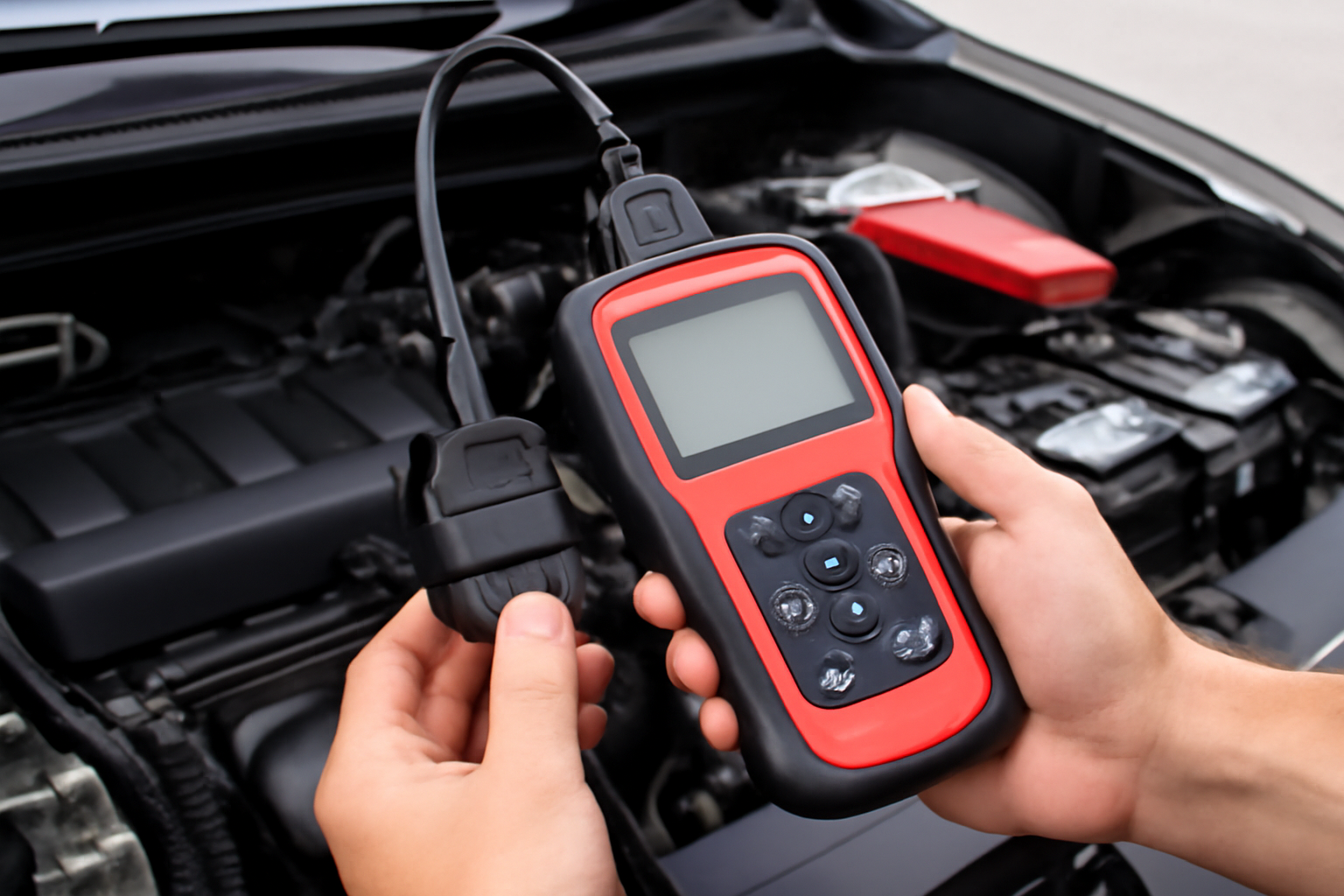
An OBD2 scanner is the single most useful tool you can own as a home mechanic. It turns that vague check engine light into an actual diagnosis, saves you from paying a shop just to read a code, and helps you decide whether a repair is a weekend project or a mechanic visit.
The problem is choosing the right one from a market flooded with options ranging from cheap Bluetooth dongles to professional-grade bidirectional scanners.
After testing and comparing the most popular models, here are the best OBD2 scanners across three price tiers, along with an honest breakdown of which features actually matter for DIY mechanics.
What Features Actually Matter
Before looking at specific models, understand what separates a useful scanner from a glorified code reader. Basic code readers only pull and clear DTCs (diagnostic trouble codes). That’s fine for simple check engine light situations, but you’ll quickly want more.
Live data streaming lets you watch sensor readings in real time while the engine runs. This is essential for diagnosing intermittent problems like misfires, lean conditions, or temperature issues. Freeze frame data shows you exactly what the engine was doing when a code was triggered.
ABS and airbag code reading is something budget scanners skip, but these systems generate codes just like the engine. If your ABS light is on, a basic scanner won’t help. Enhanced diagnostics that cover transmission, ABS, SRS (airbag), and other modules are worth paying for.
Bidirectional control is a pro-level feature that lets you command components to activate. You can cycle ABS valves, test fuel injectors, move blend doors, and run system tests. This feature usually separates the higher-tier category from everything below it.
Budget Tier: Bluetooth OBD2 Dongles
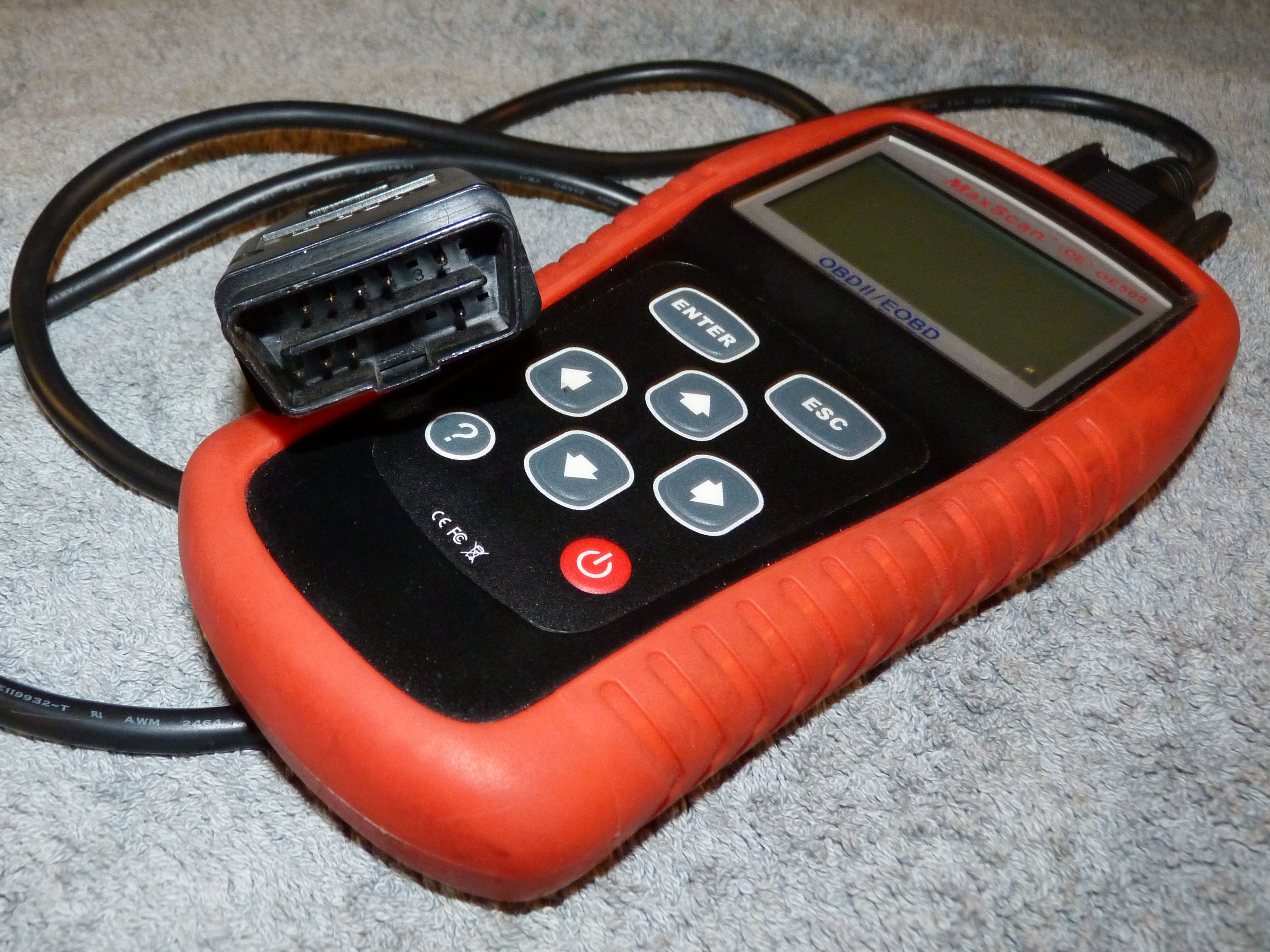
FIXD OBD2 Scanner
FIXD connects via Bluetooth to your phone and translates trouble codes into plain English descriptions that non-mechanics can understand. The app also tracks maintenance schedules and sends reminders. It handles generic OBD2 codes well and offers some enhanced data for popular vehicle makes.
The free tier covers code reading and basic live data. A premium subscription unlocks additional features like repair cost estimates and confirmed fixes from other users with the same vehicle. For someone who just wants to know why the check engine light is on, FIXD is one of the easiest options available.

FIXD OBD2 Scanner
Best for beginners who want plain-English explanations without technical jargon
Veepeak OBDCheck BLE+
This budget Bluetooth dongle works with both iOS and Android and pairs with powerful third-party apps like Car Scanner and OBD Fusion. While the dongle itself is basic, the apps it supports provide extensive live data, graphing, and enhanced diagnostics. It’s the best value option if you’re comfortable using third-party apps rather than a proprietary one.
Mid-Range Tier: Handheld Scanners
BlueDriver Pro OBD2 Scanner
BlueDriver occupies a sweet spot between Bluetooth dongles and professional handhelds. It connects to your phone via Bluetooth but provides dealer-level enhanced diagnostics for most vehicle makes. You get ABS, airbag, and transmission codes plus a “Repair Reports” feature that shows verified fixes from professional mechanics.
The BlueDriver Pro covers Mode 6 data (emission monitor test results), smog readiness checks, and live data graphing. There’s no subscription fee; all features are included. For the serious DIYer who wants extensive diagnostics without a separate handheld device, this is the top pick in its class.

BlueDriver Pro OBD2 Scanner
Best overall for serious DIYers who want dealer-level diagnostics without professional pricing
Innova 5610
Innova’s 5610 is a traditional handheld scanner with a color screen and built-in code database. It reads engine, ABS, SRS, and transmission codes and includes severity ratings that help you prioritize repairs. The “RepairSolutions2” app integration provides repair procedures and parts recommendations.
Handheld units like the Innova work well in the garage where you don’t want to fumble with a phone. The larger screen displays multiple live data PIDs simultaneously, and the unit stores scan results for later review.
Launch CRP123E
Launch makes professional-grade equipment, and the CRP123E brings some of that capability to a mid-range price point. It covers engine, transmission, ABS, and SRS with full live data for each system. The 5-inch touchscreen is responsive, and the built-in battery means no phone connection needed.
One standout feature is the Launch CRP123E’s lifetime free updates for the covered systems, which keeps it compatible with newer vehicles as they hit the road.
Pro Tier: Bidirectional Scanners
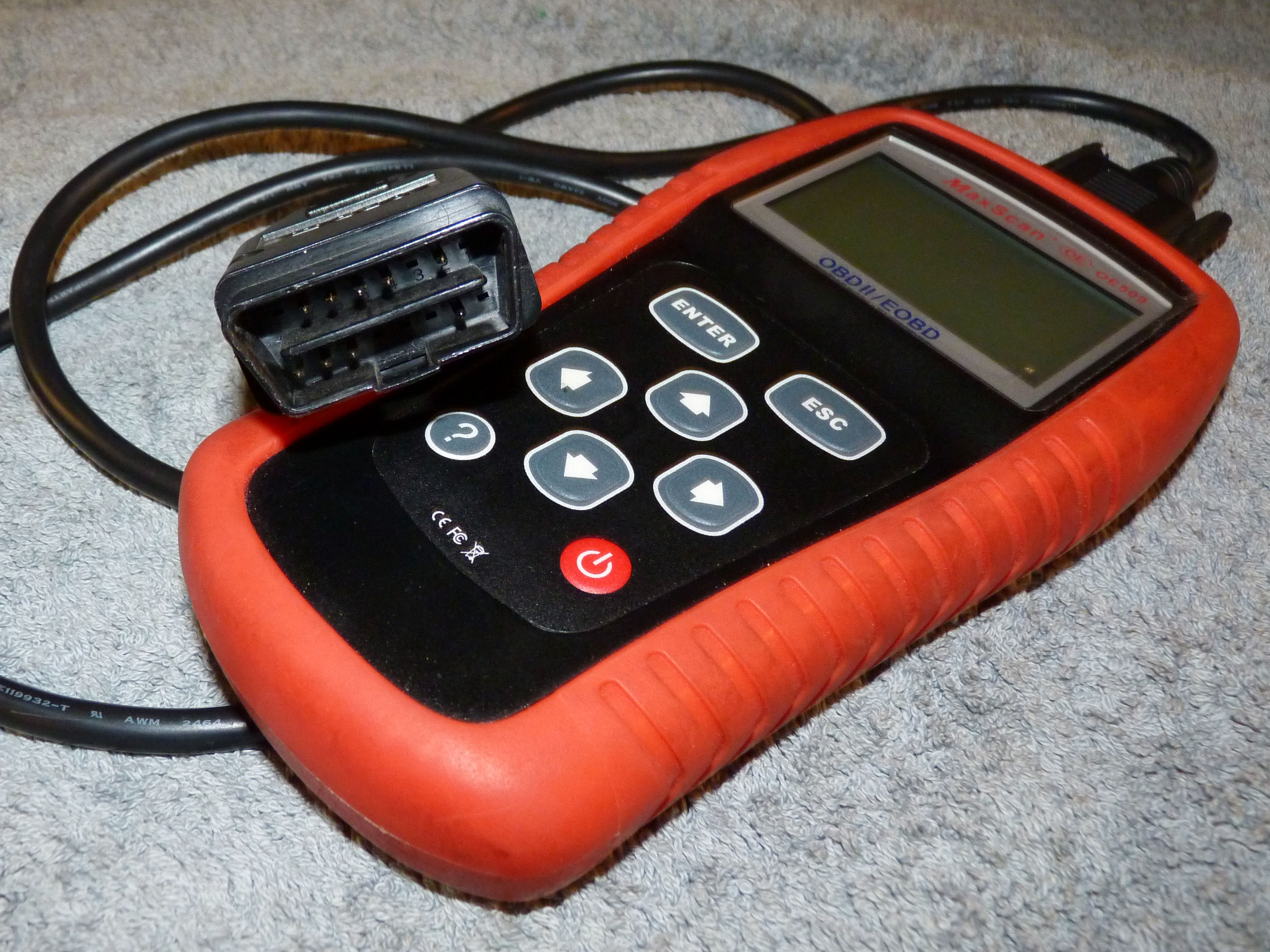
Launch CRP919X
The CRP919X provides full-system bidirectional control, meaning you can command components to test them, not just read codes. Need to cycle the ABS pump, test injectors, bleed brakes electronically, or reset service intervals? This handles all of it across most domestic, Asian, and European makes.
The scanner includes a 7-inch touchscreen, Wi-Fi updates, and coverage for all electronic systems in the vehicle. It’s the most affordable scanner with genuine bidirectional capability and is a serious tool for anyone doing their own advanced diagnostics.

Launch CRP919X
Most affordable true bidirectional scanner for advanced DIY mechanics
Autel MaxiCOM MK808S
Autel’s MK808S is what independent shops use. Full bidirectional control, key programming, injector coding, TPMS relearning, and active tests across all vehicle systems. The tablet-style form factor runs Android and provides a fast, intuitive interface.
This is overkill for occasional oil change reminders, but if you work on multiple vehicles, do your own brake bleeds, or need to perform relearns after part replacements, the Autel MK808S pays for itself quickly compared to shop diagnostic fees.
What About the Cheap Amazon Scanners?
You’ll find dozens of OBD2 scanners on Amazon with no recognizable brand name. These typically read basic engine codes and not much else. They work for pulling a P0420 code, but the code databases are often incomplete, the apps are poorly designed, and you won’t get ABS or SRS coverage.
Save yourself the frustration and start with at minimum a FIXD or Veepeak dongle. The incremental cost over a no-name scanner buys you dramatically better software, reliable Bluetooth connectivity, and actual diagnostic depth.
Frequently Asked Questions
Do I need a different scanner for my specific car brand?
Generic OBD2 codes (starting with P0) are universal across all vehicles sold in the US since 1996. Enhanced or manufacturer-specific codes require a scanner that supports your brand. BlueDriver and Launch products cover most makes. European vehicles like BMW, Mercedes, and VW sometimes need brand-specific software for full diagnostics.
Can an OBD2 scanner damage my car?
Code readers and basic scanners pose zero risk since they only read data. Bidirectional scanners that send commands to components should be used with care. Commanding the wrong active test or writing incorrect adaptations can cause issues. Stick to tests you understand, and keep the vehicle stationary during active tests unless the procedure specifically requires driving.
Is a Bluetooth dongle as good as a handheld scanner?
For diagnostic capability, a quality Bluetooth dongle paired with a good app often outperforms handheld units at the same price point. The trade-off is convenience. Handhelds don’t need a phone, work in poor lighting conditions, and feel more natural for garage use. It’s a preference call more than a capability one.
Will an OBD2 scanner work on any car?
Any vehicle sold in the US since 1996 (or 2001 for diesel vehicles) has an OBD2 port and will work with basic scanners. Cars built before these years use different diagnostic systems. If you’re working on older vehicles, you’ll need model-specific tools.
This article contains affiliate links. We may earn a small commission at no extra cost to you.
Leave a Reply