
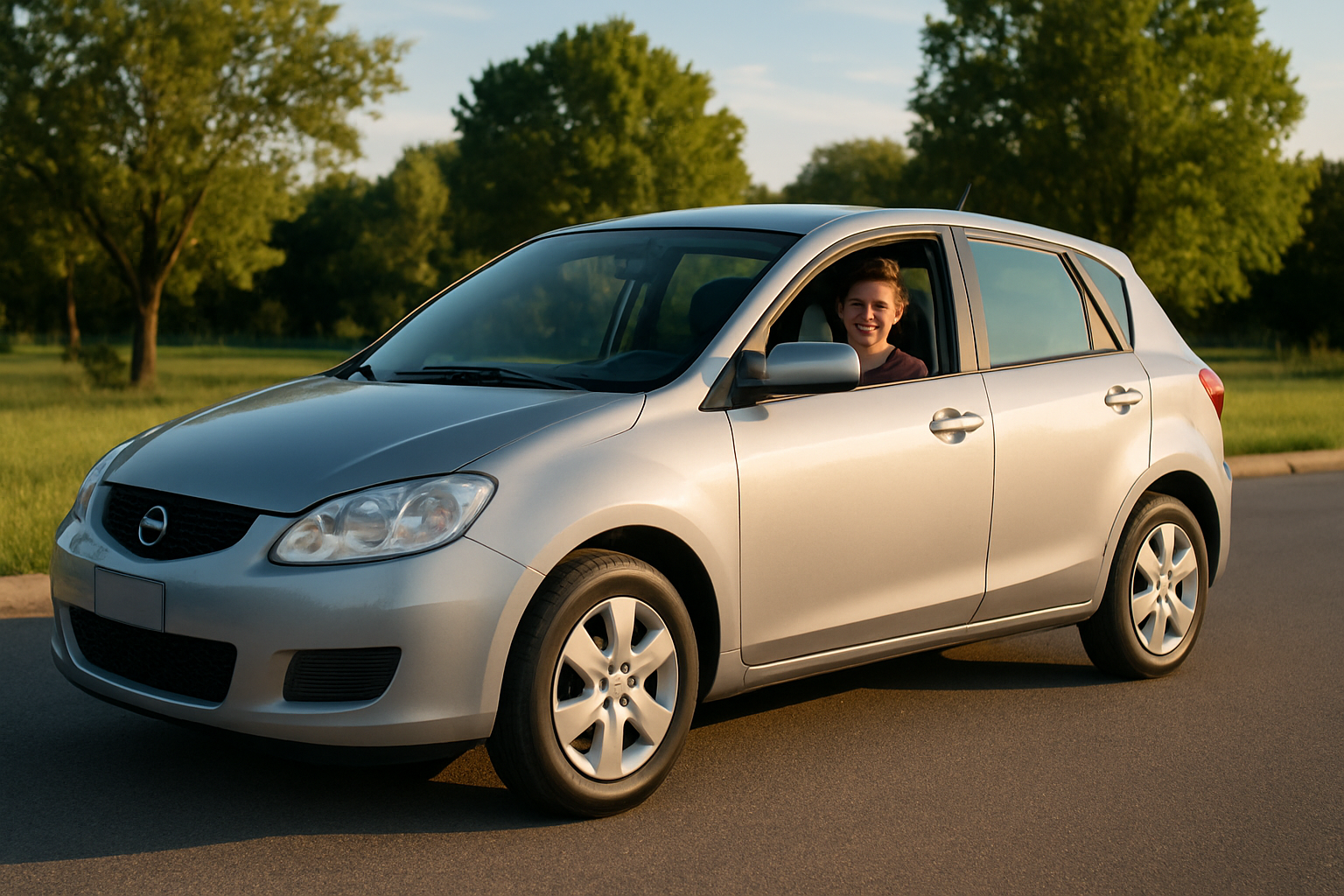
Choosing your teen’s first car feels like walking a tightrope between safety, reliability, and your wallet’s survival. You want something that’ll protect your new driver while not breaking the bank on monthly payments, insurance premiums, or unexpected repairs.
Finding that sweet spot isn’t impossible, though. Several reliable vehicles offer excellent safety ratings and reasonable ownership costs, making them perfect starter cars for nervous parents and excited teenagers alike.
What Makes a Good First Car for Teenagers
Your teenager’s first car needs to excel in three critical areas: safety, affordability, and reliability. Safety features protect inexperienced drivers from their own mistakes and other drivers’ poor decisions. Low insurance costs and reasonable purchase prices keep your budget intact. Reliability ensures your teen won’t get stranded and you won’t face constant repair bills.
The Insurance Institute for Highway Safety (IIHS) publishes annual lists of recommended vehicles for teen drivers, focusing on models with strong crash test performance and available safety features. These IIHS Top Safety Pick winners provide an excellent starting point for your search.
Top Budget-Friendly First Cars for Teen Drivers
2016-2019 Honda Civic
The Honda Civic earned IIHS Top Safety Pick+ status for several model years, combining excellent crash protection with Honda’s legendary reliability. You’ll find 2016-2017 models in the $15,000-$18,000 range, while 2018-2019 examples typically run $18,000-$22,000.
Honda Sensing comes standard on 2016+ models, providing automatic emergency braking, collision mitigation, and lane departure warning. These systems help inexperienced drivers avoid common teenage accidents like rear-ending stopped traffic or drifting out of lanes.
Insurance costs stay reasonable because Civics aren’t considered sporty cars by insurance companies. Parts availability is excellent, and most independent mechanics can service these vehicles affordably.
2017-2020 Subaru Outback
The Outback combines wagon practicality with standard all-wheel drive, making it ideal for families in snowy climates. IIHS named it a Top Safety Pick+ for multiple years, recognizing its strong crash protection and excellent headlight performance.
EyeSight driver assistance comes standard, providing adaptive cruise control, pre-collision braking, and lane keep assist. The higher seating position gives teen drivers better visibility of traffic situations developing around them.
Expect to pay $20,000-$25,000 for 2017-2018 models, with 2019-2020 examples running $23,000-$28,000. While slightly more expensive than compact cars, the Outback’s safety credentials and all-weather capability justify the premium for many families.
2014-2018 Mazda3
Mazda3 sedans and hatchbacks offer sporty handling without the insurance penalties of true sports cars. The 2014+ generation received IIHS Top Safety Pick awards, particularly models equipped with the optional i-ACTIVSENSE safety package.
You’ll find 2014-2016 Mazda3s for $12,000-$16,000, making them some of the most affordable cars on this list. The SkyActiv engines deliver excellent fuel economy, reducing your teen’s gas expenses.
Mazda’s build quality improved significantly with this generation, though you’ll still want to check maintenance records carefully. The infotainment system takes some getting used to, but mechanical reliability is generally strong.
2016-2019 Toyota Corolla
The Corolla’s reputation for reliability makes it a natural choice for teen drivers and budget-conscious parents. While it didn’t achieve Top Safety Pick status until the 2020 redesign, the 2017+ models with Toyota Safety Sense 2.0 offer solid protection.
Automatic emergency braking, lane departure alert, and automatic high beams come standard on 2017+ models. These features help compensate for teenage drivers’ tendency toward distraction and inexperience.
Pricing runs $14,000-$18,000 for 2016-2018 models, with excellent resale value retention. Toyota’s widespread dealer network means service and parts availability won’t be issues anywhere in the country.
2015-2019 Volkswagen Golf
The Golf combines European build quality with practical hatchback versatility. IIHS recognized multiple model years as Top Safety Pick winners, particularly when equipped with optional LED headlights and automatic emergency braking.
The turbocharged 1.4L engine provides peppy performance while delivering excellent fuel economy. Interior quality exceeds most vehicles in this price range, with solid materials and good ergonomics.
Used Golf prices typically range from $13,000-$19,000 depending on year and mileage. Maintenance costs run slightly higher than Japanese competitors, but reliability has improved significantly compared to older VW models.
Safety Features to Prioritize
Automatic Emergency Braking
This technology can prevent or reduce the severity of rear-end collisions, which represent a significant portion of teenage driver accidents. The system uses radar or cameras to detect stopped or slowing traffic ahead, applying brakes if the driver doesn’t respond.
Different manufacturers use various names for this technology: Honda calls it Collision Mitigation Braking, Toyota uses Pre-Collision System, and Subaru terms it Pre-Collision Braking.
Blind Spot Monitoring
Teenage drivers often struggle with proper mirror adjustment and consistent shoulder checking. Blind spot monitoring systems provide visual or audible warnings when vehicles occupy adjacent lanes during lane changes.
This feature becomes particularly valuable during the first months of independent driving when your teen is still developing good scanning habits and spatial awareness.
Electronic Stability Control
All vehicles manufactured after 2012 include electronic stability control as standard equipment. This system helps prevent skids and rollovers by automatically applying individual wheel brakes and reducing engine power when it detects loss of control.
ESC is particularly important for teenage drivers who may not yet have experience recovering from emergency situations or driving in adverse weather conditions.
Insurance Cost Considerations
Insurance premiums for teenage drivers are notoriously expensive, but your vehicle choice significantly impacts these costs. Insurers consider factors like theft rates, repair costs, safety equipment, and accident statistics when setting premiums.
Sedans and wagons typically cost less to insure than SUVs or trucks. Vehicles with strong safety ratings and theft-deterrent systems also receive premium discounts from many insurers.
Before finalizing any purchase, contact your insurance agent for quotes on specific vehicles you’re considering. Premium differences can be substantial enough to influence your buying decision.
Reliability and Maintenance Factors
Teenage drivers aren’t known for meticulous vehicle maintenance, so choosing a car that tolerates some neglect becomes important. Toyota and Honda models generally top reliability surveys, while brands like Hyundai and Kia have improved significantly in recent years.
Consider maintenance costs beyond just reliability ratings. European brands like BMW and Mercedes typically require more expensive parts and specialized service, even when they’re mechanically sound.
Research common problems for any model you’re considering. Online forums and reliability databases like Consumer Reports provide valuable insight into typical repair needs and costs.
What to Avoid in Teen First Cars
High-Performance Vehicles
Teenage drivers lack the experience necessary to handle powerful cars safely. Sports cars, muscle cars, and high-performance trucks combine dangerous power levels with expensive insurance premiums and maintenance costs.
Even seemingly innocent vehicles can be problematic. A manual transmission Civic Si might look like a practical Honda, but insurance companies rate it as a sports car with corresponding premium increases.
Very Old Vehicles
While that 15-year-old sedan might look like a bargain, older cars often lack modern safety features that can prevent accidents or reduce injury severity. They’re also more likely to break down, potentially leaving your teen stranded.
Vehicles manufactured before 2010 may not include stability control, advanced airbag systems, or other safety technologies that are now considered essential.
Luxury Brands
Premium brands typically require expensive parts, specialized service, and premium fuel. Even reliable luxury cars like Lexus models cost significantly more to maintain than their Toyota counterparts.
The complexity of luxury vehicle systems also means more potential failure points and higher diagnostic costs when problems occur.
Buying Tips for Parents
Get a Pre-Purchase Inspection
Have any used vehicle inspected by a qualified mechanic before purchase. This inspection should include checking the engine, transmission, brakes, suspension, and safety systems. The $100-150 inspection cost can save thousands in unexpected repairs.
Pay particular attention to maintenance records and accident history. A well-maintained vehicle with regular oil changes and scheduled service will serve your teen much better than a neglected car, regardless of brand reputation.
Consider Certified Pre-Owned Programs
Manufacturer certified pre-owned vehicles undergo thorough inspections and come with extended warranties. While they cost more than regular used cars, the additional protection and peace of mind can be valuable for first-time car buyers.
CPO programs vary significantly between manufacturers, so research what’s included in the warranty and inspection process before paying the premium.
Budget for Additional Costs
The purchase price is just the beginning of car ownership costs. Budget for registration fees, sales tax, insurance premiums, regular maintenance, and unexpected repairs. A good rule of thumb is to set aside $1,000-2,000 annually for maintenance and repairs on a used vehicle.
Teen drivers are more likely to experience minor accidents, so consider whether you want comprehensive and collision coverage. This protection increases insurance costs but can save thousands if your teen backs into a pole or gets rear-ended.
Teaching Responsible Ownership
Getting your teen’s first car is an excellent opportunity to teach financial responsibility and vehicle maintenance. Consider requiring your teenager to pay for gas, insurance, or maintenance to help them understand the true cost of car ownership.
Establish clear rules about vehicle use, passengers, and consequences for traffic violations or accidents. Many families find that signed agreements help set expectations and reduce conflicts later.
Teach basic maintenance tasks like checking oil, monitoring tire pressure, and recognizing warning signs of mechanical problems. These skills will serve your teen well throughout their driving life.
Frequently Asked Questions
Should I buy new or used for my teen’s first car?
Used vehicles make more financial sense for most families. Teenagers are statistically more likely to have accidents, and parking lot dings are almost inevitable. A 3-5 year old used car provides modern safety features without the steep depreciation hit of buying new.
How many miles are too many for a teen’s first car?
Focus on maintenance history rather than just odometer readings. A well-maintained car with 80,000 miles will be more reliable than a neglected vehicle with 40,000 miles. Most modern vehicles can easily exceed 150,000 miles with proper care, so don’t automatically exclude higher-mileage examples.
Is all-wheel drive worth the extra cost?
All-wheel drive provides significant safety benefits in snow and ice, but it increases purchase price, fuel consumption, and maintenance costs. If you live in an area with harsh winters, AWD might be worth the investment. In milder climates, good tires and electronic stability control provide adequate traction for most conditions.
Should I let my teen help choose their first car?
Involving your teenager in the selection process helps them understand the compromises involved in car buying and increases their appreciation for the vehicle. However, parents should maintain final approval to ensure safety and budget requirements are met. Let them choose between parent-approved options rather than giving unlimited choice.
This article contains affiliate links. If you purchase through these links, we may earn a small commission at no extra cost to you.

Leave a Reply