
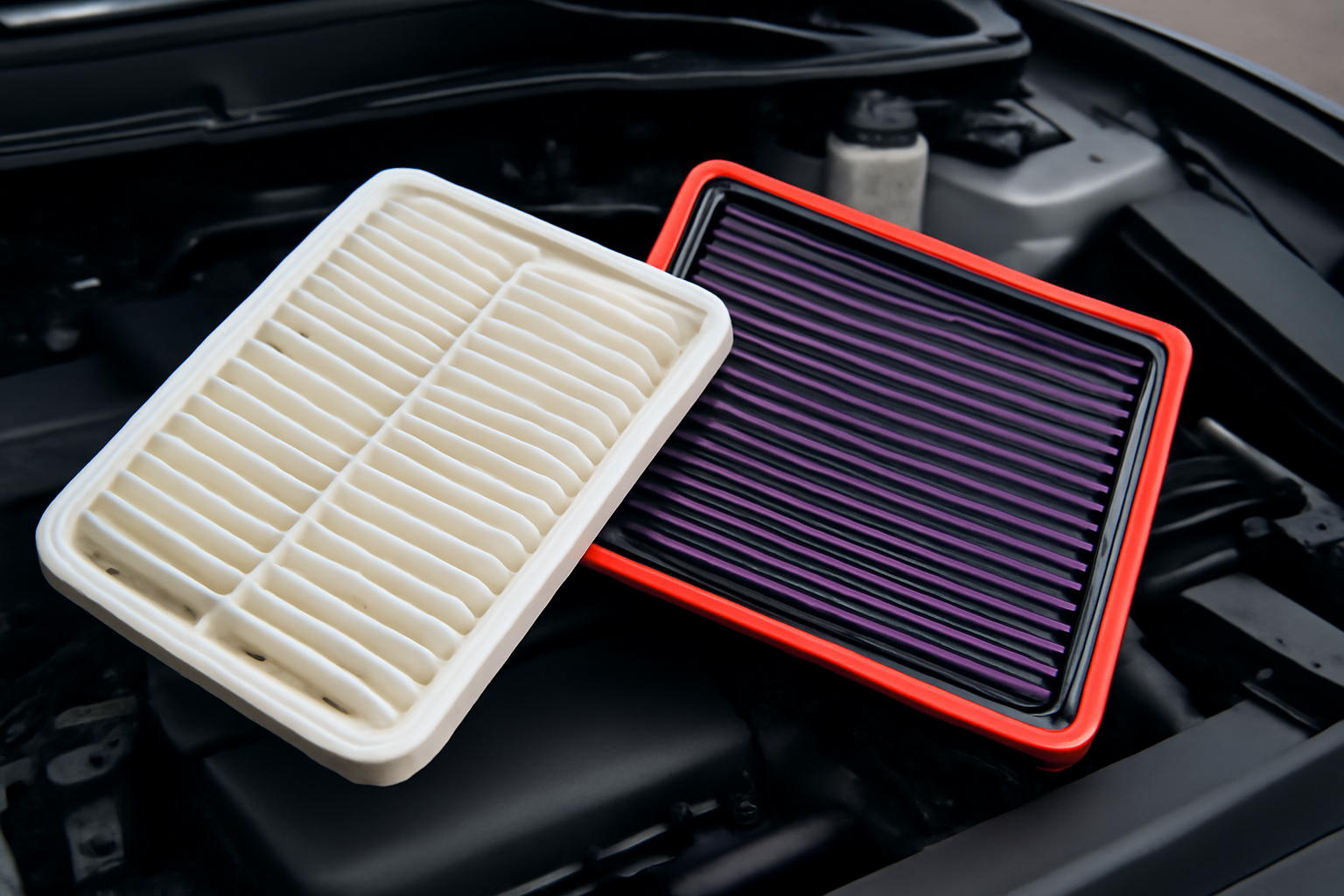
Your engine air filter prevents dirt, dust, and debris from entering the combustion chamber. A clogged filter restricts airflow, forcing the engine to work harder and reducing both performance and fuel economy. Replacing it is one of the easiest maintenance tasks on any car.
OEM vs. Performance Air Filters
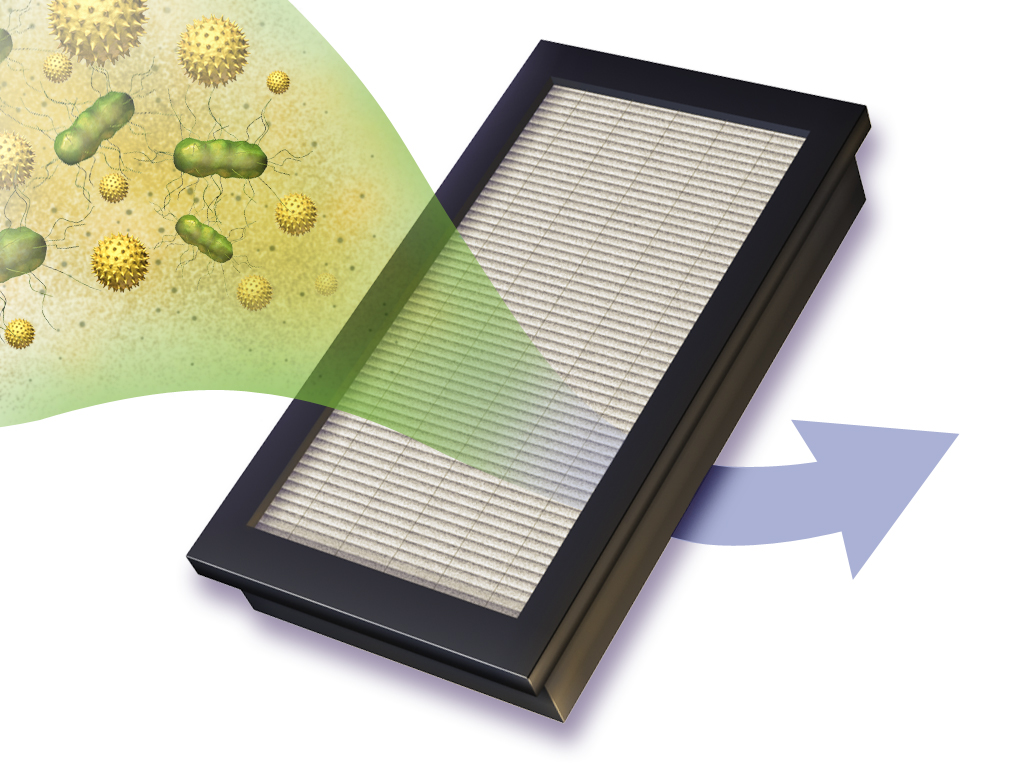
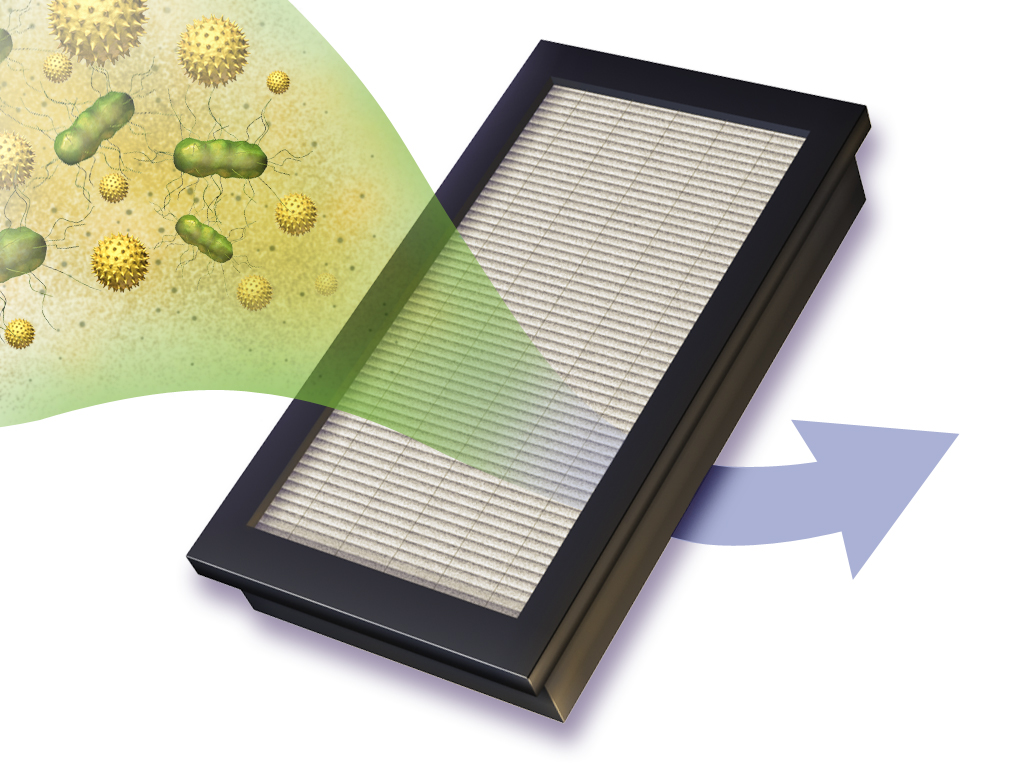
OEM replacement filters match the factory specifications for filtration and airflow. They’re designed to balance engine protection with adequate airflow for the rated power output. For most daily drivers, an OEM-spec filter is all you need.
Performance filters, like those from K&N, use oiled cotton or synthetic media that flows more air than paper filters. They can provide a modest increase in horsepower (typically 1 to 4 HP on naturally aspirated engines) and are washable and reusable for the life of the vehicle.
Top Engine Air Filters for 2026
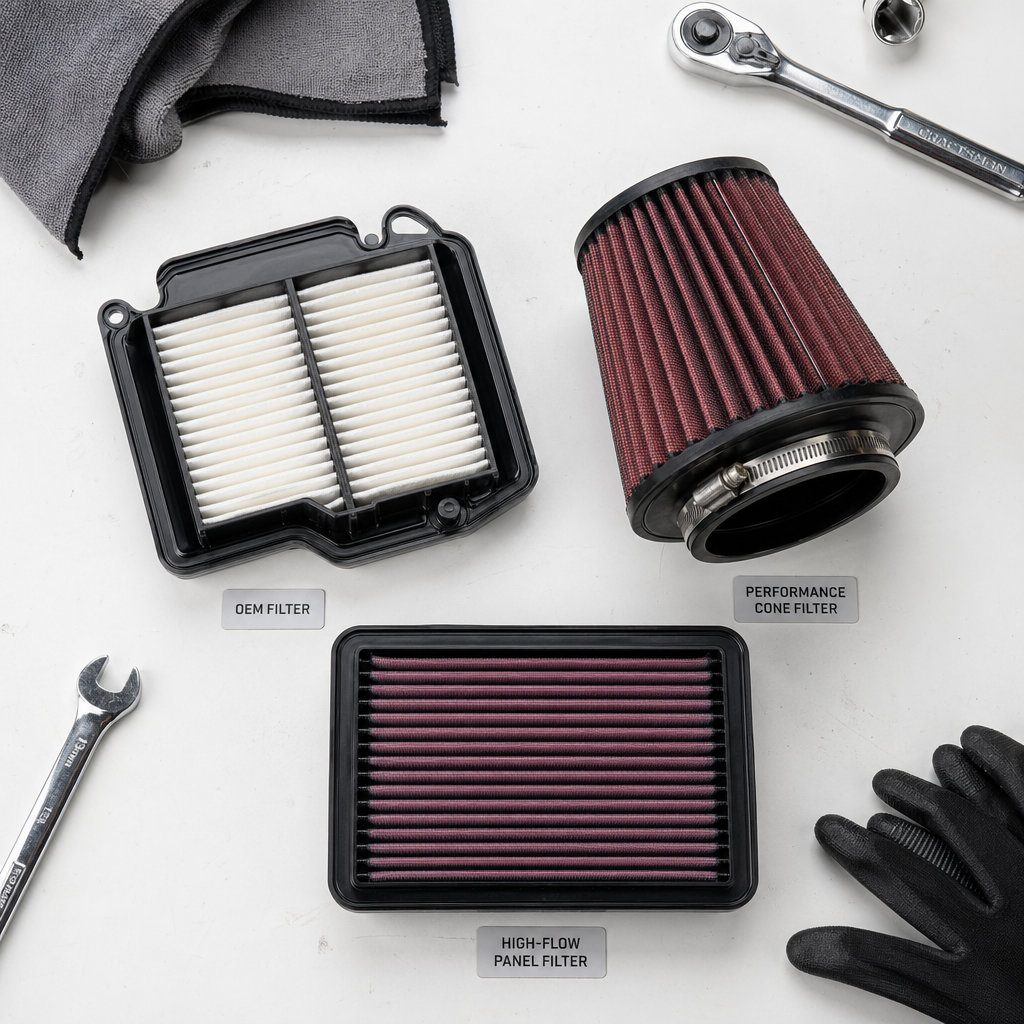
K&N Reusable Engine Air Filter (Best Performance)
The K&N air filter is the most recognized performance filter on the market. The oiled cotton gauze media captures particles while flowing significantly more air than paper alternatives. It’s washable and comes with a million-mile limited warranty.

K&N Reusable Engine Air Filter
Best performance option with washable design and million-mile warranty
Every 25,000 to 50,000 miles, clean it with K&N’s filter cleaner kit and re-oil it. The filter pays for itself within two replacement cycles compared to disposable filters.
Mann Engine Air Filter (Best OEM Replacement)
Mann filters are OEM suppliers for many European manufacturers and deliver factory-equivalent filtration. Mann air filters are a reliable choice for anyone who wants to maintain factory specs without paying dealer prices.

Mann Engine Air Filter
Best OEM replacement that matches factory specifications
Fram Extra Guard (Best Budget)
The Fram Extra Guard is widely available and fits most popular vehicles. It’s a standard paper filter that provides reliable filtration at an affordable price point. Replace it every 12,000 to 15,000 miles.
How to Replace the Engine Air Filter
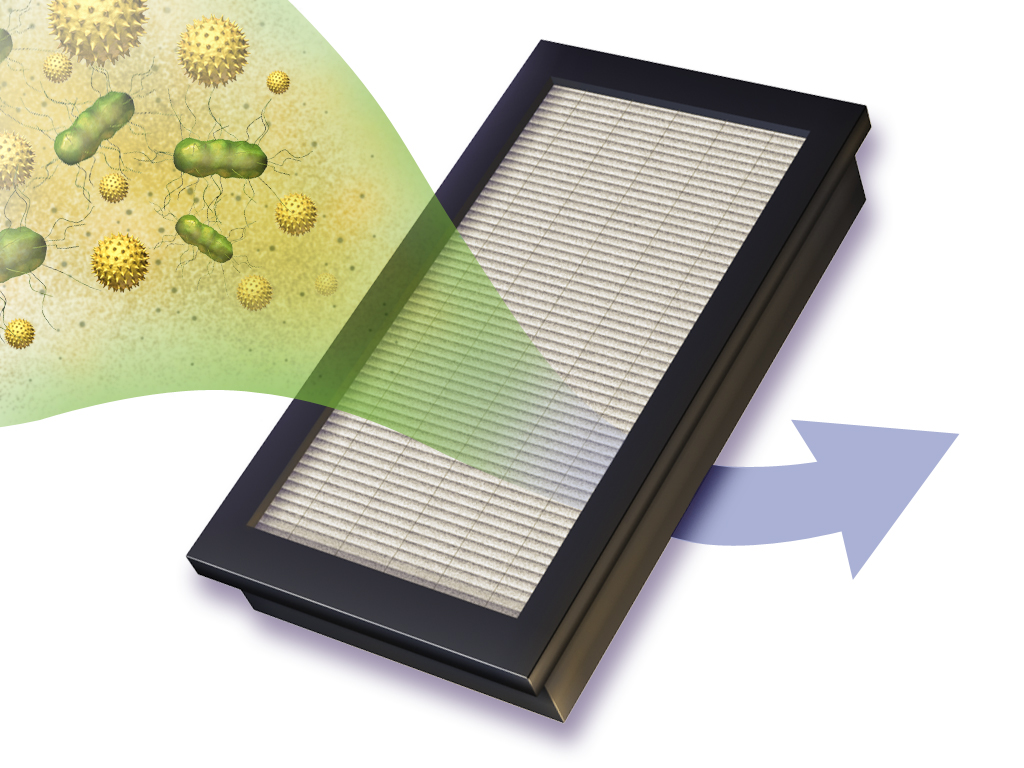
Open the airbox housing (usually held by clips or screws on top of the engine). Remove the old filter, wipe any debris from the housing with a damp cloth, drop in the new filter with the seal facing down, and close the housing. The entire job takes about 60 seconds.
When installing a new filter, make sure it seats evenly in the housing. A filter that’s not properly seated allows unfiltered air to bypass the media and enter the engine. This is a simple maintenance task that you can easily do yourself, similar to replacing your engine air filter.
MPG Improvement
On older carbureted engines, a clean air filter could improve fuel economy by up to 10%. Modern fuel-injected engines compensate for a dirty filter by adjusting the fuel mixture, so the MPG improvement is smaller (typically 1% to 3%). The bigger benefit on modern engines is maintaining full acceleration power and responsiveness.
If you’re experiencing reduced acceleration or engine hesitation during acceleration, a clogged air filter could be part of the problem.
Frequently Asked Questions
How often should I replace the engine air filter?
Every 15,000 to 30,000 miles for disposable filters, or more frequently if you drive on dirt or gravel roads. Reusable filters like K&N should be cleaned every 25,000 to 50,000 miles.
Can a dirty air filter cause a check engine light?
Indirectly, yes. A severely restricted filter can alter the air-fuel mixture enough to trigger a lean condition code or affect the mass airflow sensor reading. Replacing the filter often resolves these codes.
Do performance air filters void the warranty?
Under the Magnuson-Moss Warranty Act, a dealer must prove that an aftermarket part caused a failure before denying a warranty claim. A quality air filter is unlikely to cause engine damage, but it’s worth keeping the original filter in case of disputes.
What’s the difference between a performance filter and a standard paper filter?
Performance filters use oiled cotton or synthetic media that flows more air than paper filters. They typically add 1 to 4 horsepower on naturally aspirated engines and can be washed and reused. Standard paper filters are disposable but maintain factory specifications for filtration and airflow.
This article contains affiliate links. We may earn a small commission at no extra cost to you.

Leave a Reply