
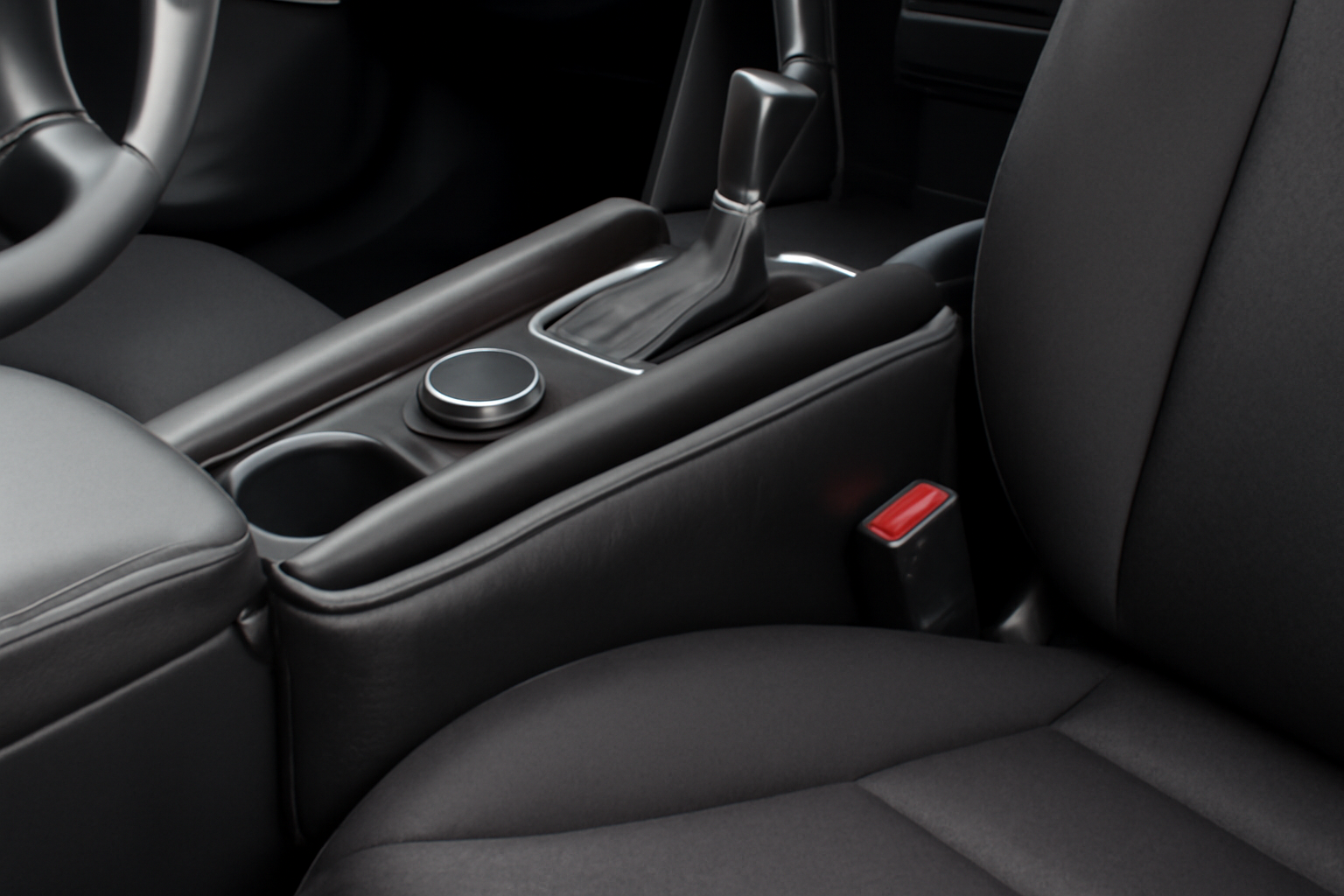
That narrow gap between your car seat and the center console is a black hole for phones, keys, coins, and french fries. Reaching down to fish something out while driving is distracting and dangerous, and some items slide so far down they require moving the seat to retrieve.
Seat gap fillers are a simple fix. They block the gap and keep your belongings where you can actually reach them.
What Makes a Good Seat Gap Filler
The best gap fillers fit snugly without shifting around, don’t interfere with seat adjustments, and look like they belong in your car. Material matters: neoprene and leatherette fillers conform to the gap shape and match most interiors. Rigid plastic fillers work but tend to pop out if the gap width changes as you adjust the seat.
Universal-fit fillers work on most vehicles, but the gap between the seat and console varies by make and model. Measure your gap before ordering. Most gaps run between 1 and 2.5 inches wide.
Best Overall: Drop Stop Seat Gap Filler
The Drop Stop is the original seat gap filler and still one of the best. It wraps around the seat belt buckle to stay anchored, compresses to fit different gap widths, and moves with the seat when you adjust your position. The neoprene material is durable and blends in with dark interiors.
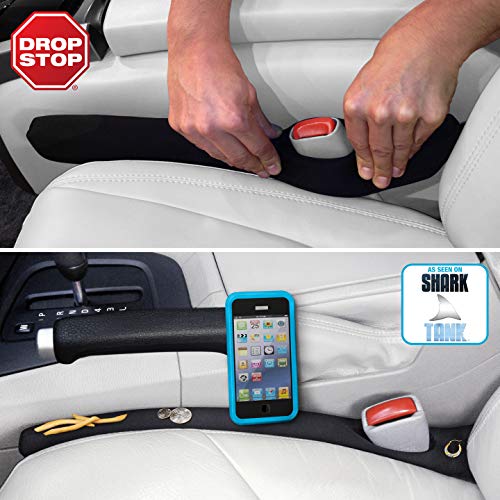
Drop Stop Seat Gap Filler
Wraps around the seat belt buckle to stay anchored and moves with your seat adjustments
Best with Storage: Console Side Pocket Organizer
Some gap filler organizers add small pockets or slots that hold your phone, cards, or sunglasses. They serve double duty as both a gap blocker and a storage solution. Look for versions with a non-slip base and soft materials that won’t scratch leather or vinyl seats.
The downside of organizer-style fillers is that they can look bulky in some vehicles and may not fit as cleanly around the seat belt buckle. If aesthetics matter to you, a simple filler without storage looks more factory-installed.
Car Seat Gap Filler Organizer
Adds storage pockets for phones and cards while blocking the gap
Installation Tips
Thread the seat belt buckle through the filler before pressing it into the gap. This anchors the filler and prevents it from sliding forward or backward as you get in and out of the car. Push it down firmly until it sits flush with the top of the seat cushion.
Most fillers come in pairs (driver and passenger side). Install both even if you primarily care about the driver’s side. The passenger gap collects just as much debris over time.
Whether you’re securing car seats for your kids or just trying to keep your daily commute organized, these simple accessories can make your vehicle feel cleaner and more functional. If you’re looking for vehicles with spacious interiors for family use, proper organization becomes even more important.
Frequently Asked Questions
Will seat gap fillers work with heated or ventilated seats?
Yes. Gap fillers sit along the edge of the seat and don’t cover the heating or ventilation elements. They don’t affect seat temperature performance.
Do gap fillers interfere with seat belt buckles?
Good designs like the Drop Stop wrap around the buckle, keeping it accessible. Avoid rigid fillers that sit on top of the buckle hardware, as they can make latching difficult.
Can I use a rolled-up towel instead?
You can, but towels shift around, look messy, and don’t anchor to the seat belt. They also compress unevenly and leave small gaps where items can still slip through.
Are seat gap fillers universal or vehicle-specific?
Most gap fillers are universal-fit and work on a wide range of vehicles. However, gap widths vary by make and model, so measure your gap before ordering to ensure a proper fit.


Leave a Reply