
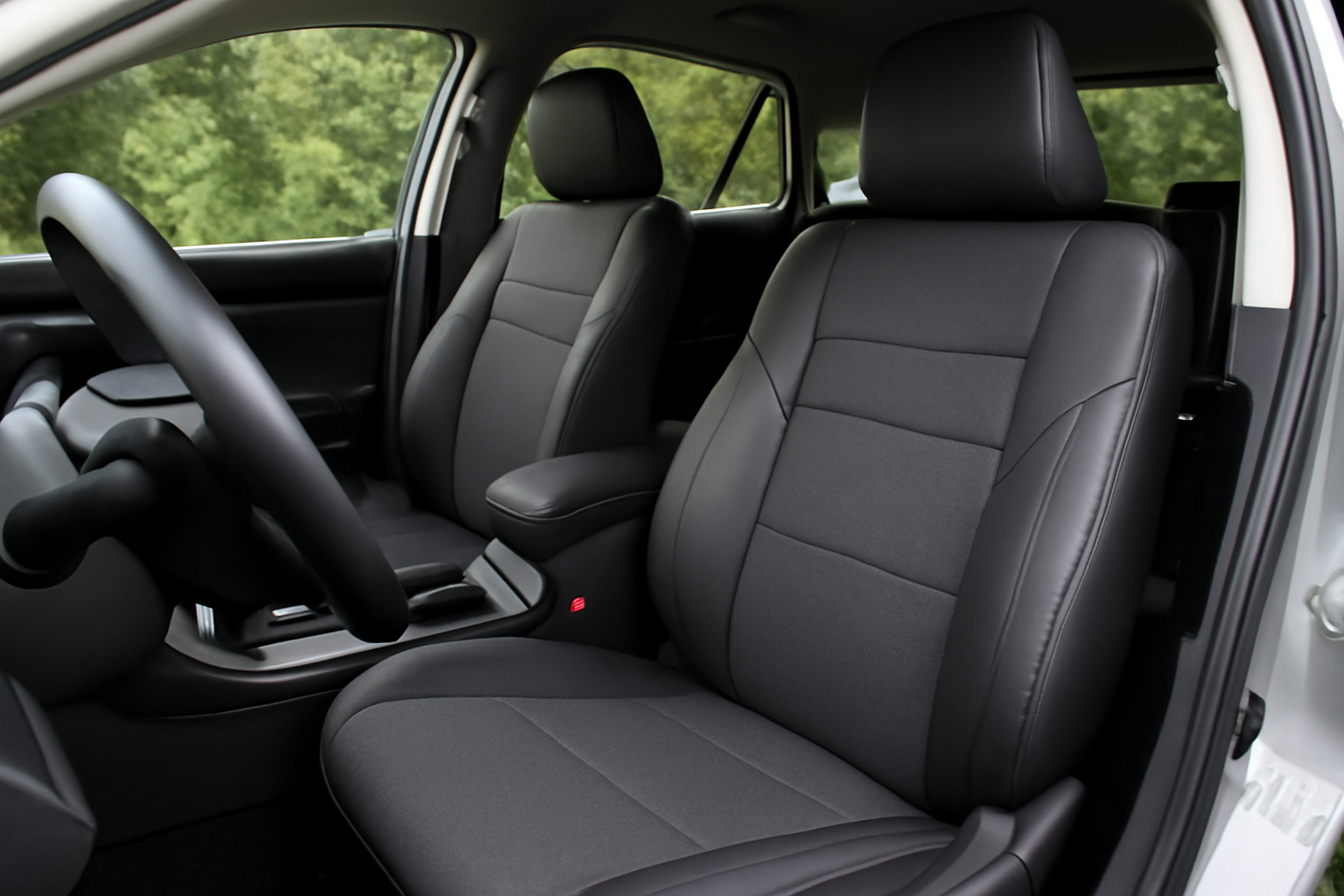
Your car’s seats take a beating from daily commutes, kids, pets, coffee spills, and UV exposure. Quality seat covers protect the original upholstery and can completely transform a worn interior without the cost of reupholstering.
This guide compares the best seat covers for 2026 vehicles across material types, fit options, and installation difficulty.
Types of Seat Cover Materials
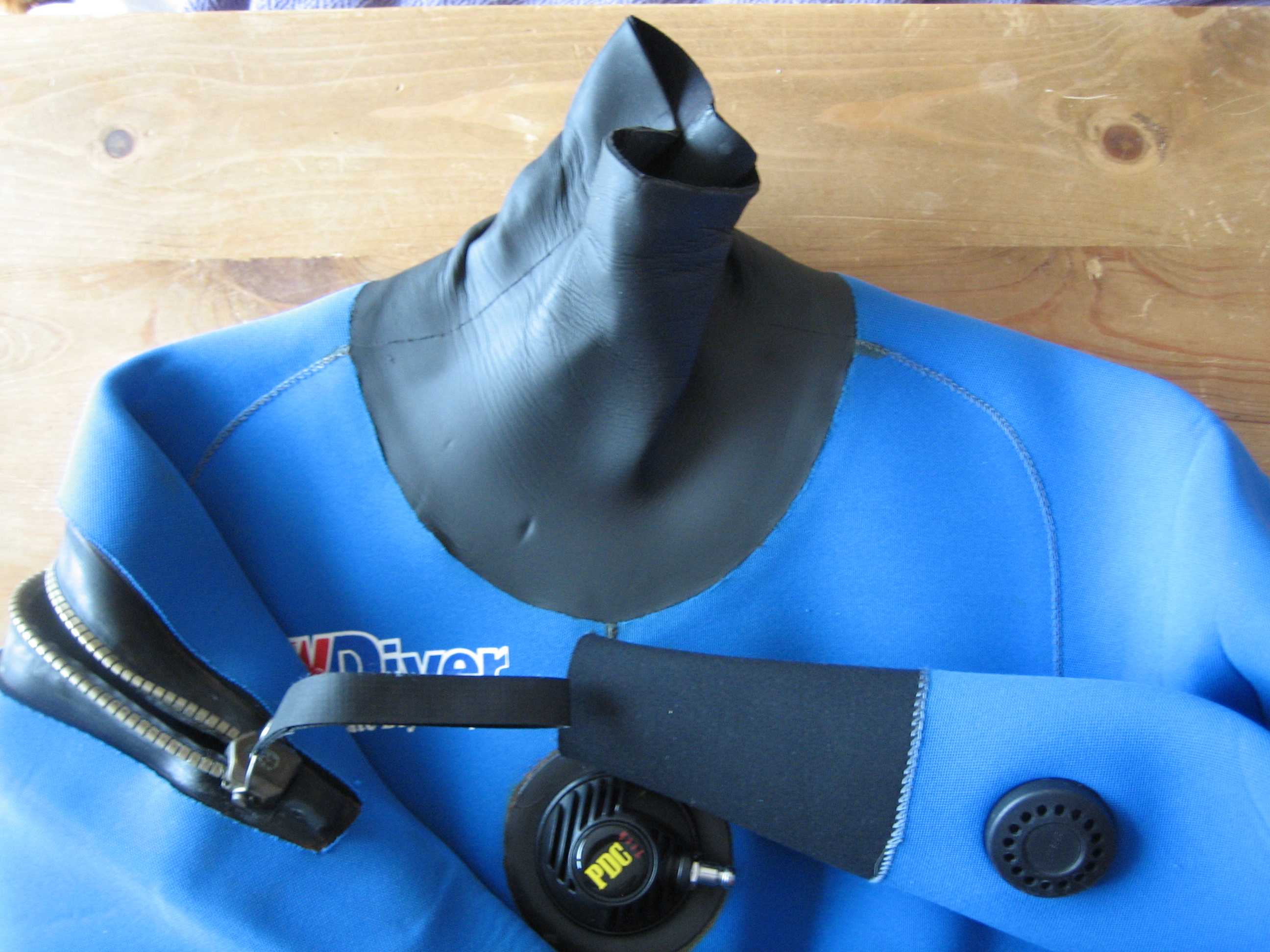
Neoprene
Neoprene (the same material used in wetsuits) is water-resistant, durable, and comfortable in both hot and cold weather. It’s the top choice for active lifestyles, pet owners, and anyone who regularly deals with wet gear.
Neoprene seat covers typically last 3 to 5 years with regular use.

Neoprene Seat Covers
Best all-around protection for active lifestyles and pet owners
Leatherette (Faux Leather)
Leatherette gives you the look of genuine leather at a fraction of the cost. It wipes clean easily and resists stains well.
The downside is that it can get hot in direct sunlight and doesn’t breathe as well as fabric options. Quality leatherette covers use perforated panels to improve airflow.
Canvas and Cordura
Heavy-duty canvas and Cordura covers are built for work trucks and off-road vehicles. They handle mud, grease, and tools without showing wear.
If your seats see serious abuse, canvas seat covers are the most rugged option available. These are particularly popular with owners of trucks that hold their value who want to keep the interior pristine.

Heavy-Duty Canvas Seat Covers
Best choice for work trucks and off-road vehicles
Mesh and Polyester
Breathable mesh covers are the most affordable option and work well in hot climates. They’re lightweight, machine-washable, and easy to install.
They won’t last as long as neoprene or canvas, but they’re simple to replace when they wear out.
Universal vs. Custom-Fit Covers
Universal covers fit a range of seat sizes but rarely look factory-installed. They tend to slip, bunch up, and leave gaps around headrests and armrests.
They’re fine as temporary protection or for older vehicles where appearance isn’t a priority. If you’re working with budget-friendly used cars or first cars for teens, universal covers can extend the life of worn seats.
Custom-fit covers are made for your specific vehicle’s seat dimensions and account for side airbags, armrest cutouts, and headrest shapes. They cost more but look dramatically better and stay in place.
For 2026 vehicles, custom-fit is worth the investment.

Airbag Compatibility
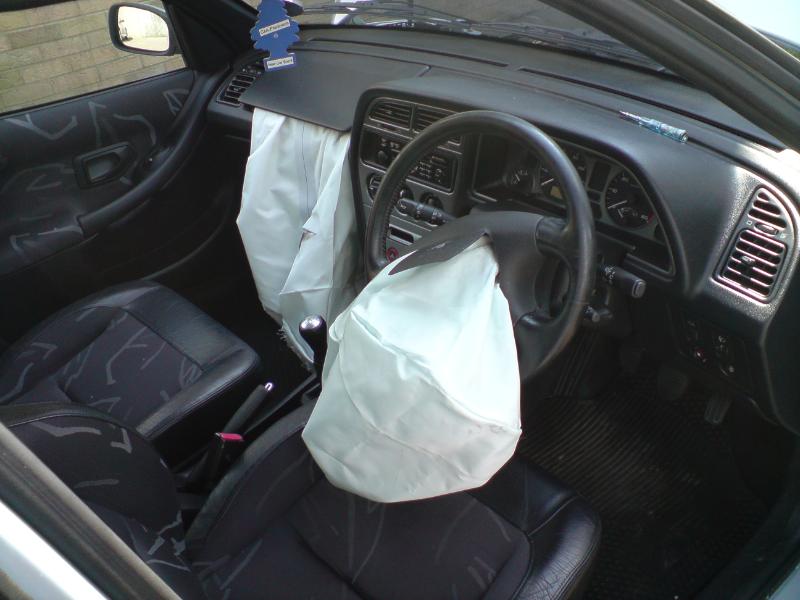
This is non-negotiable. If your vehicle has side airbags in the seats (most 2026 models do), your seat covers must have reinforced seams or designated tear points in the airbag deployment zone.
Covers that block airbag deployment are a serious safety hazard.
Look for covers that explicitly state “airbag compatible” or “SRS approved” in the product description. Custom-fit covers from reputable brands almost always include this feature. Cheap universal covers often don’t.
Installation Tips
Start with the backrest cover, not the seat bottom. Slide it over the top and work it down, pulling the material tight as you go.
Most covers have elastic edges, hooks, or straps that anchor under the seat.
Headrest covers install separately. Remove the headrest by pressing the release button at the base of the posts, slide the cover on, and reinstall.
For the best fit, work the cover into the seams and creases of the seat using a credit card or plastic trim tool.
Set aside about 30 to 45 minutes per seat for the first installation. The process gets faster once you’ve figured out the routing for straps and hooks.
Top Picks for 2026
For everyday protection with a premium look, the waterproof car seat covers with a leatherette exterior and neoprene backing offer the best balance of durability and style.
For trucks and work vehicles, heavy-duty canvas covers handle the toughest conditions without complaint.
Families who need to accommodate multiple car seats should prioritize custom-fit covers with reinforced stitching around high-wear areas.

Waterproof Leatherette/Neoprene Covers
Top pick for premium look with maximum protection
Frequently Asked Questions
Will seat covers damage my original upholstery?
Quality covers actually protect your upholstery from UV damage, stains, and wear. Poorly fitting covers with rough backing material can cause minor friction wear over several years, but this is rare with reputable products.
Can I use seat covers with heated seats?
Yes, most modern seat covers are thin enough for heat to transfer through. Neoprene and thin polyester work well with heated seats.
Thick sheepskin or heavy canvas may reduce heat transfer noticeably.
How do I clean seat covers?
Most fabric and neoprene covers are machine-washable on a gentle cycle. Leatherette covers wipe clean with a damp cloth.
Canvas covers can be hosed off and air-dried. Always check the manufacturer’s care instructions first.
Are seat covers worth it for older vehicles?
Absolutely. Seat covers can revive the interior of older vehicles and make them more comfortable for daily use. Even if you’re dealing with high-mileage vehicles, quality covers can add years of life to worn seats.
Leave a Reply