
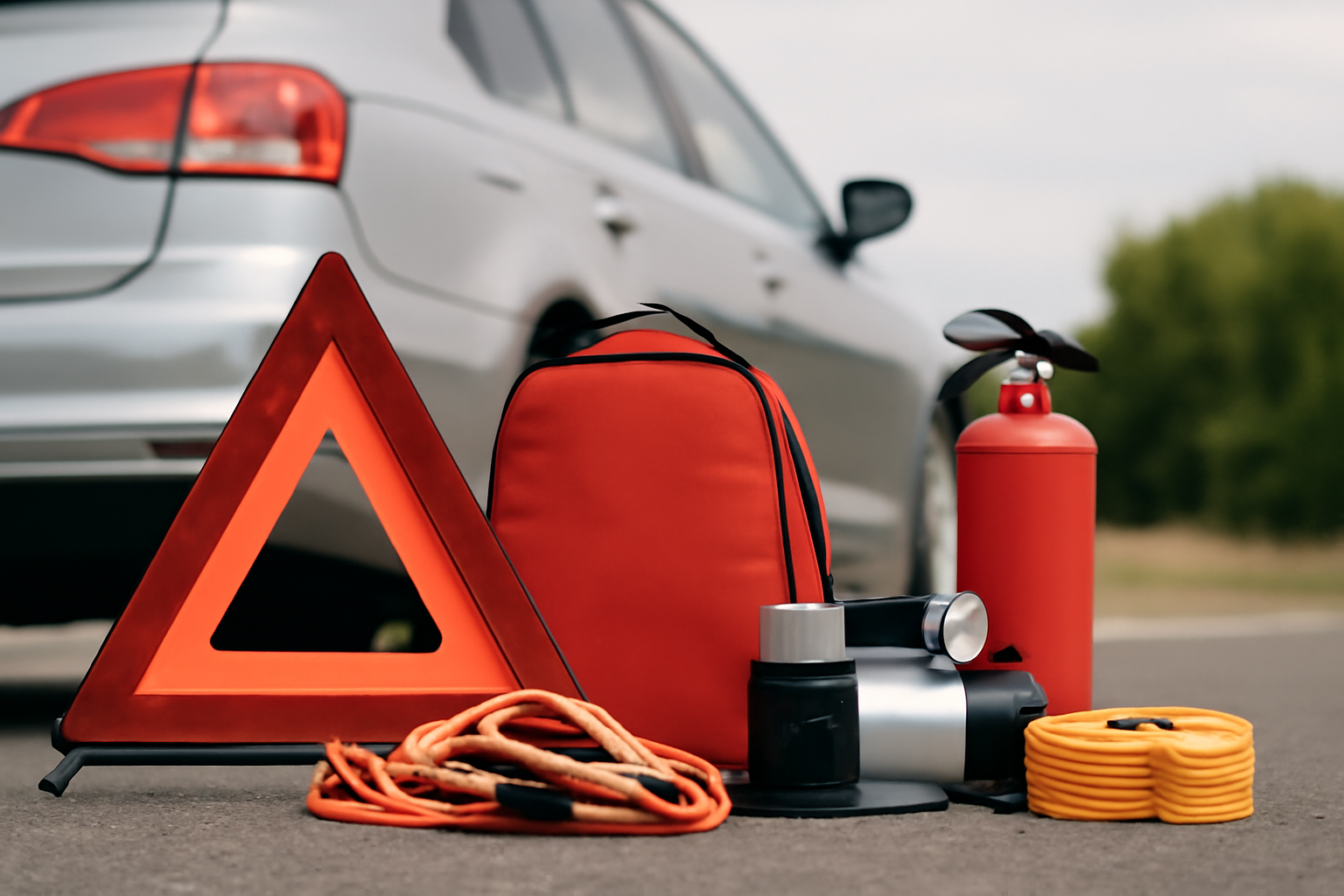
A roadside emergency kit is one of those things that sits in your trunk doing nothing until the one time you desperately need it. A dead battery, a flat tire, a breakdown on a rural highway, or getting stuck in unexpected weather can turn a minor inconvenience into a dangerous situation without the right supplies.
Whether you buy a pre-assembled kit or build your own, having the right gear can make the difference between a quick fix and hours stranded on the roadside. This guide covers what to look for in a quality emergency kit and reviews the best options for 2024.
What Every Kit Should Include
Pre-assembled emergency kits vary in quality, but a good one covers these essentials: jumper cables or a portable jump starter, a flashlight with extra batteries, reflective warning triangles or flares, a first-aid kit, a basic tool set (pliers, screwdrivers, adjustable wrench), a tire pressure gauge, work gloves, and a rain poncho.
For winter driving, add a blanket, hand warmers, a small shovel, and an ice scraper. For long-distance travel, include water bottles, non-perishable snacks, and a phone charging cable.
The specific items you need depend on your climate and typical driving conditions. Long-distance commuters and families taking frequent road trips should pack more extensively than someone who only drives around town.
Best Pre-Assembled Kit: Lifeline AAA Premium Road Kit

Lifeline AAA Premium Road Kit
AAA-vetted kit with over 40 pieces of practical roadside essentials, no filler items
The Lifeline AAA Premium Road Kit includes over 40 pieces of roadside essentials packed in a soft-sided carrying case. It covers jumper cables, first-aid supplies, a flashlight, basic tools, and reflective gear.
The AAA branding means the kit contents are vetted for practical use rather than packed with filler items. You get functional jumper cables instead of the flimsy wire you find in cheaper kits, and the first-aid supplies meet federal standards.
This kit works well for families with larger vehicles where trunk space isn’t an issue. The soft case keeps everything organized and easy to find when you need it.
Best Budget Kit: HAIPHAIK Emergency Roadside Kit
HAIPHAIK Emergency Roadside Kit
Budget-friendly starter kit covering core essentials, easy to supplement with climate-specific items
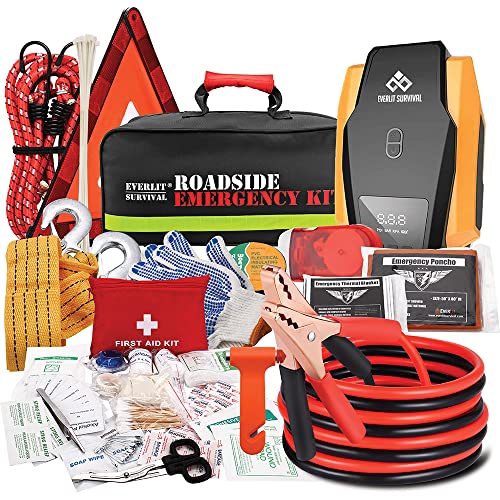
For a basic kit at a lower price point, the HAIPHAIK roadside kit covers the core essentials without unnecessary extras. It includes jumper cables, a tow rope, reflective vest, rain poncho, and a basic tool set.
This is a solid starting point that you can supplement with items specific to your climate and driving habits. The compact size fits easily in sedans and smaller vehicles where trunk space is limited.
Building Your Own Kit
If you’d rather customize, start with these priority items:
- Portable jump starter (more useful than cables since you don’t need another car).
- Tire inflator with a 12V plug. A small portable compressor can get a low tire drivable without swapping to a spare.
- LED flashlight and headlamp. A headlamp keeps your hands free for repairs.
- Reflective triangles (legally required in some states if stopped on the highway).
- First-aid kit with bandages, antiseptic, and any personal medications.
- Multi-tool or basic socket set.
- Duct tape and zip ties. Temporary fixes for hoses, trim pieces, and wire management.
Store everything in a durable bag or hard case that stays organized in your trunk. Loose items scattered around the cargo area are hard to find when you need them in the dark.
Building your own kit gives you control over quality. You can invest in a better jump starter or flashlight than what comes in pre-assembled kits, then fill in the rest with budget basics.
Seasonal Additions
Summer Driving
Summer kits benefit from extra water, sunscreen, and a wide-brim hat. Summer breakdowns in hot climates can become health emergencies quickly without hydration.
Engine overheating is more common in summer, so carrying extra coolant and engine oil makes sense if you drive an older vehicle.
Winter Driving
Winter kits should include a thermal blanket, hand and body warmers, a small bag of kitty litter or sand (for traction on ice), and a folding shovel. If you drive in areas prone to heavy snow, tire chains or traction boards are worth carrying.
A full-size ice scraper and brush combo beats the compact versions that come in most pre-assembled kits. Add extra windshield washer fluid rated for freezing temperatures.
Additional Items Worth Considering
Beyond the basics, a few extras can handle specific situations:
- Portable air compressor for tire inflation without needing a gas station
- Tow strap or recovery rope if you drive off-road or in rural areas
- Window breaker and seatbelt cutter for emergencies
- Work light or magnetic LED panel for hands-free illumination
- Spare fuses matching your vehicle’s fuse box
Check your vehicle’s owner’s manual for the correct fuse sizes. Carrying a few spares can solve electrical issues that strand you with a dead fuel pump or non-working lights.
Maintenance and Storage Tips
Check your emergency kit twice a year, ideally at the start of summer and winter. Replace expired first-aid supplies, check flashlight batteries, verify your jump starter is charged, and swap out any water or food items.
Store the kit in your trunk where it won’t slide around during normal driving. Some people prefer a hard case to prevent crushing, while others like soft bags that squeeze into awkward spaces.
Keep a paper copy of your roadside assistance number and insurance card in the kit. When your phone dies, you’ll appreciate having backup contact information.
What to Skip
Some items in pre-assembled kits sound useful but rarely get used:
- Cheap multitools that break on first use
- Generic bungee cords when you need recovery straps
- Tiny first-aid kits with only a few bandages
- Plastic rain ponchos that tear immediately
Don’t let weak components give you false confidence. A kit with substandard jumper cables is worse than no kit at all because you think you’re prepared when you’re not.
Frequently Asked Questions
How often should I check my emergency kit?
Twice a year works well for most drivers. Check at the start of summer and winter to replace expired first-aid supplies, verify flashlight batteries, confirm your jump starter is charged, and swap out any water or food items. Seasonal checks also remind you to add climate-specific gear like blankets for winter or extra water for summer.
Should I carry a fire extinguisher in my car?
A small, automotive-rated fire extinguisher (1 to 2 lbs, rated B:C or ABC) is a worthwhile addition. Vehicle fires can escalate quickly, and having an extinguisher gives you a chance to contain a small engine bay fire before it spreads. Mount it securely where you can reach it quickly, not buried in your trunk.
Do I still need an emergency kit if I have roadside assistance?
Yes. Roadside assistance can take 30 minutes to several hours to arrive, especially in rural areas. Having your own supplies keeps you safe and visible while you wait, and many situations (low tire, dead battery) are faster to handle yourself. Plus, some breakdowns happen in areas with no cell service where you can’t call for help.
What’s the most important single item to keep in my car?
A portable jump starter tops the list. Dead batteries are the most common roadside problem, and a jump starter lets you fix it without flagging down another driver. Modern lithium jump starters are compact, hold a charge for months, and often include USB ports to charge your phone.


Leave a Reply