
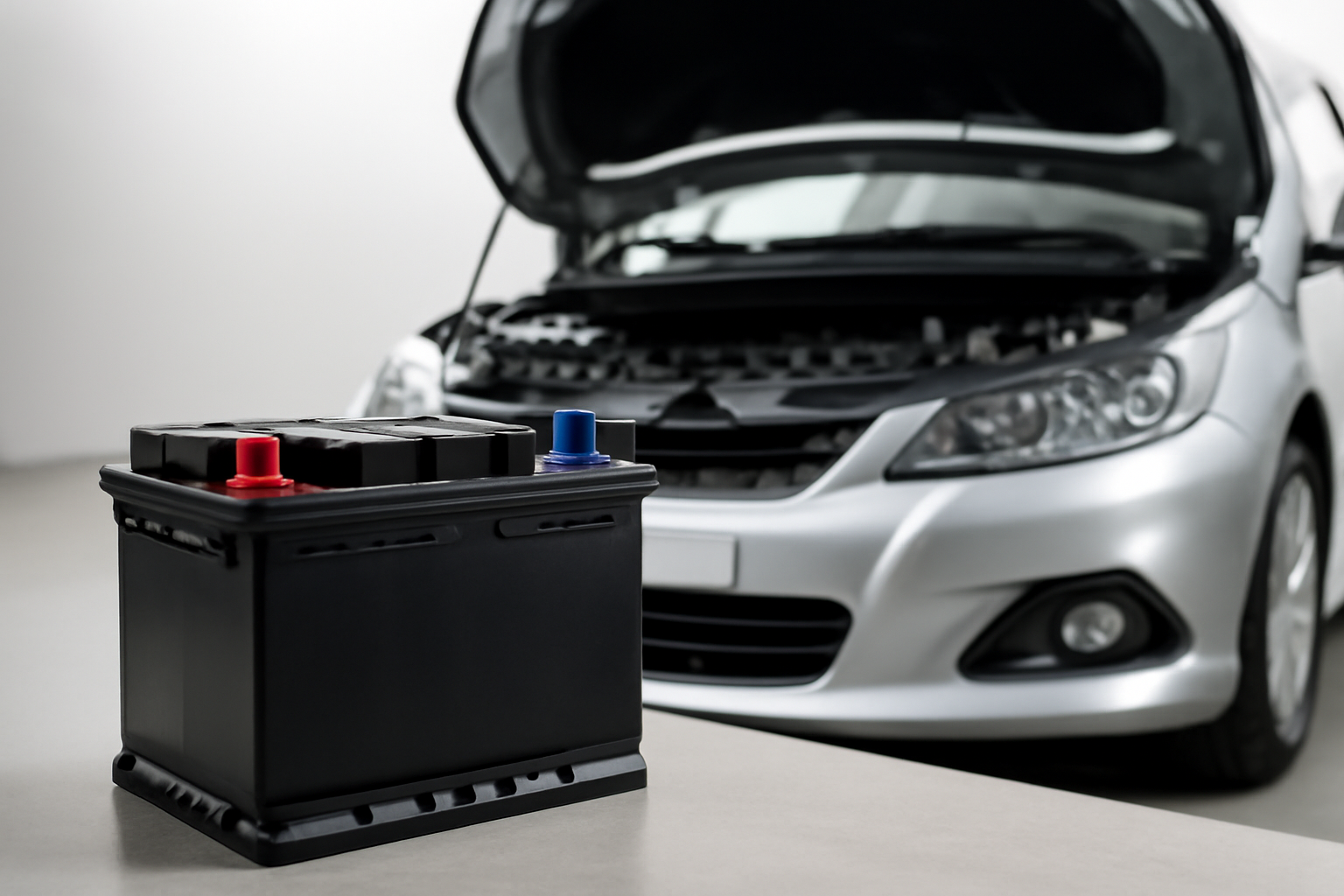
A car battery isn’t something you think about until it leaves you stranded. Most batteries last 3 to 5 years, and the brand you choose affects both reliability and longevity. With dozens of brands on the shelf, here’s how to pick the right one, what the specs actually mean, and which brands consistently deliver the best real-world performance.
Understanding Battery Specs
Group Size
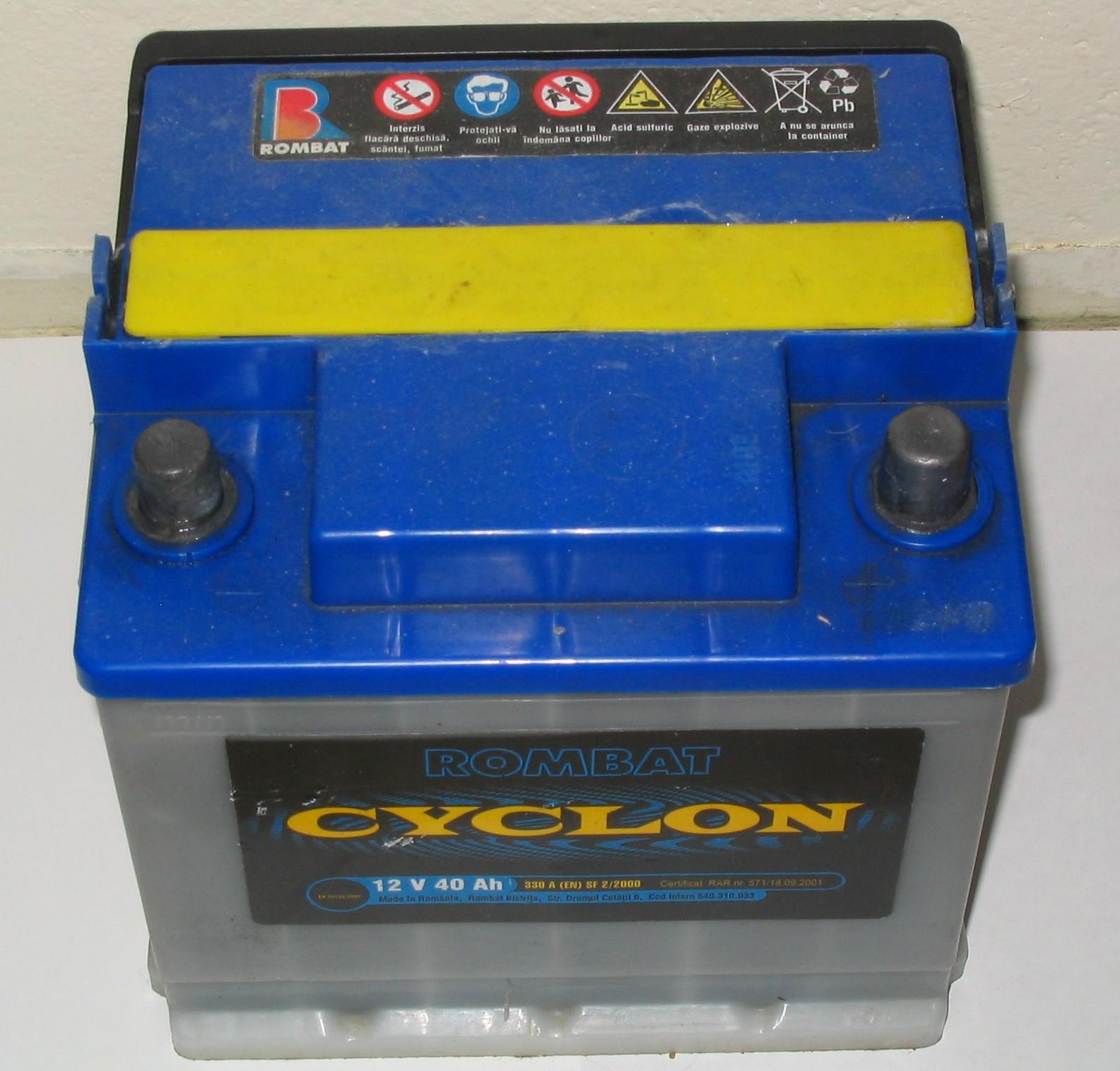
Group size is the battery’s physical dimensions and terminal placement. Your car requires a specific group size to fit the battery tray and connect to the cables. Common group sizes include 24/24F, 35, 47 (H5), 48 (H6), 51R, and 65.
Check your owner’s manual or the sticker on your current battery for the correct group size. Buying the wrong size means it won’t fit, or worse, the terminals will be reversed.
CCA (Cold Cranking Amps)
CCA measures how much current the battery can deliver at 0°F for 30 seconds while maintaining at least 7.2 volts. Higher CCA means more starting power in cold weather. Match or exceed the CCA spec in your owner’s manual.
If you live in a cold climate, going above spec provides extra cold-weather insurance. This becomes especially important if you’re dealing with climate-related vehicle issues or extreme temperature conditions.
Don’t confuse CCA with CA (Cranking Amps). CA is measured at 32°F, a much easier test. A battery rated at 800 CA might only deliver 600 CCA. Always compare CCA to CCA.
Reserve Capacity
Reserve capacity measures how many minutes the battery can deliver 25 amps before dropping below 10.5 volts. This tells you how long your car can run on battery power alone if the alternator fails.
Higher is better, especially for vehicles with lots of electronic accessories.
AGM vs. Flooded (Conventional) Batteries
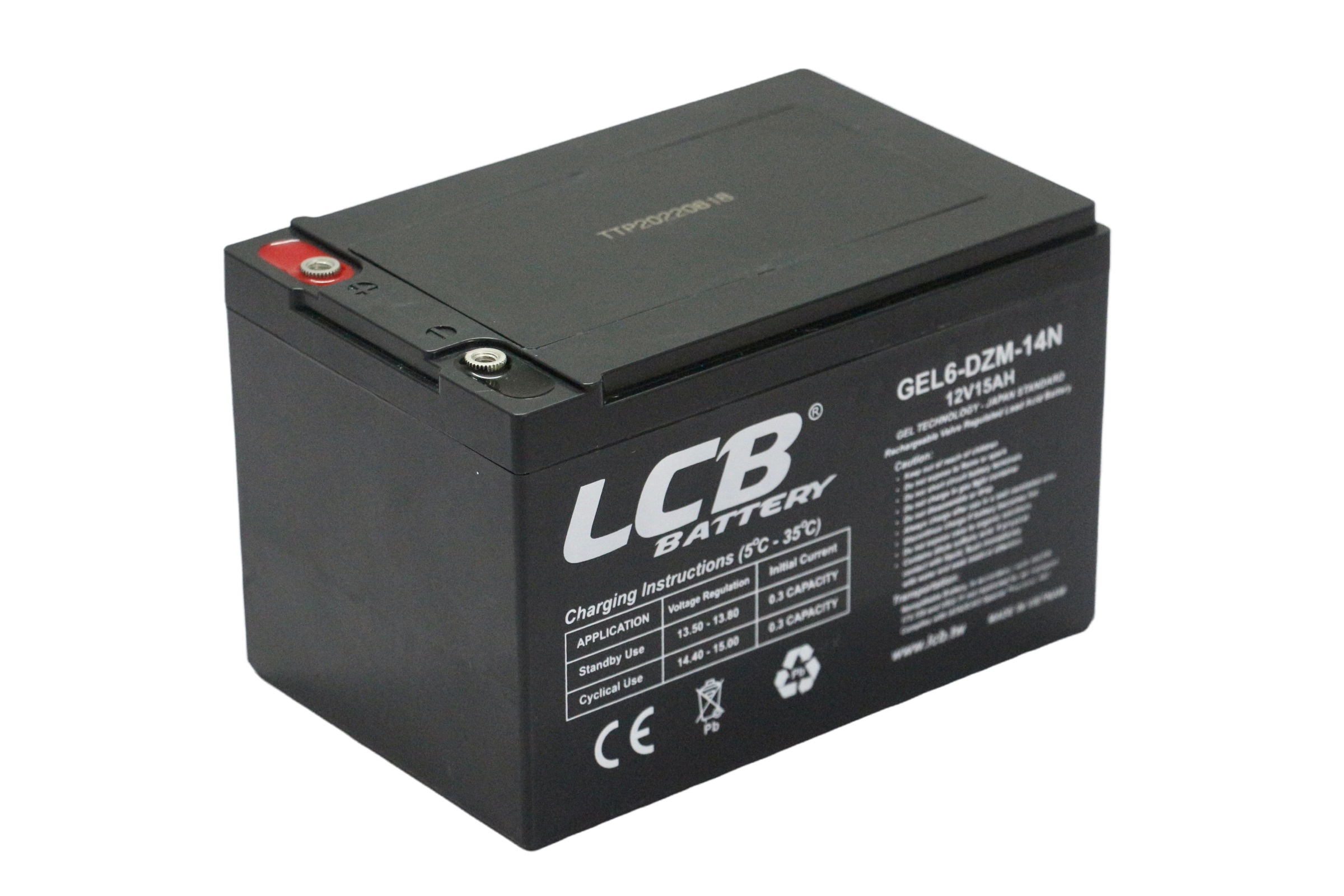
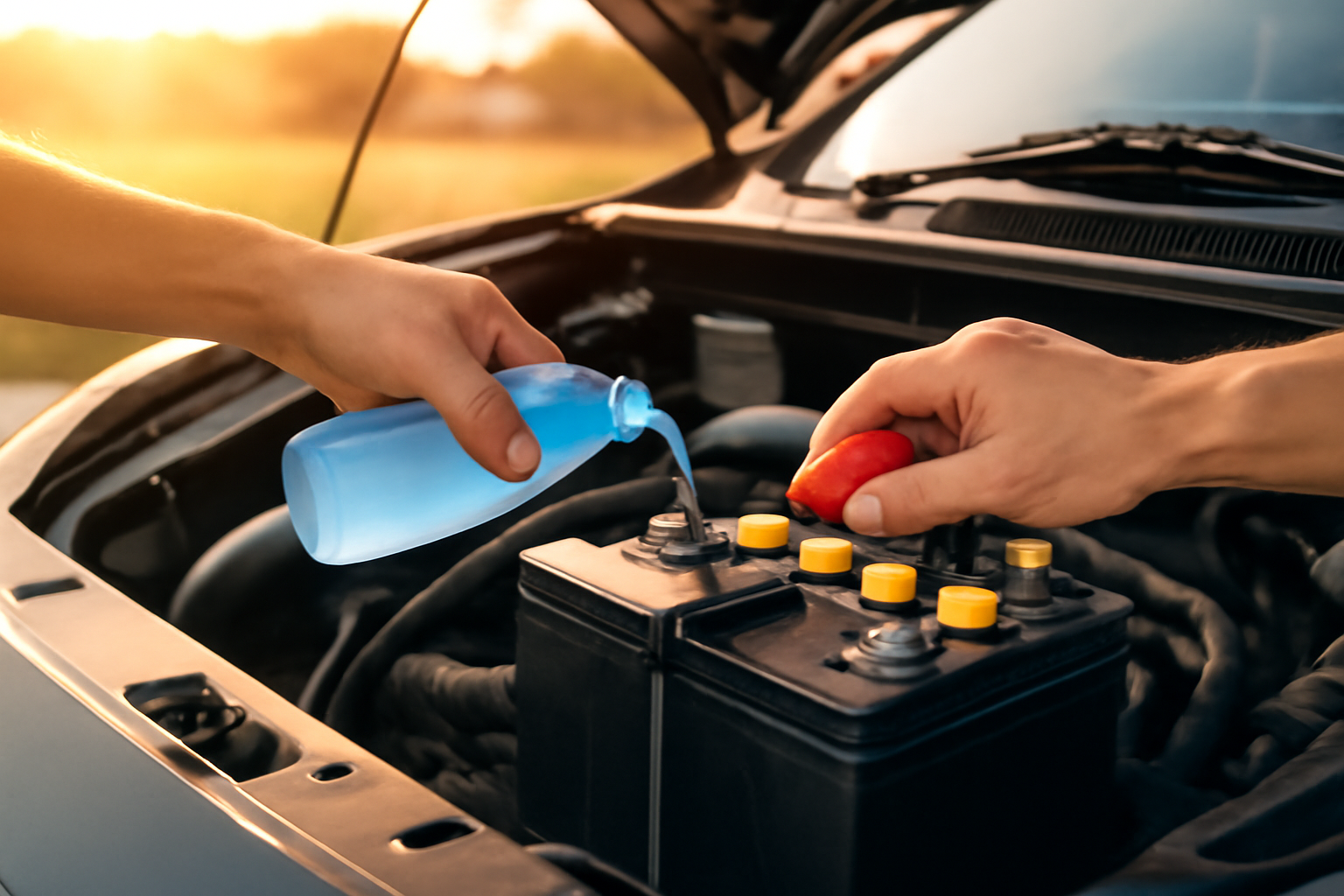
Flooded batteries are the traditional type with liquid electrolyte. They’re cheaper and work fine for most vehicles without excessive electrical demands.
AGM (Absorbed Glass Mat) batteries use fiberglass mats soaked in electrolyte instead of free-flowing liquid. They handle deep discharge better, charge faster, vibrate-resistant, and last longer.
If your vehicle came with an AGM battery, replace it with an AGM. Vehicles with start-stop technology require AGM batteries. If your vehicle uses a flooded battery, upgrading to AGM is optional but provides better performance and longevity.
Top Battery Brands
Optima
Optima’s spiral-cell design is unique in the market. The RedTop is their starting battery, while the YellowTop is a dual-purpose battery that handles both starting and deep cycling.
The YellowTop is useful for vehicles with winches, aftermarket audio, or accessory-heavy setups. Optima batteries are among the most vibration-resistant on the market, making them excellent for off-road trucks and vehicles that see rough terrain.

Optima YellowTop Battery
Best dual-purpose battery for vehicles with high electrical demands or aftermarket accessories
Odyssey (by EnerSys)
Odyssey batteries use pure lead plates (instead of lead alloy) that provide the highest CCA per pound of any battery. They handle extreme temperatures and deep discharge cycles exceptionally well.
The Extreme Series delivers massive CCA ratings and long reserve capacity. They’re premium-priced but backed by impressive warranties and real-world longevity.
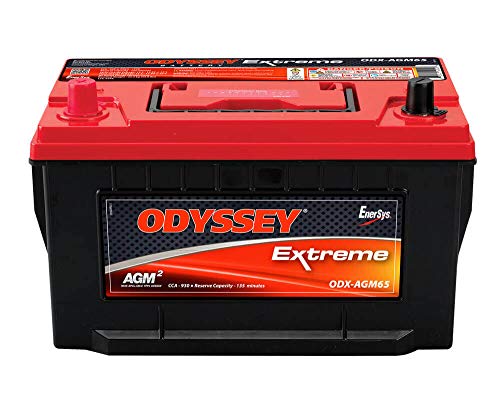
Odyssey Extreme Series Battery
Premium choice with pure lead plates for maximum CCA and exceptional extreme temperature performance
ACDelco
ACDelco is GM’s OEM battery supplier, and their Professional AGM line provides excellent performance at a competitive price. They’re a reliable mid-range choice with strong CCA ratings and good warranty coverage.
Available at most auto parts stores.
DieHard (Advance Auto Parts)
DieHard has been a trusted battery name for decades. Their Platinum AGM line offers strong CCA, good reserve capacity, and competitive pricing.
Available exclusively at Advance Auto Parts stores, they’re a solid choice with a 3-year free replacement warranty on most models.
Interstate
Interstate is the largest battery distributor in North America. Their MTZ (AGM) and MTP (flooded) lines cover every vehicle on the road.
Interstate’s strength is their dealer network and warranty support. You can find an Interstate dealer virtually anywhere in the US, which is valuable if you need a warranty replacement while traveling.
How to Determine the Right Battery
- Find your current battery’s group size (on the label or in your owner’s manual).
- Note the minimum CCA required for your vehicle.
- Decide between flooded and AGM based on your needs and budget.
- Choose a brand based on warranty, availability, and reputation.
- Check the manufacturing date on the battery before buying. Avoid batteries more than 6 months old on the shelf.
This becomes especially important if you’re maintaining an older vehicle or one from our list of high-mileage reliable cars.
Frequently Asked Questions
Can I put a bigger battery in my car?
You can increase CCA within the same group size without issues. Physically larger batteries (different group sizes) may not fit your battery tray or may require different hold-down brackets.
Going to a higher CCA within the correct group size is always safe and provides better cold-weather starting.
How do I know when my battery needs replacing?
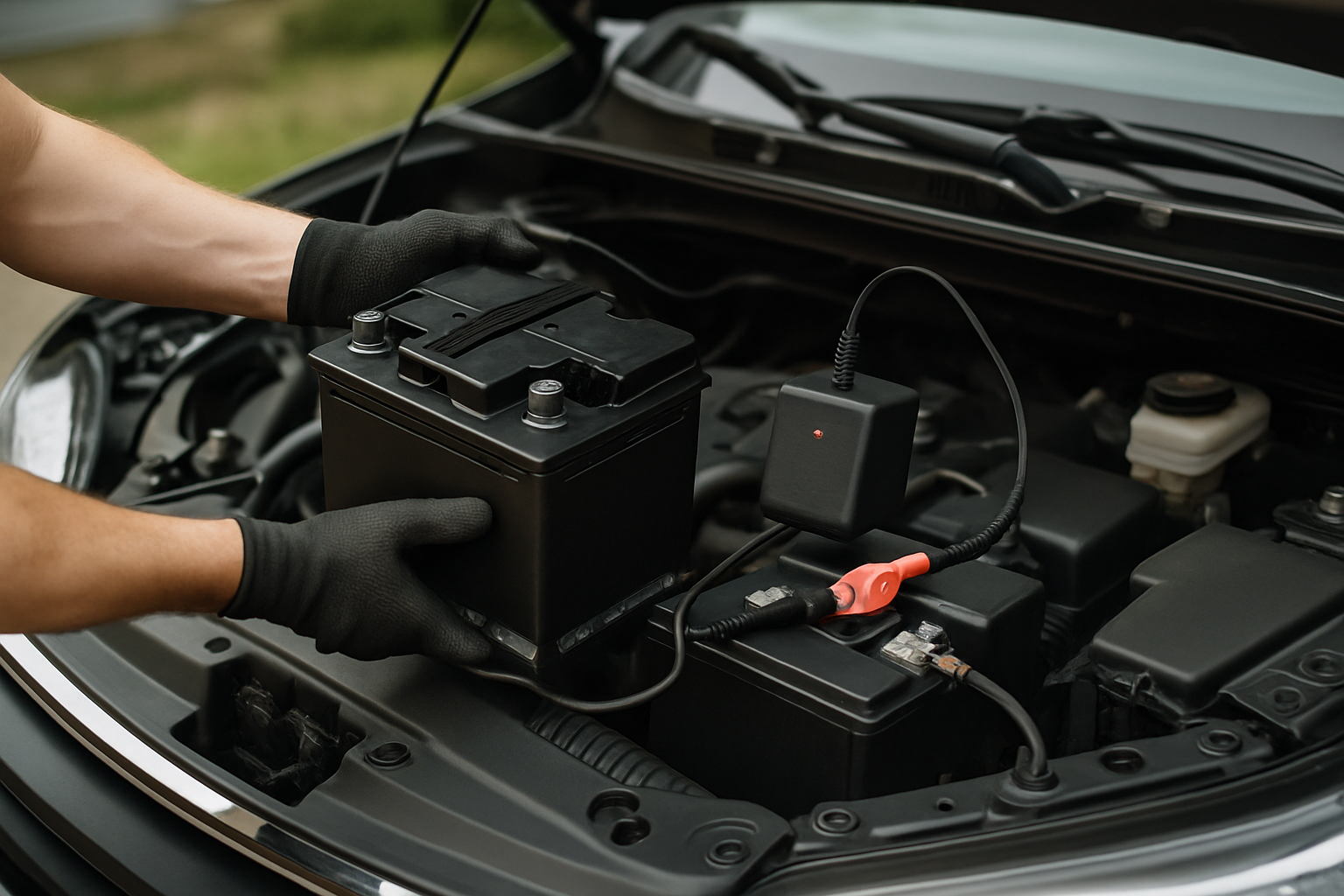
Slow cranking (the engine turns over sluggishly), dim headlights at idle, and needing a jump start more than once are strong indicators. Most auto parts stores test batteries for free.
A load test measures actual capacity under stress, which a simple voltage reading can’t reveal. If you’re experiencing related electrical issues like battery draining problems, testing is essential.
Does climate affect battery life?
Heat kills batteries faster than cold. In hot climates (Arizona, Texas, Florida), expect 2 to 3 years of battery life. In moderate and cold climates, 4 to 5 years is typical.
Cold weather makes a weak battery fail (it can’t deliver enough CCA), but it’s the preceding summer heat that actually degraded the battery’s internal chemistry.
Should I upgrade to AGM if my car came with a flooded battery?
Upgrading from flooded to AGM is optional but worthwhile if you want better longevity and performance. AGM batteries handle deep discharges better, which is valuable if you frequently use accessories with the engine off.
They’re also more resistant to vibration and temperature extremes. Just be aware that AGM batteries typically cost more upfront but can outlast flooded batteries by a year or more.

Leave a Reply