
A dead battery on a freezing morning or a scorching afternoon is something every driver dreads. Choosing the right replacement before that happens can save you from a tow truck call and a ruined schedule.
This guide breaks down the top car batteries for 2026 by cold cranking amps, lifespan, warranty coverage, and overall value. Whether you drive a compact sedan, a full-size truck, or a hybrid, there’s a pick here that fits.
What to Look for in a Car Battery
Cold cranking amps (CCA) measure how well a battery performs in freezing temperatures. If you live in a cold climate, aim for at least 700 CCA. Drivers in warmer regions can get by with 500 to 600 CCA without issue.
Reserve capacity (RC) tells you how long the battery can power essential systems if your alternator fails. A higher RC means more time to get to safety. Look for at least 90 minutes of reserve capacity for daily drivers.
Battery group size must match your vehicle’s tray. Common sizes include Group 24, 35, 48 (H6), and 65. Your owner’s manual or a parts store lookup tool will confirm the correct group for your car.
Top 5 Car Batteries for 2026
Optima RedTop (Best Overall)
The Optima RedTop uses SpiralCell AGM technology that resists vibration damage better than flat-plate designs. It delivers 800 CCA in the most popular group sizes and handles extreme temperatures on both ends of the spectrum.
Optima backs this battery with a 36-month free replacement warranty. The SpiralCell design also means it holds charge longer during storage, making it a strong option if you have a weekend vehicle that sits for weeks at a time.

Optima RedTop
Best overall pick with proven SpiralCell AGM technology and 800 CCA for extreme temperature performance
DieHard Platinum AGM (Best Value AGM)
The DieHard Platinum AGM offers premium AGM performance at a more accessible price point than some competitors. It provides 770 CCA and 120 minutes of reserve capacity, which is excellent for vehicles with heavy electrical loads.
This battery comes with a 3-year free replacement warranty and performs well in both hot and cold extremes. It’s a solid choice for SUVs and trucks that run multiple accessories like aftermarket lighting or sound systems.
ACDelco Gold (Best for GM Vehicles)
The ACDelco Gold is the OEM-equivalent battery for General Motors vehicles, but it fits plenty of other makes too. It uses a calcium lead positive grid that improves conductivity and reduces water loss over time.
With up to 760 CCA depending on the group size, the ACDelco Gold handles daily driving demands with room to spare. The 36-month warranty provides coverage for budget-conscious buyers.
Odyssey Extreme (Best for Harsh Conditions)
The Odyssey Extreme is built for abuse. It delivers up to 950 CCA and can handle deep discharge cycles without permanent damage, something most starting batteries can’t do.
This battery tolerates operating temperatures from minus 40 to 176 degrees Fahrenheit. If you live somewhere with brutal winters or scorching summers, the Odyssey Extreme is the battery you want under your hood.
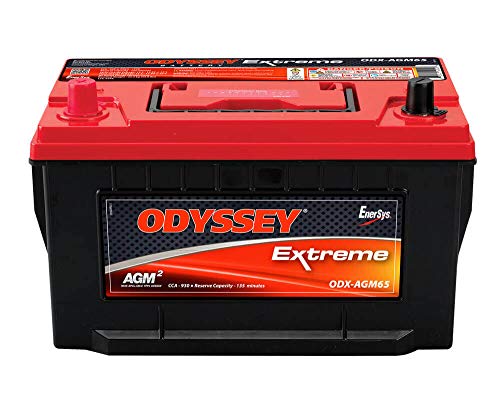
Odyssey Extreme
Most durable option with up to 950 CCA and extreme temperature tolerance from -40 to 176°F
ACDelco Advantage (Best Budget Pick)
The ACDelco Advantage is a conventional flooded battery that gets the job done at a budget-friendly price. It provides 600 to 700 CCA depending on the group size, which is plenty for most passenger cars in moderate climates.
The warranty is shorter at 18 months free replacement, but if you’re looking for a reliable battery that won’t break the bank, this is the one to grab. It’s a smart choice for budget-conscious drivers who need dependable performance without premium features.
AGM vs. Flooded Batteries
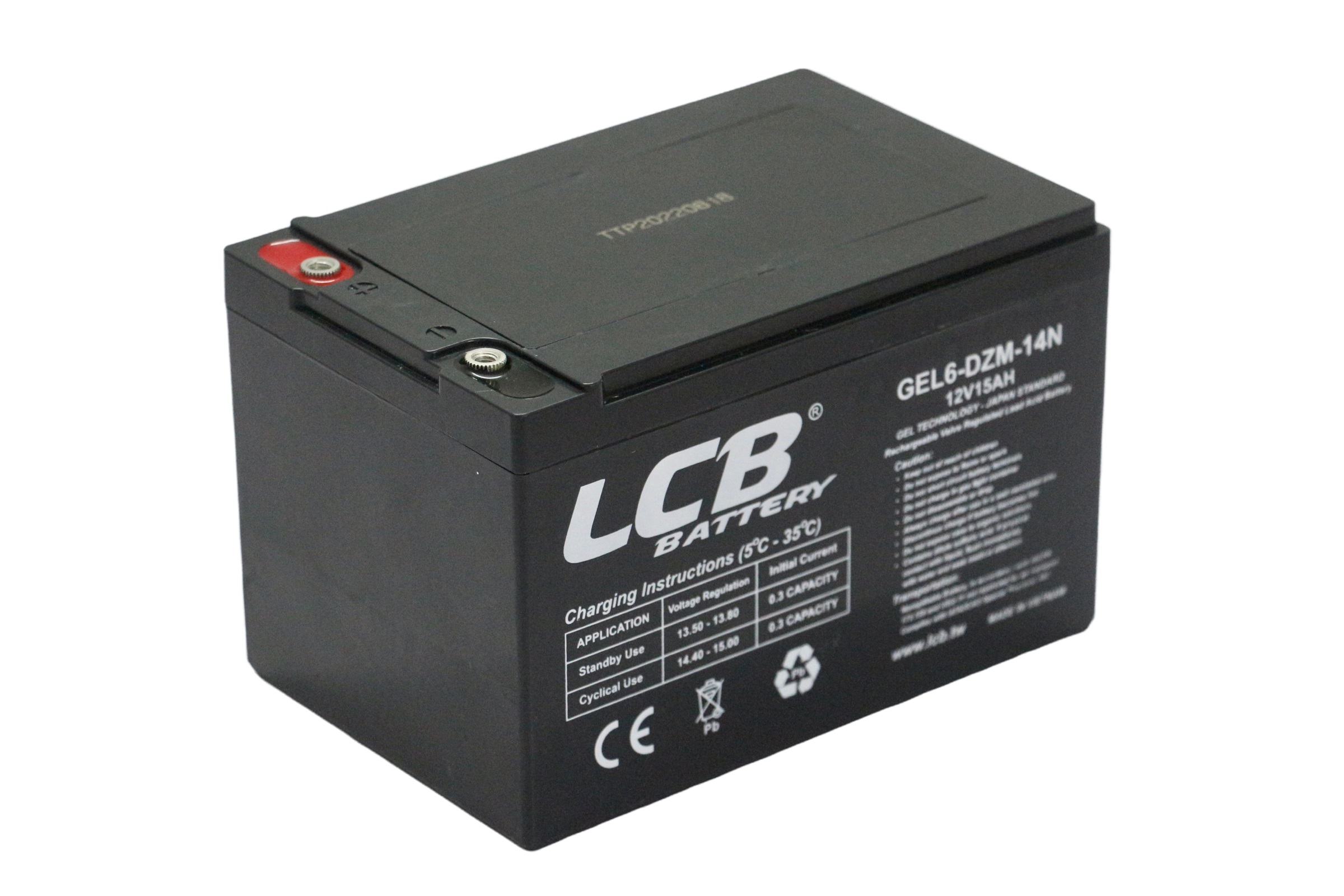
AGM (Absorbent Glass Mat) batteries are sealed, spill-proof, and last 2 to 3 years longer than conventional flooded batteries. They also recharge faster and handle deep discharges better.
Flooded batteries cost less upfront but require more maintenance in extreme climates. If your vehicle came with an AGM battery from the factory, always replace it with another AGM. Downgrading to a flooded battery can cause charging system issues.
You can browse AGM batteries on Amazon to compare specifications and current pricing across different brands and group sizes.
Batteries for Hybrid Vehicles
Hybrids use a separate 12V auxiliary battery alongside the high-voltage drive battery. This 12V battery powers electronics, lights, and the computer systems that manage the hybrid drivetrain. When it fails, your hybrid won’t start even if the main battery pack is fully charged.
Most hybrids need an AGM battery in a specific group size (often Group 46B24R or S46B24R for Toyota hybrids). Check your manual carefully, because using the wrong type can trigger warning lights and affect the hybrid system’s performance. Toyota Prius owners especially need to pay attention to this specification.
Installing Your New Battery
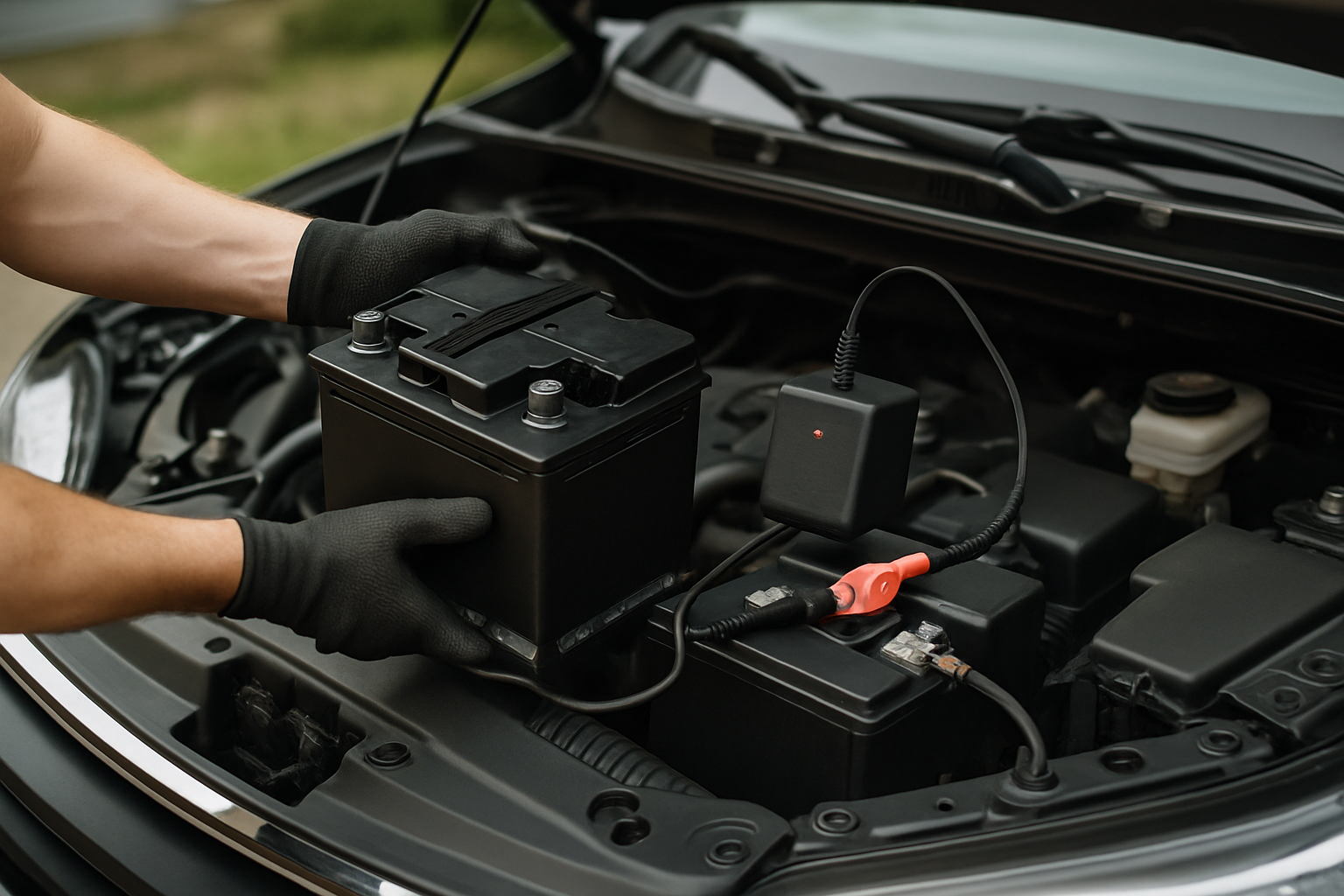
Most battery replacements take 15 to 30 minutes with basic hand tools. Disconnect the negative terminal first, then the positive. Reverse the order when installing the new battery.
Make sure the battery tray is clean and free of corrosion before you set the new battery in place. A wire brush and baking soda solution work well for cleaning corroded terminals and clamps.
If you’re storing a vehicle for several months, consider using a battery maintainer to prevent discharge and extend battery life. This is particularly important for AGM batteries in vehicles that sit idle for extended periods.
How Long Do Car Batteries Last
Most batteries last 3 to 5 years, depending on climate, driving habits, and battery type. AGM batteries tend to last 4 to 6 years under normal conditions.
Extreme temperatures shorten battery life. High heat causes the electrolyte to evaporate and accelerates internal corrosion. Freezing temperatures slow the chemical reaction that produces electricity, making it harder to start your engine.
Short trips and infrequent driving also reduce battery lifespan. Your alternator needs time to recharge the battery after starting the engine. If you only drive a few miles at a time, the battery never fully recharges.
Warranty Coverage Matters
A longer warranty usually indicates better build quality and materials. Most premium batteries come with 36-month free replacement warranties, while budget options offer 18 to 24 months.
Read the warranty terms carefully. Some manufacturers offer a prorated replacement after the free replacement period ends. Others provide no coverage at all once the initial term expires.
Keep your receipt and warranty card in a safe place. You’ll need proof of purchase to make a warranty claim, and some retailers require the old battery to process a replacement.
Cold Weather Performance
Battery capacity drops significantly in cold weather. A battery that performs perfectly in summer might struggle to start your engine when temperatures drop below freezing.
CCA ratings become critical in winter. A battery with 800 CCA provides much more reliable cold-weather starting than one rated at 600 CCA, especially in older vehicles or those with larger engines.
Keep your battery terminals clean and tight during winter months. Electrical system problems often show up in extreme weather, and loose or corroded connections make things worse.
Frequently Asked Questions
Can I Install a Car Battery Myself?
Yes, most battery replacements take 15 to 30 minutes with basic hand tools. Disconnect the negative terminal first, then the positive. Reverse the order when installing the new battery. Make sure the battery is secured properly in the tray to prevent vibration damage.
Does a Higher CCA Battery Hurt My Car?
A battery with more CCA than your car requires won’t cause any damage. It simply means you have extra starting power available, which can be beneficial in cold weather. Your vehicle will only draw the current it needs regardless of the battery’s maximum capacity.
Should I Replace My Battery Before It Dies?
Replacing your battery proactively makes sense if it’s more than 4 years old or showing signs of weakness like slow cranking or dimming lights. Getting stranded with a dead battery costs more in towing fees and lost time than a planned replacement. Test your battery’s voltage and CCA rating at least once a year after the 3-year mark.
Why Do Hybrid Vehicles Need Special Batteries?
Hybrids use AGM batteries because they handle frequent charge and discharge cycles better than conventional flooded batteries. The 12V auxiliary battery in a hybrid works harder than in a traditional vehicle, powering all the computer systems that manage the hybrid drivetrain. Using the wrong battery type can trigger warning lights and affect system performance.


Leave a Reply