
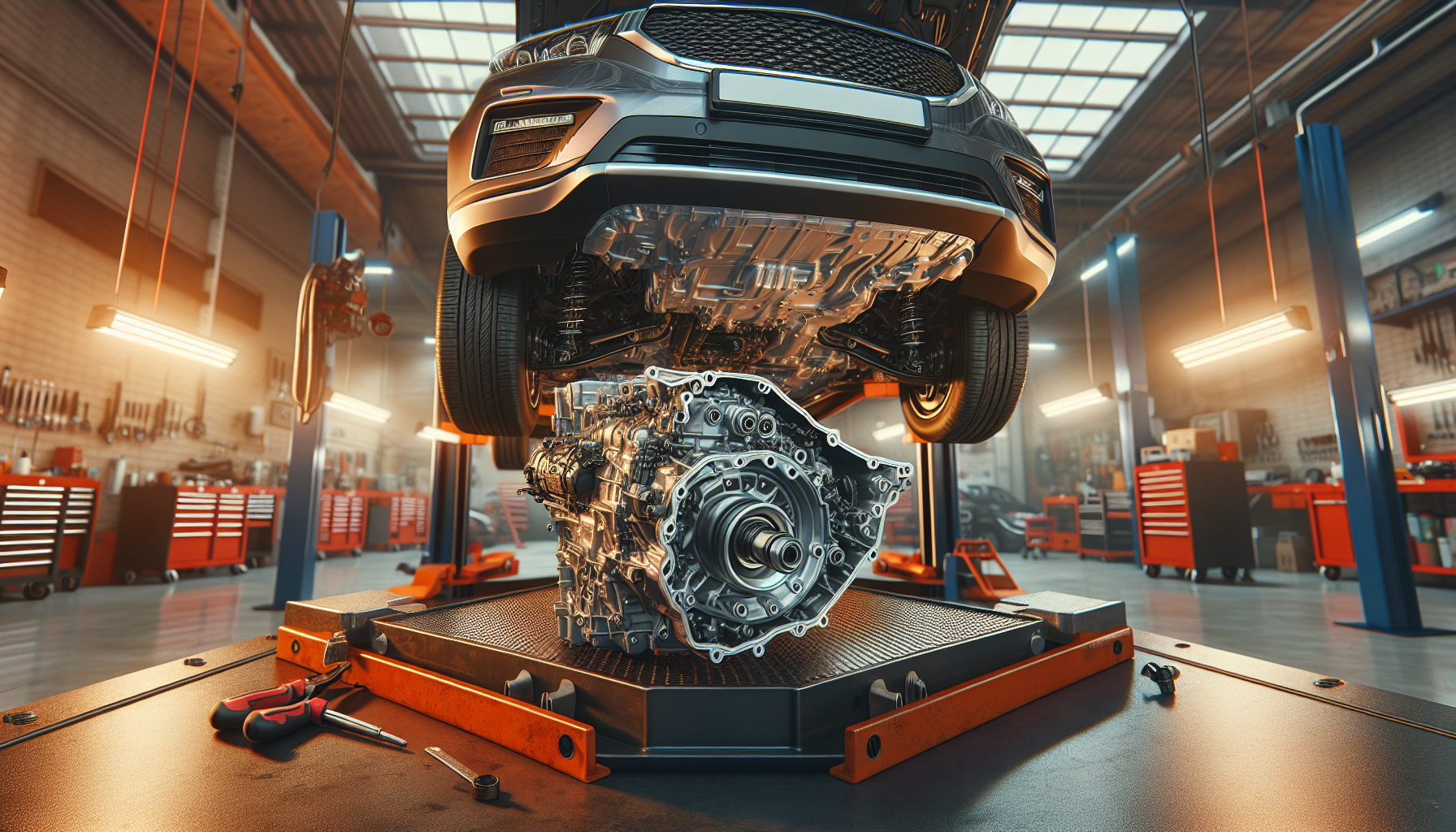
If your Audi Q5 is jerking between gears, refusing to shift smoothly, or throwing up a Christmas tree of warning lights on the dash, you might be dealing with a failing mechatronic unit. This isn’t the kind of problem that fixes itself with an oil change.
The mechatronic unit is basically the brain of your automatic transmission. It’s a combo of mechanical valves and electronic control systems packed into one assembly, and it controls every shift your transmission makes. When it fails, your Q5 can feel like it’s forgotten how to drive. Some owners report violent shifts, others get stuck in limp mode, and a few have had their transmissions refuse to engage at all.
This is most common in Q5 models with the 7-speed S tronic (DL501) or 8-speed Tiptronic transmissions, particularly from 2009 to 2017. The part itself is expensive, but there are ways to tackle this without emptying your bank account.
Common Causes
Mechatronic failures don’t usually happen overnight. They’re the result of wear, heat, and sometimes just poor design choices that catch up with the unit over time.
Worn solenoids and valve body issues. The mechatronic unit contains multiple solenoids that control hydraulic pressure for each gear. These solenoids can stick, fail electrically, or wear out mechanically. When they do, you get erratic shifting or no shifting at all. The valve body inside can also develop scoring or debris buildup that blocks fluid passages.
Circuit board failures. Yes, there’s a circuit board sitting in hot transmission fluid. The TCM (transmission control module) is integrated into the mechatronic unit, and the solder joints on this board can crack from thermal cycling. Capacitors fail. Traces corrode. It’s electronics living in a hostile environment, and eventually something gives.
Contaminated transmission fluid. Dirty fluid is usually a symptom, not the root cause, but it accelerates mechatronic wear. Metal shavings from clutch packs or synchronizers get into the valve body and scratch up precision surfaces. Old fluid loses its friction properties and doesn’t protect the internal components like it should.
Software glitches and adaptation issues. Sometimes the mechatronic unit itself is fine, but the software has corrupted adaptation values or needs an update. Audi has released multiple software patches for transmission control over the years because the original programming had issues.
Heat is the real killer here. The mechatronic sits in the transmission housing, bathed in fluid that can reach 200°F or higher during hard driving or towing. That constant heat cycling weakens solder joints and degrades electronics faster than Audi probably intended.
How to Diagnose the Problem
Before you throw parts at this, you need to confirm what’s actually wrong. Mechatronic units aren’t cheap, and misdiagnosis will cost you.
Scan for fault codes. You need a proper VCDS cable or an OBD-II scanner that can read Audi-specific codes. Generic code readers won’t cut it here. Look for transmission-related codes in the 17-xxxx range. Common ones include P17BF (mechatronic malfunction), P189C (pressure control solenoid), or anything pointing to solenoid valves. Write down every code you find.
Check transmission fluid level and condition. The transmission needs to be at operating temperature, and you need to check the level through the fill plug on the side of the pan. Cold checks are useless. If the fluid smells burnt or looks dark brown instead of red/pink, that’s a bad sign. Metal flakes or a burnt clutch smell means internal damage beyond just the mechatronic.
Test drive and note specific symptoms. Does it jerk between certain gears only? Is the problem worse when cold or hot? Does it happen during acceleration, deceleration, or both? Mechatronic failures often show patterns. A unit that’s fine when cold but acts up when hot usually has a solder joint issue. One that’s consistently bad across all temperatures points to mechanical valve body problems.
Monitor live data with VCDS. If you have access to VCDS software, you can watch real-time transmission data. Look at requested gear versus actual gear, solenoid current draw, and pressure values. Solenoids drawing too much or too little current are failing. Pressure readings that don’t match commanded values indicate valve body problems.
This video walks through common Audi transmission problems and diagnostic steps:
A few owners have fixed weird shifting issues with a simple transmission adaptation reset, so that’s worth trying before you assume the worst. It takes five minutes with the right software.
How to Fix It
Fixing a mechatronic unit isn’t backyard-mechanic territory for most people, but there are levels to this. Some fixes are manageable, others require specialized tools.
Try a transmission fluid and filter change first. If your fluid is old and you’ve never serviced the transmission, start here. Drop the pan, replace the filter, and refill with the correct VW/Audi spec fluid (usually G 055 005 A2 or G 055 025 A2 depending on your transmission). This won’t fix a dead mechatronic, but it can improve shifting if contamination is contributing to valve sticking. You’ll need about 5-7 liters of fluid.
Perform a transmission reset and adaptation. With VCDS or similar software, you can reset the transmission adaptation values and force the TCM to relearn shift points. This has fixed intermittent shifting problems for some owners. The process involves selecting “Adaptation,” choosing the transmission module, and running through the reset procedure. Make sure the car is at operating temperature and on level ground.
Remove and service the mechatronic unit. If you’re mechanically inclined and have the right tools, you can pull the mechatronic yourself. It’s accessible from under the car after you drain the fluid and remove the transmission pan. This is where things get technical. Some people send their unit out to a specialist who will disassemble it, repair the circuit board (reflow solder joints, replace capacitors), clean the valve body, and replace worn solenoids. This costs $800-1500 depending on what needs fixing, but it’s way cheaper than a new unit.
This video shows the mechatronic service process in detail:
Install a remanufactured or new mechatronic unit. If the unit is beyond repair or you don’t want to mess with rebuilding, you can buy a reman unit. These run $1500-2500 for a quality rebuild. New OEM units from Audi are $3000-4500, which is ridiculous. Installation involves dropping the transmission pan, unplugging connectors, unbolting the old unit, and reversing the process. You’ll need new transmission fluid and probably a new pan gasket.
Most DIYers draw the line at fluid changes and resets. Actually pulling the mechatronic requires some confidence working under cars and dealing with transmission fluid everywhere. It’s doable, but messy.
When to See a Mechanic
Some scenarios require professional help, plain and simple.
If you’re getting metal shavings in the fluid or the transmission is slipping under load, the mechatronic might not be your only problem. Internal clutch damage or gear wear means you’re looking at a full transmission rebuild or replacement. A shop can pressure test the transmission and scope inside to see what’s damaged.
Coding and programming a new or reman mechatronic unit to your specific car requires dealer-level software in most cases. The VIN and transmission serial number need to be programmed into the new unit. Some independent Audi specialists can do this, but not every shop has the right tools. Expect to pay 2-3 hours of labor for the programming alone.
If you’ve tried the easy fixes and the problem persists, or if you’re not comfortable working under the car with transmission components, find a shop that specializes in European transmissions. General repair shops often don’t have experience with Audi’s dual-clutch or Tiptronic systems.
Estimated Repair Costs
Here’s what you’re looking at depending on which route you take:
| Repair Option | Parts Cost | Labor Cost | Total |
|---|---|---|---|
| Transmission fluid and filter service | $150-250 | $150-300 | $300-550 |
| Transmission reset/adaptation (software) | $0 | $100-200 | $100-200 |
| Mechatronic rebuild (send-out service) | $800-1500 | $400-800 (R&R) | $1200-2300 |
| Remanufactured mechatronic unit | $1500-2500 | $600-1200 | $2100-3700 |
| New OEM mechatronic unit | $3000-4500 | $600-1200 | $3600-5700 |
| Full transmission replacement (if internal damage) | $3500-6000 | $1500-2500 | $5000-8500 |
Independent shops will be on the lower end of these ranges. Audi dealerships will be on the high end or above it. Getting a reman unit and having an independent European specialist install it is usually the sweet spot for cost versus quality.
Prevention Tips
Mechatronic failures aren’t entirely preventable, but you can extend the life of your transmission with a few practices.
Change transmission fluid on schedule. Audi claims “lifetime” fluid in some models, which is marketing nonsense. Change it every 40,000-60,000 miles. Fresh fluid keeps internal components clean and reduces heat buildup. Use only the specified VW/Audi fluid, not generic ATF.
Avoid aggressive driving when cold. Let the transmission warm up before you start doing hard launches or aggressive passing. Cold fluid doesn’t protect components well, and the mechatronic takes longer to reach optimal operating temperature than the engine does.
Don’t ignore early warning signs. If you notice slightly rough shifts or occasional hesitation, get it checked before it becomes a full failure. Early intervention often means a cheaper fix. Small problems turn into expensive ones when you ignore them.
Keep up with software updates. Audi has released multiple transmission control software updates that improve shift quality and reduce stress on the mechatronic. Check with a dealer or specialist to see if your car has the latest programming.
If you tow regularly or drive in mountainous terrain, consider adding an auxiliary transmission cooler. Heat is the enemy of these transmissions, and anything you can do to keep temperatures down helps.
Final Thoughts
Mechatronic failures in the Audi Q5 are frustrating because they’re expensive and somewhat common in certain model years. The good news is that this is a known issue with established repair procedures. You’re not figuring this out from scratch.
Start with the cheap stuff: scan for codes, check fluid condition, try a reset. If those don’t work, you’re probably looking at a rebuild or replacement. Shop around for quotes, and don’t be afraid to use a quality independent specialist instead of the dealer. The right shop can save you thousands and do just as good a job.
Keep your maintenance records if you decide to sell the car later. A documented mechatronic replacement actually adds value because the next owner knows it’s been addressed. These transmissions can last a long time once the mechatronic issues are sorted out.



Leave a Reply