
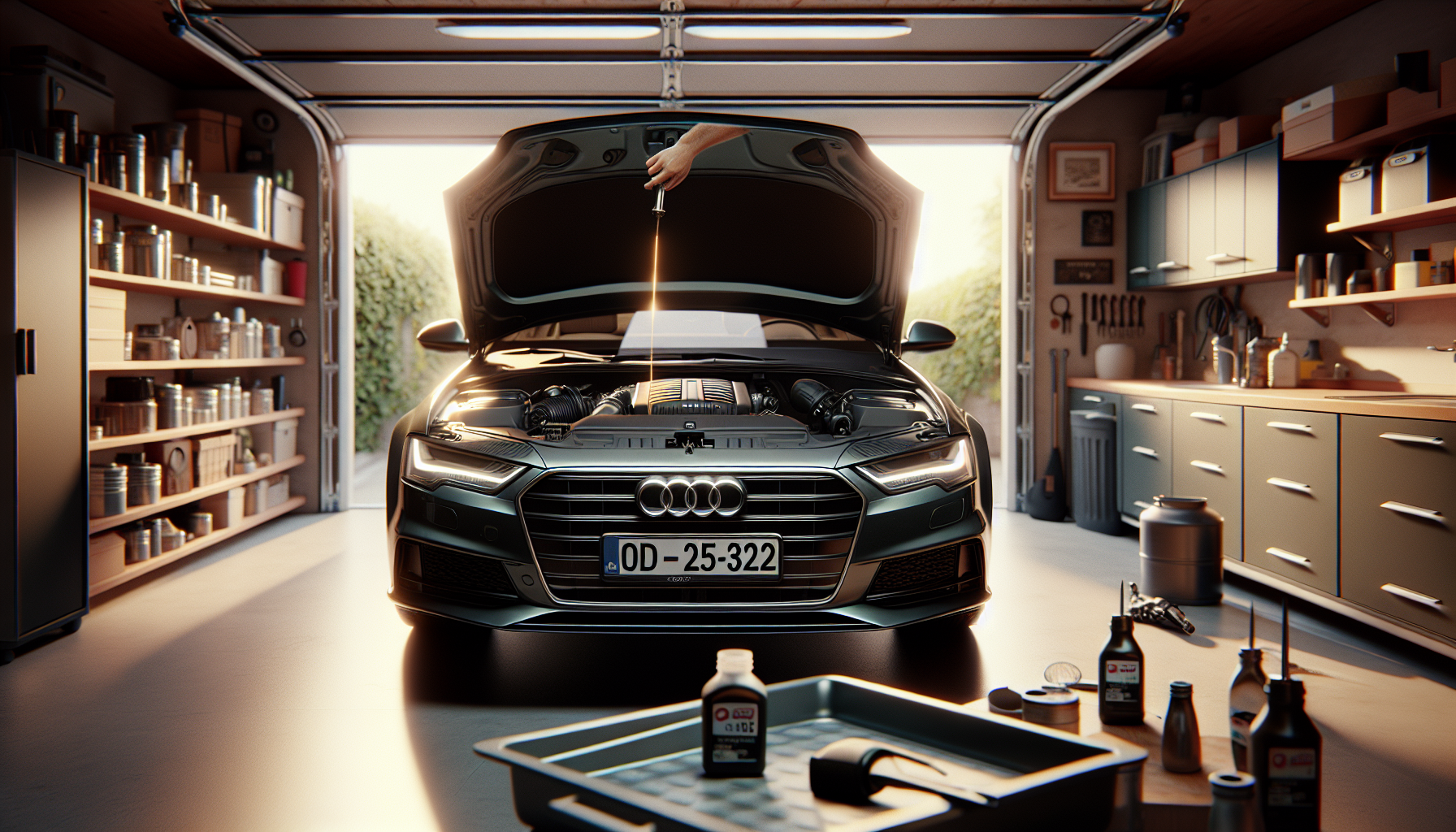
If you’re topping off your Audi A4’s oil every few hundred miles, you’re not alone. Oil consumption between changes has been a persistent headache for A4 owners, particularly those with the 2.0T TFSI engine from 2008-2016. While some oil burn is normal as engines age, many A4s go through a quart every 1,000-2,000 miles even with relatively low mileage. This isn’t just an inconvenience. Excessive oil consumption can lead to engine damage if you don’t catch it in time.
The root cause usually traces back to carbon buildup on the piston rings, which prevents them from properly scraping oil off the cylinder walls. Direct injection engines like the 2.0T are especially prone to this because fuel never washes over the intake valves. Combine that with certain driving patterns and oil choices, and you’ve got a recipe for oil burning.
Common Causes
Carbon-clogged piston rings are the most common culprit. When carbon deposits build up in the ring grooves, the rings lose their ability to flex and seal properly. Oil gets past them and burns in the combustion chamber. You’ll often see blue smoke from the exhaust during startup or hard acceleration if this is your problem.
The PCV (positive crankcase ventilation) system can also contribute. A failing PCV valve or clogged breather lines create excessive crankcase pressure, which forces oil past seals and into places it shouldn’t be. Audi’s oil separator system has been known to fail, particularly on higher-mileage cars.
Valve stem seals are another potential source, though less common than ring issues on these engines. When these seals harden and crack with age, oil seeps down the valve guides and into the combustion chamber. You’ll typically notice more smoke after the car sits overnight.
Some early 2.0T engines had a manufacturing issue with the piston rings themselves. Audi extended warranties on certain models and issued a software update to adjust fuel pressure, but many affected cars have long since aged out of warranty coverage.
How to Diagnose the Problem
Start by checking your oil level regularly. Pull the dipstick when the engine is cold and parked on level ground. If you’re losing more than a quart between oil changes (or every 1,000 miles, whichever comes first), you’ve got an issue worth addressing.
Look for blue smoke from the exhaust. Start the car cold and watch the tailpipe. If you see a puff of blue-gray smoke that clears after a few seconds, that points to valve stem seals or oil pooling in the cylinders overnight. Smoke during hard acceleration or while cruising at highway speeds suggests piston ring problems.
Check the PCV system. With the engine running, remove the oil filler cap. You should feel a slight vacuum. If oil vapor is puffing out or there’s no vacuum at all, your PCV valve or oil separator may be clogged or failed. Inspect the breather hoses for oil buildup or blockages.
A compression test can reveal worn rings, though carbon buildup sometimes masks the issue by temporarily sealing the rings. A leak-down test is more informative. If you’re losing pressure into the crankcase, that confirms ring problems.
Pull the spark plugs and inspect them. Oil-fouled plugs (black, wet, sooty deposits) tell you which cylinders are burning oil. This can help narrow down whether you’re dealing with localized valve seal issues or a more widespread ring problem.
How to Fix It
Before jumping to expensive repairs, try a piston soak. This DIY fix has worked for countless A4 owners and costs less than $20. The idea is to introduce a solvent directly into the cylinders to dissolve carbon deposits on the piston rings.
Remove all four spark plugs and bring the engine to operating temperature first (this helps the solvent penetrate). Spray a product like Berryman’s B12 Chemtool or Sea Foam Deep Creep into each cylinder through the spark plug holes. Use about 2-3 ounces per cylinder. Let it sit overnight, or even better, for 24-48 hours. The solvent breaks down carbon and frees up stuck rings.
This video shows the complete piston soak process specifically for Audi A4s:
After soaking, reinstall the spark plugs but leave them loose. Crank the engine a few times to blow out the remaining solvent (it’ll make a mess, so do this in a place where you can clean up). Then tighten the plugs, start the engine, and expect lots of smoke for the first few minutes as the solvent burns off. Take the car for a hard highway drive to blow out any remaining deposits.
You’ll need to change your oil immediately after this procedure since some solvent will have contaminated it. Many owners report significant improvement after one or two piston soaks, though severely clogged rings may need multiple treatments.
Switch to a high-quality synthetic oil with strong detergent properties. Liqui Moly, Mobil 1, or Castrol Edge are all good choices. Some owners have had success with 5W-40 instead of the factory-recommended 5W-30, as the slightly thicker oil provides better ring sealing. Just know that deviating from manufacturer specs is your call to make.
If the PCV system is the culprit, replace the oil separator and check valve. This is a moderately involved job requiring you to remove the intake manifold, but it’s doable in a driveway with basic tools. New OEM parts run around $150-200, and you’ll definitely want to replace the associated hoses and gaskets while you’re in there.
Here’s a practical guide covering both oil changes and consumption reduction tips:
Add regular Italian tune-ups to your routine. Running the engine hard under load helps prevent carbon buildup. Take it on the highway and do a few full-throttle pulls through the gears (safely and legally, of course). This gets combustion temperatures high enough to burn off deposits before they become a problem.
When to See a Mechanic
If the piston soak doesn’t improve things after two or three attempts, or if your compression test shows numbers below 120 psi in any cylinder, the rings are likely too worn or damaged to recover with chemical cleaning. At that point, you’re looking at an engine rebuild or replacement.
Valve stem seal replacement requires removing the cylinder head, which is beyond most DIYers’ comfort level. If your diagnosis points to valve seals rather than rings, and you’re not comfortable with that level of disassembly, take it to a shop.
Any time you’re burning more than a quart every 500 miles, get it looked at professionally. That level of oil consumption creates other problems like fouled catalytic converters and oxygen sensors, which compound your repair costs.
If you’re still under any kind of warranty or extended coverage, document your oil consumption meticulously and file a claim. Audi has settled class-action lawsuits over this issue, and some owners have gotten repairs covered even outside normal warranty periods.
Estimated Repair Costs
| Repair | DIY Cost | Shop Cost |
|---|---|---|
| Piston soak treatment | $15-30 | $150-300 |
| PCV valve/oil separator replacement | $150-250 | $500-800 |
| Valve stem seal replacement | $300-500 (parts only) | $1,500-2,500 |
| Piston ring replacement | $800-1,200 (parts only) | $3,500-5,000 |
| Engine rebuild/replacement | N/A | $5,000-8,000+ |
These estimates vary based on your location and whether you’re using OEM or aftermarket parts. Independent European specialists typically charge 30-40% less than Audi dealerships for the same work.
Prevention Tips
Use top-tier fuel exclusively. Brands like Shell, Chevron, and Mobil have stronger detergent packages that help keep injectors and combustion chambers cleaner. The few extra cents per gallon are worth it on direct-injection engines.
Let your engine warm up before driving hard. Cold engines run rich, which accelerates carbon buildup. Give it two or three minutes at idle, then drive gently until the temperature gauge reaches normal operating range.
Shorten your oil change intervals. Even if Audi says 10,000 miles, change it at 5,000. Oil breaks down faster in turbocharged engines, and fresh oil does a much better job keeping things clean. This is cheap insurance against expensive problems.
Add a can of fuel system cleaner every 3,000-5,000 miles. Products like Techron or Liqui Moly Jectron help keep the fuel system clean and can reduce carbon formation. It’s not a miracle cure, but it helps.
Consider periodic walnut blasting of the intake valves if you plan to keep the car long-term. Direct injection means fuel never cleans the intake valves, so carbon builds up over time. Having them media-blasted every 50,000 miles prevents this from becoming a major issue. Most European specialists offer this service for $300-500.
Check your oil level every time you fill up with gas. It takes 30 seconds and could save your engine. Running low on oil accelerates wear and increases the likelihood of catastrophic failure.
Final Thoughts
Oil consumption in the Audi A4 is frustrating, but it’s not necessarily a death sentence for your engine. The piston soak trick has saved countless A4 owners thousands in repair bills. Even if it doesn’t completely eliminate oil consumption, it often reduces it to manageable levels. Combined with good maintenance habits and quality fluids, you can keep your A4 running well past 150,000 miles. Just stay on top of that dipstick and address problems before they turn into disasters.


Leave a Reply