
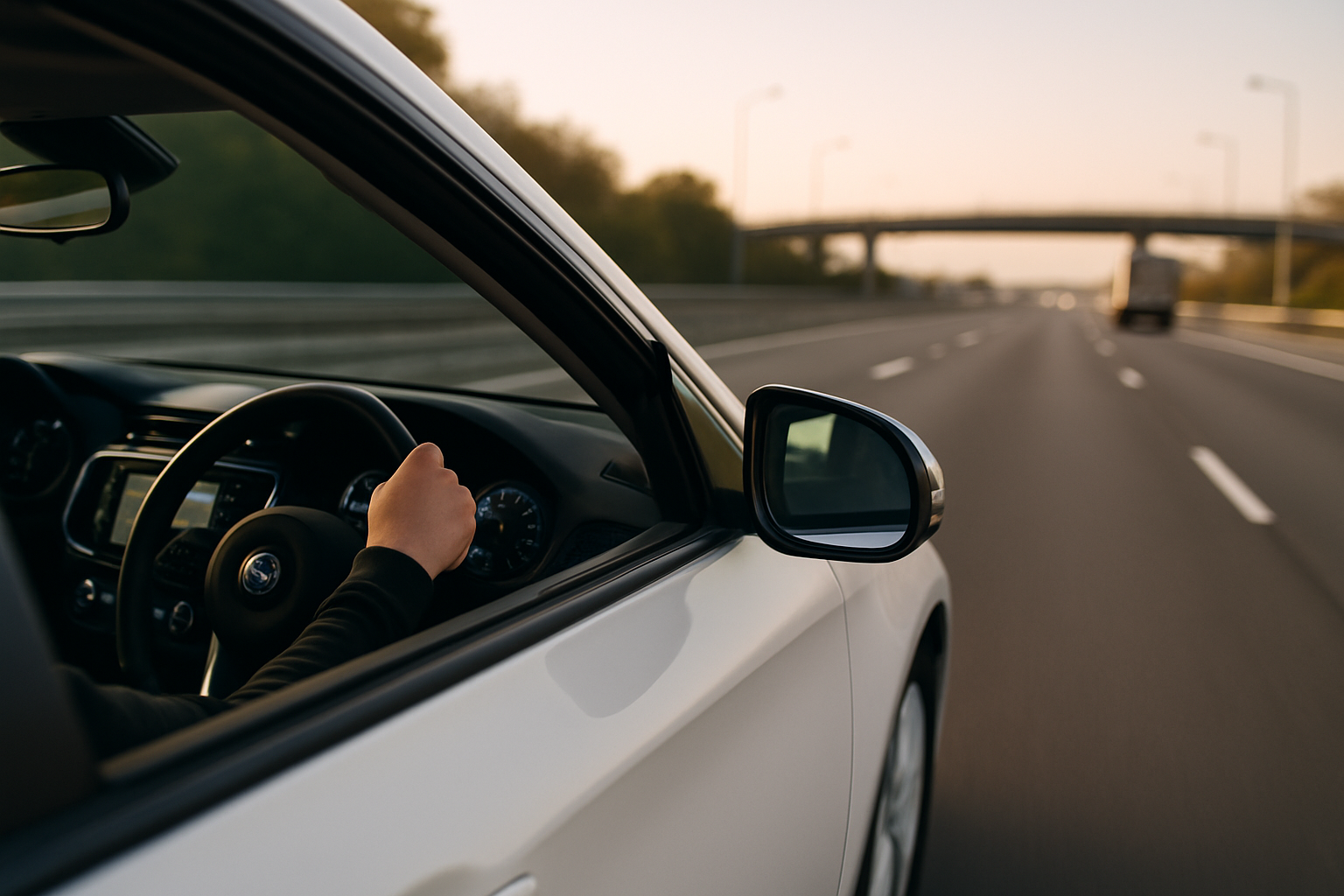
Understanding the difference between adaptive cruise control and regular cruise control can help you make better decisions when buying a car or deciding which features matter most. Both systems aim to reduce driver fatigue on long trips, but they work in completely different ways and offer vastly different experiences behind the wheel.
What Is Regular Cruise Control?
Traditional cruise control is a speed-maintenance system that’s been around since the 1950s. When you set your speed, the system uses throttle control to maintain that exact speed regardless of traffic conditions ahead.
Regular cruise control operates on a simple principle: maintain the speed you’ve selected. It doesn’t know or care what’s happening in front of your vehicle. If traffic slows down, you’ll need to brake manually. If you’re going uphill, it might add more throttle to maintain speed.
Most conventional cruise control systems activate around 25-30 mph and work best on highways with light traffic. You’ll find the controls typically located on your steering wheel or dashboard, with buttons for set, resume, coast, and accelerate.
What Is Adaptive Cruise Control?
Adaptive cruise control (ACC) takes the concept much further by using sensors to monitor traffic ahead and automatically adjusting your speed to maintain a safe following distance. Think of it as cruise control with intelligence built in.
The system uses radar sensors, cameras, or both to track vehicles in your lane. When traffic slows down, ACC automatically reduces your speed. When traffic speeds up or moves out of your way, it accelerates back to your set speed.
Modern ACC systems can bring your vehicle to a complete stop in stop-and-go traffic, then resume when traffic moves again. This stop-and-go capability makes them incredibly useful for highway commuting and traffic jams.
How the Technology Works
Radar-Based Systems
Most adaptive cruise control systems rely on radar sensors mounted behind the front grille or bumper. These sensors emit radio waves that bounce off objects ahead, calculating distance and relative speed with impressive accuracy.
Radar works well in most weather conditions, including rain and fog. However, heavy snow or ice buildup on the sensor can interfere with its operation. Many vehicles will display a warning when sensors become blocked.
Camera-Based Systems
Some manufacturers use forward-facing cameras mounted behind the windshield to detect vehicles ahead. Tesla’s Autopilot system primarily relies on cameras, as do some newer Honda and Subaru systems.
Camera systems excel at recognizing different types of objects and can sometimes work better in construction zones with unusual lane markings. They struggle more in low-light conditions and adverse weather compared to radar.
Fusion Systems
The most advanced ACC systems combine both radar and camera data for better accuracy and reliability. Brands like Mercedes-Benz, BMW, and Audi typically use fusion systems in their higher-end models.
These hybrid approaches provide redundancy and can handle more complex driving scenarios. If one sensor type fails or becomes compromised, the other can often maintain functionality.
Key Differences in Daily Use
Traffic Handling
Regular cruise control becomes nearly useless in moderate to heavy traffic. You’ll constantly need to brake and disengage the system, then reset it when traffic clears.
Adaptive cruise control shines in varying traffic conditions. You can set your desired speed and following distance, then let the system handle speed adjustments as traffic patterns change. Many drivers find this reduces stress and fatigue significantly during long commutes.
Following Distance Settings
ACC systems typically offer three to four following distance settings, usually represented by car symbols with varying gaps between them. The closest setting maintains about 1.5-2 seconds of following time, while the furthest extends to 3-4 seconds.
You can adjust these settings based on your comfort level and traffic conditions. Aggressive drivers often choose closer settings, while those prioritizing safety prefer longer following distances.
Speed Resumption
Both systems remember your last set speed when you press the resume button. However, regular cruise control simply returns to that speed regardless of traffic, while ACC gradually accelerates while monitoring vehicles ahead.
Stop-and-Go Capability
This feature represents the biggest advancement in modern ACC systems. Full-speed range adaptive cruise control can bring your vehicle to a complete stop behind traffic and automatically resume when movement begins.
Different manufacturers handle stop-and-go differently. Some systems will resume automatically after a brief pause, while others require you to tap the accelerator or press a resume button if you’ve been stopped for more than a few seconds.
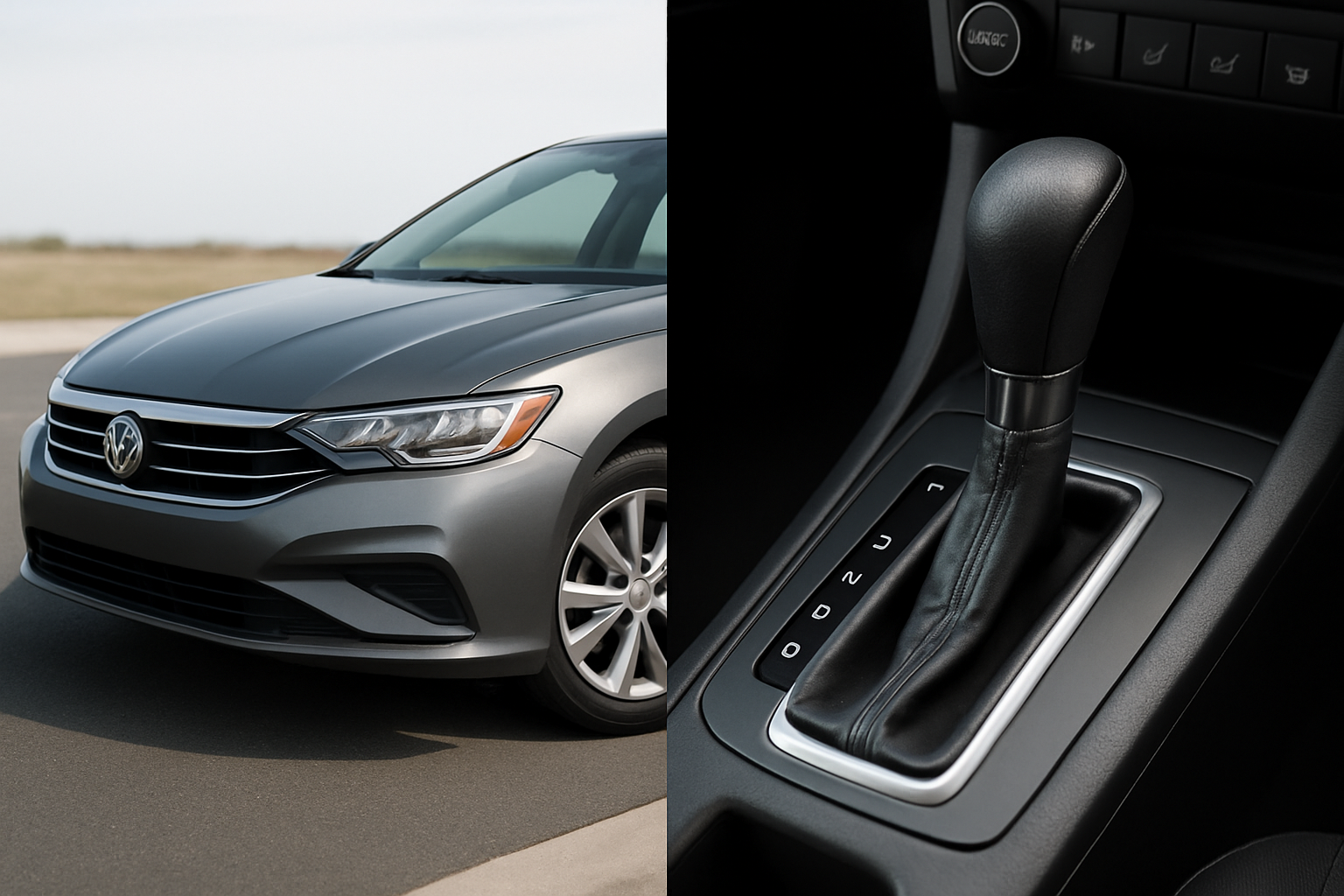
Vehicles with automatic transmissions generally handle stop-and-go better than manual transmissions. Most manual transmission vehicles don’t offer this capability at all, since the system can’t operate the clutch.
System Limitations and Challenges
Curved Roads
Both radar and camera systems can struggle with curved highways. The sensors might lose track of vehicles in your lane around tight curves, causing the system to accelerate inappropriately when it should maintain a slower speed.
Sharp curves can also cause false alerts when the system detects vehicles in adjacent lanes that aren’t actually in your path. Most ACC systems work best on straight highways with gentle curves.
Weather Conditions
Heavy rain, snow, or fog can interfere with sensor operation. Radar systems generally handle wet conditions better than cameras, but both can become compromised in severe weather.
Many systems will display warnings and may automatically disengage when weather conditions affect sensor reliability. You’ll need to take manual control until conditions improve.
Construction Zones
Construction zones with unusual lane markings, narrow lanes, or concrete barriers can confuse ACC systems. The sensors might detect stationary construction equipment as vehicles in your path, causing unnecessary braking.
Most experienced ACC users disable the system in construction zones and rely on traditional cruise control or manual driving until they’re through the work area.
Best Adaptive Cruise Control Systems
Cadillac Super Cruise
Super Cruise combines excellent ACC functionality with hands-free driving capability on mapped highways. The system uses GPS mapping data along with sensors for enhanced accuracy and can handle curves better than most competitors.
Tesla Autopilot
Tesla’s camera-based system offers smooth operation and frequent updates that improve functionality over time. The stop-and-go capability works particularly well in heavy traffic situations.
Mercedes-Benz DISTRONIC
Mercedes offers one of the smoothest ACC experiences, with natural acceleration and braking that feels very human-like. Their system works well across a wide range of driving conditions.
Volvo Pilot Assist
Volvo’s system combines reliable ACC with gentle lane-keeping assistance. The interface is intuitive, and the system provides clear feedback about its operational status.
Cost and Availability Considerations
Regular cruise control typically comes standard on most vehicles or as part of a basic convenience package. You’ll find it on everything from economy cars to luxury vehicles.
Adaptive cruise control usually appears in higher trim levels or technology packages. The cost can range from $500-2000 depending on the vehicle and what other features come bundled with it.
Some luxury brands now include basic ACC as standard equipment, while others reserve the most advanced versions for their premium packages. Check specific model options carefully, as availability varies significantly between trim levels.
Which System Is Right for You?
Your driving patterns should guide your decision. If you primarily drive on lightly trafficked highways for long distances, regular cruise control might meet your needs perfectly.
However, if you deal with varying traffic conditions, frequent highway commuting, or stop-and-go situations, adaptive cruise control provides substantial benefits. The technology reduces driver fatigue and can improve safety when used properly.
Consider your budget and how long you plan to keep the vehicle. ACC systems are becoming more common and affordable, so they may improve resale value compared to vehicles with only traditional cruise control.
Safety Considerations
Neither system replaces the need for attentive driving. Regular cruise control requires you to monitor traffic and make speed adjustments manually, while ACC handles some of these tasks but still requires supervision.
ACC systems can react faster than human drivers in many situations, but they’re not perfect. You should always be ready to take control if the system behaves unexpectedly or encounters a situation it can’t handle properly.
Many safety experts recommend treating ACC as an advanced driving aid rather than a semi-autonomous system. Keep your hands on the wheel and your attention on the road regardless of which cruise control type you’re using.
Frequently Asked Questions
Can I add adaptive cruise control to a car that doesn’t have it?
Aftermarket ACC systems exist but are complex to install and may not integrate well with your vehicle’s existing systems. Most require significant modification and professional installation, making them impractical for most drivers.
Does adaptive cruise control work with manual transmissions?
Most ACC systems work with manual transmissions, but stop-and-go capability typically isn’t available since the system can’t operate the clutch. You’ll get the traffic-following functionality but will need to handle complete stops manually.
How do I know if my ACC sensors need cleaning?
Most systems will display a warning message when sensors become blocked or dirty. You might also notice reduced functionality or false alerts. Regular cleaning of the sensor areas during car washes helps maintain optimal performance.
Can adaptive cruise control prevent accidents?
While ACC can react faster than human drivers in some situations, it’s designed as a convenience feature rather than a safety system. Many vehicles include separate automatic emergency braking systems that provide more aggressive collision avoidance capabilities.
This article contains affiliate links. If you purchase through these links, we may earn a small commission at no extra cost to you.
Leave a Reply