
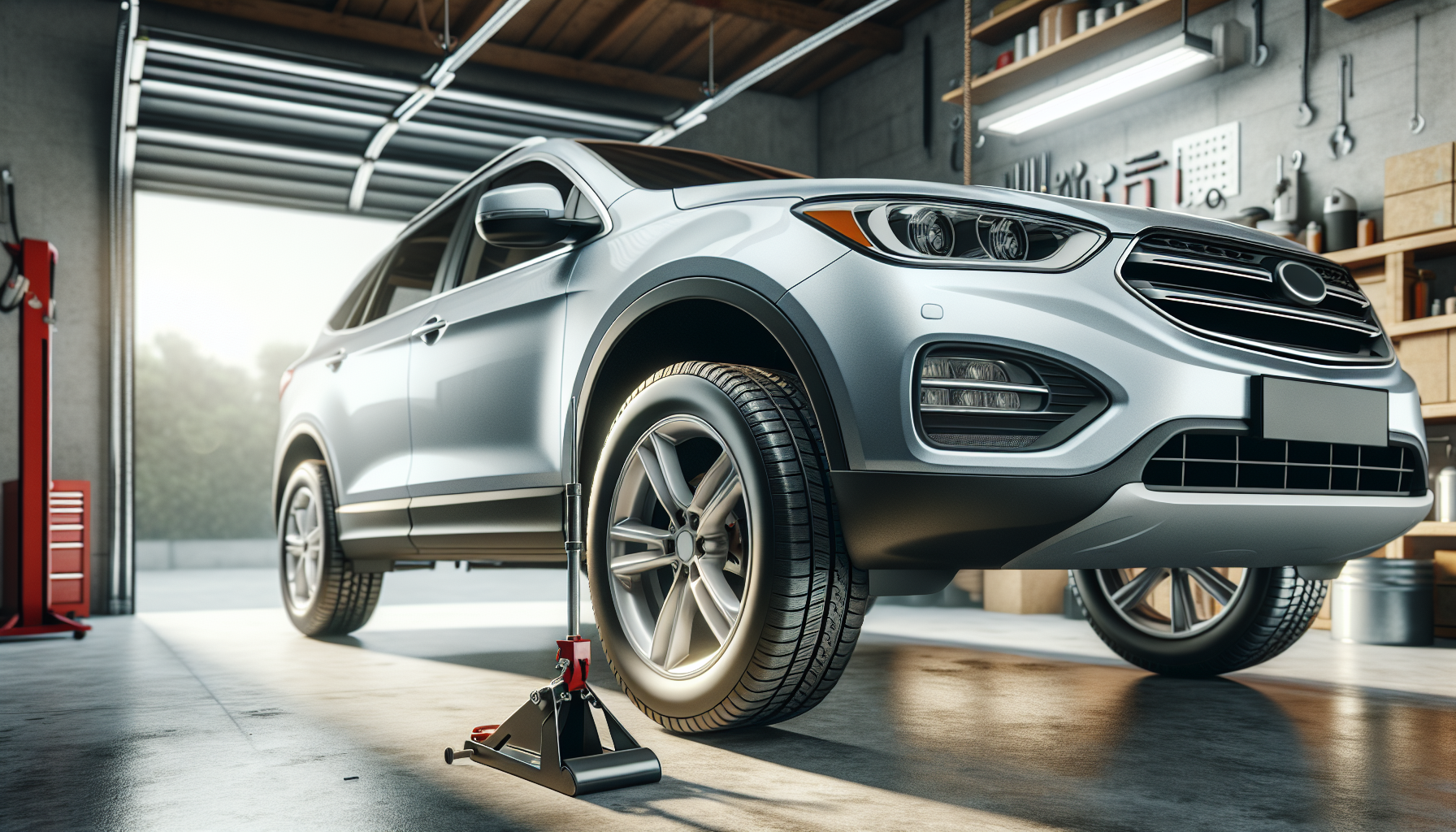
If you’ve been driving your Acura RDX and noticed that highway trips have become surprisingly loud, you’re not alone. What used to be a quiet, comfortable ride can turn into a droning nightmare when tire noise creeps in. The problem is more common than you’d think, especially as these SUVs rack up miles. Sometimes it’s the tires themselves, sometimes it’s worn components, and sometimes it’s a combination of factors that all add up to make your daily commute feel like you’re riding in a tin can.
The RDX is marketed as a premium crossover, so when road noise becomes excessive, it feels particularly frustrating. Before you start ripping apart your interior or shopping for a new vehicle, let’s walk through what causes this and what you can actually do about it.
Common Causes
Tire noise doesn’t just appear out of nowhere. Here’s what’s usually behind it:
Worn or Aggressive Tire Tread
As tires wear down, the tread pattern changes. What started as a relatively quiet tire can become significantly louder as it reaches 50% tread life or less. If you’ve got all-terrain or performance tires on your RDX, they’re going to be noisier than the stock touring tires from the factory. Some tire models are just loud by design, especially if they prioritize grip or longevity over comfort.
Wheel Bearing Failure
This is the one people overlook. A failing wheel bearing sounds a lot like tire noise at first. It’s that low rumble or hum that gets louder as you accelerate. The tricky part? It can be hard to tell the difference between bearing noise and tire roar without knowing what to listen for. Wheel bearings on the RDX typically start showing symptoms around 80,000 to 120,000 miles, though some fail earlier.
Improper Tire Pressure
Underinflated tires create more rolling resistance and increase the contact patch with the road, which amplifies noise. Overinflated tires do the opposite but can cause a harsh, thumping sound. Either way, you’re making things louder than they need to be.
Cupping or Uneven Tire Wear
If your suspension components are worn (shocks, struts, control arm bushings), your tires won’t maintain even contact with the road. This creates a cupped wear pattern that looks like scalloped dips around the tire’s circumference. Once cupping starts, it’s incredibly noisy and gets worse fast.
Road Surface Amplification
Some road surfaces just make everything louder. Concrete highways with grooves cut into them will amplify tire noise compared to smooth asphalt. If the noise only happens on certain roads, this might be your answer. But if it’s constant, keep reading.
Deteriorated Cabin Insulation
The RDX has sound-deadening material in the wheel wells, under the carpet, and in the doors. Over time, this stuff can compress, fall away, or just lose effectiveness. If you’ve got an older RDX with 100,000+ miles, this could be contributing more than you think.
How to Diagnose the Problem
Don’t just throw parts at this. A little detective work will save you money.
Check Your Tire Pressure First
Seriously. Grab a tire pressure gauge and check all four tires when they’re cold (before you’ve driven anywhere). The factory recommendation is usually on a sticker inside the driver’s door jamb. For most RDX models, it’s around 32-35 PSI. Adjust as needed and drive for a few days to see if the noise changes.
Inspect the Tires Visually
Look at the tread. Run your hand across the surface of each tire. Does it feel smooth, or do you feel high and low spots? That’s cupping. Check for uneven wear across the width of the tire too. If the inside or outside edge is worn more than the center, you’ve got an alignment issue that’s been going on for a while.
Rotate the Tires
If the noise seems louder from the rear, rotate your tires front to back. Drive it for a couple days. If the noise moves to the front, it’s definitely the tires. If it stays in the rear, you might be dealing with a wheel bearing or differential noise (less common but possible).
Test for Wheel Bearing Noise
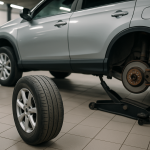
Get your RDX up to about 40-50 mph on an empty road. Gently swerve left, then right. If the noise changes or gets louder when you swerve in one direction, that’s a classic sign of a bad wheel bearing on the opposite side. Another test: lift each wheel off the ground (one at a time, safely supported on jack stands) and spin it by hand. A bad bearing will feel rough or make a grinding sound.
This video does a great job showing how to tell the difference between tire noise and wheel bearing noise:
Drive on Different Road Surfaces
Take note of when the noise is worst. Smooth asphalt? Concrete highways? If it’s dramatically worse on grooved concrete, your tires are just amplifying road texture. That’s normal to some degree, but if it’s excessive, the tire choice matters.
How to Fix It
Once you’ve pinpointed the cause, here’s what you can do about it.
Replace Your Tires with Quieter Options
If your tires are worn or just plain loud, this is the fix. Look for tires marketed as touring or comfort tires rather than performance or all-season aggressive tread. Michelin Defender, Continental PureContact, and Bridgestone Turanza are all known for quiet highway manners. Read reviews specifically mentioning noise levels. Some RDX owners swear by the Michelin Premier LTX for reducing cabin noise.
Balance and Align Your Wheels
If you’ve got uneven wear starting, get an alignment done immediately. It won’t fix the existing damage, but it’ll prevent it from getting worse. Balancing should be done whenever you mount new tires, but it’s worth checking if you’re getting vibration along with the noise. Out-of-balance wheels can accelerate wear and increase noise.
Replace Worn Suspension Components
If your inspection revealed cupped tires, the suspension is probably shot. Shocks and struts wear gradually, so you might not notice the decline in ride quality until tire wear makes it obvious. Replacing worn shocks will improve tire contact and reduce future cupping. This is especially important if your RDX has over 80,000 miles.
Add Sound Deadening Material
If everything checks out mechanically but the noise is still bothering you, consider adding sound-deadening material to the wheel wells and floor. Products like Dynamat, Noico, or Kilmat are basically thick, adhesive mats that dampen vibrations. You’ll need to remove the wheel well liners and potentially pull back some interior carpet, but it’s a DIY-friendly project that can make a real difference.
This video shows how to apply sound deadening material to reduce road noise:
Replace the Wheel Bearing
If you confirmed a bad bearing, don’t put this off. A failed wheel bearing can cause other issues and even become a safety problem. Replacing a wheel bearing on an RDX is moderately difficult. You’ll need a press or a good hammer and the right socket to drive the old bearing out and the new one in. If you’re comfortable with suspension work, it’s doable in a driveway with the right tools. Otherwise, this is one to farm out.
When to See a Mechanic
Some of this stuff is manageable at home, but know your limits.
If the noise is accompanied by vibration, pulling to one side, or any grinding sensation through the steering wheel, get it checked immediately. Those are signs of something more serious than just tire noise. Wheel bearings that are completely shot can seize or cause wheel wobble, which is dangerous at highway speeds.
Suspension work can get complicated fast if you don’t have the right tools. Pressing in a new wheel bearing without a proper press can damage the hub or the bearing itself. If you’re not confident in your abilities, a shop can diagnose and fix bearing issues in a couple hours.
Same goes for alignment. DIY alignment is technically possible, but you won’t get the precision of a shop with a proper alignment rack. If your tires are wearing unevenly, an alignment is money well spent.
Estimated Repair Costs
Here’s what you’re looking at if you take it to a shop:
| Repair | Estimated Cost |
|---|---|
| Tire pressure adjustment | Free (DIY) |
| Four-wheel alignment | $80 – $150 |
| Tire balancing (all four) | $40 – $80 |
| New touring tires (set of 4) | $600 – $1,000 |
| Single wheel bearing replacement | $200 – $400 |
| Front or rear shock/strut replacement (pair) | $400 – $800 |
| Sound deadening material (DIY) | $100 – $200 |
If you’re doing the work yourself, you’ll save on labor but need to factor in tools. A floor jack, jack stands, and a torque wrench are must-haves for any of this.
Prevention Tips
Once you’ve solved the problem, here’s how to keep it from coming back.
Check your tire pressure monthly. It takes two minutes and prevents a ton of problems. Tires naturally lose about 1 PSI per month, plus more in cold weather. Keeping them properly inflated extends tire life and keeps things quiet.
Rotate your tires every 5,000 to 7,000 miles. This evens out wear and helps you catch problems early. Most tire shops will do it for free if you bought the tires from them.
Get an alignment check once a year or any time you hit a big pothole or curb. Alignments don’t need to be adjusted every time, but catching a problem early prevents uneven tire wear.
Pay attention to how your RDX rides and handles. If it starts feeling floaty or bouncy, your shocks are probably getting weak. Replacing them before they’re completely shot will save your tires from cupping.
When it’s time for new tires, don’t just go with the cheapest option. Read reviews and prioritize noise ratings if road noise bothers you. Spending an extra $100 on a quieter set of tires is worth it if you do a lot of highway driving.
Excessive tire noise in your Acura RDX is annoying, but it’s usually fixable without breaking the bank. Start with the simple stuff like tire pressure and a visual inspection, then work your way up to bigger repairs if needed. Most of the time, it’s either the tires themselves or a worn component that’s causing the racket. Fix the root cause, and you’ll get back to enjoying the quiet, comfortable ride the RDX was designed to deliver.
Leave a Reply