
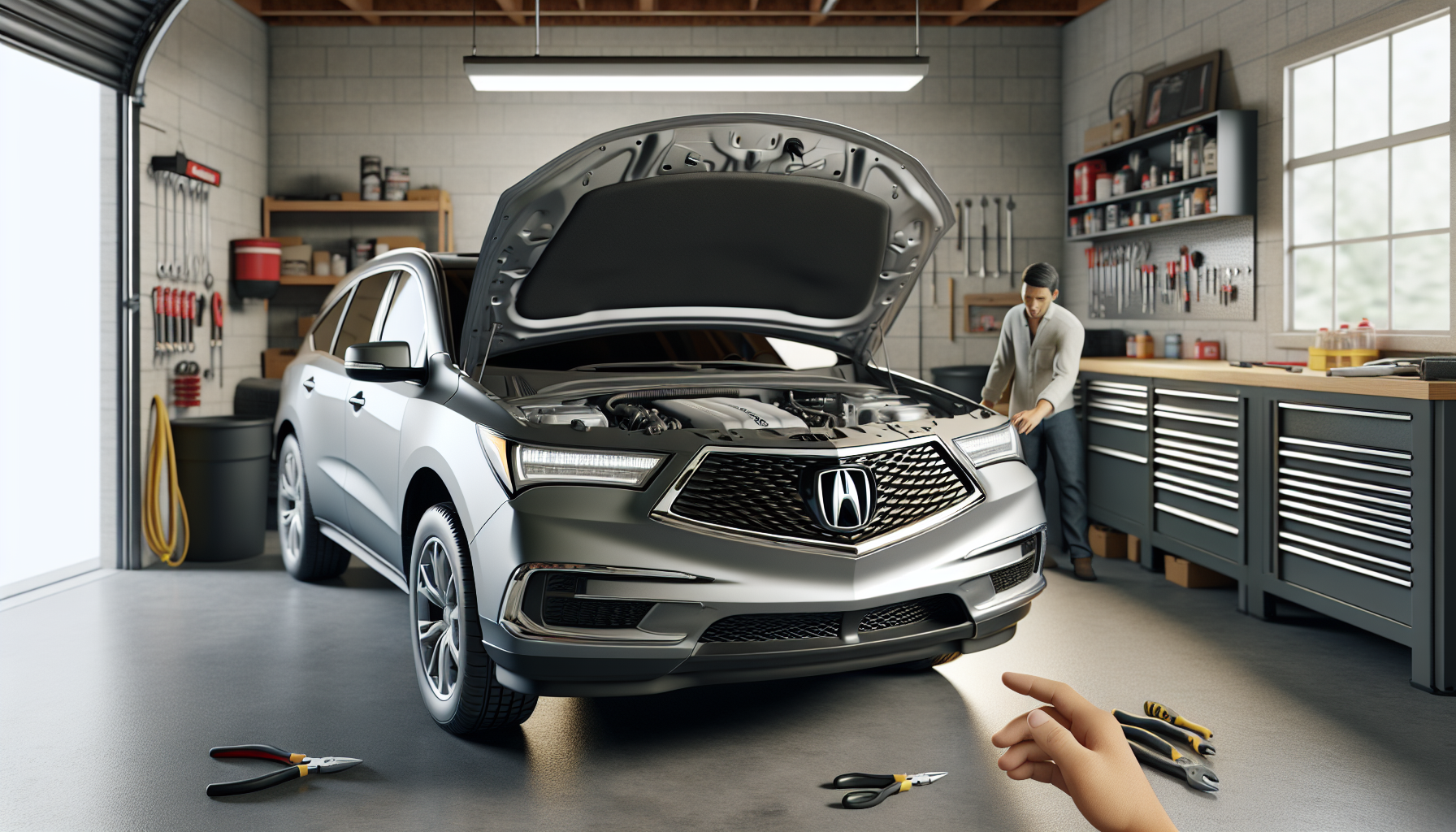
If your Acura MDX shakes or vibrates when you’re stopped at a light with the transmission in drive, you’re not alone. This is one of those annoying issues that makes you wonder if something’s seriously wrong with your SUV. The vibration usually smooths out when you shift to park or neutral, which gives us a big clue about what’s happening.
Most of the time, this vibration comes down to engine mounts that are worn out or failing. Your MDX’s engine mounts do more than just hold the engine in place. They absorb vibrations and isolate them from the cabin. When they start to fail, you feel every little shake and rumble, especially when the transmission is in gear and putting load on the drivetrain. But engine mounts aren’t the only culprit. Sometimes it’s a combination of factors that create that annoying shake.
Common Causes
Let’s break down what typically causes this vibration issue in the Acura MDX:
Worn Engine Mounts
This is the most common reason for idle vibration in drive. The MDX uses hydraulic engine mounts filled with fluid to dampen vibrations. Over time, these mounts crack, leak fluid, or the rubber deteriorates. The front and rear motor mounts take the most abuse. When one or more mounts fail, the engine can move excessively and transmit vibrations directly into the chassis. You’ll feel it most in drive because that’s when torque is being applied through the drivetrain.
Dirty or Faulty Throttle Body
Carbon buildup in the throttle body can cause erratic idle speeds, which translates to vibration. The MDX’s throttle body controls airflow into the engine, and when it gets gunked up, the engine computer struggles to maintain smooth idle. This is especially common on higher mileage vehicles.
Vacuum Leaks
A vacuum leak throws off the air-fuel mixture, causing rough idle and vibration. Common leak points include intake manifold gaskets, PCV hoses, and brake booster lines. Vacuum leaks often get worse over time and can trigger a check engine light.
Transmission Mount Issues
Don’t forget about the transmission mount. It works alongside the engine mounts to stabilize the powertrain. A worn transmission mount allows more movement when the transmission is engaged, which you feel as vibration in drive but not in park.
Spark Plugs and Ignition System
Misfiring cylinders create noticeable vibration. If your spark plugs are old or an ignition coil is failing, one or more cylinders might not be firing properly. The V6 engine in the MDX needs all six cylinders working smoothly to maintain that refined idle Acura is known for.
Torque Converter Problems
Less common but worth mentioning. A failing torque converter can cause shuddering or vibration at idle in drive. This usually comes with other symptoms like transmission slipping or delayed engagement.
How to Diagnose the Problem
Start with the simple checks before you throw parts at the problem. Diagnosing vibration issues requires a methodical approach.
Step 1: Visual Inspection of Engine Mounts
Pop the hood and have someone sit in the driver’s seat. With the parking brake on and your foot firmly on the brake pedal, have them shift between park, reverse, and drive while you watch the engine. You should see some movement, but if the engine rocks excessively or you see it shift more than an inch or two, you’ve got bad mounts. Look for cracked rubber, torn metal brackets, or fluid leaking from hydraulic mounts.
Step 2: Check for Vacuum Leaks
With the engine running, listen for hissing sounds around the intake manifold and vacuum hoses. You can spray a small amount of carburetor cleaner around suspect areas (carefully). If the idle changes when you spray, you’ve found a leak. Check all rubber hoses for cracks and make sure connections are tight.
Step 3: Scan for Trouble Codes
Plug in an OBD2 scanner and check for any stored codes. Even if your check engine light isn’t on, there might be pending codes that point to misfires, fuel system issues, or sensor problems. Misfire codes (P0300-P0306) are particularly relevant here.
Step 4: Test Drive and Observe
Pay attention to when the vibration occurs. Does it happen only when the engine is cold? Does it get better after warming up? Is it worse with the AC on? These details matter. If turning on the AC makes the vibration significantly worse, that points to engine mounts struggling with the extra load.
Step 5: Inspect Spark Plugs and Ignition Coils
Pull the spark plugs and check their condition. They should be tan or light brown. Black, sooty plugs indicate a rich mixture. White or blistered plugs suggest lean conditions or overheating. Check the ignition coils for cracks or signs of arcing.
This video walks through common idle and vibration issues that apply to the MDX:
How to Fix It
Once you’ve pinpointed the cause, here’s how to tackle the repairs yourself.
Replacing Engine Mounts
Engine mount replacement on the MDX is moderately difficult but doable for someone with mechanical experience. You’ll need a floor jack, jack stands, and an engine support bar or load leveler. The front mount is usually the easiest to access. The rear mount requires more disassembly. Support the engine properly before removing any mount bolts. OEM Acura mounts are pricey but worth it for longevity. Aftermarket options can work but may not last as long.
Cleaning the Throttle Body
This is an easy DIY job. Remove the air intake tube to access the throttle body. Use throttle body cleaner and a soft cloth or brush to remove carbon deposits. Don’t force the throttle plate open aggressively. After cleaning, you might need to drive the car for 10-20 miles to let the ECU relearn idle parameters. Some MDX models require a throttle body relearn procedure using a scan tool.
Fixing Vacuum Leaks
Replace any cracked or brittle vacuum hoses. They’re cheap and easy to swap. If you’ve got an intake manifold gasket leak, that’s more involved. You’ll need to remove the intake manifold, replace the gaskets, and reassemble everything with proper torque specs. Use a torque wrench and follow the factory tightening sequence to avoid warping.
Replacing Spark Plugs and Ignition Coils
Spark plug replacement on the V6 is fairly easy. Remove the engine cover, disconnect the ignition coils, and use a spark plug socket to remove the old plugs. Gap new plugs to spec (usually pre-gapped correctly) and torque them properly. If you’re replacing ignition coils, do them one at a time to avoid mixing up the firing order. Stick with NGK or Denso spark plugs for the MDX.
Transmission Mount Replacement
The transmission mount sits underneath the vehicle. You’ll need to support the transmission with a jack, remove the mount bolts, and swap in the new mount. It’s similar to engine mount replacement but you’re working from underneath the vehicle, so proper jack stand placement is critical for safety.
When to See a Mechanic
Some situations call for professional help. If you’ve checked the common causes and still can’t find the problem, a mechanic with proper diagnostic equipment can pinpoint issues that aren’t obvious. Torque converter problems require transmission work that’s beyond most DIY capabilities. If you’re getting transmission-related trouble codes or the vibration comes with slipping, delayed shifts, or strange noises, take it to a transmission specialist.
If you’re not comfortable supporting the engine properly to replace mounts, that’s another good reason to let a shop handle it. An improperly supported engine can cause serious damage or injury. Engine mount replacement typically takes a professional 2-4 hours, so labor costs are manageable.
Persistent misfires that don’t resolve with new plugs and coils might indicate deeper issues like valve problems, compression loss, or fuel injector failure. Those require more extensive diagnosis and repair.
Estimated Repair Costs
Here’s what you can expect to spend on common fixes for MDX idle vibration:
| Repair | DIY Cost | Shop Cost |
|---|---|---|
| Single Engine Mount | $80-$150 | $250-$450 |
| All Engine/Trans Mounts | $300-$500 | $800-$1,400 |
| Throttle Body Cleaning | $10-$15 | $100-$180 |
| Spark Plugs (all 6) | $40-$80 | $180-$300 |
| Ignition Coils (all 6) | $150-$300 | $450-$700 |
| Vacuum Hose Replacement | $15-$40 | $100-$200 |
| Intake Manifold Gaskets | $50-$100 | $400-$700 |
These are ballpark figures. Costs vary by location, model year, and whether you use OEM or aftermarket parts. Dealer prices run higher than independent shops.
Prevention Tips
You can’t prevent wear and tear completely, but you can extend the life of components and catch problems early.
Keep up with regular maintenance. Change your spark plugs at the recommended intervals (usually 60,000-100,000 miles depending on plug type). Don’t skip oil changes, because poor lubrication can cause engine roughness that accelerates mount wear.
Use quality fuel and occasionally run a fuel system cleaner through the tank. Carbon buildup happens gradually, and keeping the fuel system clean helps prevent throttle body and intake valve deposits.
Pay attention to how your MDX feels and sounds. When you notice vibration starting to develop, address it sooner rather than later. Small vibrations from a single worn mount can accelerate wear on the other mounts and cause secondary problems.
Avoid excessive idling when possible. Long periods of idle with the AC running put extra stress on engine mounts. If you’re waiting in your car for more than a couple minutes, consider turning it off.
Have your engine mounts inspected during routine service visits. A quick visual check can catch problems before they become annoying vibrations.
Wrapping Up
Vibration at idle in drive is frustrating but usually fixable without breaking the bank. Engine mounts are the usual suspect in the MDX, especially as the vehicle accumulates miles. The repair isn’t glamorous, but fresh mounts make a huge difference in how refined the SUV feels. Start with the diagnostic steps to pinpoint your specific issue, then tackle the repair that makes sense for your skill level and budget. Your passengers will thank you when you’re no longer shaking at every stoplight.



Leave a Reply